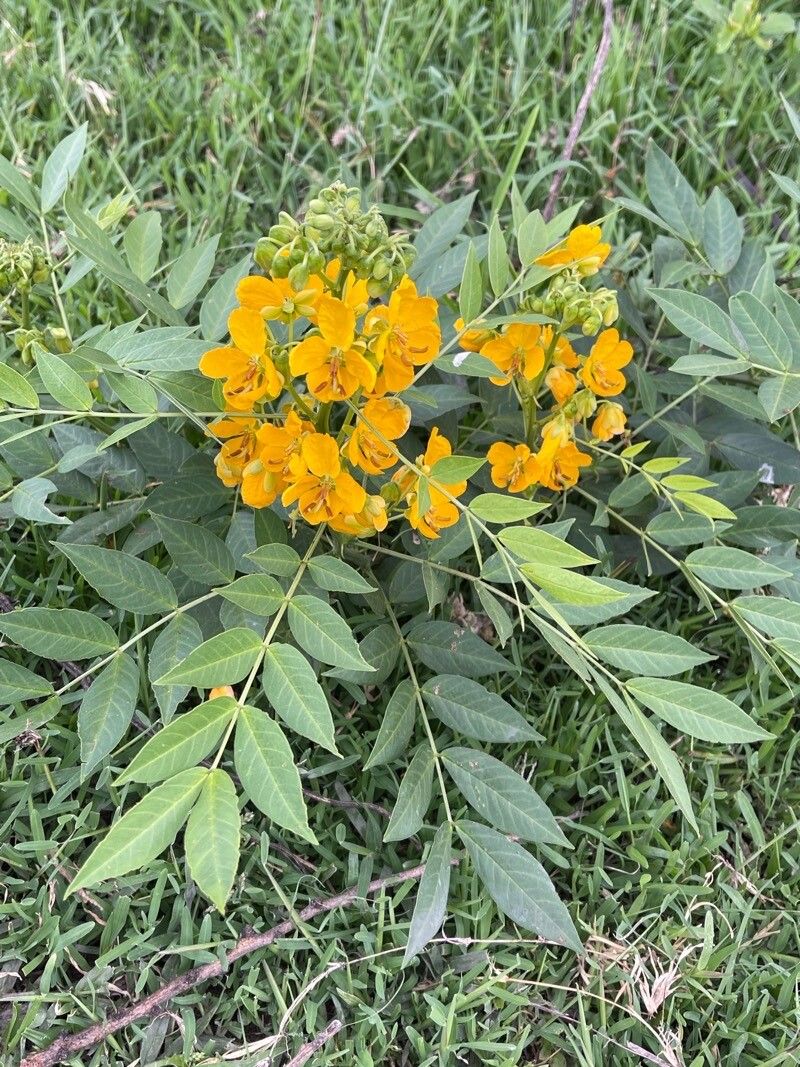
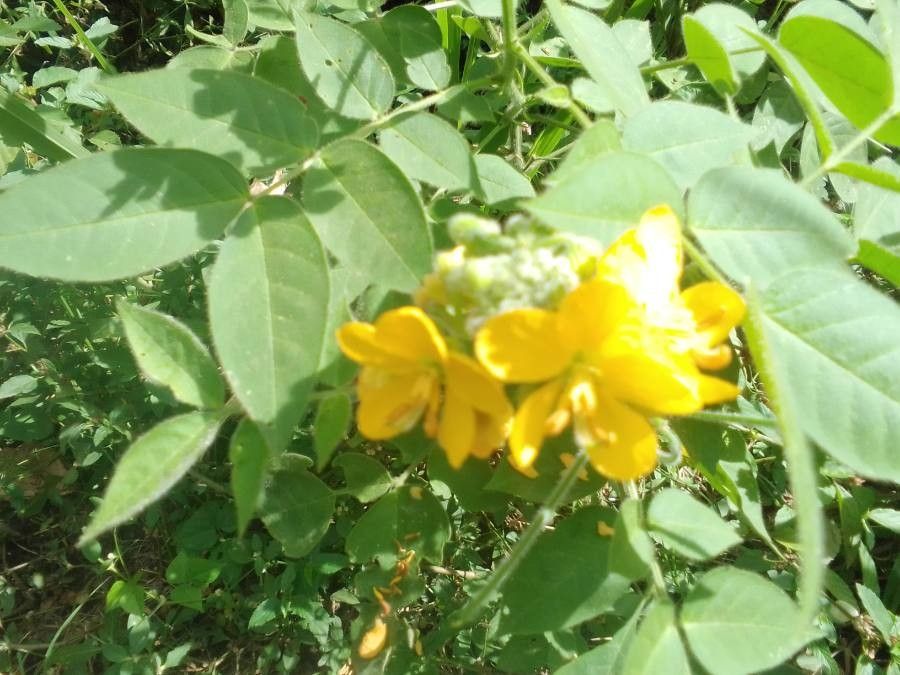
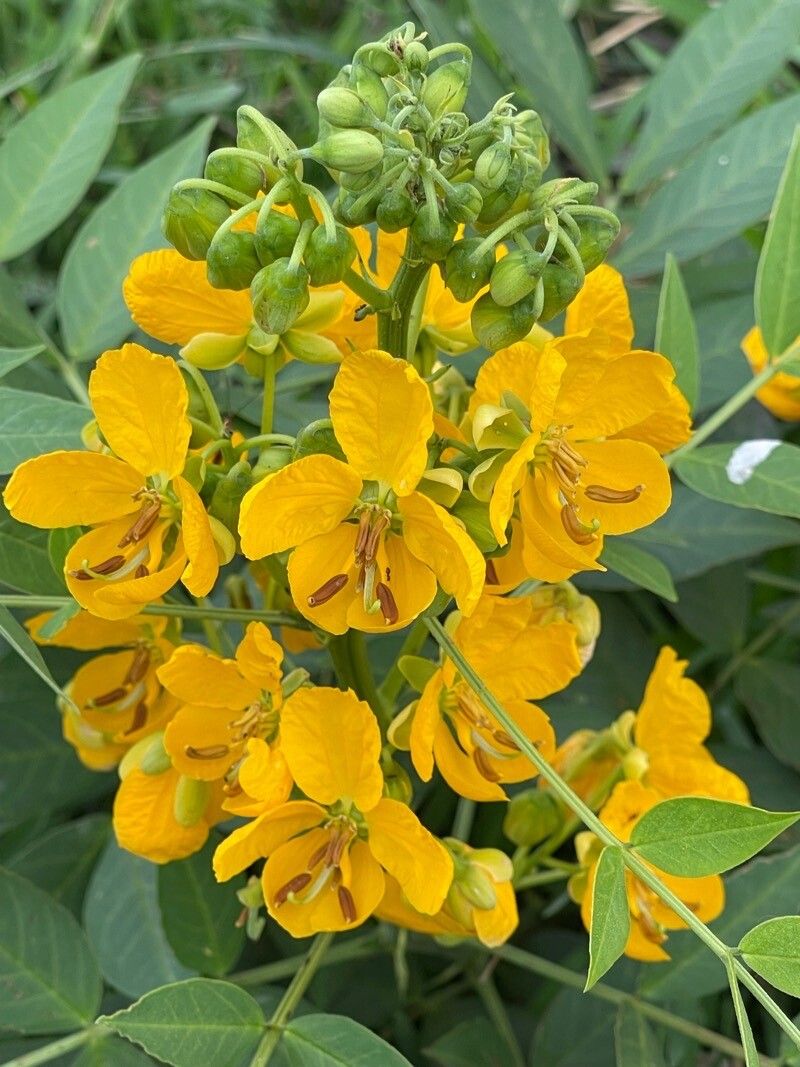
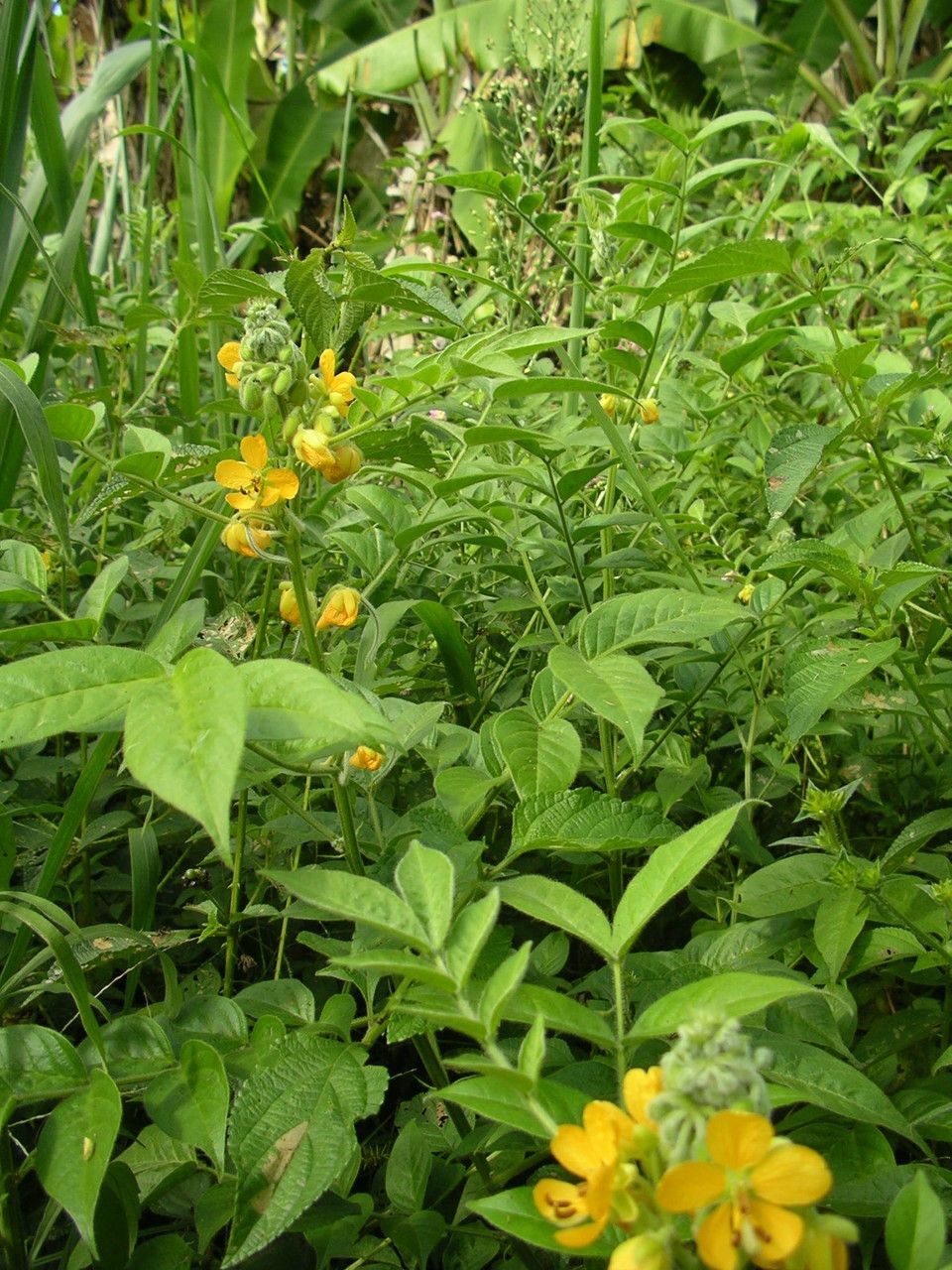
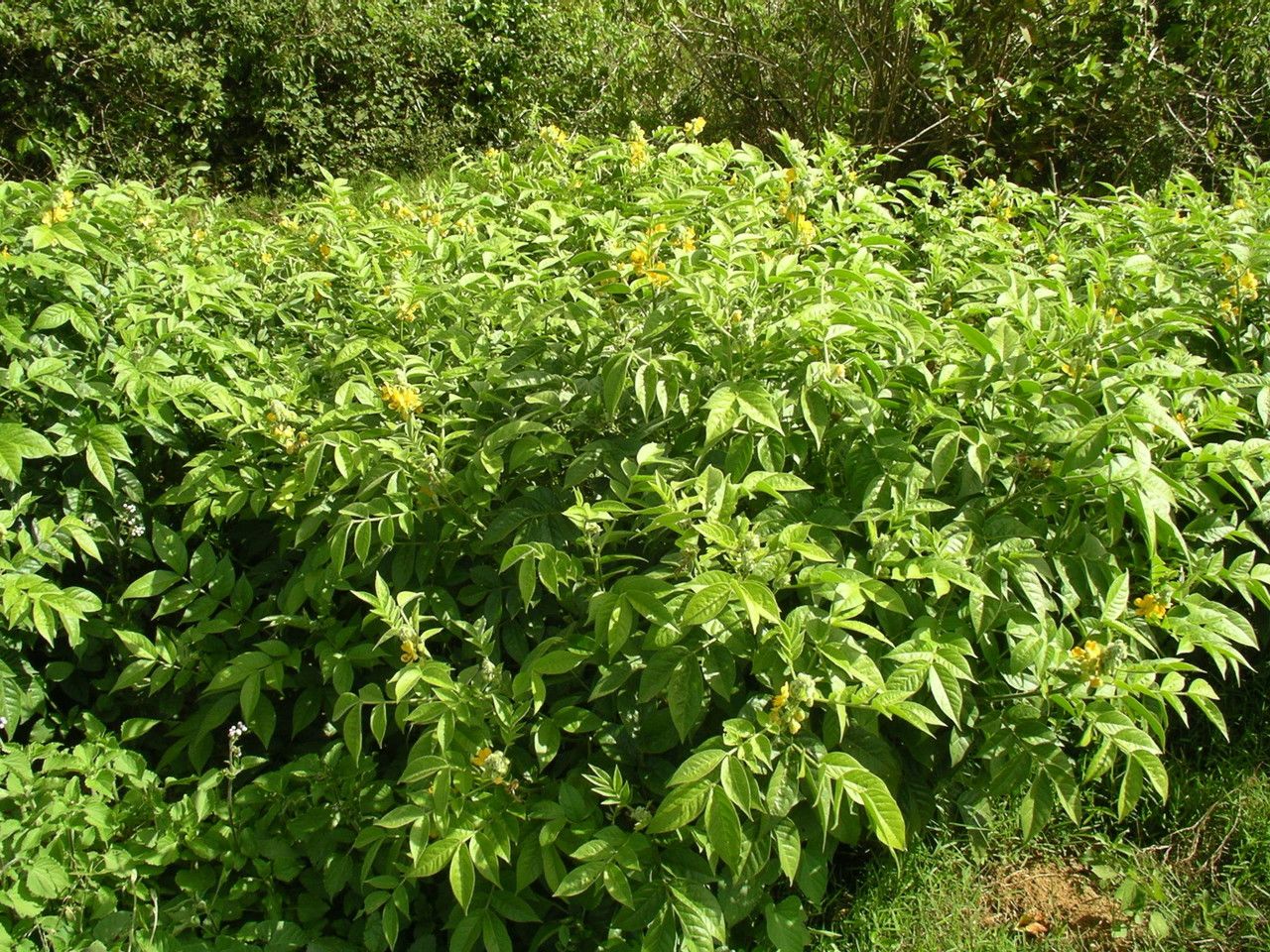
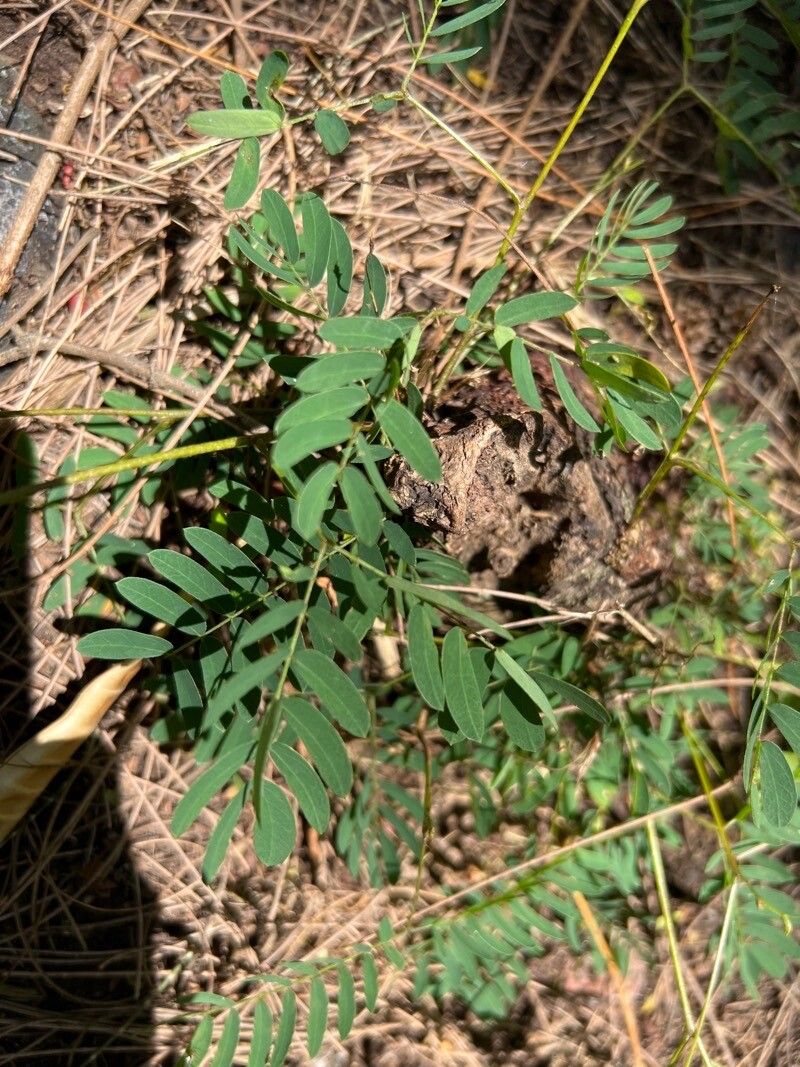
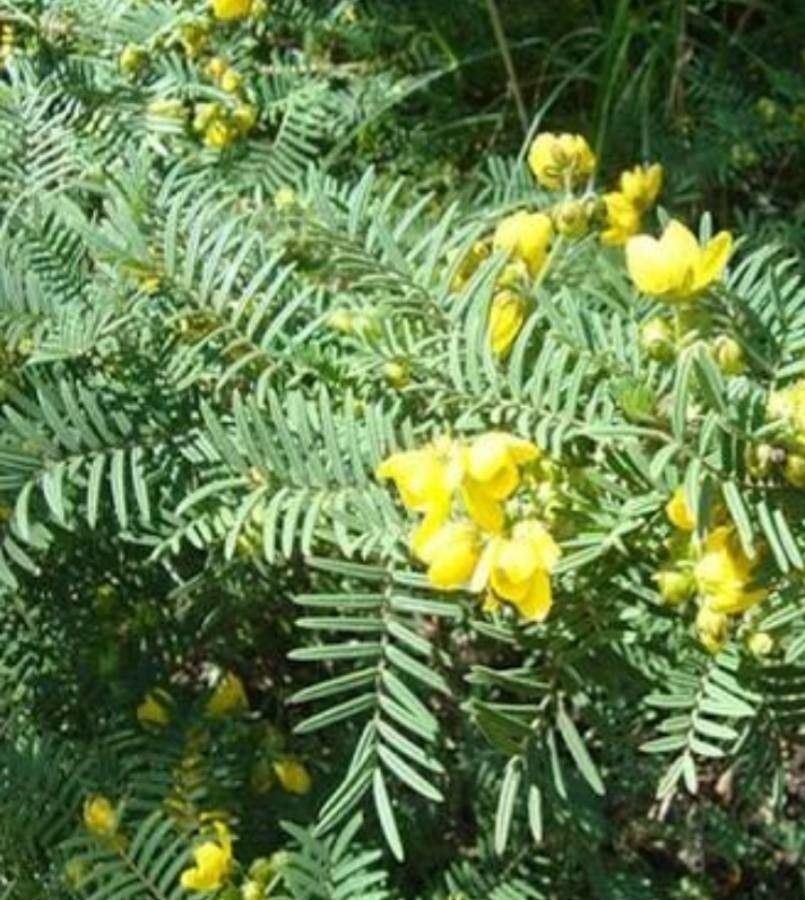
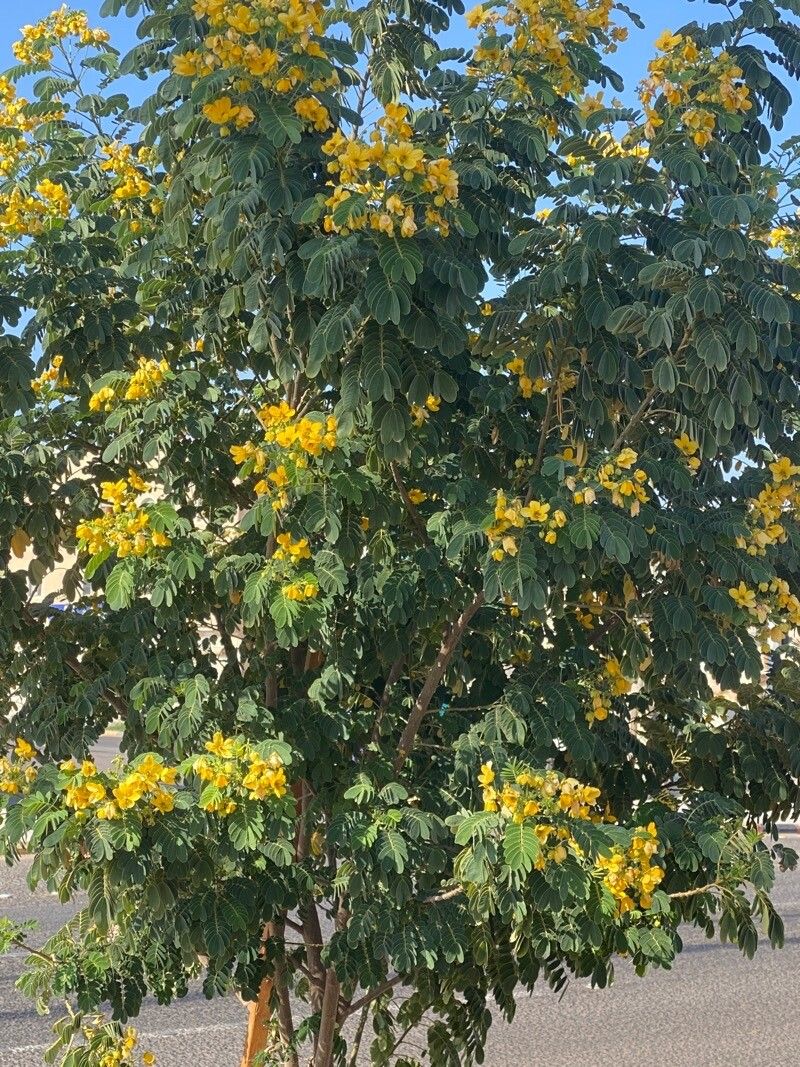
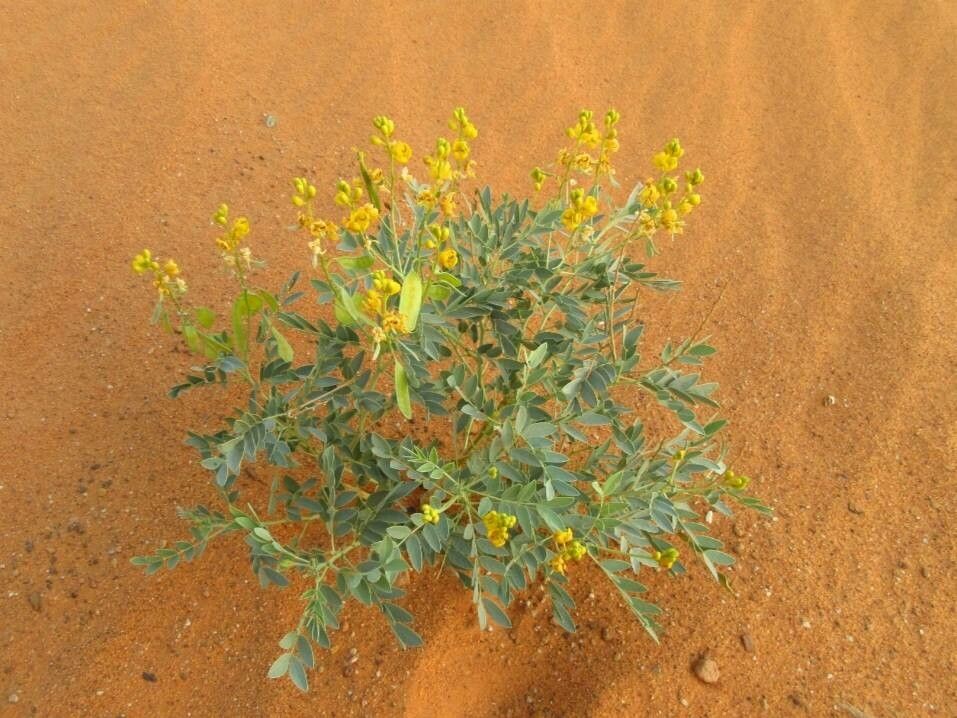
Senna hirsuta, commonly known as woolly senna, is a species of flowering plant in the family Fabaceae and is native to Central and South America, but is naturalised in many other countries. It is an erect or spreading shrub or herbaceous perennial with pinnate leaves, with two to six pairs of egg-shaped leaflets, and yellow flowers arranged in groups of two to six, with six fertile stamens and four staminodes in each flower.
Woolly senna is fairly disease-resistant and typically not vulnerable to illnesses. However, it can be affected by pests and diseases present in its environment. Such infections are generally mild. Regarding care, this plant needs moderate upkeep. It should be pruned regularly to preserve its appearance and encourage healthy growth. Fertilizing can also help stimulate flowering. Woolly senna is appropriate for anyone with outdoor space, like a garden or patio, and does not demand extensive care experience. It may need extra attention if grown indoors.
How to keep Senna Hirsuta.
Light
Woolly senna is a perennial herbaceous plant that favors sunny conditions and comes from open habitats, commonly found in meadows and grasslands. It prefers full sun but can also tolerate partial sun.
Water
Woolly senna is an evergreen plant perfectly adapted to arid conditions and displays exceptional drought tolerance. It thrives with minimal watering, needing water only every 2–3 weeks. Its hardy nature enables it to withstand low rainfall, staying healthy even when grown outdoors.
Temperature
Woolly senna comes from tropical areas, where the climate is usually warm and humid. As a result, it is adapted to high temperatures and humidity. It does not tolerate sudden temperature changes and prefers a stable thermal environment, so it is important to avoid temperature fluctuations indoors. It generally cannot withstand cold temperatures and requires warmer conditions for growth. If the surrounding temperature falls too low, the plant may stop growing or even die.
Fertilizer
The best time to fertilize a Woolly senna is in early spring, as it breaks dormancy. This encourages overall growth and flower development. Fertilizing improves the foliage, stems, and branches, and supports large, vibrant, long-lasting flowers. It helps transport nutrients from the roots to the blooms and enhances the plant's health and resistance to disease.
Pruning
Woolly senna is known for its yellow flowers and hairy pods. To promote growth, prune it in early spring by removing weak branches and trimming back one-third of the older stems. Regular pruning enhances airflow and reduces the risk of disease. However, avoid heavy pruning during blooming, as this helps maintain the flower displays, resulting in a healthier and more vibrant plant.
Botanical profile.
- Plant Type
- Tree, Herb, Shrub
- Life Cycle
- Perennial
- Genus
- Senna
- Family
- Fabaceae
- Hardiness Zone
- 9-11
- Mature Height
- 0.61 m to 2.44 m
- Mature Spread
- 49 cm to 91 cm
- Leaf Color
- Green, Dark Green
- Leaf Type
- Deciduous
- Flower Color
- Yellow
- Flower Size
- 2.54 cm to 3.81 cm
- Bloom Time
- Summer, Early fall, Mid fall
- Planting Time
- Spring, Summer, Autumn
- Harvest Time
- Late summer, Fall, Early winter
- Native Area
- Belize, Honduras, Mexico, Guatemala, Peru, Trinidad and Tobago, Panama, Colombia, Cuba, Paraguay, Argentina, Bolivia, Venezuela, Brazil, Guyana, El Salvador, Nicaragua, Ecuador, Suriname, Costa Rica
Other names.
Reader questions.
What are the sunlight requirements for Woolly Senna?
Woolly senna requires full sun, which means it should receive more than 6 hours of sunlight daily. However, it can also tolerate partial sun conditions, which amounts to about 3-6 hours of sunlight each day. It's crucial to observe how sunlight moves through your garden to ensure the plants get a balance of light and shade for optimal growth, as per the warning to watch sunlight movements and choose spots accordingly.
What is Woolly senna?
Woolly senna, known scientifically as Senna hirsuta, is a plant species belonging to the genus Senna. The details provided do not include specific information on its essentials or symptoms related to its presence or use, suggesting the need for further research into its characteristics, uses, or any relevant precautions.
What is Woolly Senna and where does it originate from?
Woolly senna is a perennial herbaceous plant that loves sunlight. It originates from open habitats and is commonly found thriving in meadows and grasslands. This plant prefers full sun conditions but can also grow in partial sun, making it versatile for various garden spots.
How can artificial lighting be used for indoor Woolly Senna plants?
When natural sunlight is insufficient for indoor Woolly Senna plants, especially during winter or in less sunny spaces, artificial lighting can be a useful solution. LED lights are recommended because they can be customized to provide specific wavelengths of light that plants need. Full sun plants require 30-50 watts per square foot, partial sun plants need 20-30 watts per square foot, and full shade plants require 10-20 watts per square foot. The artificial light source should be placed 12-36 inches above the plant, and it's advised to mimic natural daylight hours, meaning most plants will need 8-12 hours of light per day.
What are common symptoms of inadequate light in Woolly Senna?
Inadequate light can lead to several symptoms in Woolly Senna, including smaller new leaves, leggy or sparse growth, faster leaf drop, slower or no new growth, lighter-colored new leaves, chlorosis (leaves losing their green color), sunscald on leaves or stems, leaf curling, wilting, and leaf scorching. These symptoms indicate the plant is not receiving enough sunlight or is being overexposed to it, impacting its health and growth.
What solutions can address light deficiency in Woolly Senna?
To combat light deficiency in Woolly Senna, for indoor plants, gradually move them to sunnier locations each week until they get at least 6 hours of direct sunlight daily, or use artificial light for plants that are large or hard to move. For outdoor plants, it's important to adjust their location gradually to avoid sunburn, looking for the ideal spot that receives sufficient sunlight. Reducing obstructions like pruning branches or moving plants to sunnier spots can also help. Remember, while parts of the plant affected by insufficient light might not recover, new growth should be healthy once the light conditions improve.