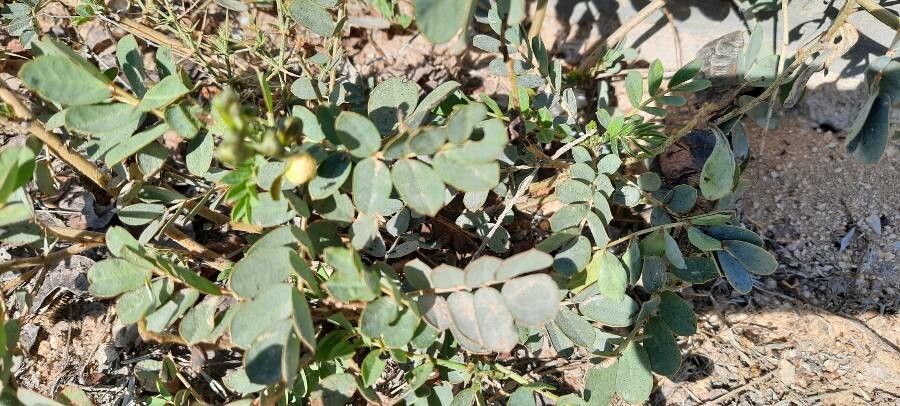
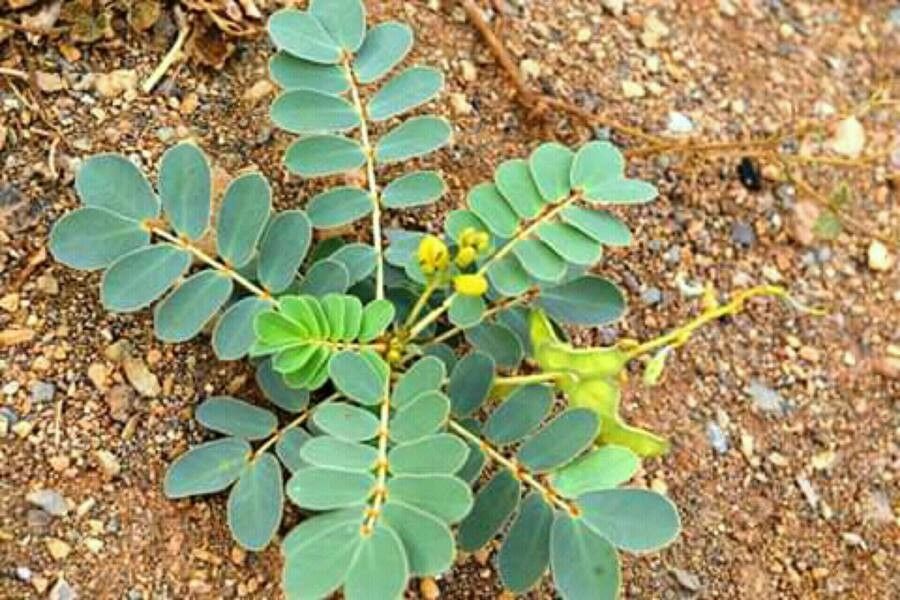
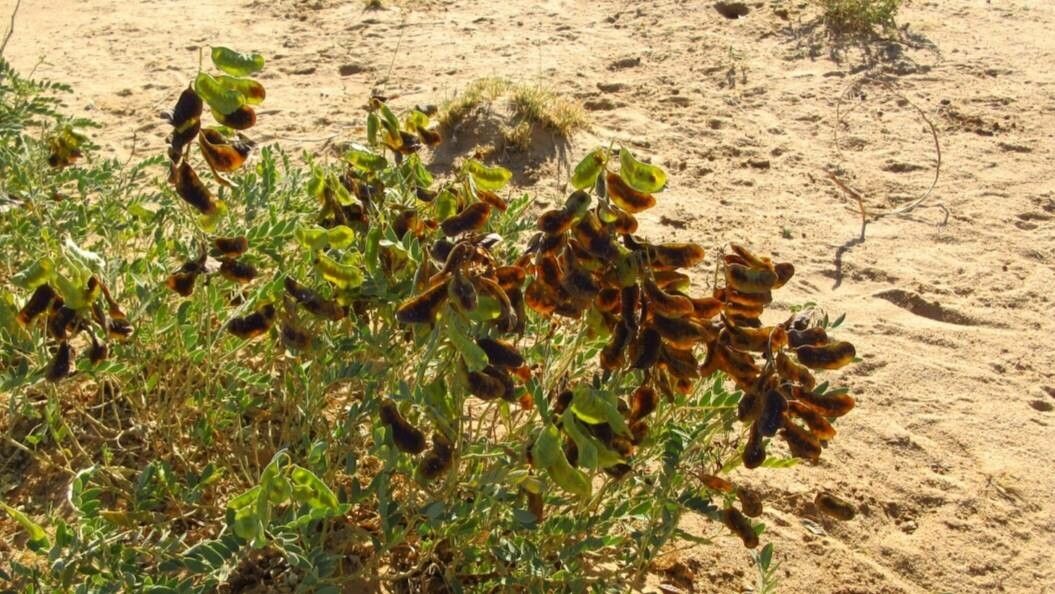
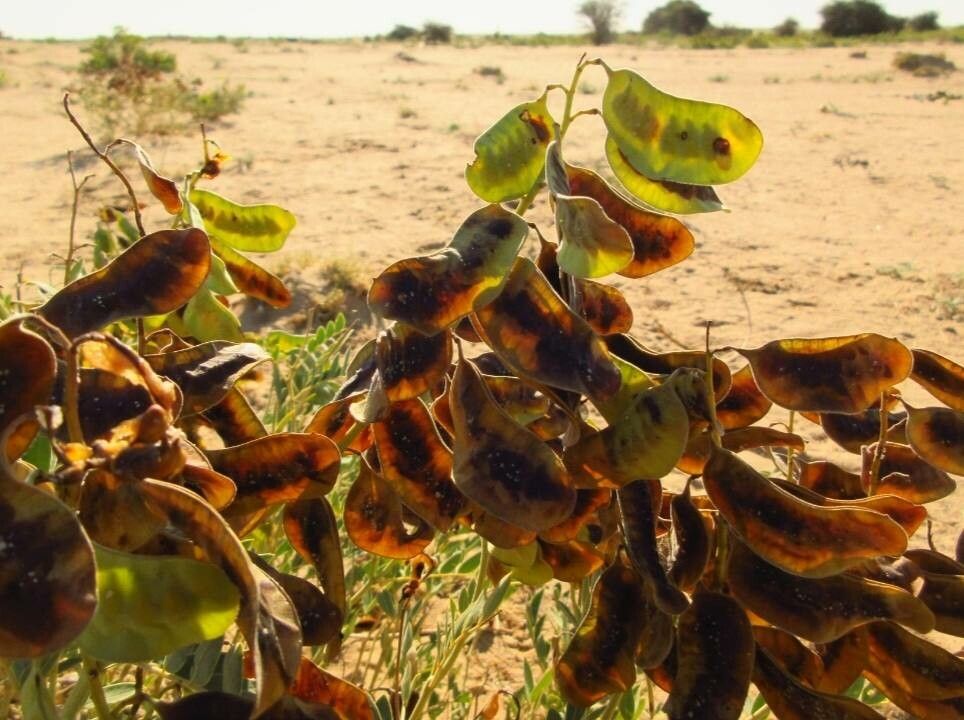
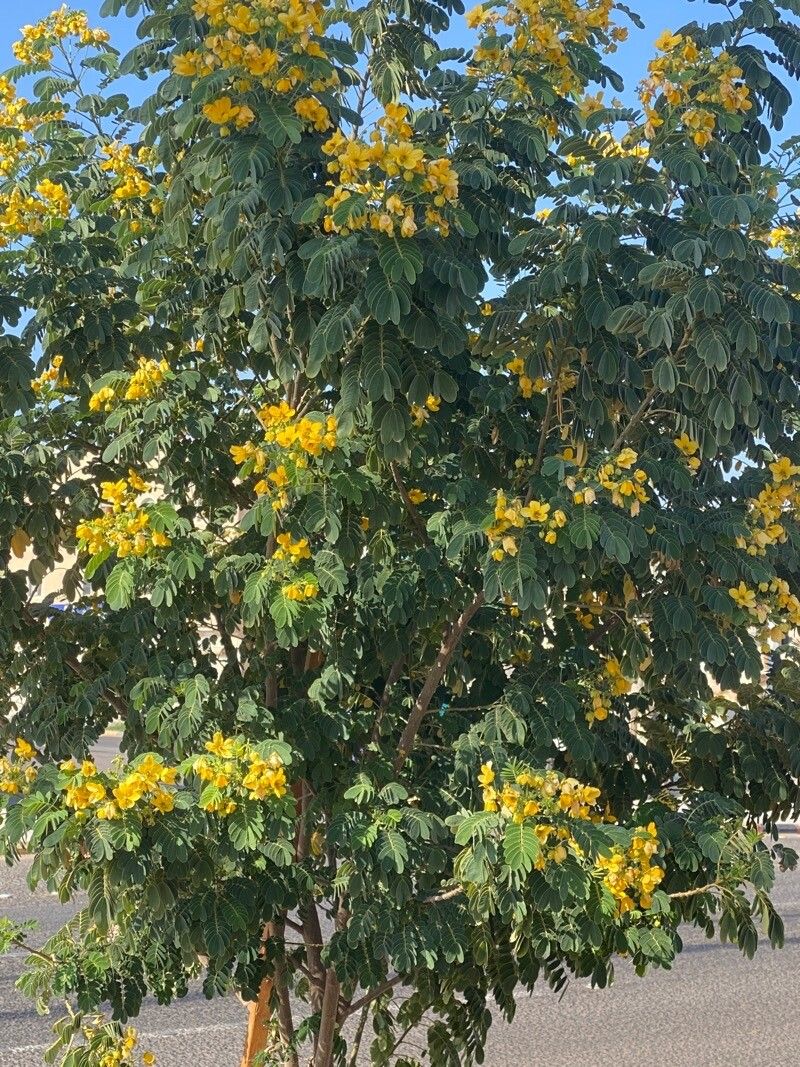
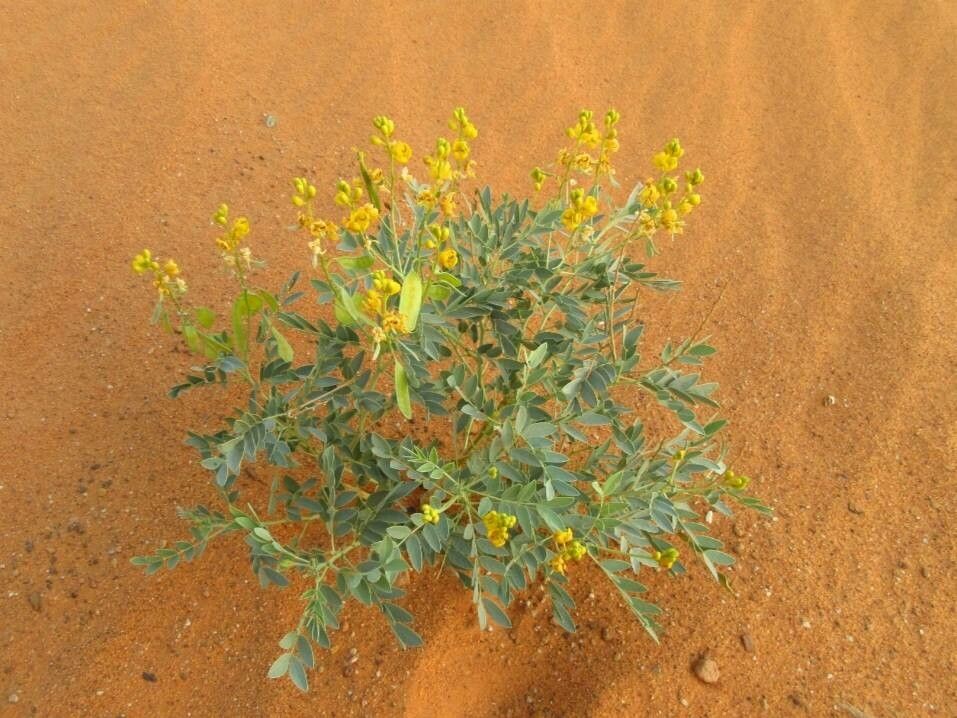
Senna italica, commonly known as Italian senna or Port Royal senna, is a flowering plant in the Fabaceae family. It is native to the Mediterranean region and can be found in various parts of Europe, Asia, and Africa. The plant can grow up to 2 meters tall and features a woody stem with numerous branches.
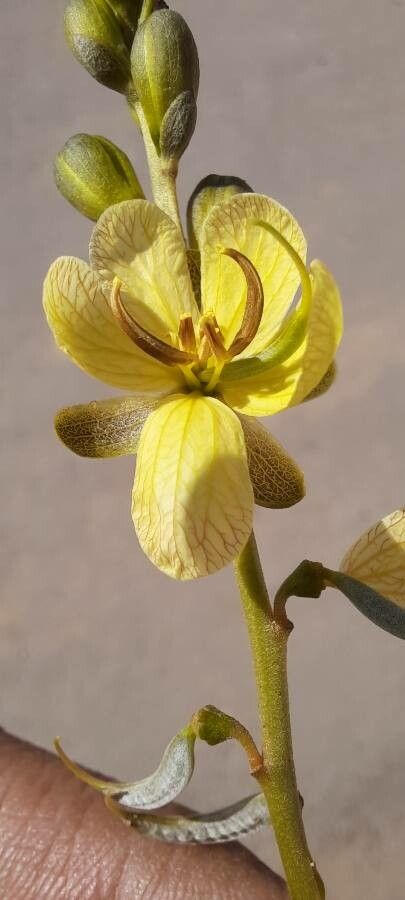
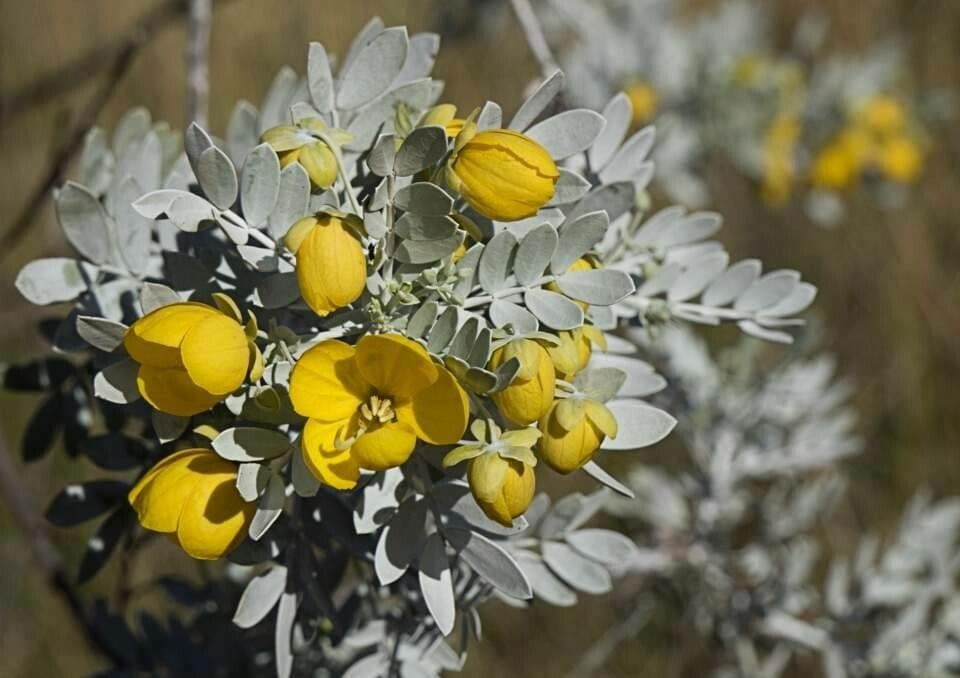
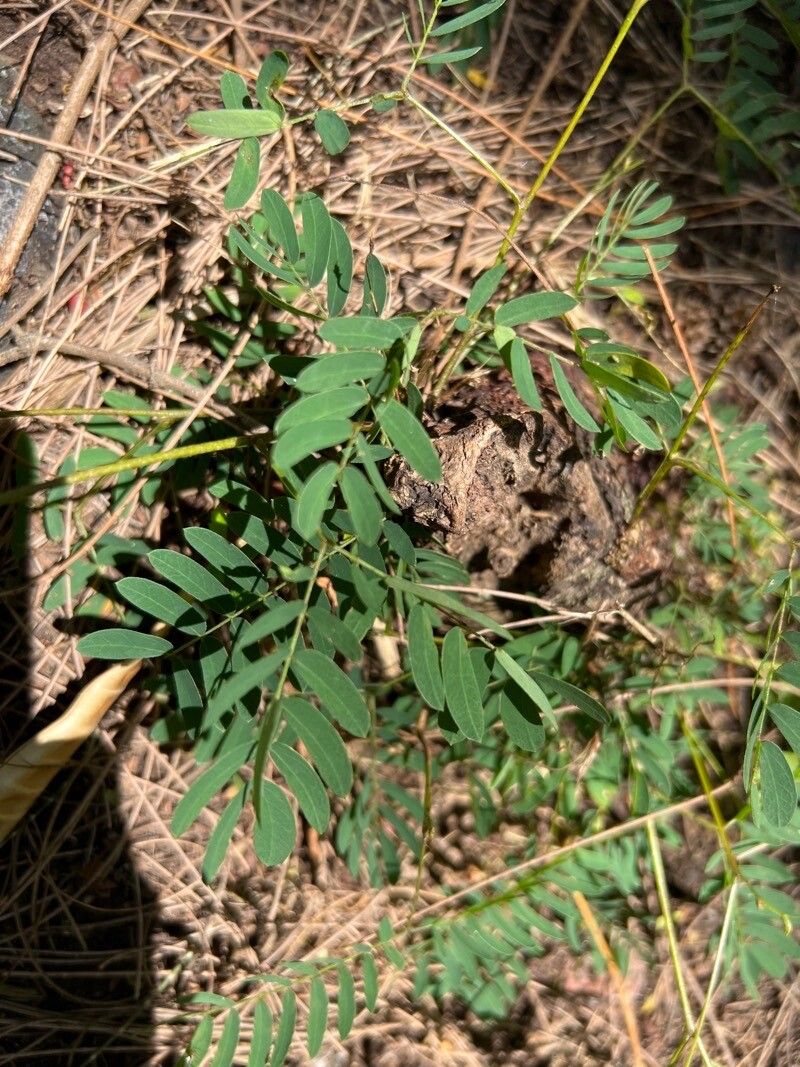
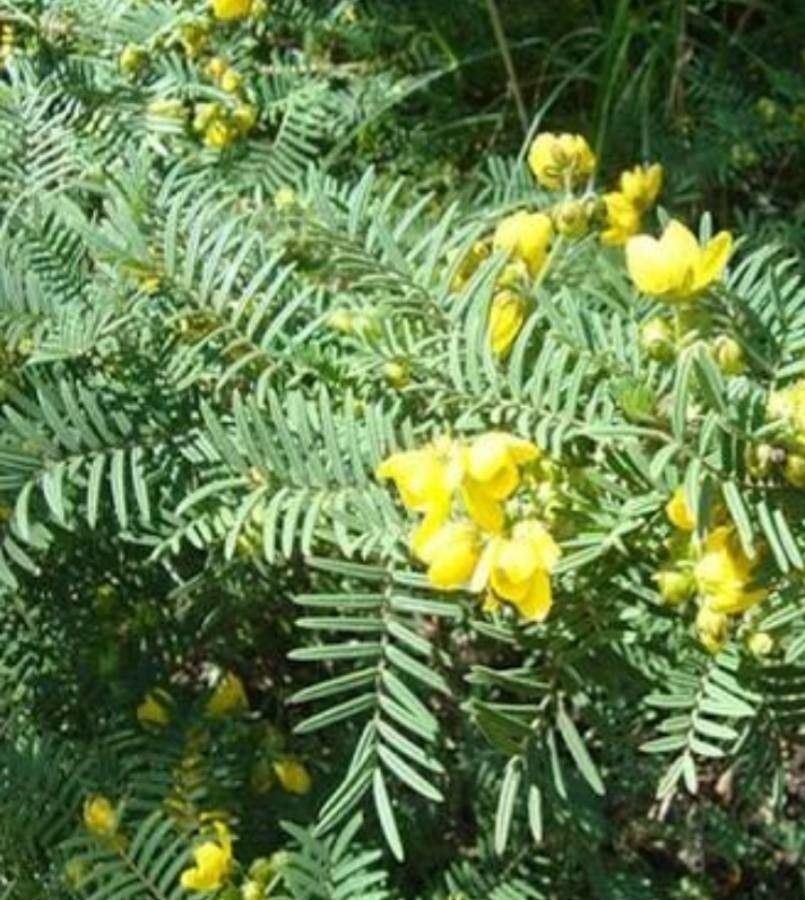
The leaves of Senna italica are pinnate, consisting of 4-6 pairs of oblong leaflets. Its yellow flowers bloom from June to September and grow on long spikes that emerge from the axils of the leaves.
Senna italica has been used for medicinal purposes for centuries due to its laxative properties. It contains anthraquinone glycosides, which stimulate bowel movements and help relieve constipation.
The plant is also highly valued as a fodder crop for livestock because of its high protein content. Additionally, Senna italica is effective in soil conservation, as it can fix nitrogen into the soil, thereby enhancing fertility.
Overall, Senna italica is an important plant species with various uses, ranging from medicinal purposes and livestock feed to soil conservation efforts, making it significant both ecologically and economically.
Port royal senna is fairly disease-resistant and usually not prone to illnesses. Still, it can be affected by pests and diseases present in its environment. Such infections are generally mild. In terms of care, the plant needs moderate maintenance. Regular pruning is required to keep a neat appearance and promote healthy growth. Fertilizing can also encourage flowering. Port royal senna is appropriate for anyone with outdoor space, such as a garden or patio, and does not demand extensive experience in plant care. It may need more attention when grown indoors.
How to keep Senna Italica.
Light
Port royal senna is a perennial herbaceous plant that favors sunny conditions and comes from open habitats, commonly thriving in meadows and grasslands. It prefers full sun but can also tolerate partial sun.
Temperature
Port royal senna originates in tropical regions, where the climate is usually warm and humid. As such, it is well adapted to high temperatures and humidity. It does not tolerate sudden temperature changes and prefers a stable temperature environment, so it is important to avoid temperature fluctuations indoors. It generally cannot withstand cold temperatures and requires higher temperatures for growth. If the environmental temperature falls too low, the plant may stop growing or even die.
Fertilizer
The best time to fertilize a Port royal senna is in early spring as it breaks dormancy. This stimulates overall growth and flower development. Fertilization improves the foliage, stems, and branches, while encouraging large, vibrant, long-lasting flowers. It helps transport nutrients from the roots to the blooms and enhances the plant’s health and resistance to disease.
Botanical profile.
- Plant Type
- Shrub, Herb
- Life Cycle
- Perennial
- Genus
- Senna
- Family
- Fabaceae
- Hardiness Zone
- 9-11
- Mature Height
- 30 cm to 91 cm
- Mature Spread
- 49 cm to 91 cm
- Leaf Color
- Light Green, Olive Drab
- Leaf Type
- Deciduous
- Flower Color
- Yellow
- Flower Size
- 2.03 cm to 3.05 cm
- Bloom Time
- Summer, Early fall, Mid fall
- Planting Time
- Spring, Summer, Autumn
- Harvest Time
- Late summer, Fall, Early winter
- Native Area
- Sri Lanka, Libya, Somalia, Egypt, India, Djibouti, Burkina Faso, Angola, United Arab Emirates, Namibia, Eritrea, Pakistan, Nigeria, Morocco, Yemen, Kenya, Uganda, Niger, Tanzania, Zimbabwe, Mali, Iraq, Cameroon, Mozambique, Oman, Ethiopia, Qatar, Botswana, Central African Republic, Saudi Arabia, South Africa, Sudan, Mauritania, Chad, Lebanon, Syria, Israel, Senegal, Eswatini, Iran, Algeria, Gambia
Other names.