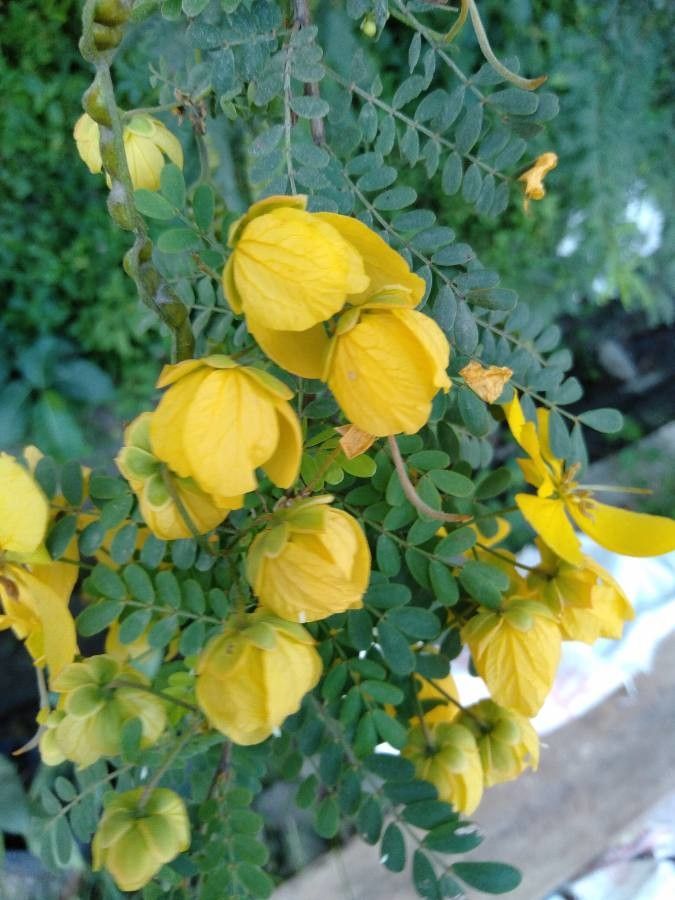
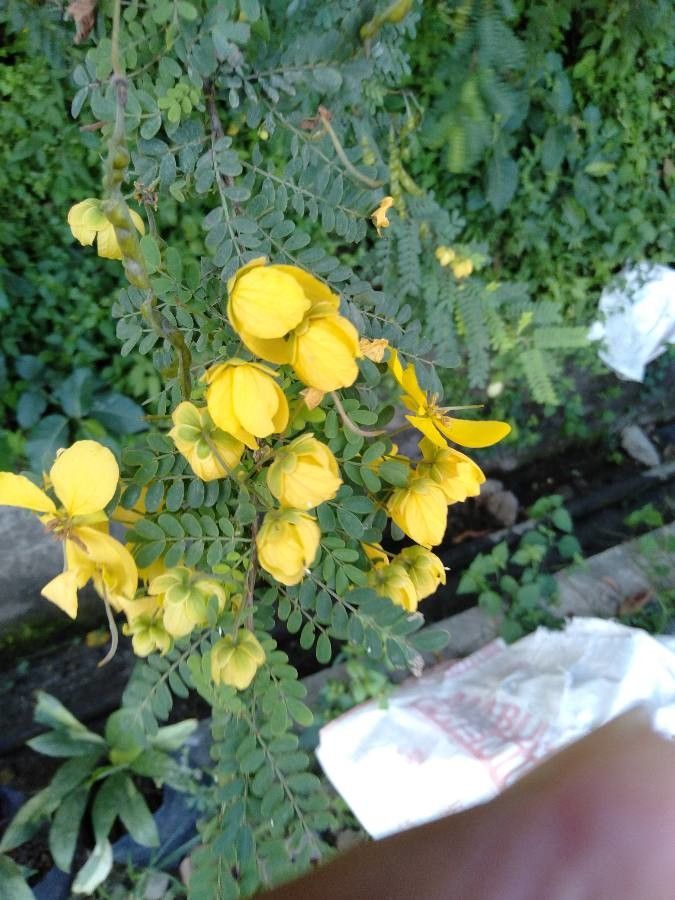
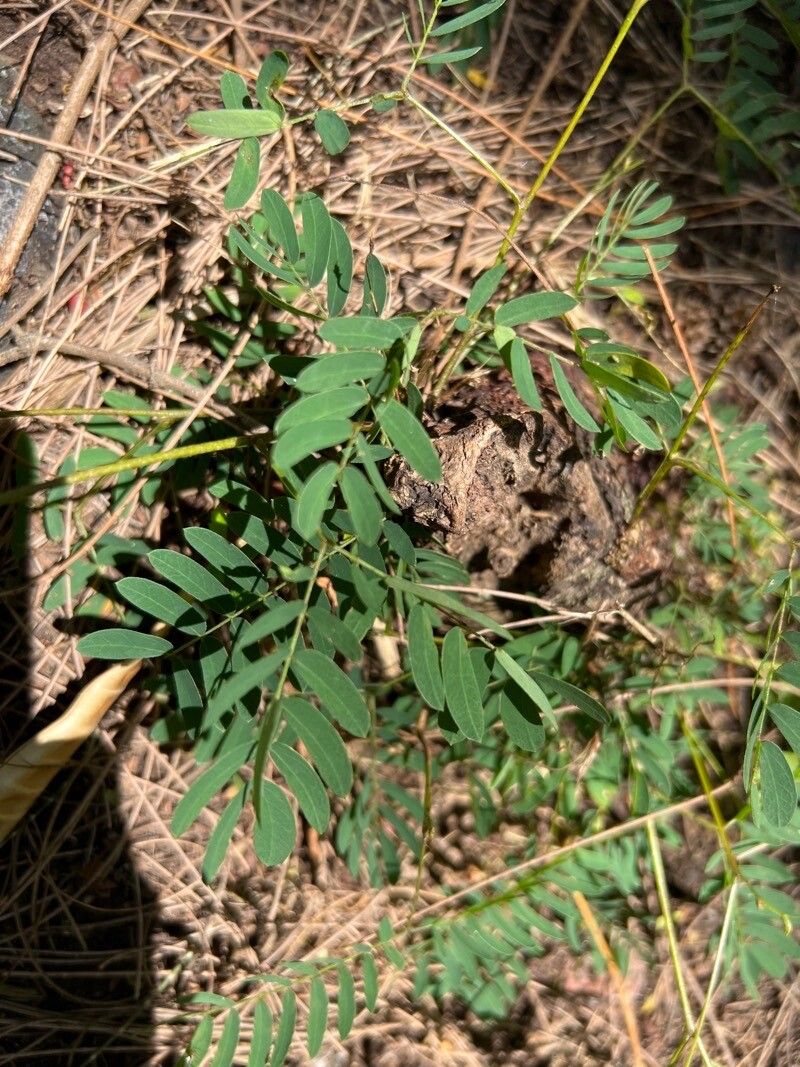
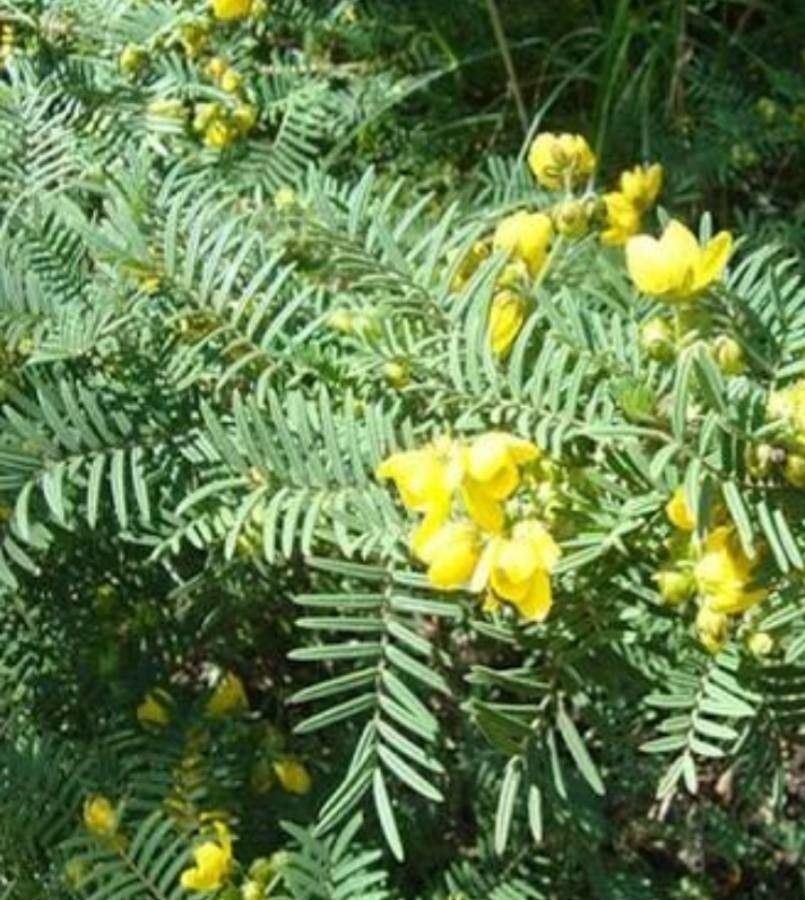
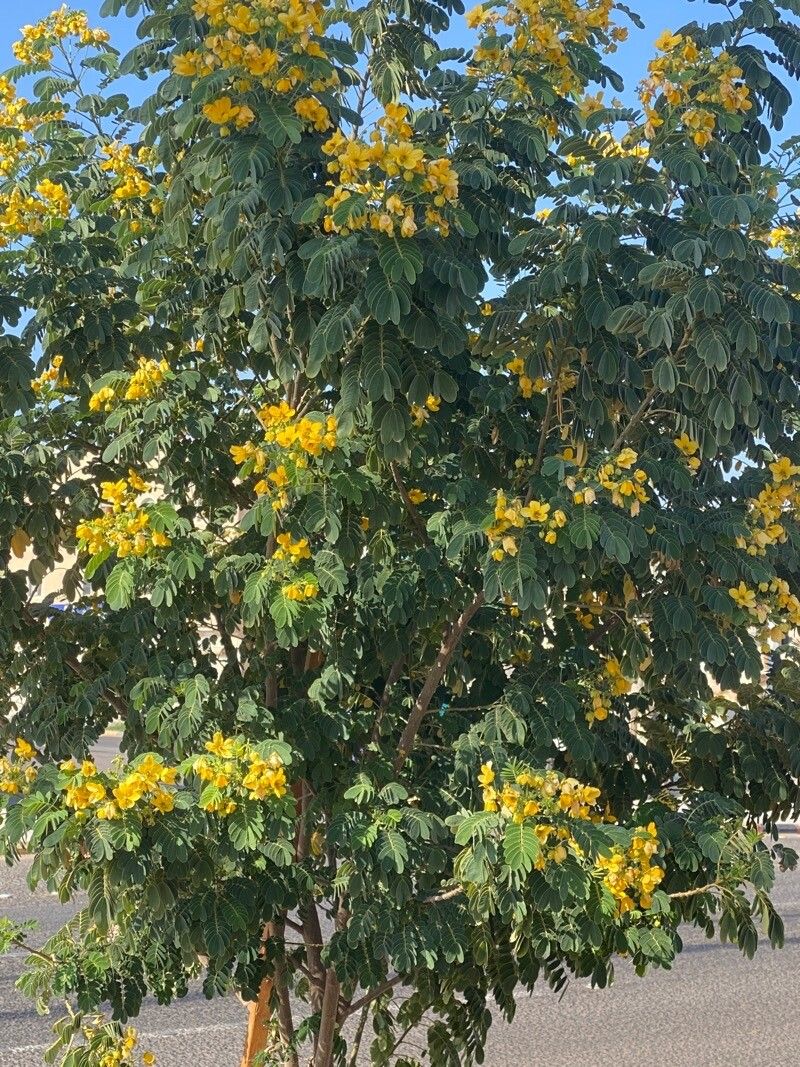
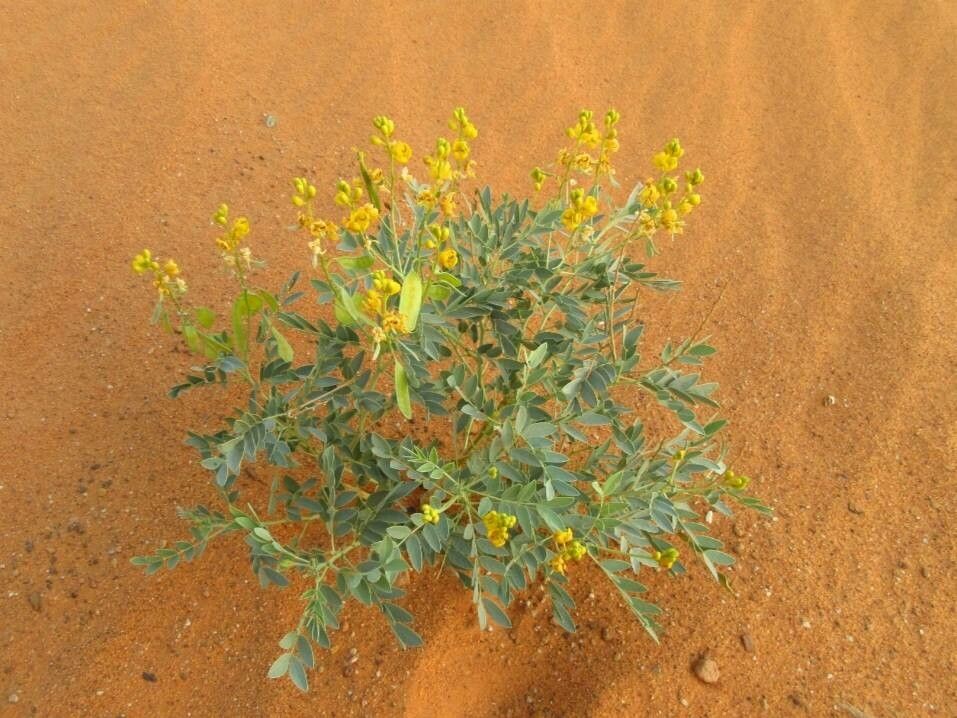
Twin-flowered cassia is resistant to disease and is generally not susceptible to illnesses. Regarding care, this plant is fairly low-maintenance. When grown outdoors it needs only minimal watering, and larger plants normally do not require pruning. Smaller plants, however, should be pruned after they finish blooming. Twin-flowered cassia is well suited to anyone with outdoor space, such as a garden or deck, and does not demand a lot of gardening experience.
How to keep Senna Pallida.
Light
Twin-flowered cassia comes from open habitats, like sunny meadows and the edges of forests, which offer plenty of light. It flourishes in Full Sun but can also tolerate Partial Sun, adapting readily to different light levels.
Temperature
Twin-flowered cassia comes from tropical areas, where the climate is generally warm and humid. As a result, it is well suited to high temperatures and humidity. It does not tolerate sudden temperature changes and prefers a stable thermal environment, so it is important to avoid temperature fluctuations indoors. It usually cannot withstand cold temperatures and requires warmer conditions for growth. If the surrounding temperature falls too low, the plant may stop growing or even die.
Fertilizer
The best time to fertilize a Twin-flowered cassia is in early spring, as it breaks dormancy. This supports overall growth and flower development. Fertilization improves the foliage, stems, and branches, and encourages flowers that are large, vibrant, and long-lasting. It helps transport nutrients from the roots to the blooms and enhances the plant’s health and resistance to disease.
Pruning
To ensure the healthy growth of Senna pallida, it is important to prune it in early spring. Begin by removing any dead branches and then shape the plant to improve its form. This will enhance air circulation, reduce the risk of disease, stimulate flowering, and help control the plant's size. Always use clean, sharp tools for pruning to maintain the plant's health and vigor.
Botanical profile.
- Plant Type
- Shrub
- Life Cycle
- Perennial
- Genus
- Senna
- Family
- Fabaceae
- Hardiness Zone
- 9-11
- Mature Height
- 0.91 m to 3.05 m
- Mature Spread
- 0.91 m to 2.13 m
- Leaf Color
- Green, Dark Green
- Leaf Type
- Evergreen
- Flower Color
- Yellow
- Flower Size
- 2.03 cm to 3.05 cm
- Bloom Time
- Summer, Early fall, Mid fall
- Planting Time
- Spring, Summer
- Harvest Time
- Late summer, Fall, Early winter
- Native Area
- Colombia, Bahamas, Belize, Cuba, Honduras, Mexico, Guatemala, Venezuela, Peru, Brazil, Nicaragua, Costa Rica, Panama
Reader questions.
What are the sunlight requirements for Senna pallida?
Senna pallida thrives under specific sunlight conditions to ensure optimal growth and health. The plant requires 'full sun,' which means it should be placed in a location where it receives above 6 hours of sunlight daily. Alternatively, it can also grow under 'partial sun' conditions, where it would get about 3-6 hours of sunlight each day. It's important to observe the way sunlight moves through your garden over the course of the day. Identifying spots that offer the right mix of light and shade will help keep your Senna pallida plants healthy and happy.