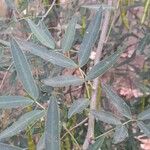
Senna pendula
Easter cassia · Valamuerto · Christmas senna · Golden shower · Senna
Description
Source: leafsnapSenna pendula, also known as Easter Cassia, Christmas Senna, winter Senna, climbing Cassia, golden shower, pendant Senna and valamuerto, is a plant of the Fabaceae family with a shrub habit that is native to South America. It used in various parts of the world as an ornamental plant and is an environmental weed in Australia. The flowers are yellow and the name pendula means 'pendulous' or 'drooping'.
Care Guide
💧 Water
Valamuerto, a plant native to tropical regions, prefers consistent moisture and has some tolerance for moderate drought. It thrives in humid environments and should be watered every 2-3 weeks, ensuring the soil remains lightly moist. In warm climates, mulching can help retain soil moisture during the hot season.
☀️ Light Full sun
Valamuerto needs a plentiful supply of light for healthy growth and can tolerate environments with no shade. Native to areas where light is abundant, the plant does well in those conditions. Too much or too little light may hinder its development and lead to unhealthy manifestations.
What are the sunlight requirements for Valamuerto?
Valamuerto requires an abundance of light to flourish, thriving best in conditions mimicking its natural, light-abundant habitat. It needs full sun, which is above 6 hours of sunlight daily, for healthy growth, but it can also adapt to partial sun conditions, receiving about 3-6 hours of sunlight. Choosing the proper spots that provide a balance of light and shade is crucial for the plant's health. Inadequate light can lead to unhealthy growth patterns.
How can artificial lighting be used for Valamuerto indoors?
Indoor Valamuerto plants may require artificial lighting to ensure optimal growth, especially when natural sunlight is insufficient. Adequate lighting promotes faster, healthier growth. LED lights are recommended because they can be customized to provide specific wavelengths needed by the plants. Full sun plants should have 30-50W/sq ft of artificial light, partial sun plants 20-30W/sq ft, and full shade plants 10-20W/sq ft. It's essential to place the light source 12-36 inches above the plant and provide 8-12 hours of light per day to mimic natural daylight hours.
What are the key symptoms of inadequate light for Valamuerto?
When Valamuerto receives insufficient light, several symptoms might manifest, including smaller new leaves, leggy or sparse growth, faster leaf drop, slower or halted new growth, lighter-colored new leaves, and conditions such as chlorosis, sunscald, leaf curling, wilting, and leaf scorching. These symptoms indicate the need for better lighting conditions to promote healthy growth and development.
What solutions can address Valamuerto's light deficiency?
To address light deficiency in Valamuerto plants, gradually move indoor plants to sunnier locations or use artificial light to ensure they receive at least 6 hours of direct sunlight daily. Outdoor plants should also be moved gradually to avoid sunburn. Reducing obstructions and transplanting smaller plants during their dormant period to sunnier locations can significantly benefit their exposure to sunlight. Remember, while parts of the plant that have suffered due to insufficient light might not recover, new growth will be healthy with improved light conditions.
🌡️ Temperature 5–32.2°C
Valamuerto originates from temperate areas and prefers temperatures between 41 to 90°F (5 to 32℃). It can tolerate different conditions, though more extreme weather may call for particular care.
What are the ideal temperature conditions for Valamuerto?
Valamuerto thrives in temperate regions and prefers temperatures ranging from 41 to 90°F (5 to 32°C). It is capable of adjusting to varying weather conditions, but in more extreme climates, special care may be required. Despite its high tolerance for cold, Valamuerto does not need extra frost protection in winter. To help the plant through winter and early spring, it's advisable to water it generously before the first freeze in autumn so that the soil remains moist when frozen.
How does cold weather affect Valamuerto, and what are the solutions?
Valamuerto is extremely tolerant to cold conditions, but it's important to keep winter temperatures above -30°C. If temperatures fall below this mark, there may not be any visible damage during winter, but come spring, branches might become brittle and dry with no new shoots appearing. The recommended solution for this issue is to prune away any dead branches in the spring that haven't produced new leaves.
What should I do if Valamuerto is exposed to high temperatures?
Valamuerto struggles in high temperatures, especially when it exceeds 32°C, leading to significant leaf drop or, in worse cases, the entire plant withering and dying. To mitigate damage from high temperatures, trim away sunburned and dried-up parts of the plant. It's also helpful to move the plant to a shaded location during the midday and afternoon sun or use a shade cloth. Ensuring the soil remains moist by watering in the morning and evening is also beneficial.
What is the botanical name of Valamuerto?
The botanical name of Valamuerto is Senna pendula.
💨 Humidity
🪴 Soil 5-7
🌱 Fertilizer
Timing is critical when fertilizing Valamuerto. Begin in early spring and apply fertilizer once a month through early summer. Fertilizer encourages lovely blooms and supplies energy both during dormancy and periods of active growth.
🪴 Pot & Repot Every 12 months
✂️ Pruning
Valamuerto has a pendulous growth habit and showcases vibrant yellow flowers. To encourage new growth and maintain shape, prune the plant from early to late winter. Remove any dead branches and thin out dense areas to improve air circulation, which will enhance bloom quality and plant vigor while preventing fungal problems.
🌿 Propagating
🐛 Diseases & pets
☠️ Toxicity
Characteristics
- Plant Type
- Tree, Vine, Shrub
- Life Cycle
- Perennial
- Genus
- Senna
- Family
- Leguminosae
- Hardiness Zone
- 4-7
- Mature Height
- 0.91 m to 3.96 m
- Mature Spread
- 3.96 m
- Leaf Color
- Green, Blue
- Leaf Type
- Evergreen
- Flower Color
- Yellow, Gold
- Flower Size
- 3.05 cm to 4.06 cm
- Bloom Time
- Spring, Late summer, Fall, Winter
- Planting Time
- Spring
- Harvest Time
- Spring, Early summer, Fall, Winter
- Native Area
- Colombia, Mexico, Bolivia, Venezuela, Brazil, Ecuador