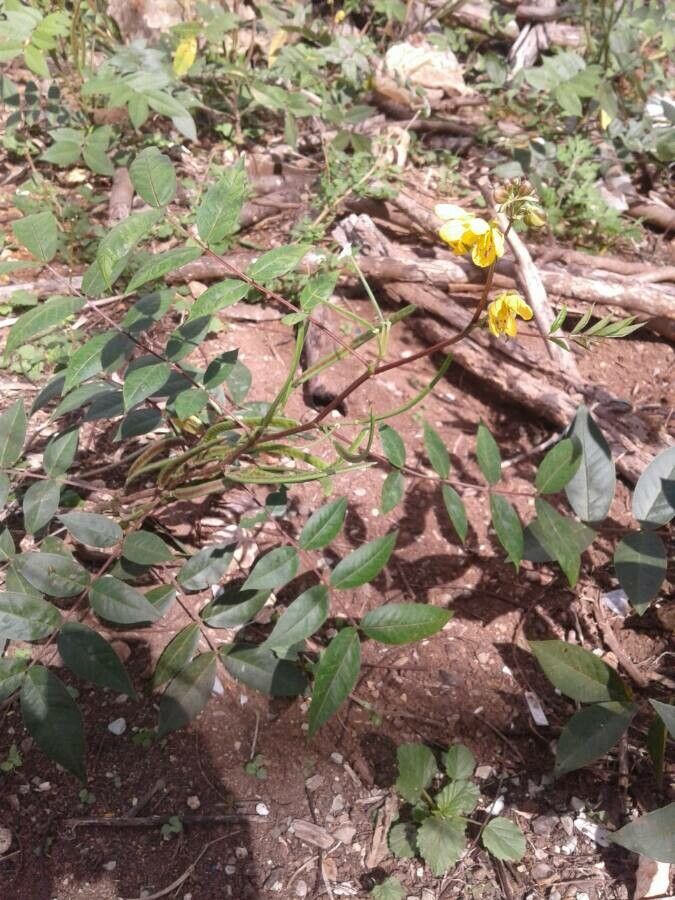
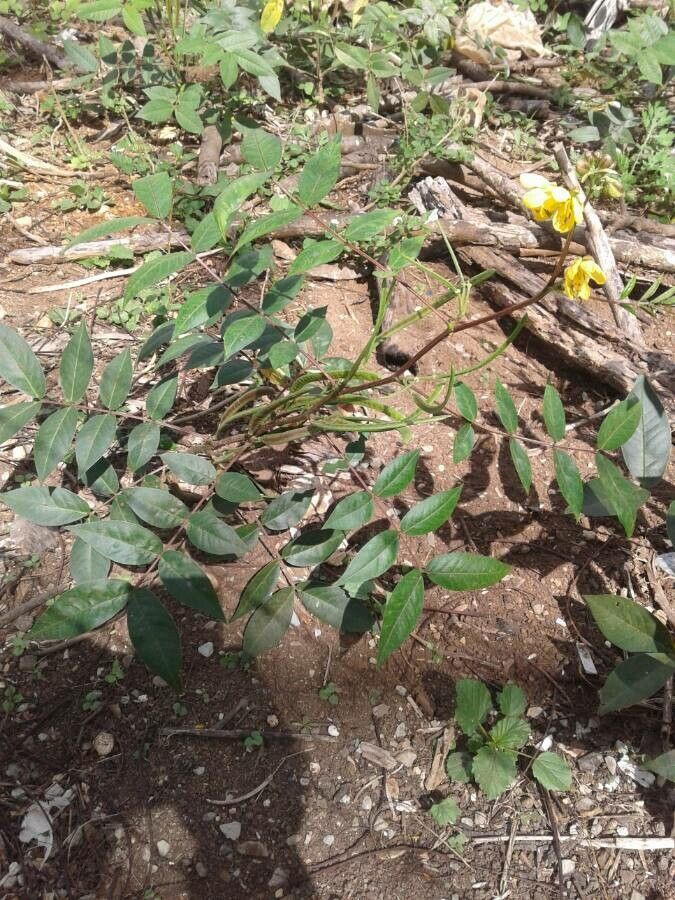
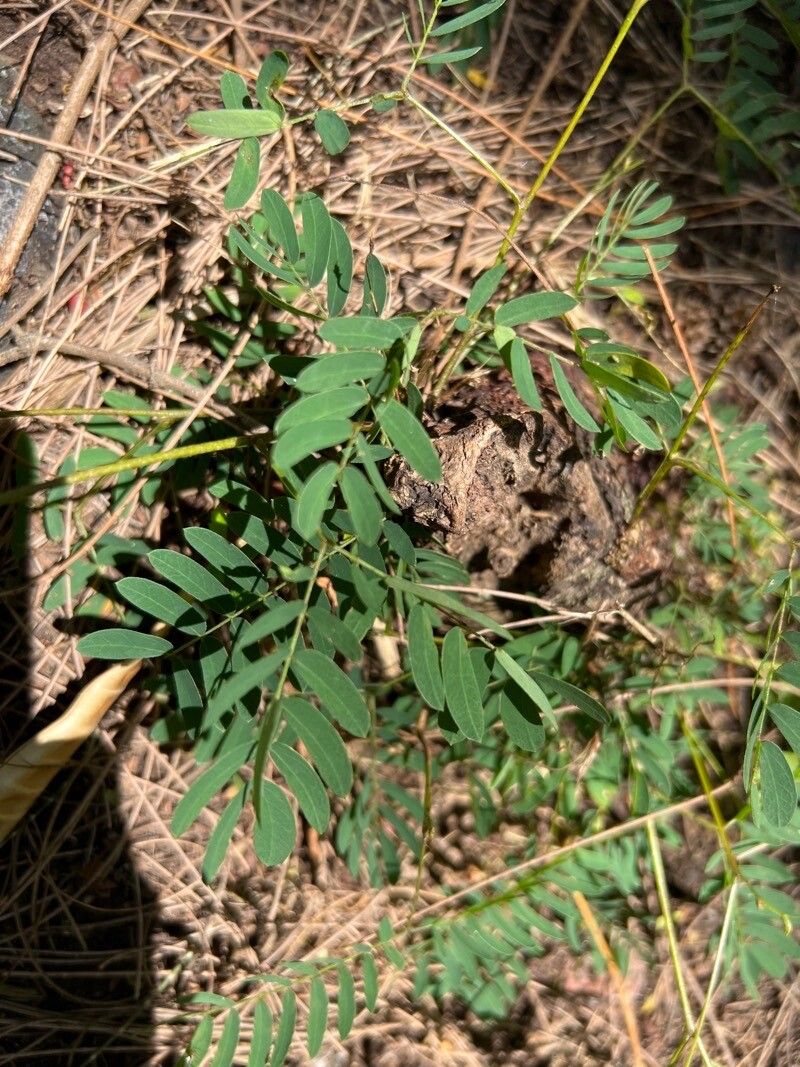
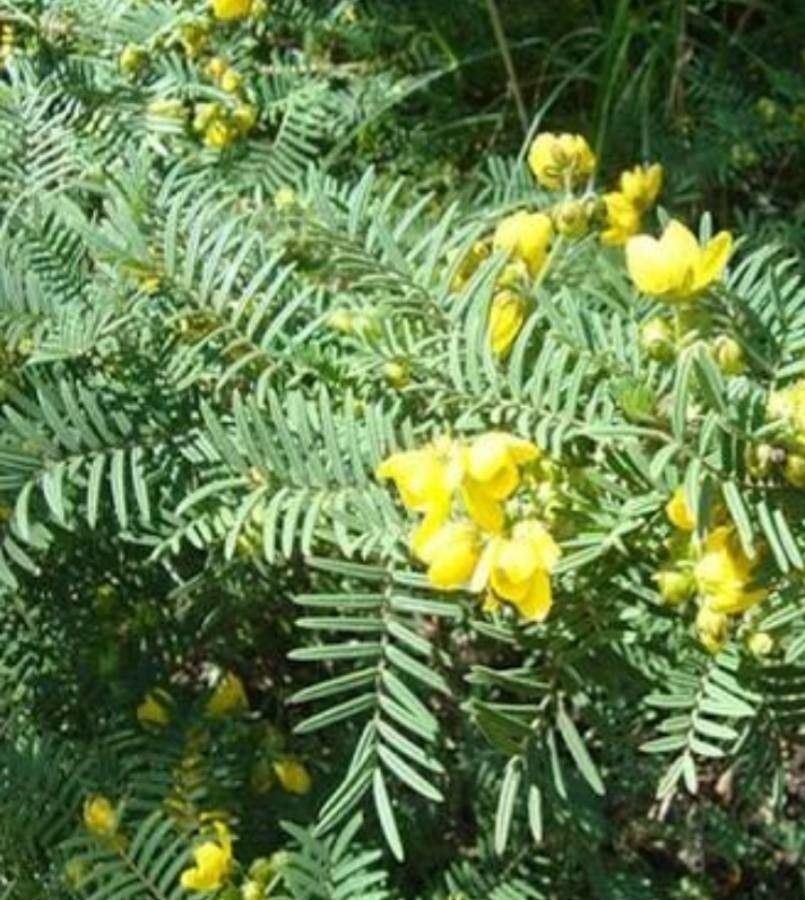
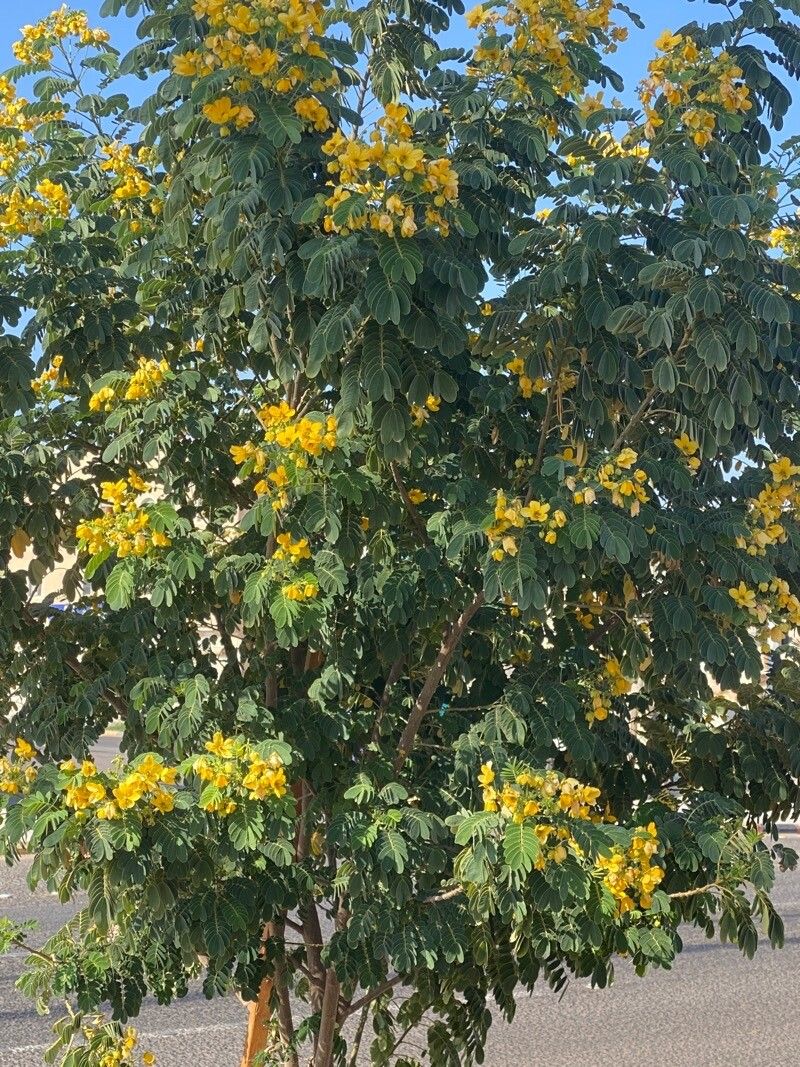
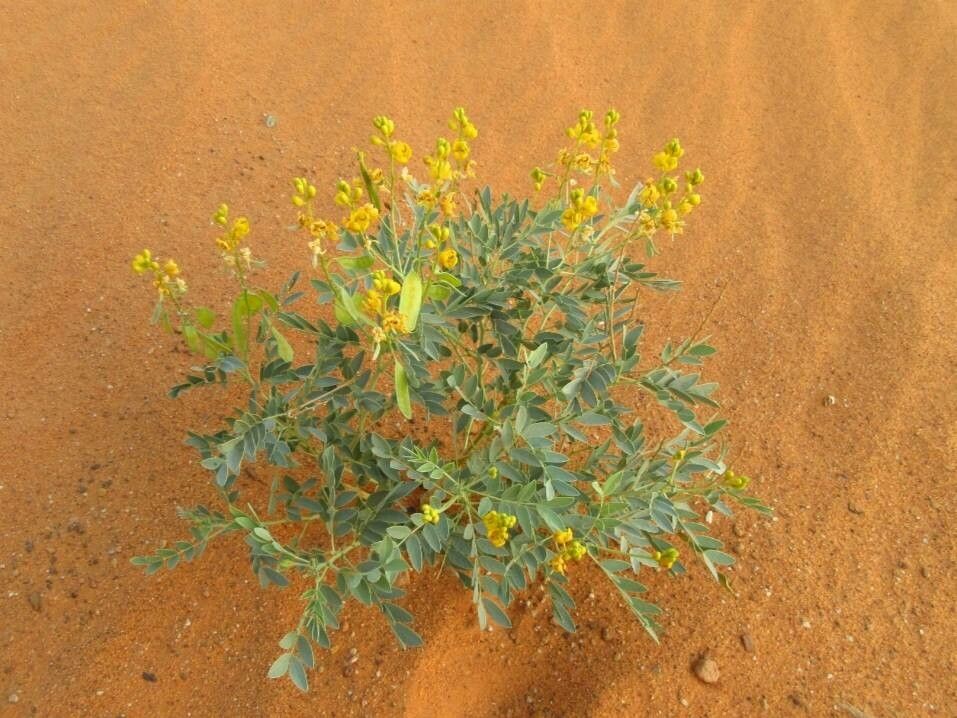
Senna septemtrionalis, the arsenic bush, is a plant species in the genus Senna.
Arsenic bush is resistant to disease and typically not susceptible to illnesses. For care, this plant is fairly low-maintenance. When grown outdoors it needs only light watering, and larger specimens usually do not require pruning. Smaller plants, however, should be cut back after they finish blooming. Arsenic bush is appropriate for anyone with outdoor space, such as a garden or a deck, and does not call for extensive gardening experience.
How to keep Senna Septemtrionalis.
Light
Arsenic bush grows best in conditions where it can absorb a substantial amount of sunlight during the day. It can still survive in areas where the sunlight is somewhat scattered. However, both too much and too little light exposure can negatively affect its health and growth.
Water
The arsenic bush thrives in semi-arid environments due to its ability to store water and tolerate drought. It only needs watering every 2-3 weeks, making it ideal for xeriscaping and low-water gardens. Its resilient nature enables it to flourish throughout different seasons, handling intermittent moisture with ease.
Temperature
Arsenic bush comes from tropical areas, where the climate is generally warm and humid. As a result, it is well suited to high temperatures and moisture. It does not tolerate sudden temperature changes and prefers a steady temperature range, so it is important to avoid fluctuations indoors. It typically cannot withstand cold and requires warmer conditions to grow. If the ambient temperature drops too low, the plant may stop growing or even die.
Fertilizer
The best time to fertilize an Arsenic bush is in early spring as it breaks dormancy. This encourages overall growth and flower development. Fertilizing improves foliage, stems, and branches, and encourages flowers that are large, vibrant, and long-lasting. It helps move nutrients from the roots to the flowers and boosts the plant’s health and resistance to disease.
Pruning
To ensure that your arsenic bush thrives, it's important to prune it in early spring. Start by removing any dead branches, then shape the plant for even growth and thin it out to improve air circulation. Concentrate on maintaining its natural shape and trim back new growth to encourage density. Always use clean, sharp tools to keep the plant healthy and prevent overgrowth.
Botanical profile.
- Plant Type
- Tree, Shrub
- Life Cycle
- Perennial
- Genus
- Senna
- Family
- Fabaceae
- Hardiness Zone
- 9-11
- Mature Height
- 0.91 m to 6.4 m
- Mature Spread
- 0.91 m to 2.13 m
- Leaf Color
- Green, Dark Green
- Leaf Type
- Deciduous
- Flower Color
- Yellow
- Flower Size
- 1.52 cm to 7.62 cm
- Bloom Time
- Summer, Early fall, Mid fall
- Planting Time
- Spring, Summer, Autumn
- Harvest Time
- Late summer, Fall, Early winter
- Native Area
- Colombia, Honduras, Mexico, Guatemala, Mozambique, Venezuela, Peru, Brazil, El Salvador, Nicaragua, Ecuador, Costa Rica, Panama
Other names.
Reader questions.
What are the sunlight requirements for an Arsenic bush?
The Arsenic bush (Senna septemtrionalis) thrives best when it receives more than 6 hours of sunlight daily, which qualifies as full sun exposure. It can also withstand partial sun conditions, which amount to about 3-6 hours of sunlight daily. Observing how sunlight moves through your garden can help in choosing the best spots that offer a balance of light and shade, ensuring the plants' well-being.
What is the botanical name of Arsenic bush?
The botanical name of Arsenic bush is Senna septemtrionalis. This plant is known by its common name, Arsenic bush, but scientifically it is referred to as Senna septemtrionalis.
What essential conditions does Arsenic bush need to grow?
Arsenic bush requires an environment where it can enjoy ample sunlight throughout the day for optimal growth. This plant is adaptable and can survive in areas with scattered sunlight, but its health and growth might be adversely affected by conditions of too much or too little light exposure. In situations where natural sunlight is insufficient, particularly during winter or in less sunny spaces, artificial lighting can provide a suitable alternative. The use of LED lights, which can be customized to provide specific wavelengths that plants need, is advisable. Full sun plants, like the Arsenic bush, may need 30-50 watts per square foot, partial sun plants 20-30 watts per square foot, and full shade plants 10-20 watts per square foot of artificial light. It's recommended to place the light source 12-36 inches from the plant and ensure it receives 8-12 hours of light daily to mimic natural sunlight conditions.
What are the symptoms of insufficient light in Arsenic bush and how can they be addressed?
In conditions of inadequate lighting, an Arsenic bush may exhibit various symptoms such as smaller new leaves, leggy or sparse growth, accelerated leaf drop, slower or halted new growth, lighter-colored new leaves, chlorosis, sunscald, leaf curling, wilting, and leaf scorching. To combat these issues, gradually acclimate your plant to brighter conditions, aiming for at least 6 hours of direct sunlight daily. If moving the plant is not feasible, consider using artificial lighting such as desk lamps or professional grow lights for a minimum of 8 hours daily. For outdoor plants, identify and minimize sun obstructions like overhanging branches and consider transplanting smaller plants during their dormant period to more sunlit areas. Note that parts of the plant damaged by light deficiency may not recover, but new growth should be healthy once proper light conditions are restored.