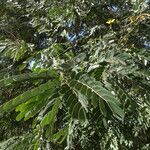
Senna siamea
Yellow cassia · Ironwood Cassia · Kassod Tree · Mjohoro · Siamese cassia
Description
Source: leafsnapSenna siamea, also known as Siamese cassia, kassod tree, cassod tree and cassia tree, is a legume in the subfamily Caesalpinioideae. It is native to South and Southeast Asia, although its exact origin is unknown.It is a medium-size, evergreen tree growing up to 18 m (60 ft) with yellow flowers. It is often used as shade tree in cocoa, coffee and tea plantations. In Thailand it is the provincial tree of Chaiyaphum Province and some places in the country are named after it. Leaves are alternate, pinnately compound, with slender, green-reddish, tinged axis and 6 to 12 pairs of leaflets on short stalks, rounded at both ends.
Care Guide
💧 Water
Siamese cassia, a plant native to the tropics, thrives in environments with consistent moisture and high humidity. While it demonstrates some tolerance to drought, it benefits from being watered every 2 to 3 weeks, allowing the soil to partially dry out between waterings. In warm climates, its growth is greatly influenced by rainfall patterns, so additional irrigation is needed during dry periods.
How should I water my Siamese cassia plant?
Your Siamese cassia is not demanding when it comes to watering methods. Almost any common watering tool, such as a watering can, hose, or cup, will work fine when you need to hydrate the soil. It's recommended to apply the water directly to the soil, ensuring equal moisture distribution to all areas, to nourish the entire root system. Using filtered water is a good idea, as tap water may contain harmful particles. Similarly, it's beneficial to use water that is at or slightly above room temperature, as extremely hot or cold water can be a bit shocking for the Siamese cassia. However, this plant generally responds well to any type of water you provide.
What should I do if I give too much or too little water to my Siamese cassia?
Outdoor plants, especially newly planted ones or seedlings, are prone to lack of watering. It's important to remember to water them enough for the first few months, especially when the plant is small or newly planted. Once the roots are established, Siamese cassia plants can rely on rain most of the time. When Siamese cassia plants are in pots, overwatering is more likely to happen. If you accidentally overwater your Siamese cassia, you should take immediate action to fix it. First, stop watering the plant right away to minimize the impact of overwatering. Then, remove the plant from its pot to inspect the roots. If you find no signs of root rot, you can return the plant to its container. However, if you do see root rot, trim away the affected roots and consider applying a fungicide to prevent further damage. Lastly, repot the Siamese cassia in well-draining soil. In the case of underwatering, simply water the Siamese cassia plant more frequently. Underwatering is usually easy to fix, as the leaves will droop and dry out, but they will regain fullness after sufficient watering. It's important to correct your watering frequency as soon as you notice underwatering occurring.
How frequently do I need to water my Siamese cassia?
If your area gets enough rainfall, most outdoor plants can grow naturally without extra watering. However, if you live in an area with little rainfall, you should water your plants every 2 weeks in the spring and fall. In the summer, you'll need to water more often. In the winter, when plants grow slower and need less water, you can water less frequently or not at all. If you have a young or newly planted Siamese cassia, it's important to water it more often to help it establish and grow into a drought-tolerant plant. For potted plants, there are two ways to determine how often to water your Siamese cassia. The first way is to follow a set watering schedule, such as once a week or once every other week. However, this may not always work because it doesn't take into account the specific conditions for your plant. The second approach is to check the moisture level of the soil. Wait until the top two to four inches of soil, about ⅓ to ½ the depth of the pot, have completely dried out before watering again. Keep in mind that during the summer, the plant will need more frequent watering than the predetermined schedule suggests.
How much water does my Siamese cassia plant need?
Watering your Siamese cassia doesn't always require a large amount of water. If only a few inches of soil have dried since the last watering, you can support healthy growth by giving it about five to ten ounces of water. You can also gauge the water volume based on soil moisture. Take note of how many inches of soil have dried out between waterings. To ensure your Siamese cassia gets enough moisture, water until all dry soil layers are moistened. If more than half of the soil is dry, give more water than usual, continuing until you see excess water draining from the pot's holes. If your Siamese cassia receives ample rainfall outdoors, additional watering may not be necessary. For young and establishing plants, aim for 1-2 inches of rain per week. As it grows, it can rely solely on rainwater, except during hot weather with no rain for 2-3 weeks, when a full watering should be considered to prevent stress.
How do I know if I'm giving enough water to my Siamese cassia plant?
Overwatering is a common problem for the Siamese cassia. There are signs to look out for, such as yellowing leaves and leaf drop. Overwatering can also cause the plant to shrivel and lead to root rot. On the other hand, underwatering can cause wilting and brown, brittle leaves. If you see signs of either overwatering or underwatering, it's important to intervene and restore the plant's health.
☀️ Light Full sun
Native to regions with abundant sunlight, siamese cassia performs best in full sun yet can tolerate moderate light. Sufficient sun encourages strong health throughout its growth stages. If sunlight is scarce, the plant's overall vigor may decline. Conversely, excessive light can induce stress and damage the leaves.
What are the sunlight requirements for Siamese cassia?
Siamese cassia, or Senna siamea, thrives in conditions where it can receive a substantial amount of sunlight. It requires full sun, which is defined as more than 6 hours of sunlight a day, to maintain optimal health and robust growth. However, it can also tolerate partial sun, meaning around 3-6 hours of sunlight daily. Observing the movement of sunlight through your garden can help you find the perfect balance of light and shade for your plants, ensuring their well-being.
How important is sunlight for Siamese cassia's health?
Sunlight is crucial for the health and growth of Siamese cassia. Originating from regions with ample sunlight, this plant demands maximum sun exposure for robust growth and also tolerates moderate light conditions. Adequate sunlight is vital throughout the plant's different growth stages. Lack of sufficient light can lead to diminished wellness, while excessive light might result in stress and damage to the leaves. Artificial lighting can serve as an essential solution in less sunny conditions, especially for indoor plants, by promoting faster, healthier growth.
How does insufficient sunlight affect Siamese cassia?
Siamese cassia shows several symptoms when suffering from insufficient sunlight. You might observe smaller new leaves, leggy or sparse growth due to longer spaces between leaves or stems, faster leaf drop as the plant conserves resources, and halted or no new growth as the plant enters a survival mode. Insufficient sunlight can also lead to irregular color patterns or pale leaves, indicating a lack of chlorophyll and essential nutrients.
What are the symptoms of too much sunlight on Siamese cassia?
Excessive sunlight exposure can negatively affect Siamese cassia, leading to symptoms such as chlorosis, where leaves lose their green color and turn yellow; sunscald, characterized by pale, bleached, or necrotic areas on the plant tissue; leaf curling or twisting as a defense mechanism to minimize water loss; wilting due to increased water loss through transpiration; and leaf scorching, where leaves show brown, dry, and crispy edges or patches.
What are the suggested solutions for managing Siamese cassia's light exposure?
To manage Siamese cassia's light exposure effectively, gradually move plants to sunnier locations, aiming for at least 6 hours of direct sunlight daily. Utilize south-facing windows for indoor plants and keep curtains open during the day. If moving the plant is not feasible, consider using artificial light, keeping it on for at least 8 hours daily. For outdoor plants, avoid sudden changes in light intensity to prevent sunburn. If your plants are blocked by obstructions like trees, prune branches and leaves to let sunlight through. For smaller plants needing more light, transplantation during their dormant period, usually late winter or early spring, to a location with ample sunlight and good drainage may be necessary.
🌡️ Temperature 5–35°C
Siamese cassia is native to habitats where temperatures range from 41 to 95 °F (5 to 35 ℃). It prefers warm conditions, so during cooler seasons provide plenty of sunlight and protect it from temperatures below 41 °F (5 ℃).
What is the native temperature range for Siamese cassia?
Siamese cassia is native to environments with a temperature range of 41 to 95°F (5 to 35°C). It flourishes in warmth, so it's important to ensure it receives ample sunlight during cooler seasons and is protected from temperatures below 41°F (5°C). Despite its strong cold resistance, in regions where winter temperatures might drop below -25°C, it's crucial to provide additional cold protection to prevent damage.
How can I protect Siamese cassia during cold winters?
To protect Siamese cassia during cold winters, especially if temperatures are expected to drop below -25°C, you should wrap the trunk and branches with protective materials such as non-woven fabric or cloth. Additionally, it is recommended to water the plant abundantly before the first freeze of autumn to ensure the soil remains moist and enters a frozen state. This helps the plant prevent drought and water scarcity during winter and early spring.
How does Siamese cassia react to low temperatures?
Siamese cassia is cold-tolerant and prefers temperatures above 5°C. If winter temperatures fall below -20°C and especially below -25°C, you might not notice immediate changes during winter. However, come spring, the branches may become brittle and dry, and no new shoots will emerge. To address this, prune away any dead branches that have failed to produce new leaves in spring.
What should I do if my Siamese cassia experiences high temperatures?
During summer, it's important to keep Siamese cassia below 35°C. High temperatures exceeding 38°C can cause the leaves to lighten in color, tips to become dry and withered, and the plant to be more susceptible to sunburn. To mitigate this, trim away the sunburned and dried parts. Move the plant to a shaded location, especially from the midday and afternoon sun, or use a shade cloth. Ensure the soil remains moist by watering the plant in the morning and evening.
💨 Humidity
🪴 Soil 6-7
🌱 Fertilizer
Proper timing is essential when fertilizing Siamese cassia. Apply fertilizer in early spring and repeat monthly through early summer. Fertilizer promotes attractive blooms and supplies energy during both dormant and active growth stages.
🪴 Pot & Repot
✂️ Pruning
To help Siamese cassia thrive, it's important to prune it from early to late spring. This involves removing dead branches to boost growth and improve air circulation. Trimming overgrown areas helps maintain the plant's size and shape, aligning with its natural growth cycle. This reduces stress on the plant, encourages vigorous flowering, and enhances its overall appearance.
🌿 Propagating
🐛 Diseases & pets
☠️ Toxicity
Characteristics
- Plant Type
- Tree
- Life Cycle
- Perennial
- Genus
- Senna
- Family
- Fabaceae
- Hardiness Zone
- 5-9
- Mature Height
- 17.98 m
- Mature Spread
- 4.57 m to 6.1 m
- Leaf Color
- Green
- Leaf Type
- Evergreen
- Flower Color
- Yellow
- Flower Size
- 2.54 cm
- Bloom Time
- Summer, Early fall, Mid fall
- Planting Time
- Spring, Summer, Autumn
- Harvest Time
- Fall, Early winter, Mid winter
- Native Area
- Sri Lanka, Malaysia, Indonesia, Cambodia, Vietnam, Myanmar, Laos, Thailand, China