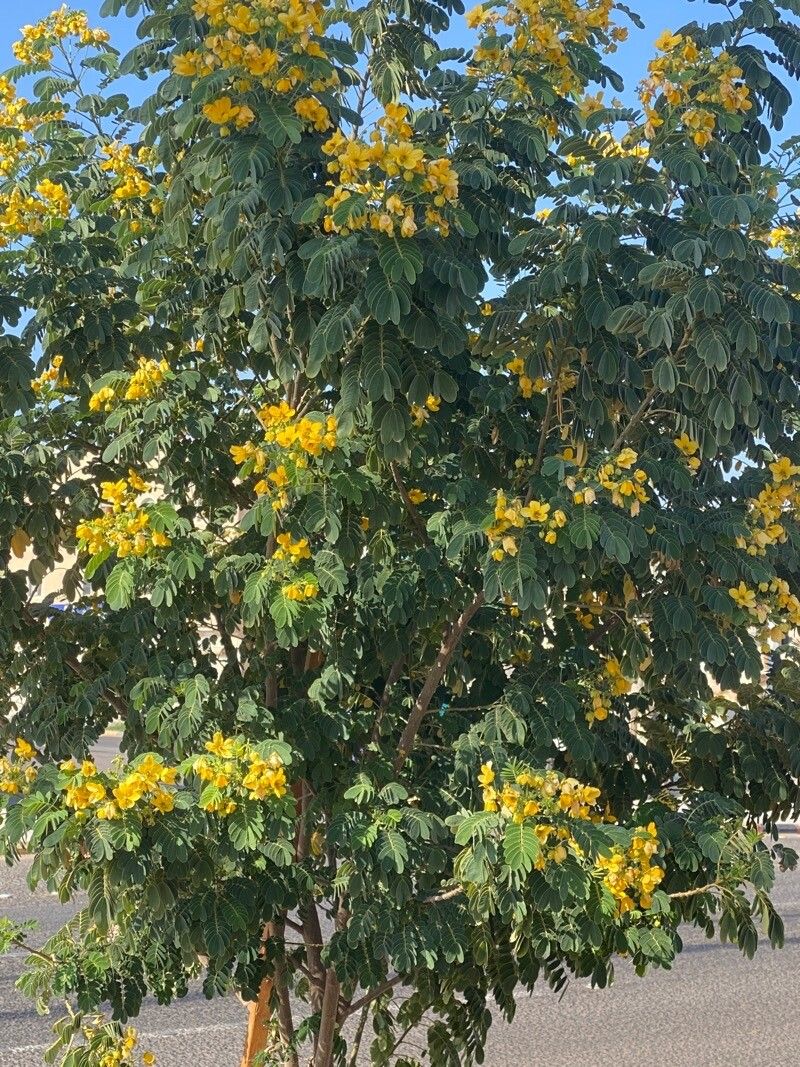
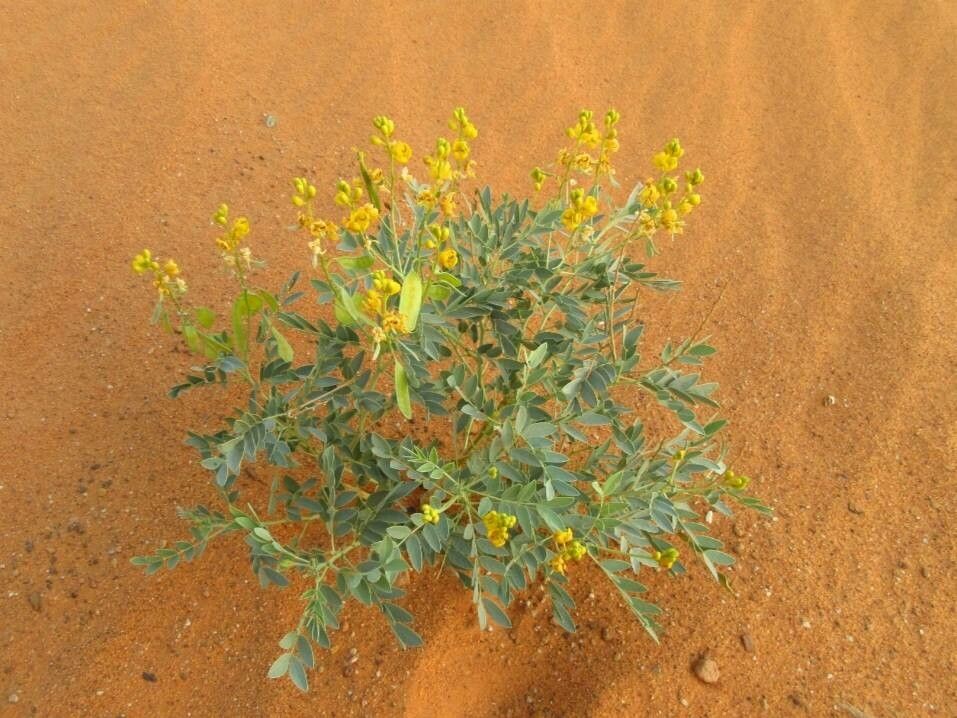
Senna sophera, commonly known as wild senna or coffee senna, is a flowering plant in the Fabaceae family. Originally native to tropical regions of Africa and Asia, it has since been introduced and naturalized in many other parts of the world.
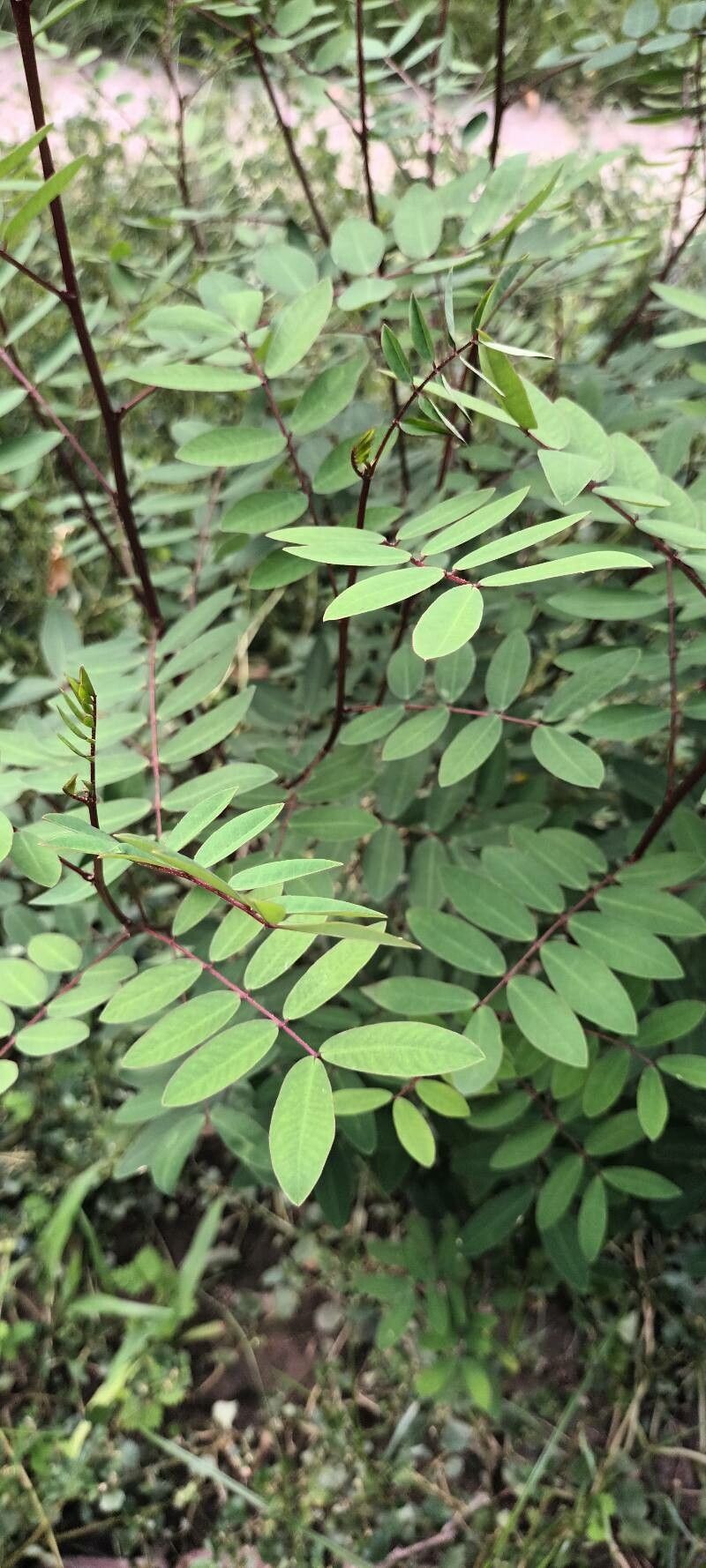
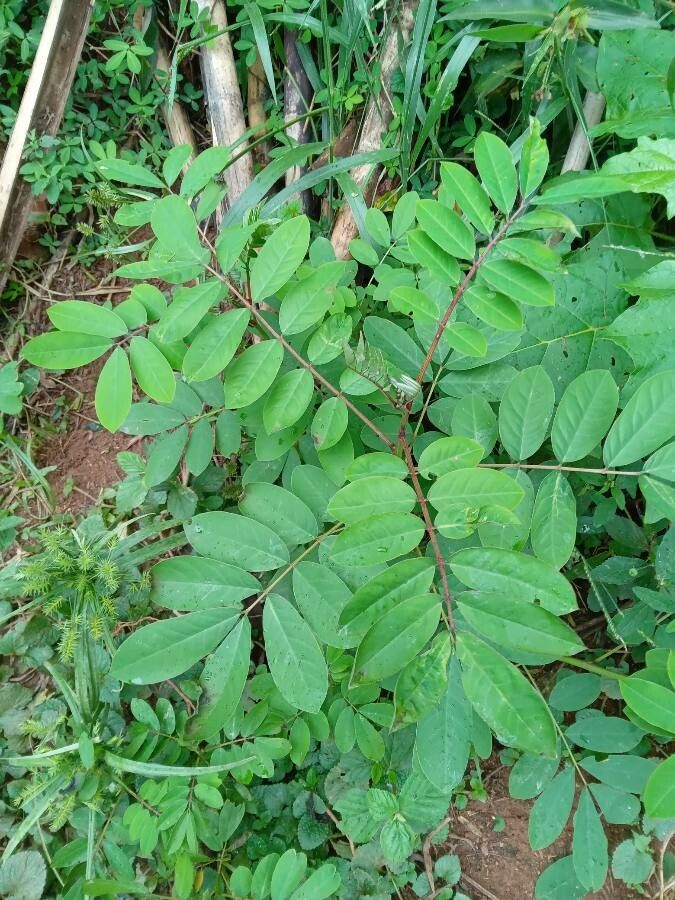
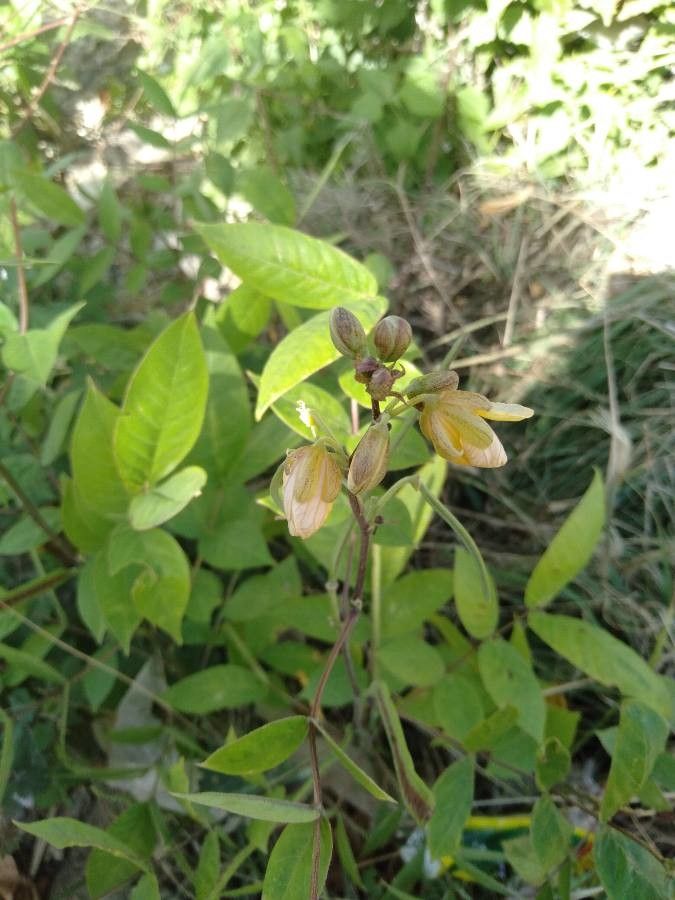
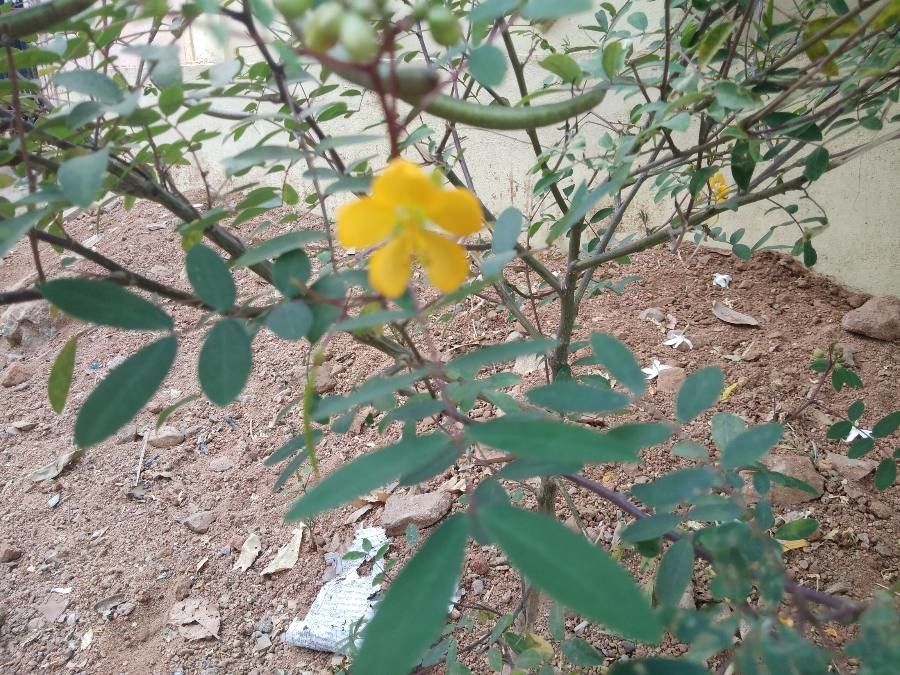
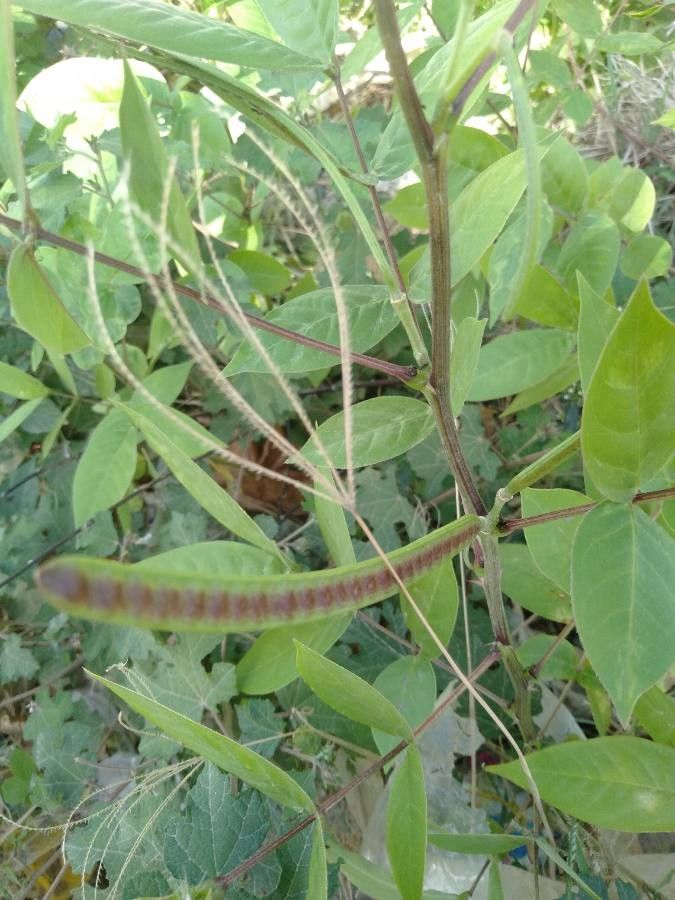
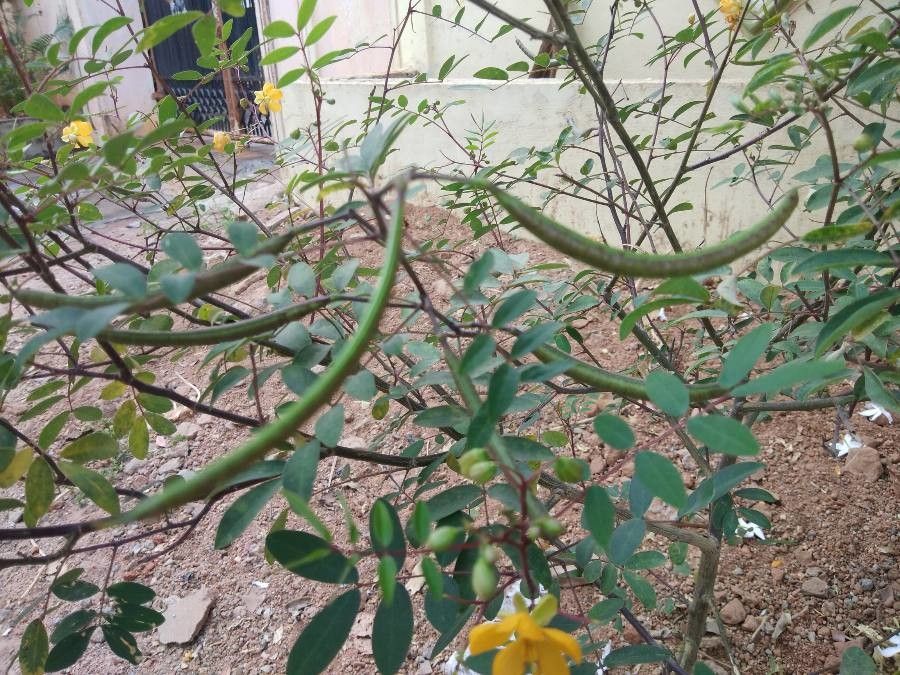
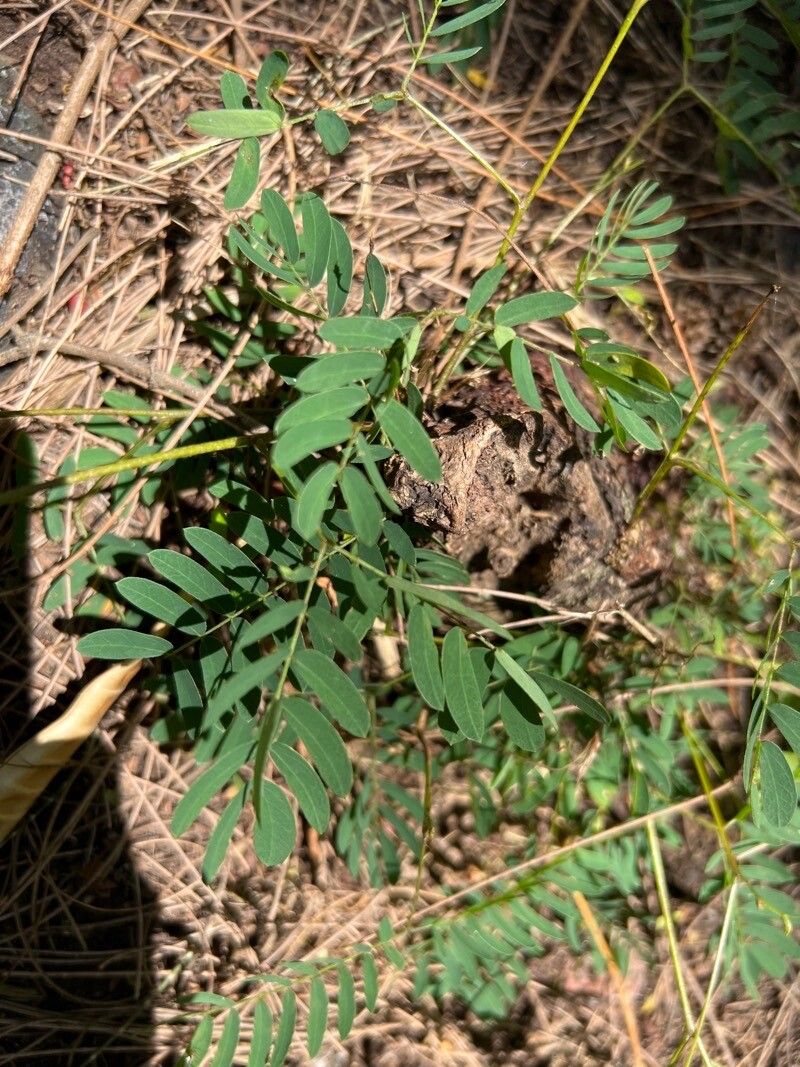
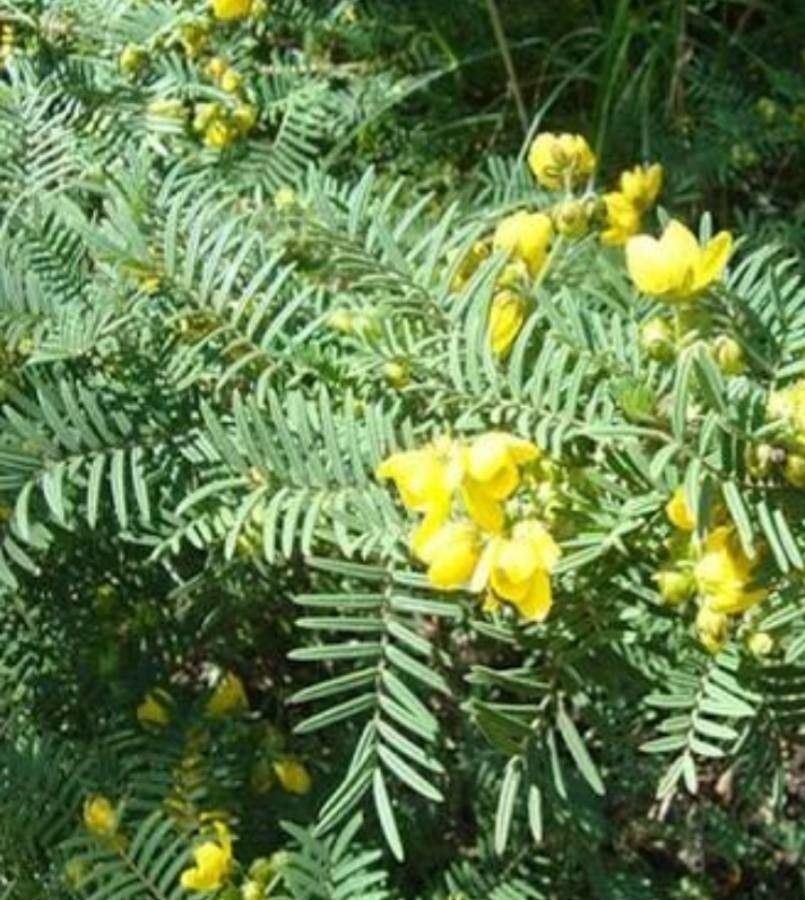
This plant can grow up to 2 meters tall and features pinnate leaves with 6-8 pairs of oblong leaflets. Its yellow flowers form clusters at the ends of branches, and its fruit is a long pod containing several seeds.
Senna sophera has been used for medicinal purposes for centuries, primarily as a laxative due to its high content of anthraquinones. It also has anti-inflammatory properties and has traditionally been used to treat skin diseases, fever, dysentery, jaundice, and other ailments.
The plant thrives in well-drained soils with full sun exposure but can tolerate partial shade. It can be propagated from seeds or cuttings.
While Senna sophera may offer medicinal benefits when used appropriately under medical supervision, it's important to note that excessive use can lead to adverse effects such as diarrhea or dehydration due to its laxative properties. Therefore, it should only be consumed under the guidance of qualified healthcare professionals following a proper diagnosis.
Algarrobilla is resistant to disease and is typically not susceptible to illnesses. As for care, this plant is fairly low-maintenance. Planted outdoors it needs only minimal watering, and larger plants usually do not require pruning. Smaller plants, however, should be pruned after they finish blooming. Algarrobillat is suitable for anyone with an outdoor area, like a garden or deck, and does not need extensive plant-care experience.
How to keep Senna Sophera.
Light
Algarrobilla comes from open habitats, such as sunlit meadows and forest margins, which offer abundant light. It performs best in Full Sun yet tolerates Partial Sun, showing good adaptability to different light levels.
Temperature
Algarrobilla comes from tropical areas, where the weather is generally warm and humid. Consequently, it is adapted to high heat and moisture. It does not tolerate abrupt temperature shifts and prefers a steady temperature, so indoor fluctuations should be avoided. It typically cannot withstand cold and needs relatively high temperatures for growth. If the ambient temperature falls too low, the plant may stop growing or even perish.
Fertilizer
The best time to fertilize an Algarrobilla is in early spring, as it comes out of dormancy. This supports overall growth and the development of flowers. Fertilization improves the foliage, stems, and branches, and encourages flowers that are large, vibrant, and long-lasting. It helps transfer nutrients from the roots to the flowers and enhances the plant's health and resistance to disease.
Botanical profile.
- Plant Type
- Shrub
- Life Cycle
- Perennial
- Genus
- Senna
- Family
- Fabaceae
- Hardiness Zone
- 9-11
- Mature Height
- 0.91 m to 2.13 m
- Mature Spread
- 49 cm to 91 cm
- Leaf Color
- Green, Dark Green
- Leaf Type
- Deciduous
- Flower Color
- Yellow
- Flower Size
- 2.03 cm to 3.05 cm
- Bloom Time
- Summer, Early fall, Mid fall
- Planting Time
- Spring, Summer, Autumn
- Harvest Time
- Late summer, Fall, Early winter
- Native Area
- Saudi Arabia, Colombia, Iraq, India, Cuba, Belize, Honduras, Venezuela, Guyana, Oman, Nicaragua, Yemen, Panama, Jamaica
Other names.