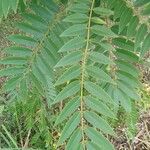
Senna spectabilis
Casia Amarilla · Spectacular senna · Whitebark senna · Gasia
Description
Source: leafsnapSenna spectabilis is a plant species of the legume family (Fabaceae) in the subfamily Caesalpinioideae native to South and Central America. They are often grown as an ornamental in front yards, parks, gardens, buildings etc. due to their bright yellow flowers that bloom during the summer months. They are also known as golden wonder tree, American cassia, popcorn tree, Cassia excelsa, golden shower tree or Archibald's cassia. The plant has become an invasive alien species in parts of Africa such as Kenya, Malawi, Tanzania and Uganda, and also in South-India, after it was introduce for resources such as firewood as well as to help combat deteriorating ecosystems affected by deforestation and desertification. Currently, S. spectabilis is overtaking native tree species of forestry ecosystems around the world because of its ability to grow quickly.
Care Guide
💧 Water
The Golden Wonder Tree thrives in tropical-like conditions, where consistent moisture and stable humidity are key. This plant is sensitive to drought, so when grown indoors, it should be watered every two weeks. If you're cultivating it outdoors, it's important to closely monitor the soil moisture levels, particularly during its active growing season, as this period demands more frequent watering.
How should I water my Golden wonder tree?
Your Golden wonder tree doesn't have specific preferences for how you water it. You can use different types of watering tools, such as watering cans, hoses, or even cups. It's important to water the plant by applying water directly to the soil. Make sure to evenly moisten all areas of the soil to provide water to the entire root system. Using filtered water is recommended to avoid harmful particles found in tap water. It's also beneficial to use water that is at or slightly above room temperature, as extremely cold or hot water can shock the Golden wonder tree. However, the tree usually responds well to any type of water you use.
What should I do if I give too much or too little water to my Golden wonder tree?
Outdoor plants, especially newly planted ones or seedlings, are prone to lack of watering. It is important to keep watering them adequately for a few months when they are small or have just been planted. Once the roots are established, Golden wonder trees can mostly rely on rain. However, if you have planted the tree in a pot, overwatering is more likely to occur. In case you accidentally overwater your Golden wonder tree, you should take immediate action to rectify the situation. First, stop watering the plant right away to minimize the impact of overwatering. Then, remove the tree from its pot and inspect its roots. If there is no root rot, you can return the plant to its container. But if you find signs of root rot, trim away the affected roots and consider using a fungicide to prevent further damage. Finally, repot the tree using well-draining soil. If you notice that your Golden wonder tree is underwatered, simply water it more frequently. Underwatering can be easily fixed as the leaves will droop, dry out, and fall off. Once you water it sufficiently, the leaves will quickly regain their fullness. Remember to adjust your watering frequency promptly when you notice underwatering.
How frequently should I water my Golden wonder tree?
If you live in an area with regular rainfall, most outdoor plants can grow normally without additional watering. However, if your area doesn't get much rain, you should water your plants adequately every 2 weeks in spring and fall, and more often in summer. In winter, when plants don't need as much water, you can water them less frequently or not at all. Young or newly planted Golden Wonder trees require more frequent watering to help them establish and grow. For potted plants, there are two ways to determine how often to water your Golden Wonder tree. One way is to follow a set watering schedule, such as once a week or every other week. However, this may not always be accurate because it doesn't consider the specific conditions of your plant's environment. Another approach is to check the soil moisture before watering. Wait until the top 2 to 4 inches of soil in the pot have dried out completely before giving more water. This method helps ensure that you're watering the plant when it actually needs it.
How much water does my Golden wonder tree require?
When watering your Golden wonder tree, you may be surprised to learn that it does not always require a large amount of water. Instead, if just a few inches of soil have dried since the last watering, you can promote healthy growth by giving it about five to ten ounces of water each time. To determine the appropriate amount of water, you can also consider the moisture level of the soil. As mentioned earlier, take note of how many inches of soil have dried out between waterings. A foolproof way to ensure that your Golden wonder tree receives enough moisture is to provide sufficient water to moisten all the layers of soil that have become dry since the previous watering. If more than half of the soil is dry, you should consider giving it a little more water than usual. In such cases, continue watering until you see excess water draining from the pot's drainage holes. If your Golden wonder tree is planted in an area that receives ample rain, it may not require additional watering. When the tree is young or still establishing itself, make sure it receives 1-2 inches of rain per week. As it continues to grow and establish, it can rely solely on rainwater, except during hot and dry periods lasting 2-3 weeks. In those cases, it is advisable to water the tree thoroughly to prevent it from experiencing stress.
How can I know if I'm giving enough water to my Golden Wonder tree?
The Golden wonder tree is more commonly affected by overwatering, which can be easily identified through certain signs. These signs include yellowing leaves and leaf drop, as well as shriveling of the plant structure and potential root rot. Conversely, an underwatered Golden wonder tree will begin to wilt and may have brown or brittle leaves. Whether you observe signs of overwatering or underwatering, it is important to take action to restore the health of your Golden wonder tree.
☀️ Light Full sun
The golden wonder tree thrives in environments that resemble its native habitat, where sunlight is plentiful. Even with continuous exposure to the sun, it prospers and does not show signs of sorching. Conversely, insufficient light can impede its growth, making it susceptible to issues such as stunted development. Its preference for bright conditions remains the same at every stage of growth.
What are the sunlight requirements for a Golden Wonder Tree (Senna spectabilis)?
The Golden Wonder Tree flourishes under conditions that closely resemble its original habitat, where it relishes the abundance of sunlight. It requires full sun, meaning it thrives best with more than 6 hours of sunlight per day, although it can also tolerate partial sun, which equates to about 3-6 hours of sunlight. Despite its preference for continuous sun exposure, this resilient tree doesn't suffer from scorching, demonstrating its adaptability and hardiness. Inadequate sunlight, however, might impede its growth by causing stunted development. It's vital to observe how sunlight moves through your garden to ensure you select locations that provide an ideal mix of light and shade, optimizing the health and happiness of your plants.
How do I use artificial lighting for my indoor Golden Wonder Tree?
For the Golden Wonder Tree growing indoors, especially when natural sunlight is insufficient, artificial lighting can be a crucial substitute to sustain its growth. LED lights are recommended for their ability to mimic the specific wavelengths of light needed by plants. Full sun plants benefit from 30-50W/sq ft of artificial light, partial sun plants need 20-30W/sq ft, and full shade plants require 10-20W/sq ft. Ensure the light source is placed 12-36 inches above the plant to emulate natural sunlight exposure and adjust the duration to mimic natural daylight hours, with most plants needing 8-12 hours of light per day.
What are some common symptoms of insufficient light in a Golden Wonder Tree?
When a Golden Wonder Tree receives less light than it requires, several symptoms may manifest, indicating its struggle. These include smaller new leaves, leggy or sparse growth, faster leaf drop, and delayed or halted new growth. Leaves may also display lighter colors or irregular patterns, signaling a lack of chlorophyll and essential nutrients. Additionally, symptoms like chlorosis (yellowing leaves), sunscald, leaf curling, wilting, and leaf scorching indicate excessive sunlight exposure rather than insufficient light. These contrasting symptoms highlight the need for a balanced light environment for the tree.
How can I address lighting issues for my Golden Wonder Tree?
To ensure your Golden Wonder Tree receives optimal light, gradually acclimate it to sunnier spots, if it's not getting enough light. This means moving it to a location where it can get at least 6 hours of direct sunlight daily. For indoor plants that can't be easily moved, consider using artificial lights, keeping them on for about 8 hours daily or investing in professional grow lights. If your tree is outdoors, introduce it to more sunlight gradually to prevent sunburn. Always remember, while parts of the plant affected by inadequate light may not recover, new growth should be healthy after adjusting light exposure. For ground-planted trees, reduce any obstructions like tree branches that block sunlight and consider transplanting smaller plants to sunnier locations during their dormant period.
🌡️ Temperature 5–35°C
The Golden Wonder tree is native to regions where average temperatures range from 41 to 95 °F (5 to 35 ℃). It flourishes in temperate climates and favors cooler conditions. However, it can adapt to warmer seasons by gradually acclimating its metabolic processes through incremental exposure.
What is the native climate for the Golden Wonder Tree?
The Golden Wonder Tree, botanically known as Senna spectabilis, is native to regions where temperatures typically range from 41 to 95 °F (5 to 35 °C). It prospers in temperate conditions, favoring cooler environments but is capable of adjusting to warmer seasons by slowly adapting its metabolic activities with gradual exposure. This tree is quite resilient to cold, often not requiring special frost protection measures even in winter, except in extremely cold conditions where temperatures are expected to plummet below -30°C.
How should you care for a Golden Wonder Tree during winter?
To care for a Golden Wonder Tree during winter, especially in exceptionally cold climates where temperatures dip below -30°C, it is crucial to implement cold protection strategies. Wrapping the trunk and branches with insulating materials such as non-woven fabric or cloth can safeguard the tree. Additionally, it is advisable to water the plant generously before the first freeze of autumn, ensuring that the soil remains moist and freezes in that state. This precaution helps in preventing drought and water scarcity for the tree during winter and early spring.
What are the symptoms of and solutions for low-temperature exposure in Golden Wonder Trees?
Golden Wonder Trees are highly tolerant of cold and perform best when temperatures remain above 5°C. However, during winter, it's essential to keep them above -25°C. When exposed to temperatures below -30°C, you might not observe immediate damage, but come spring, the branches may turn brittle and dry, failing to sprout new shoots. The recommended solution for this problem is to prune away any dead branches in the spring that did not produce new leaves, promoting healthier growth.
How can high temperatures affect Golden Wonder Trees and what can be done?
During the summer, it's vital to ensure that Golden Wonder Trees are not exposed to temperatures above 35°C. Overexposure to high temperatures above 38°C may result in the leaves lightening in color, tips becoming dry and withered, and an increased risk of sunburn. To mitigate these issues, trim away the affected parts of the plant. Relocating the plant to a shaded area or using a shade cloth to protect it from midday and afternoon sun can also help. Furthermore, watering the plant during the cooler morning and evening hours is essential to maintain soil moisture and promote health.
💨 Humidity
🪴 Soil 6-7
🌱 Fertilizer
Timing is critical for fertilizing the Golden wonder tree. Start fertilizing in early spring and continue once a month until early summer. Fertilizer promotes lovely blooms and supplies energy during both dormant and active growth stages.
Why should I use fertilizer on my Golden wonder tree?
Fertilizing your Golden wonder tree is crucial for several reasons. Firstly, it will help the tree produce beautiful blooms. One of the best times to apply fertilizer is in early spring, ensuring excellent flowers during that season. Additionally, fertilizer provides the tree with energy that can be stored in the ground during dormant growth phases. By giving your Golden wonder tree extra nutrients during fall planting or late spring, it can retain more energy for when active growth resumes.
When should I fertilize my Golden wonder tree?
To ensure effective fertilization of the Golden wonder tree, timing is crucial. Applying fertilizer too early, when the tree is still dormant, would be ineffective as the rainwater would wash it away, resulting in waste and pollution. The first application of fertilizer should be done in early spring, followed by monthly applications until early summer.
When is not a good time to put fertilizer on my Golden Wonder tree?
To ensure optimal growth and blooming of the Golden wonder tree, it is important to be mindful of the nitrogen levels in the fertilizer. Excessive nitrogen can result in an abundance of leaves but few blooms. Choosing a fertilizer with a lower nitrogen content compared to other nutrients is recommended. It is also crucial to avoid fertilizing the tree after early autumn as this can lead to excessive growth right before winter. Additionally, during hot and dry periods, it is best to refrain from fertilizing the tree as dry soil does not effectively deliver nutrients, and stimulating growth in these conditions may require more water than is available. Fertilizing earlier in the season when temperatures are cooler is a more favorable approach. Lastly, bear in mind that the Golden wonder tree can absorb fertilizer from nearby plants or lawns, so exercise caution to prevent unintentionally providing the tree with a double-dose of fertilizer.
What kind of fertilizer does my Golden wonder tree need?
To properly nourish a Golden wonder tree, it is recommended to use a fertilizer that contains a balanced mix of important plant nutrients, with slightly higher levels of phosphorus. Another option is to enrich the soil by incorporating organic materials like compost, worm castings, and manure. Experienced gardeners may choose to supplement with water-soluble fertilizers high in phosphorus when the tree begins to produce flower buds. This practice enhances flower development for larger, longer-lasting blooms. Fertilizers can vary in forms, but liquid or powdered options are particularly effective for Golden wonder trees. Regardless of the form, it is crucial to dilute the fertilizer and apply it while watering the tree.
How should I give nutrients to my Golden Wonder tree?
To properly fertilize your Golden wonder tree, always follow the specific fertilizer directions and conduct some research on how to use it. Over-fertilizing should be avoided, so determining the appropriate amount is crucial. A general guideline suggests using the tree's age or trunk diameter to estimate the amount of fertilizer needed. Typically, you can estimate using one-tenth of a pound per year or per inch of trunk, with a maximum of one pound. When applying granular or organic fertilizers like blood meal, sprinkle the substance around the base of the tree, extending it towards the drip line (the area beneath the farthest-reaching branches). It is important to ensure the fertilizer does not come into direct contact with the trunk. Over time, the granules will breakdown and seep into the soil, allowing the roots to absorb the nutrients. After fertilizing, spread a layer of compost around the base of the tree that is about one inch deep, and water thoroughly.
🪴 Pot & Repot 2-3 years
Repot the golden wonder tree every 2-3 years in the spring to accommodate its rapid growth. Use a large pot to allow for root expansion. Make sure to use well-draining soil and water regularly after repotting. Initially, the golden wonder tree may be sensitive, so provide it with some shade and minimize stress to promote optimal growth.
✂️ Pruning
The Golden Wonder Tree is a rapidly growing ornamental tree that can reach a height of 20 to 30 feet (6 to 9 meters). It is known for its striking bright yellow flowers. To maintain its shape and encourage bushier growth, it's best to prune the tree from early to late winter. Be careful not to over-prune, as excessive cutting can stress the tree. By following these guidelines, you can ensure that your tree remains healthy and attractive.
🌿 Propagating
🐛 Diseases & pets
☠️ Toxicity
Characteristics
- Plant Type
- Tree
- Life Cycle
- Perennial
- Genus
- Senna
- Family
- Fabaceae
- Hardiness Zone
- 4-9
- Mature Height
- 4.57 m to 6.1 m
- Mature Spread
- 4.57 m to 6.1 m
- Leaf Color
- Green, Blue
- Leaf Type
- Evergreen
- Flower Color
- Gold, Yellow
- Flower Size
- 2.54 cm to 5.08 cm
- Bloom Time
- Summer
- Planting Time
- Spring, Autumn
- Harvest Time
- Late summer, Early fall, Mid fall
- Native Area
- Chile, Belize, Honduras, Mexico, Guatemala, Peru, Nigeria, Panama, Colombia, Paraguay, Argentina, Bolivia, Venezuela, Brazil, Nicaragua, Ecuador, Costa Rica