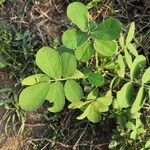
Senna tora
Foetid cassia · Stinking cassia · Java-bean · Sickle senna · Sicklepod
Description
Source: leafsnapThis page is about the Cassia tora described by Linnaeus. Later authors usually applied the taxon to Senna obtusifolia. Senna tora (originally described by Linnaeus as Cassia tora) is a plant species in the family Fabaceae and the subfamily Caesalpinioideae. Its name is derived from its Sinhala name tora (තෝර). It grows wild in most of the tropics and is considered a weed in many places. Its native range is in Central America. Its most common English name is sickle senna or sickle wild sensitive-plant. Other common names include sickle pod, tora, coffee pod and foetid cassia. It is often confused with Chinese senna or sicklepod, Senna obtusifolia.
🎭 Affection
Care Guide
💧 Water
Sickle senna is native to tropical areas and needs consistent moisture, so it's important to water it regularly each week. It can adjust to different amounts of rainfall, which makes it a good choice for regions where water availability is unpredictable. To support its growth, ensure it stays hydrated without becoming waterlogged.
How should I water my Sickle senna plant?
To properly water your Sickle senna, it is recommended to use filtered water at room temperature. Tap water is not ideal as it may contain harmful particles. The Sickle senna is accustomed to a warm environment, so make sure the water is not cold to avoid shocking the plant. Avoid watering from above as it can lead to issues with the foliage. Instead, gently water the soil with filtered room temperature water until it is completely soaked. This will benefit the plant by moisturizing its roots and aiding in the spread of nutrients throughout the soil.
What should I do if I give my Sickle senna plant too much or too little water?
Overwatering is a common problem with Sickle senna plants and can cause wilting and yellowing of the stems and leaves. It can also lead to diseases like root rot, mold, and mildew, which can be fatal for the plant. Underwatering is less common, but can still occur, causing the leaves to become brittle and brown. It is important to recognize the signs of overwatering early and reduce watering immediately. If the soil does not drain well, it should be replaced with a loose, well-draining potting mix. If the plant is not receiving enough water, simply increase the watering frequency until the symptoms improve.
How frequently should I water my Sickle senna plant?
If your Sickle senna is in a pot, the easiest way to determine if it needs watering is by sticking your finger in the soil. If the top two to three inches of soil feel dry, it's time to water it. For Sickle senna plants grown outdoors in the ground, you can use a similar method to test the soil. Once the top few inches have dried out, it's time to water. Typically, during spring and early fall, you'll need to water this plant about once a week using this method. However, during extremely hot weather, you may need to increase watering to twice a week or more. It's worth noting that mature, well-established Sickle senna plants can handle drought well.
How much water does my Sickle senna plant require?
When watering your Sickle senna, don't hold back on the amount of water you give. Make sure the top two to three inches of soil are dry before watering. Give it a thorough soaking, making sure the water soaks through the entire soil. Make sure there is enough water to cause excess water to drain out of the pot through the drainage holes. If you don't see excess water draining, you may not have given enough water. However, be careful not to let the water build up in the soil, as this can be dangerous for the plant. On the other hand, if water doesn't drain through the pot, it could mean the soil doesn't drain well, which is not good for the plant's health. If the plant is outside, 1 inch of rain per week should be enough.
How do I water my Sickle senna during its different growth stages?
The water needs of the Sickle senna can vary throughout different stages of growth. In the first few years and after transplanting, you'll need to provide more water than usual. During these stages, the plant focuses on developing new roots for future growth, so they require extra moisture. However, as the plant matures, its water needs decrease. Another stage that requires more water is during the bloom period, as the flowering process utilizes a significant amount of moisture.
☀️ Light Full sun
Sickle senna needs plenty of sunlight to do well but can tolerate somewhat lower light. It naturally grows in open areas where other plants do not block the sun. A significant lack of sunlight can impair its healthy growth, while very bright conditions do not necessarily damage it.
What are the sunlight requirements for plants?
Plants generally fall into categories based on their sunlight needs: full sun and partial sun. Full sun plants require above 6 hours of sunlight daily to thrive, while partial sun plants need about 3-6 hours of sunlight. It's important to monitor how sunlight moves through your garden, choosing spots that offer a balanced environment of light and shade to ensure the well-being of your plants.
How does sickle senna adapt to sunlight?
Sickle senna thrives in ample sunlight, flourishing best in open spaces where sunlight isn't obstructed by other vegetation. Limited sunlight may impede its growth, but excessive light typically doesn't harm it. In scenarios where natural light is insufficient, especially during winter or in darker spaces, artificial lighting becomes crucial. LED lights are beneficial as they can be tailored to provide specific light wavelengths needed by plants. Full sun plants require 30-50W/sq ft of artificial light, partial sun plants 20-30W/sq ft, and full shade plants 10-20W/sq ft, with the light source placed 12-36 inches above the plant for 8-12 hours per day to mimic natural sunlight conditions.
What are the signs of light deficiency in sickle senna?
Symptoms of light deficiency in sickle senna include smaller new leaves, leggy or sparse growth, faster leaf drop, slower or halted growth, pale new leaves, chlorosis (yellowing of leaves), sunscald, leaf curling, wilting, and leaf scorching. These signs indicate that the plant is not receiving adequate light, affecting its ability to photosynthesize, grow, and maintain health.
How can I address light deficiency issues in sickle senna?
To alleviate light deficiency in sickle senna, gradually expose the plant to more sunlight, aiming for at least 6 hours daily. Use south-facing windows for indoor plants and keep curtains open to enhance light exposure. Artificial lights, such as desk or ceiling lamps, can supplement sunlight for at least 8 hours daily. For outdoor plants, transition them carefully into sunnier spots to avoid shock. If obstructions block sunlight, consider pruning or relocating the plant to a brighter location with adequate drainage. Remember, while parts of the plant harmed by limited sunlight may not recover, new growth will be healthy with improved light conditions.
🌡️ Temperature 20–35°C
Sickle senna is native to temperate climates and grows best at temperatures of 68 to 95 °F (20 to 35 ℃). When the seasons shift, slight modifications to the plant’s environment may be needed to reproduce those conditions.
What is the native climate for Sickle Senna?
Sickle Senna is native to temperate climates and exhibits optimal growth within a temperature range of 68 to 95 °F (20 to 35 °C). These conditions suggest that the plant thrives in warm environments and may require adjustments in its setting with changing seasons to remain within this optimal temperature range.
How does cold weather affect Sickle Senna?
Sickle Senna is extremely heat-loving and does not tolerate cold well. During autumn, it's advised to move Sickle Senna plants grown outdoors inside to protect them from cold temperatures. Placing them near a bright window while ensuring they are not too close to heaters helps maintain the necessary warmth. Winter temperatures should stay above 20°C to foster plant growth, as temperatures nearing 5°C are harmful, causing damage to the plant.
What are the symptoms of low temperature exposure in Sickle Senna, and how can it be managed?
Sickle Senna shows a preference for warm temperatures, thriving best when the temperature is above 20°C and requiring winter temperatures to be kept above 5°C to avoid cold damage. Exposure to temperatures below 1°C can lead to a lightening of the leaves' color, turning brown or black after frost damage, alongside wilting and drooping symptoms. To manage frost damage, trim the affected parts and move the plant to a warm indoor environment away from cold drafts. A south-facing window is ideal for providing ample sunlight without exposure to heaters or air conditioning vents that could dry out the plant excessively.
How does high temperature affect Sickle Senna, and what are the solutions?
In the summer, it is essential to keep Sickle Senna below 35°C to prevent overheating. Temperatures above 41°C can lighten the leaves' color and make the plant more susceptible to sunburn. To mitigate high-temperature damage, trim sunburned and dried sections of the plant and relocate it to a shaded area, especially during the midday and afternoon sun. Watering the plant in the morning and the evening helps maintain soil moisture, providing additional resistance against heat stress and sunburn.
💨 Humidity
🪴 Soil 6-7
🌱 Fertilizer
Sickle senna needs the most fertilizer during its active growth period, which takes place mainly in spring, summer, and early fall. Fertilizing supplies essential nutrients the soil may lack, supporting healthy root and stem development and producing attractive foliage, a key characteristic of this plant.
🪴 Pot & Repot
✂️ Pruning
Sickle senna is a fast-growing, bushy plant known for its bright yellow flowers and distinctive seed pods. To promote healthy growth, improve air circulation, and remove damaged branches, it is best to prune the plant from early to late spring. For optimal results, use clean and sharp tools, and avoid heavy pruning while the plant is in peak bloom.
🌿 Propagating
🐛 Diseases & pets
☠️ Toxicity
Characteristics
- Plant Type
- Herb
- Life Cycle
- Perennial, Annual
- Genus
- Senna
- Family
- Fabaceae
- Hardiness Zone
- 10
- Mature Height
- 0.91 m to 2.13 m
- Mature Spread
- 46 cm
- Leaf Color
- Green, Dark Green
- Leaf Type
- Deciduous
- Flower Color
- Yellow
- Flower Size
- 1.02 cm
- Bloom Time
- Summer, Early fall, Mid fall
- Planting Time
- Spring, Summer
- Harvest Time
- Late summer, Fall, Early winter