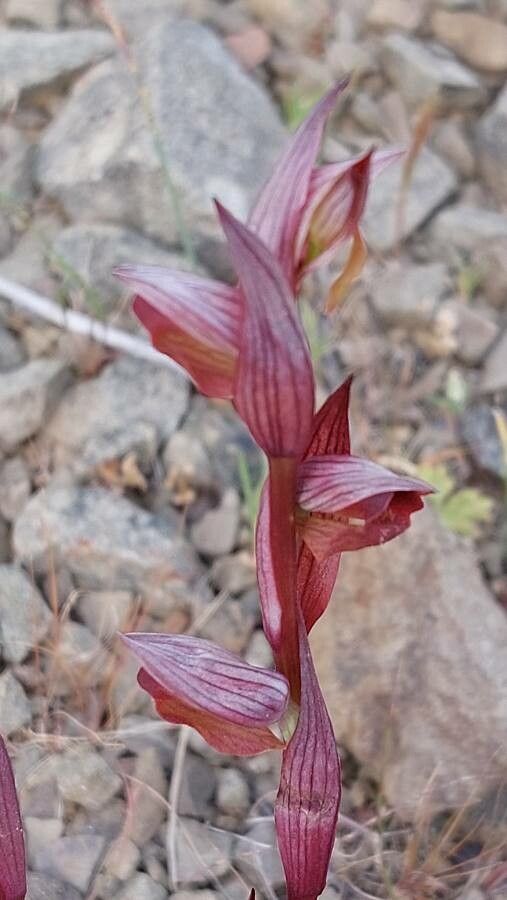
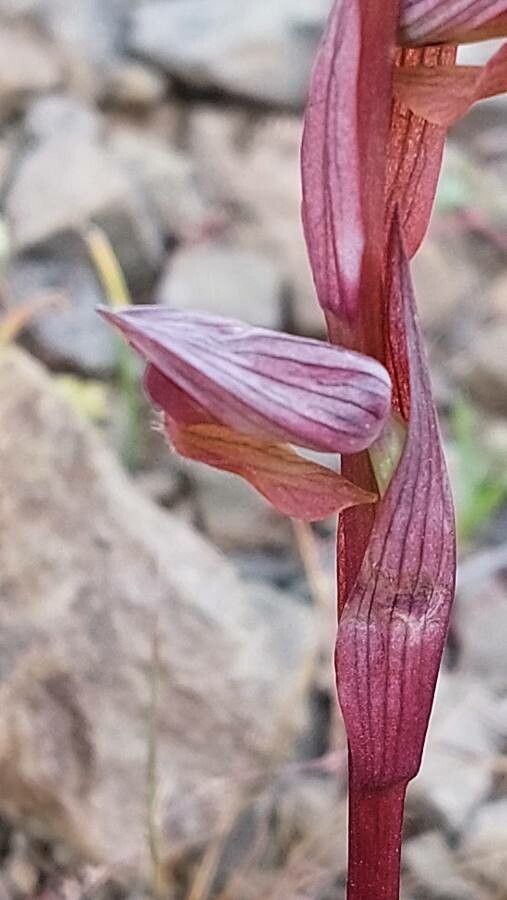
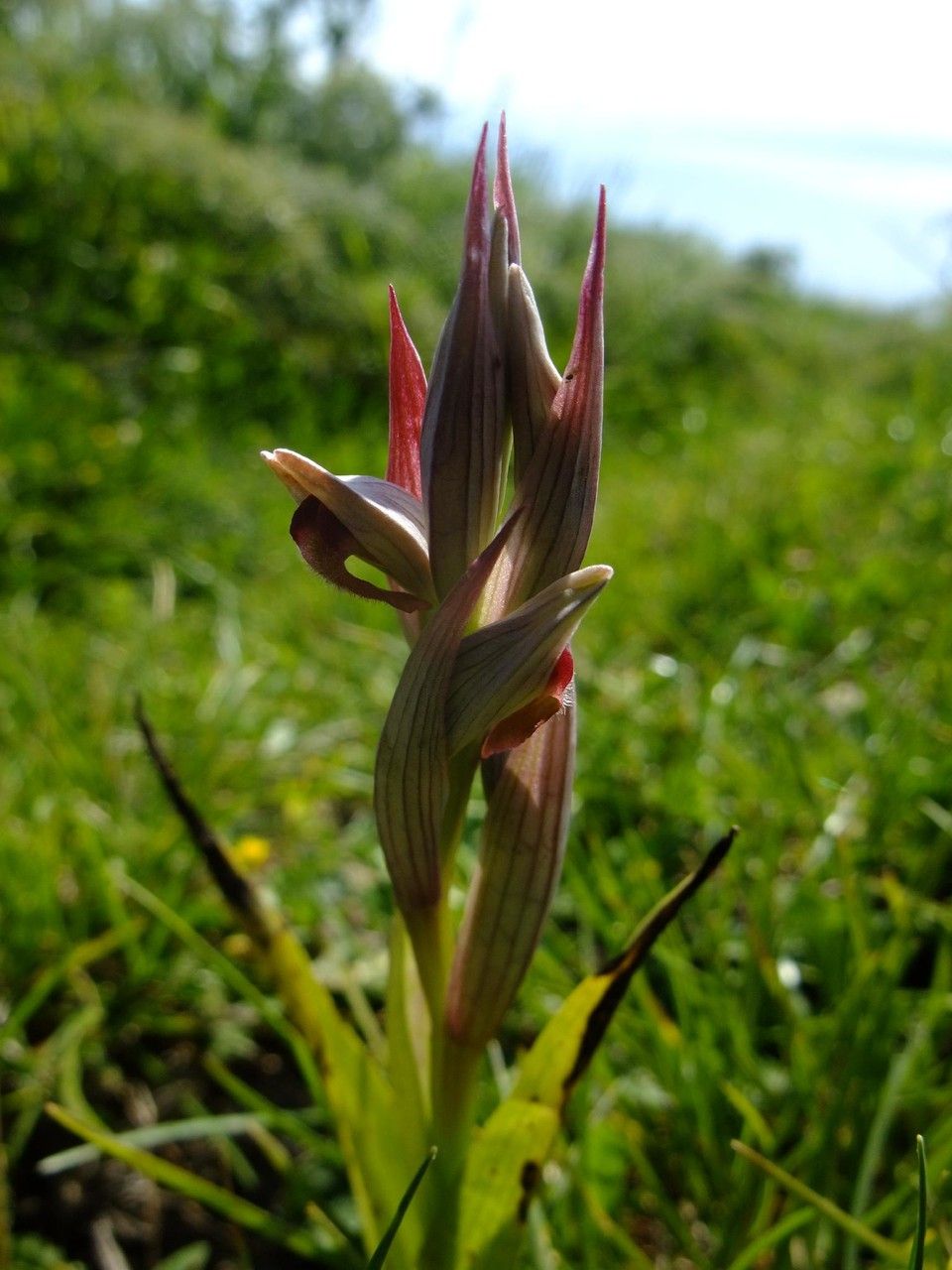
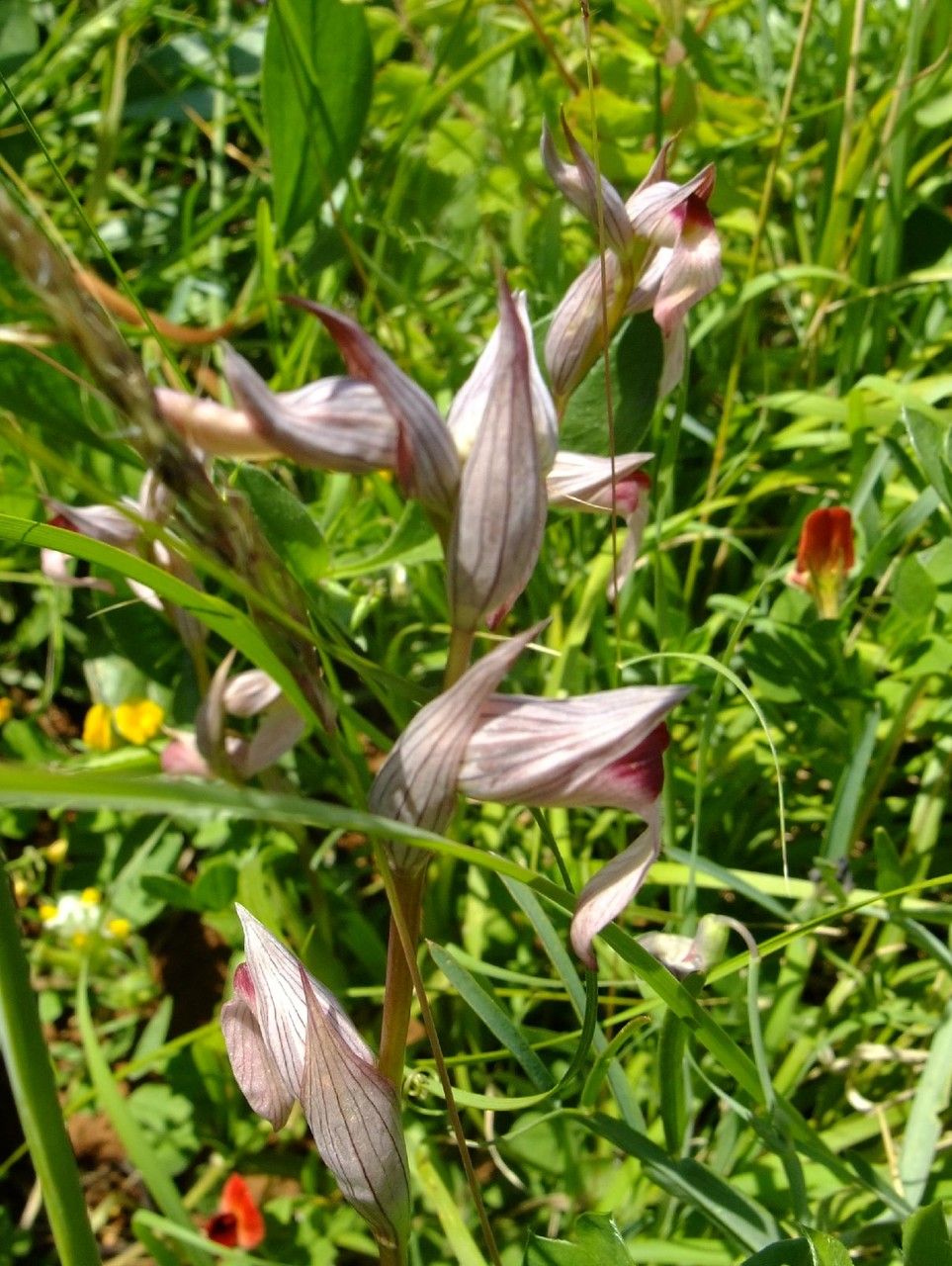
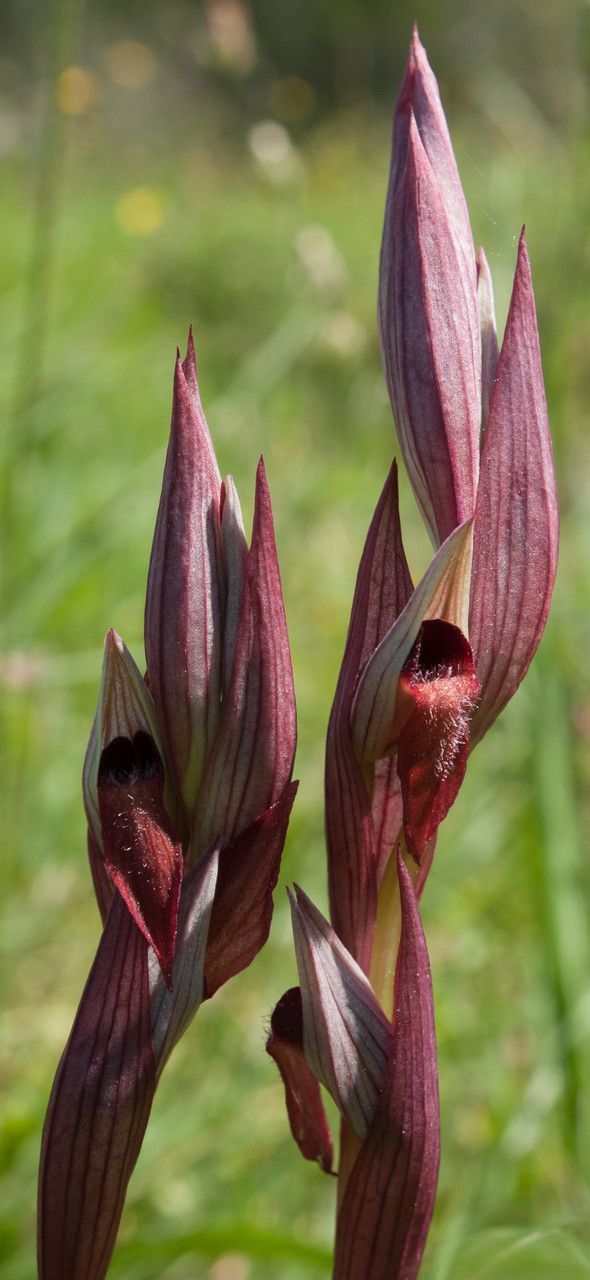
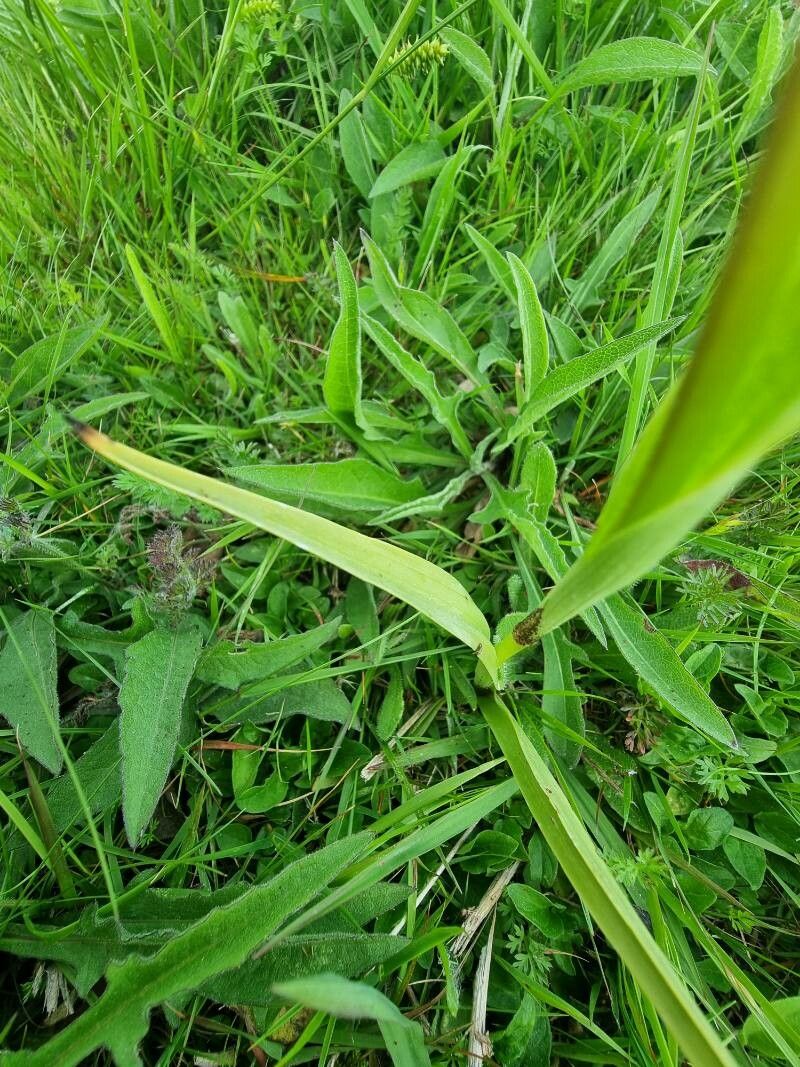
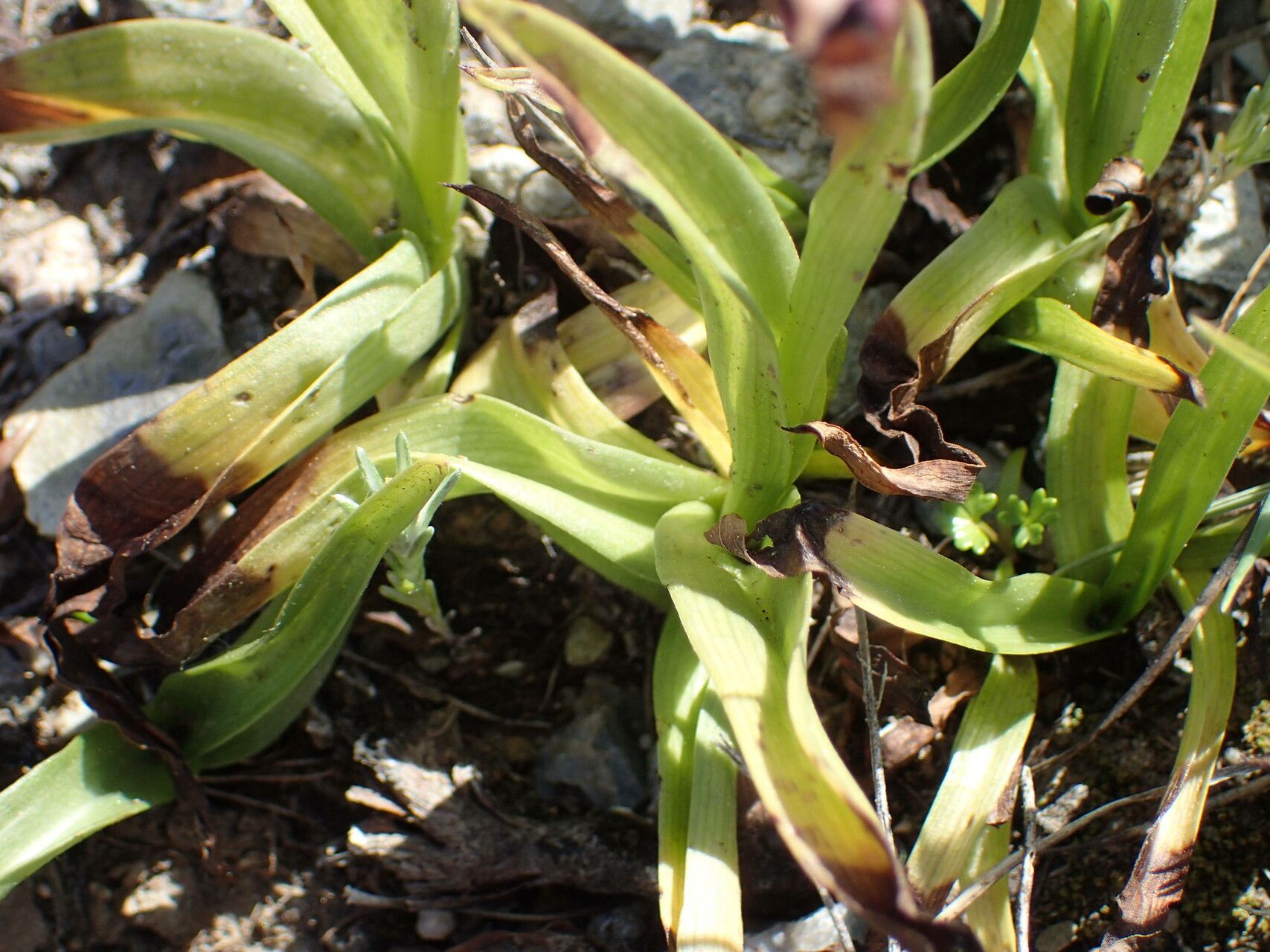
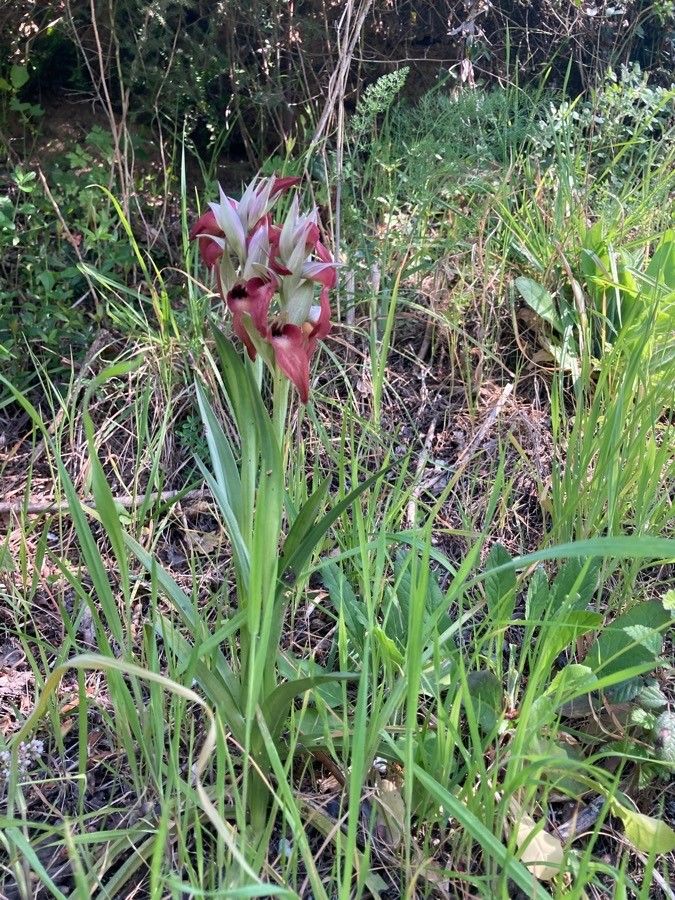
Serapias orientalis is a species of orchids occurring from the east-central and eastern Mediterranean to the western Transcaucasus.
Eastern serapias typically displays strong resistance to disease and faces relatively few insect pests. Its care is considered demanding because it needs high humidity along with good ventilation and an environment with few harmful pathogens. Overwatering can cause root rot. Although anyone can cultivate Eastern serapias, keeping it healthy and getting it to bloom again requires more growing experience.
How to keep Serapias Orientalis.
Water
The Eastern serapias grows well with enough moisture but can tolerate some drought. During the summer, water the plant once a week, and in the fall and winter, water it every ten days. To maintain proper humidity, mist the plant if conditions are dry. It's best to use water with a neutral pH. Let tap or rainwater sit for a while before using it to allow dissolved CO2 to escape.
Fertilizer
Usually a single fertilizer application in spring is enough for Eastern serapias, but multiple feedings can maximize growth. Apply every month to a month and a half. Fertilization improves leaf appearance and function, promoting consistent color and a healthy texture. It also stimulates root growth and nutrient absorption, supporting long-term plant health.
Pruning
The Eastern serapias is a vibrant perennial that thrives in sunny locations. To promote healthy growth, prune it in early spring by removing any dead leaves, but be careful to avoid making heavy cuts. Use sterilized tools to prevent disease, and consider applying mulch afterward to conserve moisture and assist in recovery.
Botanical profile.
- Plant Type
- Herb
- Life Cycle
- Perennial
- Genus
- Serapias
- Family
- Orchidaceae
- Hardiness Zone
- 9-11
- Leaf Type
- Deciduous
Other names.
Reader questions.
What is the botanical name of Eastern serapias?
The botanical name of Eastern serapias is Serapias orientalis. This name helps in scientifically identifying the plant and differentiating it from other species within the Serapias genus.