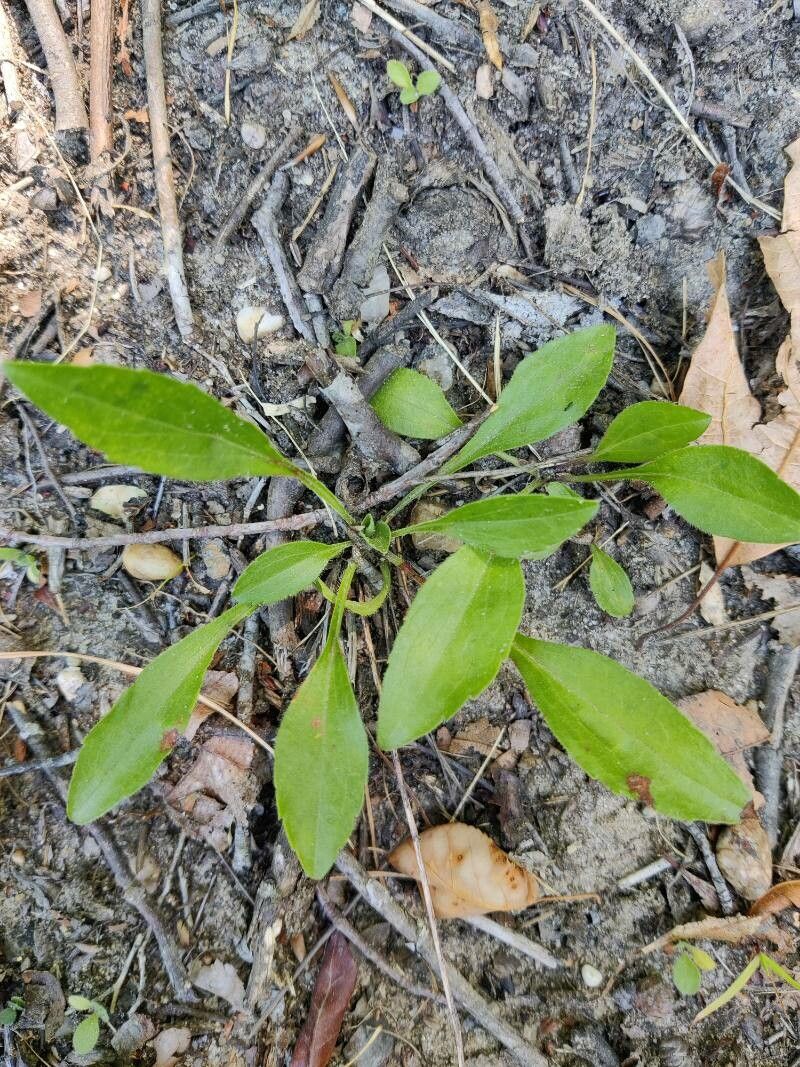
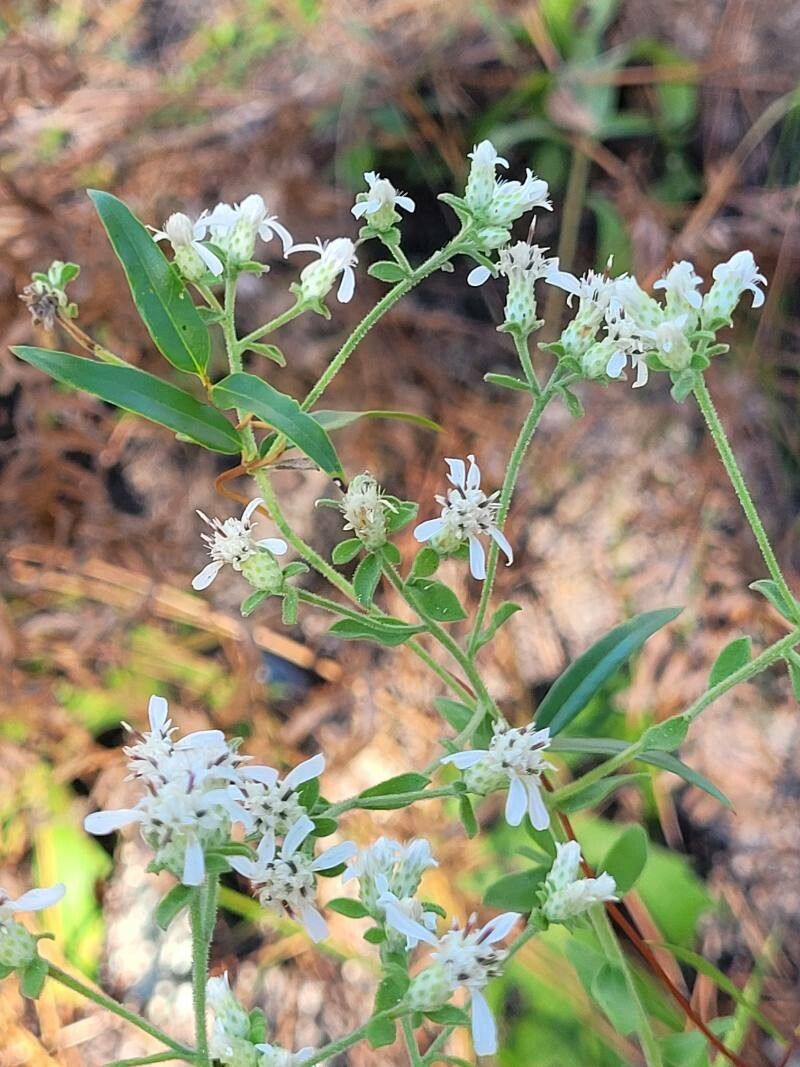
Sericocarpus linifolius, the narrowleaf whitetop aster or flax leaf whitetop, is a perennial forb native to the eastern United States, that produces white composite flowers in summer.
Narrowleaf whitetop aster has strong disease resistance and is generally not prone to illnesses. Nevertheless, it can be vulnerable to pests and diseases found in its environment. Such infections are typically not serious. Regarding care, this plant requires a moderate level of maintenance. It should be pruned regularly to preserve an attractive appearance and healthy growth. Fertilizing can also encourage flowering. Narrowleaf whitetop aster is appropriate for anyone who has outdoor space, like a garden or patio, and does not demand extensive plant-care experience. It may need more attention when grown indoors.
How to keep Sericocarpus Linifolius.
Light
Narrowleaf whitetop aster performs best in direct, full sun and does poorly in shade. It is commonly found in open sites where unfiltered sunlight encourages optimal growth. Too much or too little light can harm its overall health and vigor.
Water
The Narrowleaf Whitetop Aster flourishes in moderately moist conditions and can tolerate some drought. To encourage blooming, water the plant consistently, about once a week, especially during its growing season. This plant is typically grown outdoors to benefit from natural rainfall.
Temperature
Narrowleaf whitetop aster is native to moderate climate zones and grows best in temperatures between 50 and 95 °F (10 to 35 ℃). During colder periods, keeping the temperature steady near the higher end of that range promotes optimal growth.
Fertilizer
The best time to fertilize a Narrowleaf whitetop aster is in early spring, as it emerges from dormancy and starts actively growing. Fertilization supplies important nutrients needed for healthy development. Although the Narrowleaf whitetop aster has fairly low fertilizer requirements, feeding it once a year can improve its survival and encourage better, longer-lasting blooms.
Pruning
The Narrowleaf Whitetop Aster, characterized by its slender leaves and white flowers, thrives with regular pruning from early to late spring. Removing dead stems encourages new growth and enhances flowering. Pruning not only improves air circulation and light exposure but also reduces the risk of infection when clean tools are used. Consistent trimming helps maintain a dense appearance and prevents legginess.
Botanical profile.
- Plant Type
- Herb
- Life Cycle
- Perennial
- Genus
- Sericocarpus
- Family
- Asteraceae
- Hardiness Zone
- 6-9
- Mature Height
- 30 cm to 76 cm
- Mature Spread
- 11 cm
- Leaf Color
- Green
- Leaf Type
- Deciduous
- Flower Color
- White
- Flower Size
- 1.02 cm to 1.52 cm
- Bloom Time
- Summer
- Planting Time
- Spring, Summer
- Harvest Time
- Late summer, Early fall, Mid fall
Other names.
Reader questions.
What are the sunlight requirements for a Narrowleaf whitetop aster?
Narrowleaf whitetop aster requires above 6 hours of sunlight to thrive, making it essential to place it in spots within your garden that receive full sun exposure. This plant does not do well in shade, and its habitat typically consists of open areas where it can enjoy unfiltered sunlight, ensuring optimum growth. It's crucial to observe how sunlight moves through your garden to choose the perfect balance of light and shade for your plants, ensuring their happiness and health.
What is the optimal temperature range for the Narrowleaf whitetop aster?
The Narrowleaf whitetop aster, known botanically as Sericocarpus linifolius, thrives in moderate climate zones with optimal temperatures ranging from 50 to 95°F (10 to 35°C). To support optimal growth, especially in colder seasons, maintaining a temperature near the upper limit of this range is beneficial.
How does artificial lighting benefit indoor Narrowleaf whitetop aster plants and what are the guidelines?
Indoor Narrowleaf whitetop aster plants require adequate lighting for optimal growth. When natural sunlight is insufficient, artificial lighting offers a vital solution. LED lights are popular for indoor plant lighting as they provide specific wavelengths needed for plant growth. For full sun plants, 30-50W/sq ft of artificial light is recommended, partial sun plants require 20-30W/sq ft, and full shade plants need 10-20W/sq ft. The light source should be placed 12-36 inches above the plant and for a duration that mimics natural daylight hours, typically 8-12 hours per day. This setup promotes faster, healthier growth by ensuring the plants receive adequate light.
Does the Narrowleaf whitetop aster require frost protection during winter?
Due to its strong cold resistance, the Narrowleaf whitetop aster usually does not require special frost protection measures during winter. However, in conditions where winter temperatures are expected to drop below -25°C, cold protection is advised using materials such as soil or straw. Additionally, watering the plant abundantly before the first freeze in autumn helps keep the soil moist and prevents drought and water scarcity during winter and early spring.
What symptoms indicate a Narrowleaf whitetop aster is getting too much or too little light?
Symptoms of inadequate lighting for Narrowleaf whitetop aster include smaller new leaves, leggy or sparse growth, faster leaf drop, slower or no new growth, and lighter-colored new leaves. Excessive sunlight can cause chlorosis, sunscald, leaf curling, wilting, and leaf scorching. These symptoms range from growth delays to physical damage to leaves and stems, indicating the plant's struggle with the current light conditions.
How does low temperature affect Narrowleaf whitetop aster, and what are the solutions?
Narrowleaf whitetop aster is cold-tolerant and performs best when the temperature remains above 10°C. It should ideally be kept above -15°C during winter. Temperatures falling below -25°C might not show noticeable changes during the winter, yet they can lead to decreased sprouting or no sprouting at all during the spring. The solution in spring for any parts that have failed to sprout is simple removal.
What solutions are there for managing light for both outdoor and indoor Narrowleaf whitetop aster plants?
To manage light for Narrowleaf whitetop aster, gradually acclimatize your plants to the optimal light conditions. For indoor plants, move them weekly to a sunnier spot until they receive at least 6 hours of direct sunlight. Utilize south-facing windows or artificial lights if the plant is large. Outdoors, carefully transition plants to sunnier locations, avoiding sudden exposure that may cause sunburn. Removing obstructions such as overhanging branches can also improve sunlight access. Transplanting smaller plants during their dormant period can help relocate them to better-lit areas with ample sunlight and good drainage. It's crucial to adapt these practices to ensure your plants receive the right amount of light for healthy growth.
How does high temperature affect Narrowleaf whitetop aster, and what are the solutions?
When temperatures soar above 35°C, the Narrowleaf whitetop aster may experience several stress symptoms, including leaves becoming lighter in color, curling, and being prone to sunburn. In severe cases, the entire plant may wilt and dry out. The recommended solutions include trimming away sunburned and dried parts, moving the plant to a shaded location or using a shade cloth to protect it from the midday and afternoon sun, and watering the plant in the morning and evening to maintain soil moisture.