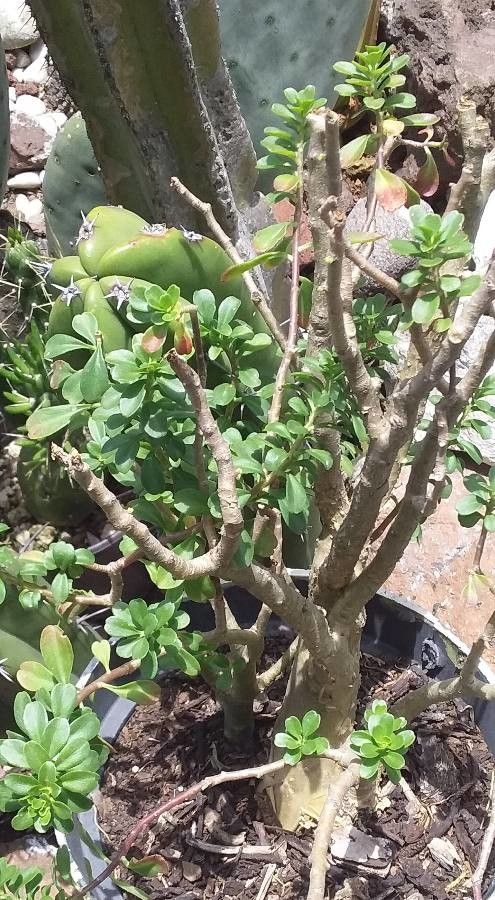
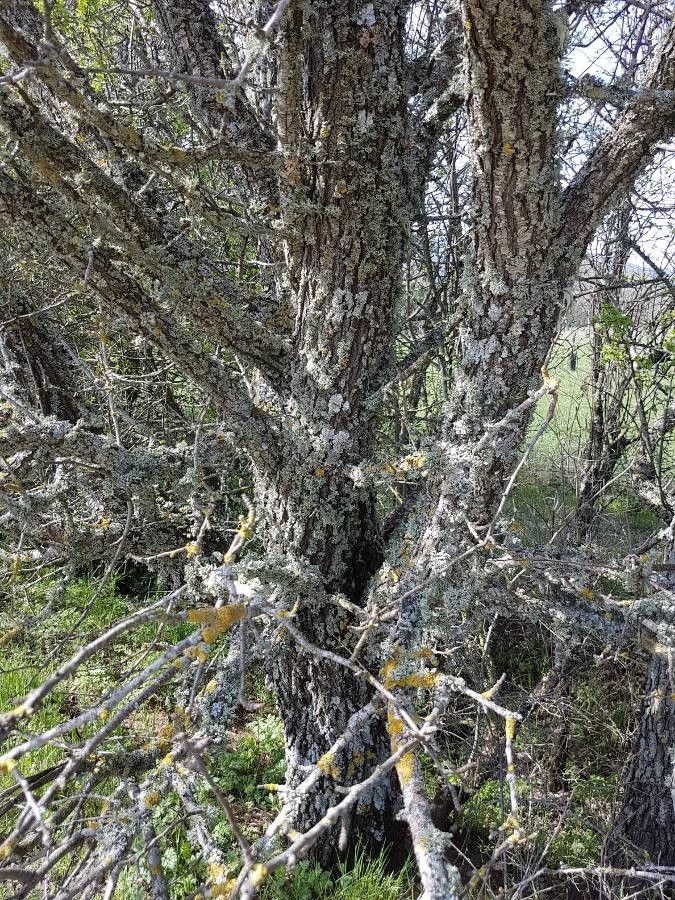
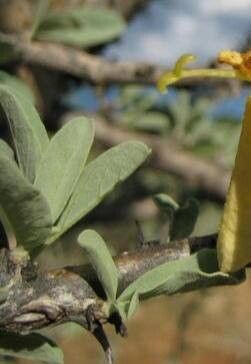
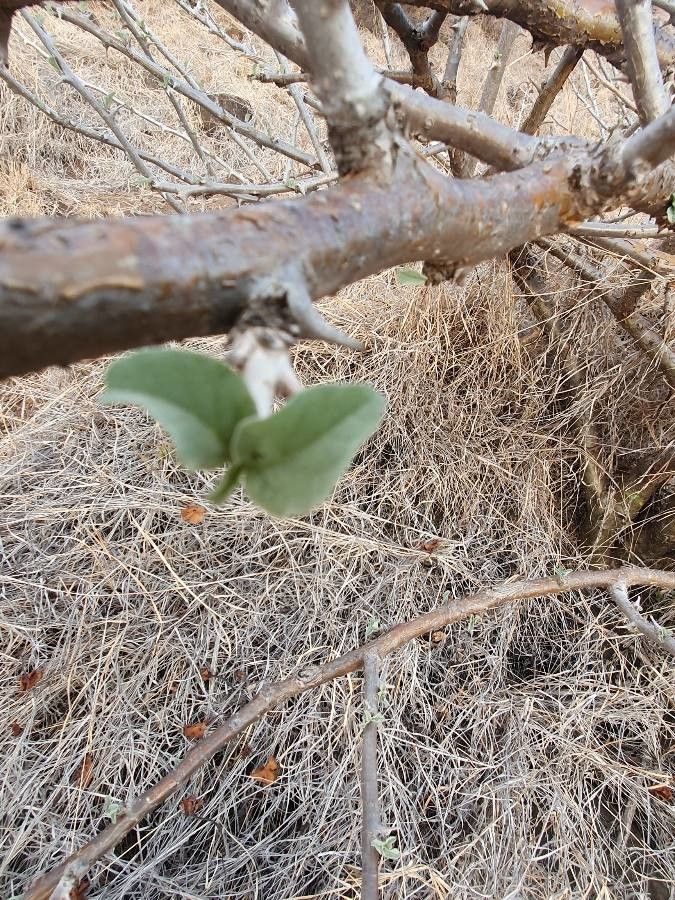
Sesamothamnus lugardii is a small shrub belonging to the family Sesamothamnaceae. Native to the arid regions of East Africa, particularly Kenya and Tanzania, this plant is notable for its unique appearance. It features woody stems and small, narrow leaves covered in fine hairs. During the blooming season, from July to September, it produces clusters of tiny white flowers.
Sesamothamnus lugardii is well adapted to survive in harsh environments with limited water resources. Its roots can grow deep into the soil, allowing the plant to access water from deeper layers during droughts. Additionally, it has a unique mechanism for conserving water by closing its stomata during hot and dry periods.
The plant holds several traditional medicinal uses among local communities in East Africa, including treatments for stomach ailments and respiratory infections. Its leaves are also used as fodder for livestock.
Despite its usefulness, Sesamothamnus lugardii faces threats from habitat loss due to human activities such as deforestation and overgrazing by livestock. Conservation efforts are essential to protect this valuable species for future generations.
Transvaal sesame bush has strong disease resistance and is generally not susceptible to illnesses. Regarding care, this plant is relatively low-maintenance. When grown outdoors it needs little watering, and larger specimens typically do not require pruning. Smaller plants, however, should be trimmed after they have finished blooming. Transvaal sesame bush is appropriate for anyone with outdoor space, such as a garden or deck, and does not demand much experience in plant care.
How to keep Sesamothamnus Lugardii.
Light
The Transvaal sesame bush comes from open habitats, like sunlit meadows and forest edges, that offer abundant light. It does best in Full Sun but can tolerate Partial Sun, adapting well to a range of light conditions.
Temperature
The Transvaal sesame bush comes from tropical areas, where the climate is generally warm and humid. Consequently, it is well adapted to high temperatures and humidity. It does not tolerate sudden temperature shifts and prefers a steady thermal environment, so avoiding indoor temperature fluctuations is important. It generally cannot withstand cold and needs relatively high temperatures to grow. If the surrounding temperature falls too low, the plant may stop growing or even die.
Fertilizer
The best time to fertilize a Transvaal sesame bush is in early spring, as it breaks dormancy. This encourages overall growth and flower development. Fertilizing improves the foliage, stems, and branches, and promotes flowers that are large, vibrant, and long-lasting. It also helps transport nutrients from the roots to the flowers and boosts the plant's health and resistance to disease.
Botanical profile.
- Plant Type
- Shrub
- Life Cycle
- Perennial
- Genus
- Sesamothamnus
- Family
- Pedaliaceae
- Hardiness Zone
- 10-12
- Mature Height
- 3.96 m to 7.92 m
- Mature Spread
- 2.13 m to 3.96 m
- Leaf Color
- Green, Light Green
- Leaf Type
- Deciduous
- Flower Color
- White
- Flower Size
- 3.05 cm to 5.08 cm
- Bloom Time
- Late spring, Early summer, Mid summer
- Planting Time
- Spring, Summer, Autumn
- Harvest Time
- Mid summer, Late summer, Early fall
- Native Area
- South Africa, Botswana, Zimbabwe
Other names.