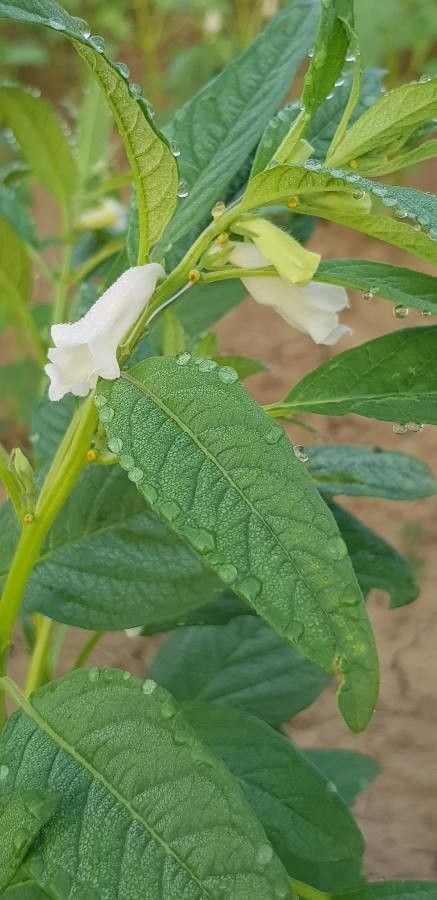
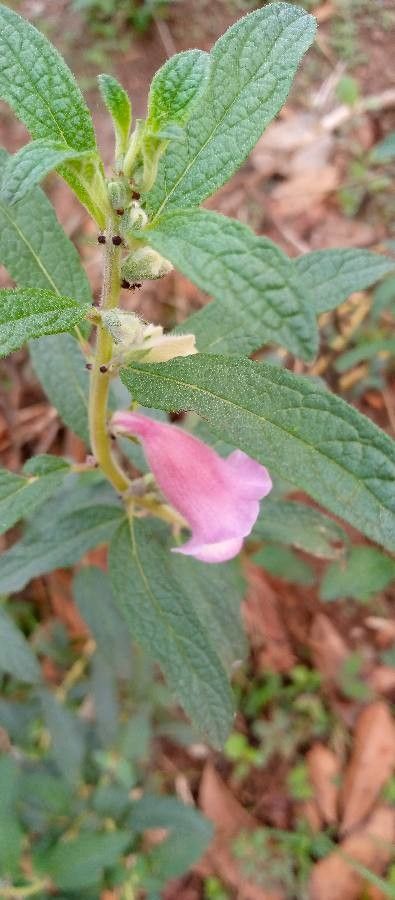
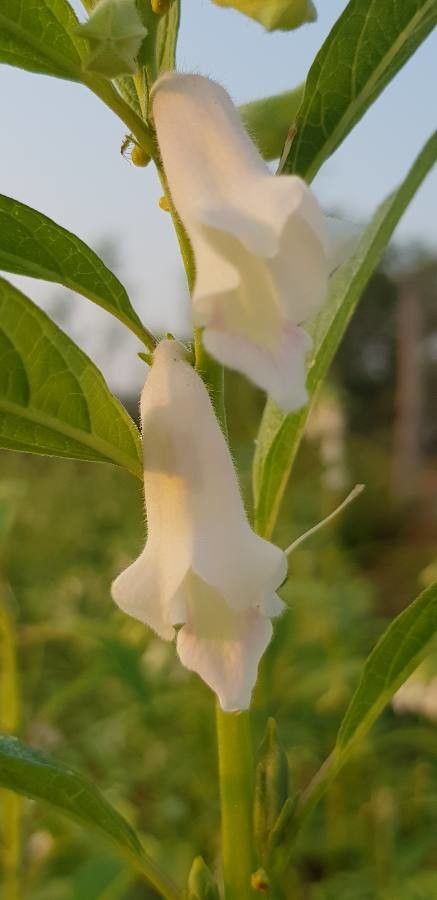
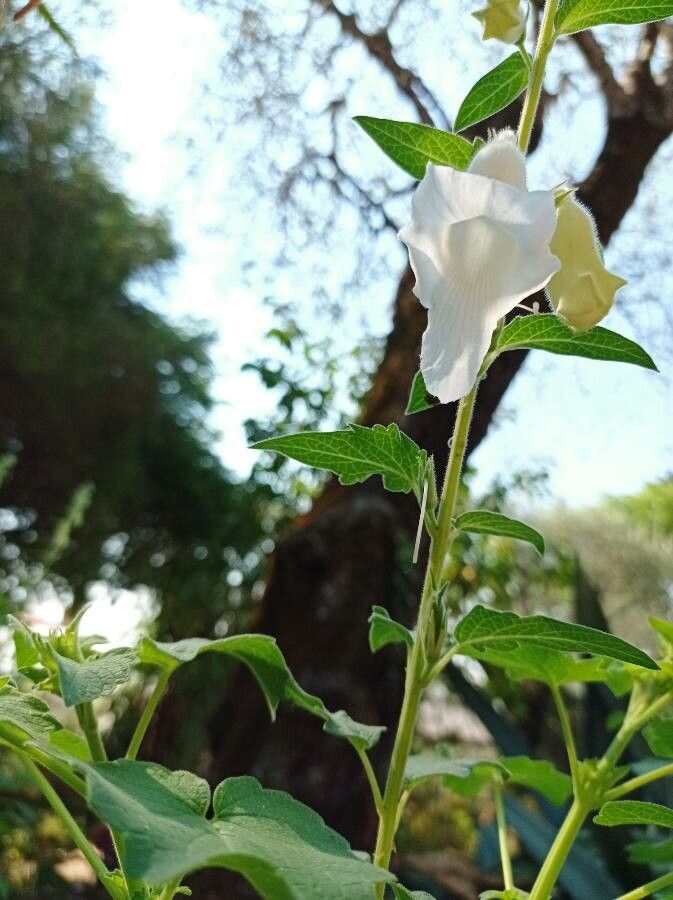
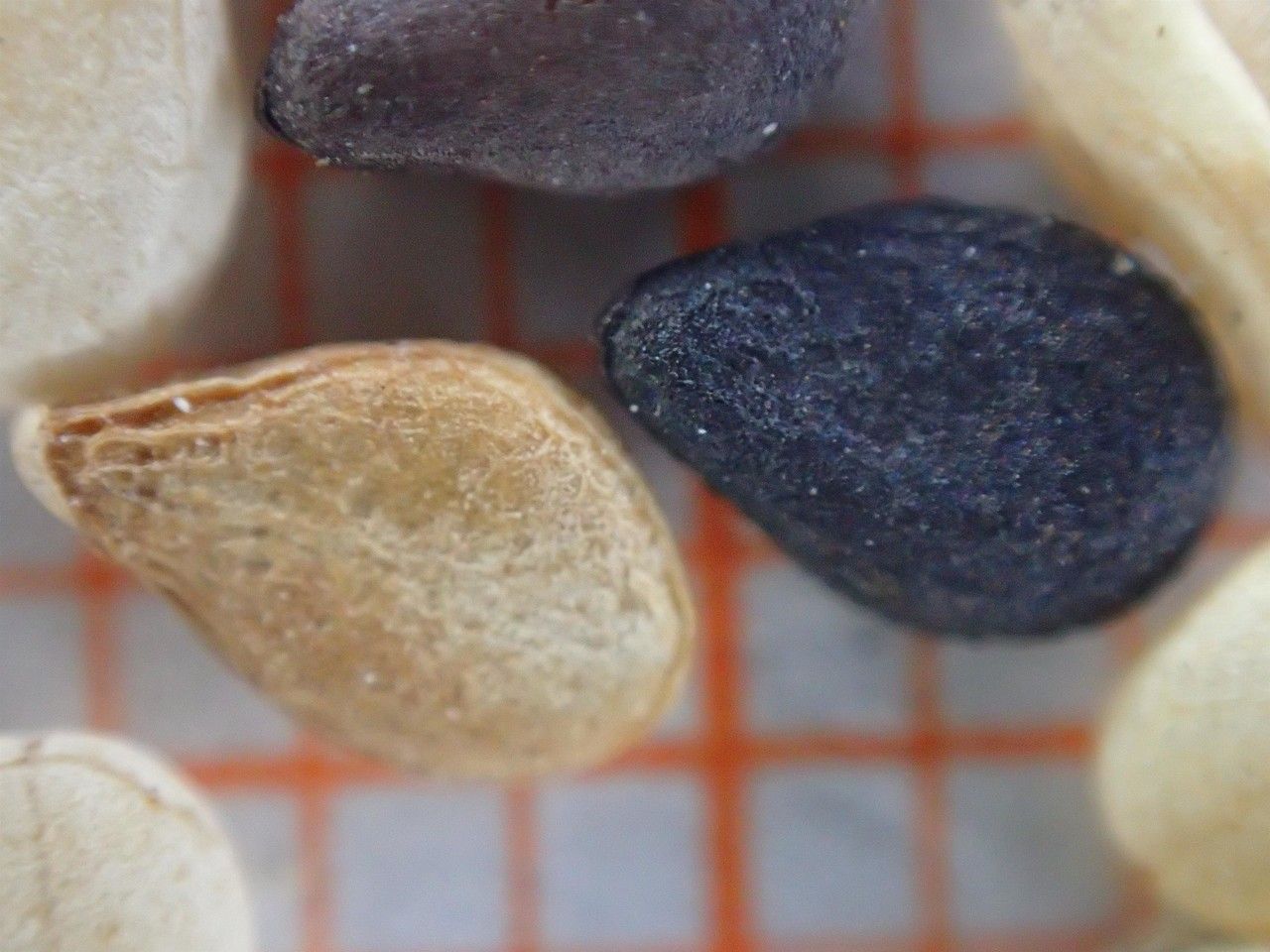
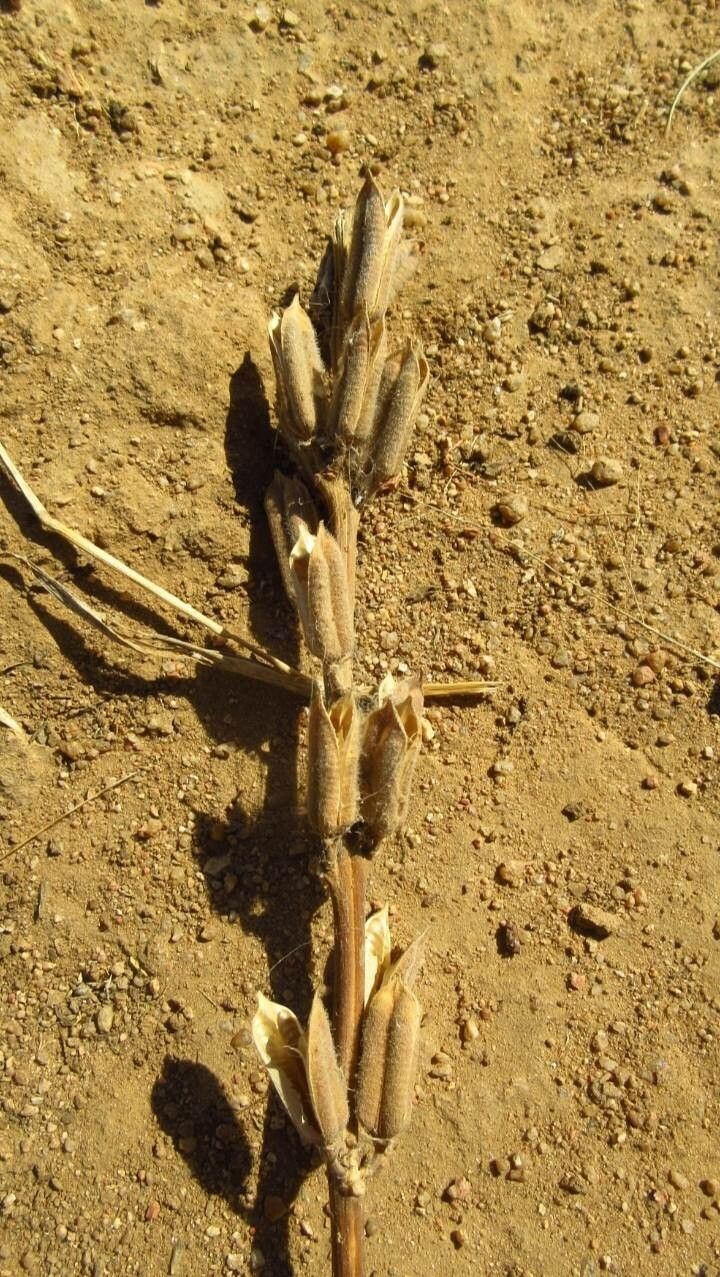
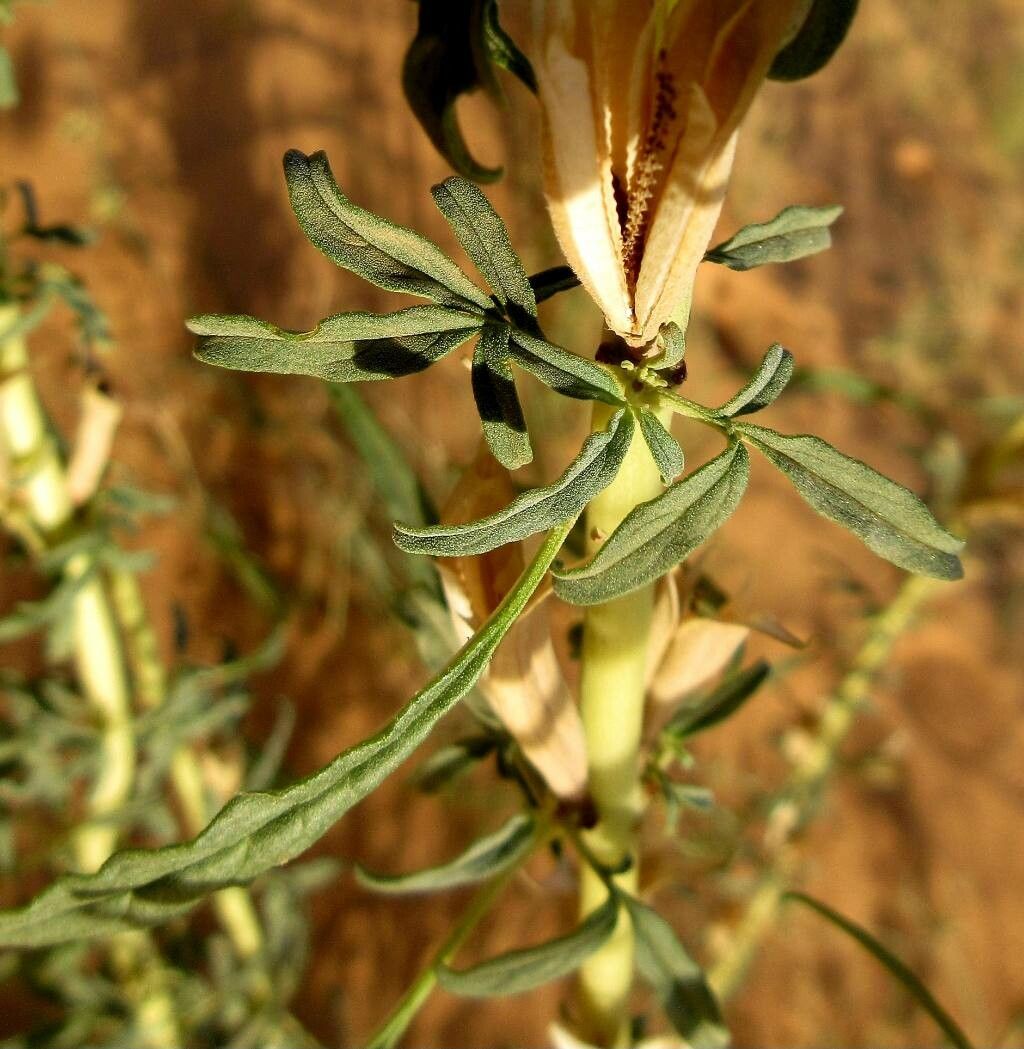
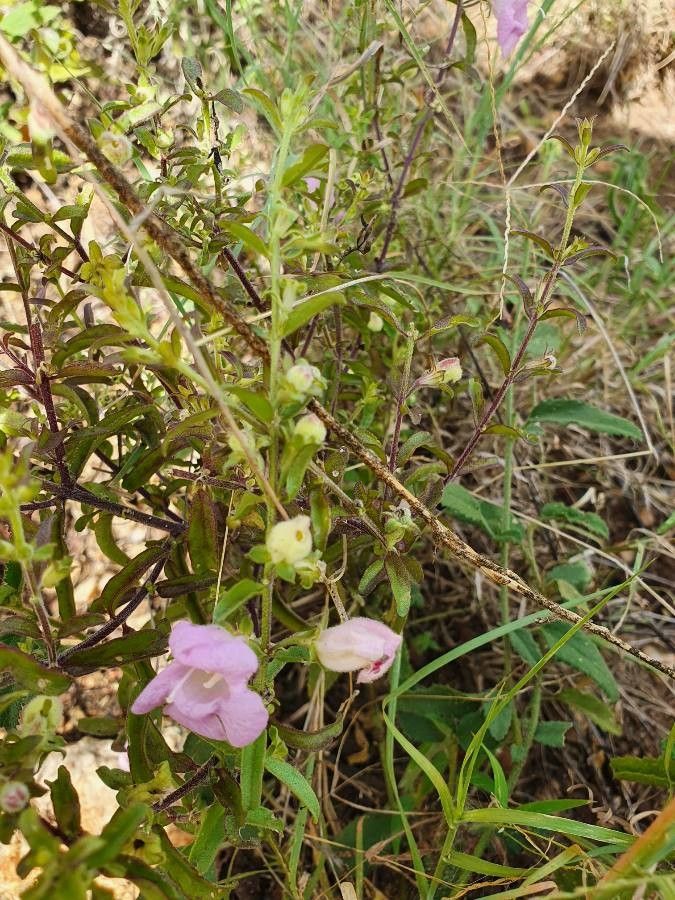
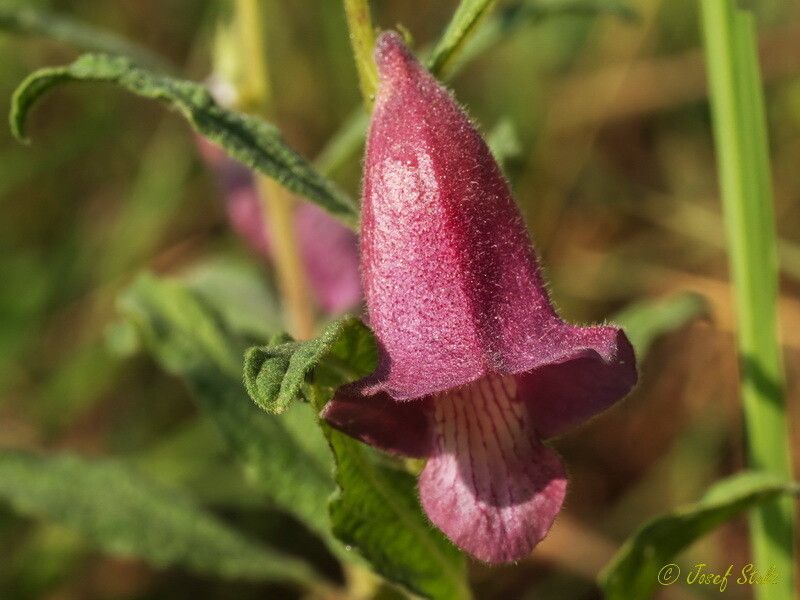
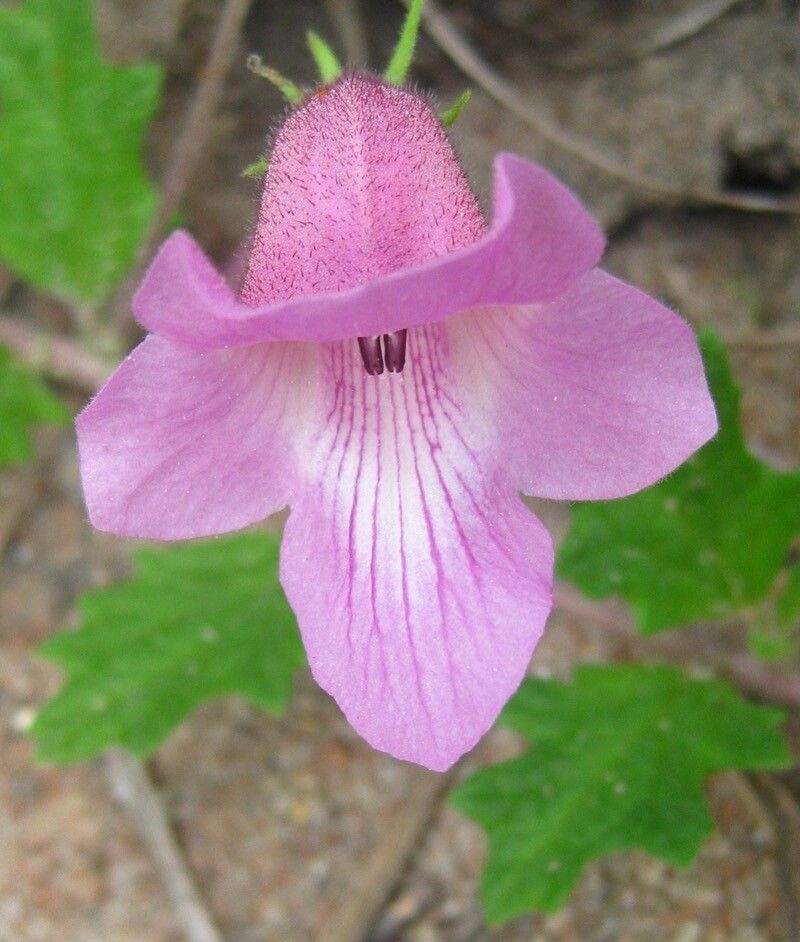
Sesame ( or ; Sesamum indicum) is a flowering plant in the genus Sesamum, also called benne. Numerous wild relatives occur in Africa and a smaller number in India. It is widely naturalized in tropical regions around the world and is cultivated for its edible seeds, which grow in pods. World production in 2018 was 6 million metric tons (5,900,000 long tons; 6,600,000 short tons), with Sudan, Myanmar, and India as the largest producers.Sesame seed is one of the oldest oilseed crops known, domesticated well over 3,000 years ago. Sesamum has many other species, most being wild and native to sub-Saharan Africa. S. indicum, the cultivated type, originated in India. It tolerates drought conditions well, growing where other crops fail. Sesame has one of the highest oil contents of any seed. With a rich, nutty flavor, it is a common ingredient in cuisines around the world. Like other foods, it can trigger allergic reactions in some people.
Sesamum indicum subsp. indicum has strong disease resistance and is generally not susceptible to illnesses. However, it can be affected by pests and diseases present in its vicinity. Such infections are generally mild. For care, this plant needs moderate maintenance. It should be pruned regularly to retain a good appearance and encourage healthy growth. Fertilizing can also help stimulate flowering. Sesamum indicum subsp. indicum is appropriate for anyone with outdoor space, like a garden or patio, and does not require extensive experience in plant care. It may need more attention if grown indoors.
How to keep Sesamum Orientale.
Light
Sesamum indicum subsp. indicum comes from bright, open habitats where it performs best in full sun. It can tolerate some shade but favors direct sunlight for optimal growth. This annual or biennial plant is noted for its sun-loving habit.
Temperature
Sesamum indicum subsp. indicum comes from tropical areas, where the climate is generally warm and humid. Therefore, it is well adapted to high temperatures and humidity. It does not tolerate abrupt temperature changes and prefers a steady thermal environment, so it's important to prevent temperature fluctuations indoors. It usually cannot withstand cold and needs relatively high temperatures to grow. If the ambient temperature falls too low, the plant may stop growing or even die.
Fertilizer
For best growth, Sesamum indicum subsp. indicum needs three fertilizer applications: before planting, about one month after seedling emergence, and a final application 1 to 1.5 months following the second. Some types of Sesamum indicum subsp. indicum also benefit from an extra fertilizer dose at planting to promote rapid growth.
Botanical profile.
- Plant Type
- Herb
- Life Cycle
- Annual
- Genus
- Sesamum
- Family
- Pedaliaceae
- Hardiness Zone
- 8-11
- Mature Height
- 0.49 m to 2.13 m
- Mature Spread
- 30 cm to 61 cm
- Leaf Color
- Green, Dark Green
- Leaf Type
- Deciduous
- Flower Color
- White
- Flower Size
- 2.03 cm to 4.06 cm
- Bloom Time
- Summer, Early fall, Mid fall
- Planting Time
- Spring, Summer
- Harvest Time
- Late summer, Fall, Early winter
- Native Area
- Nepal, Bangladesh, India
Other names.