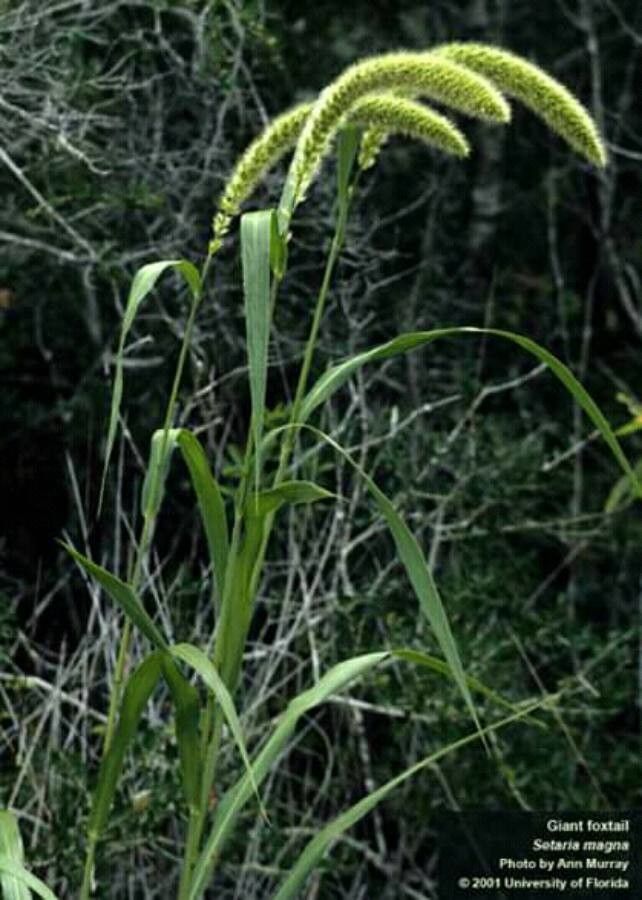
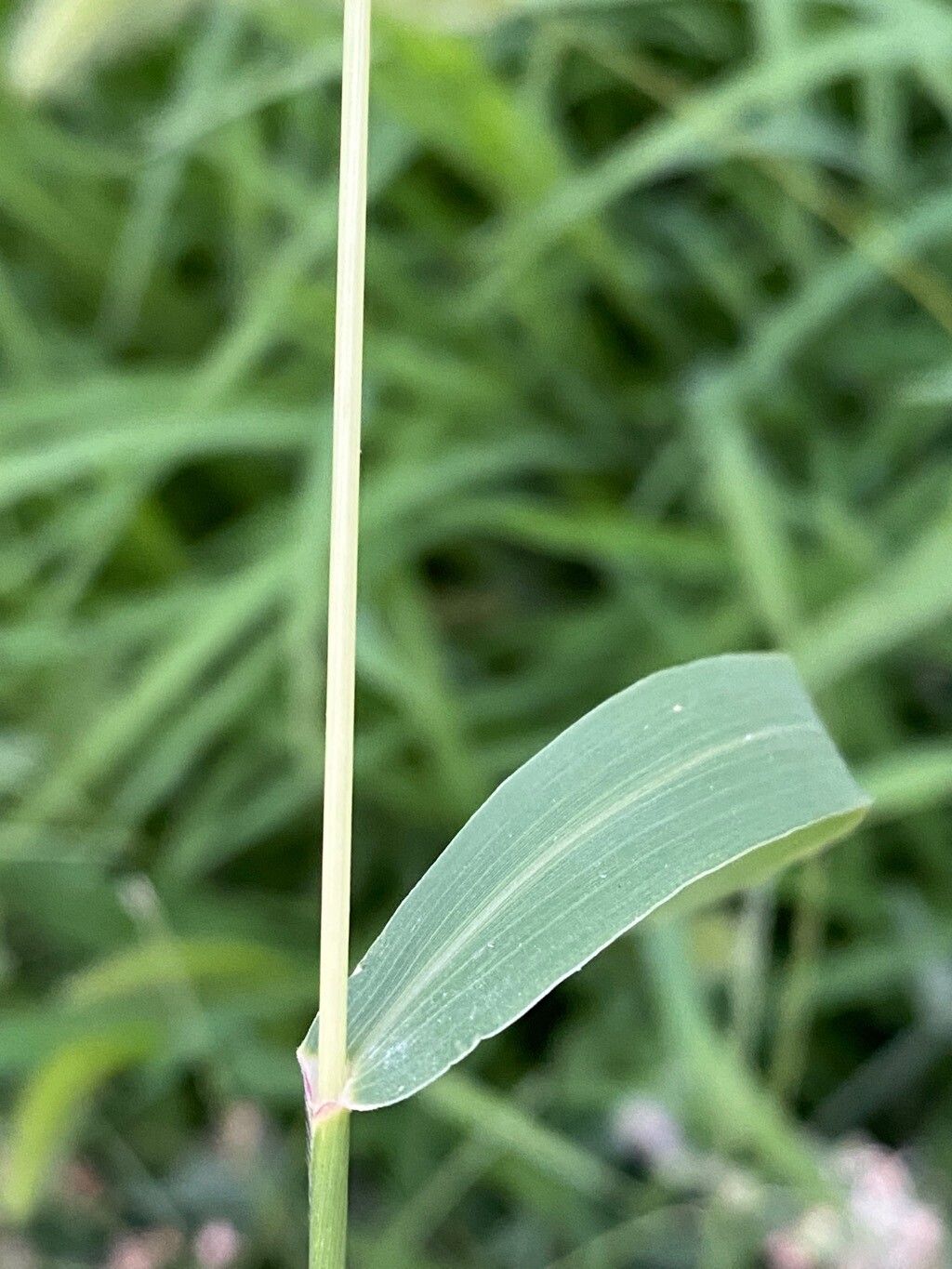
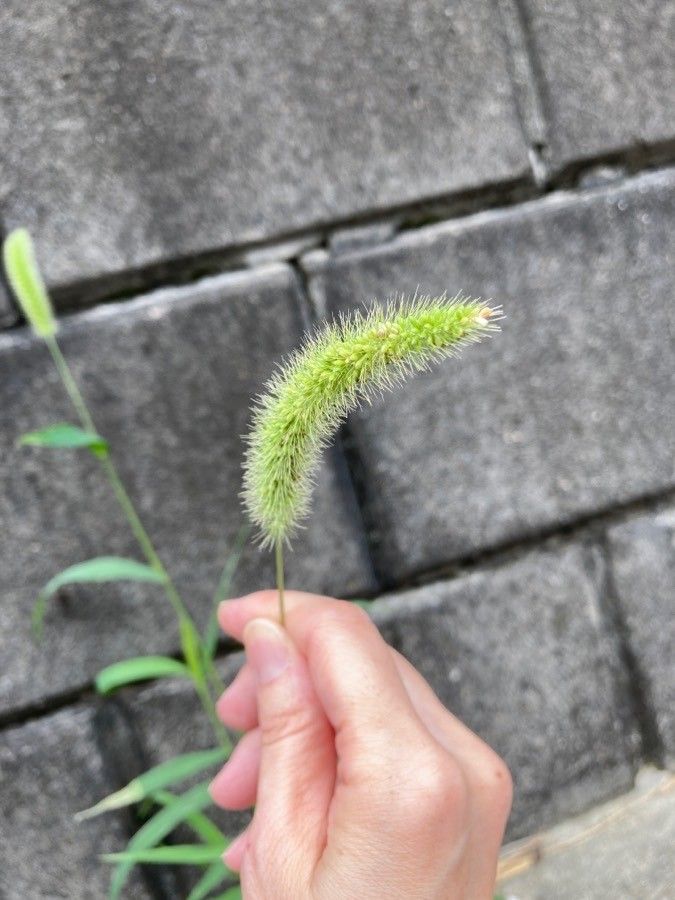
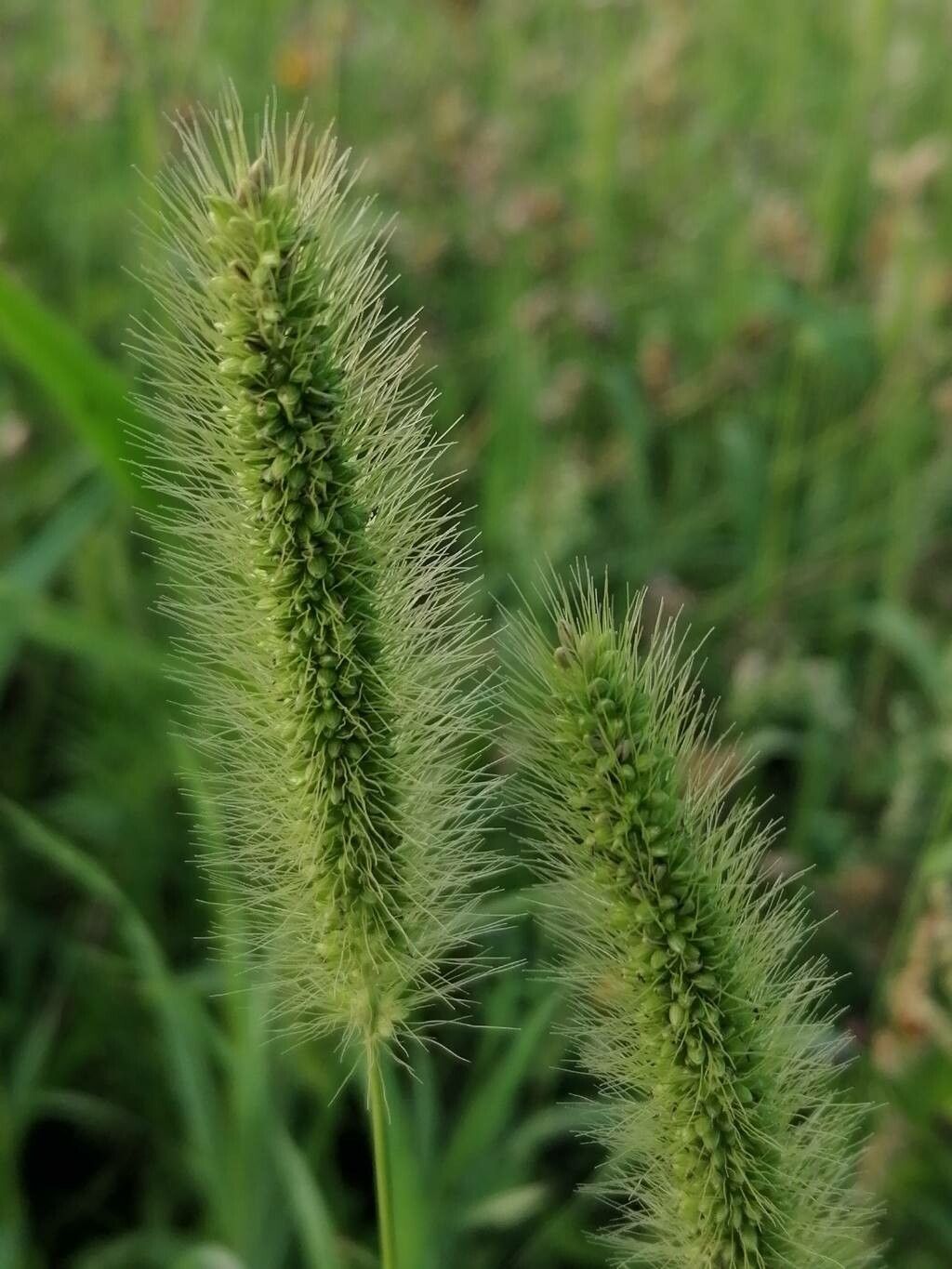
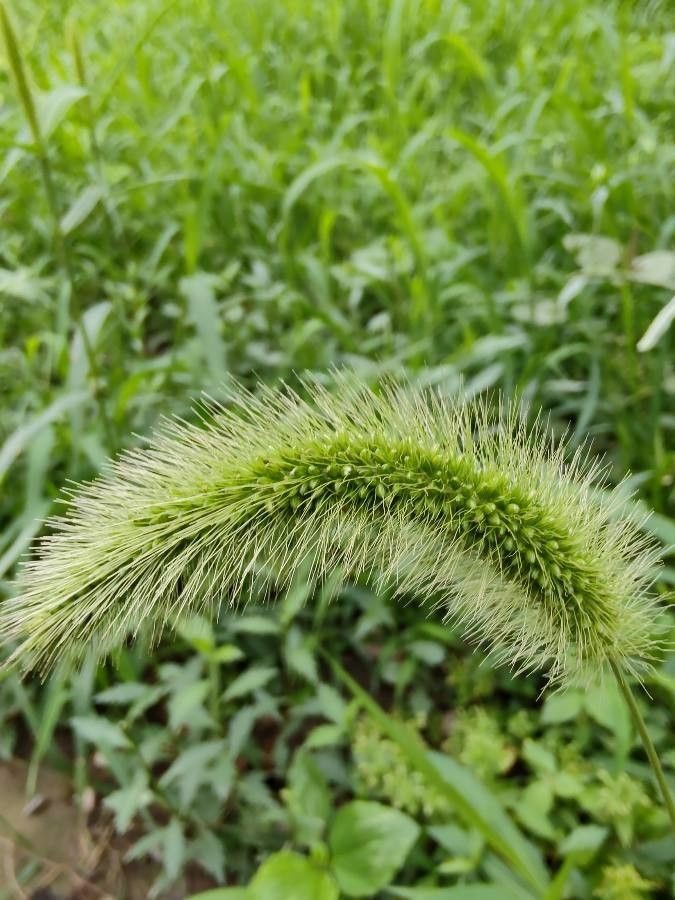
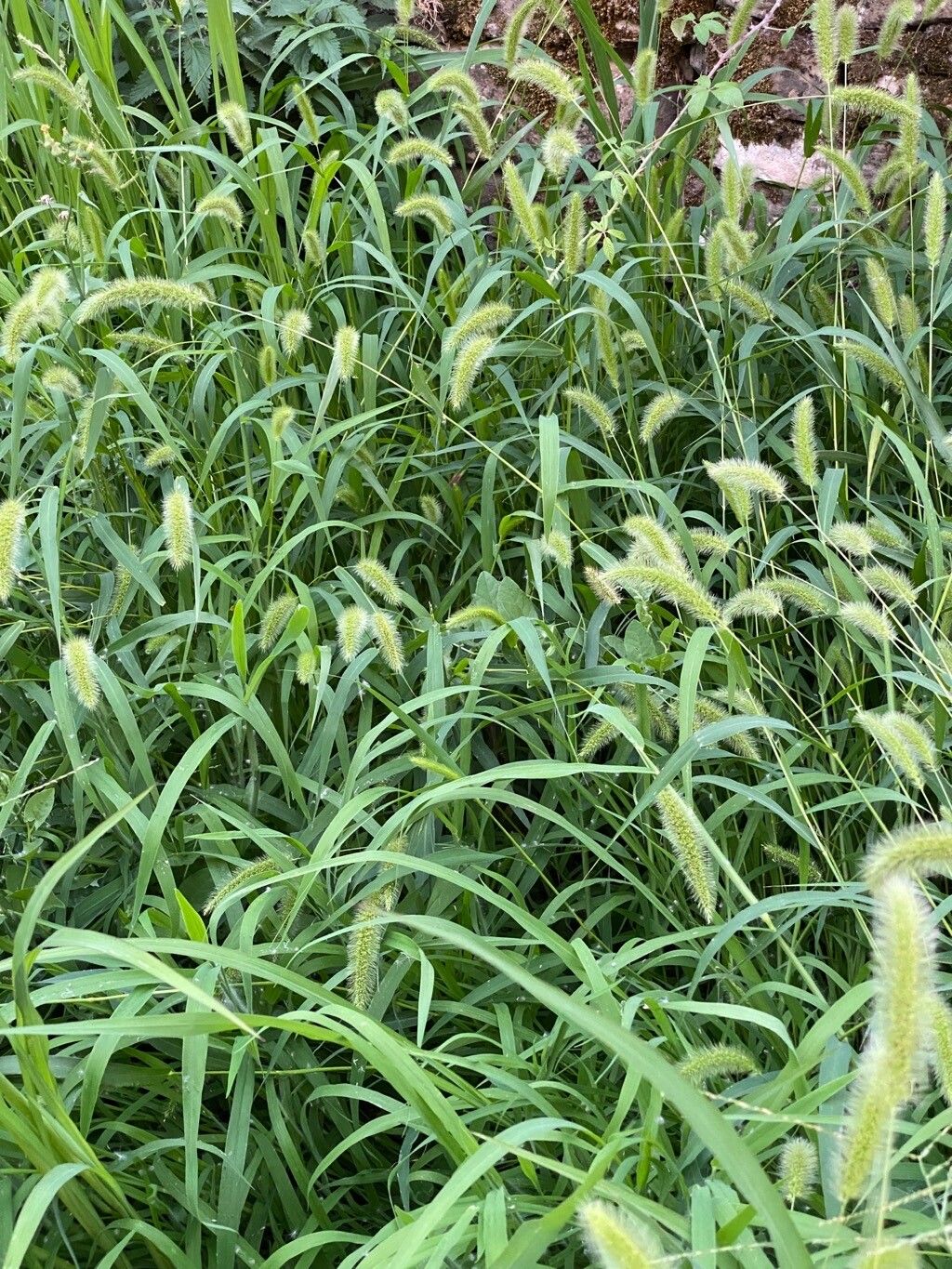
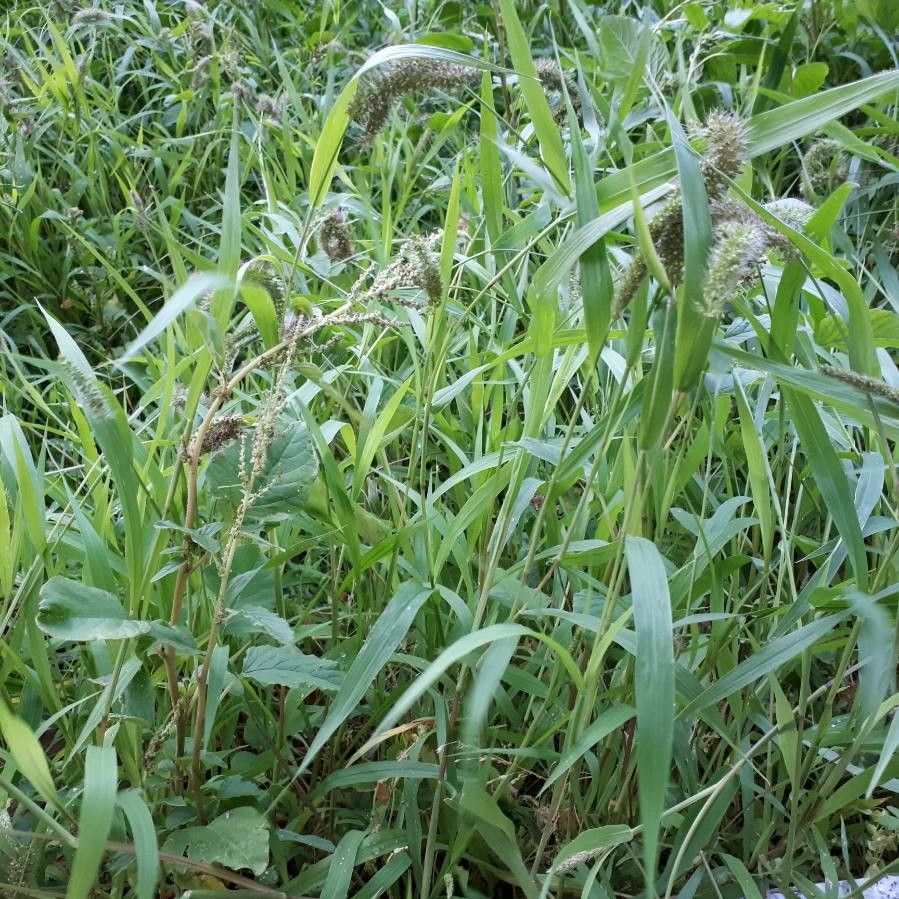
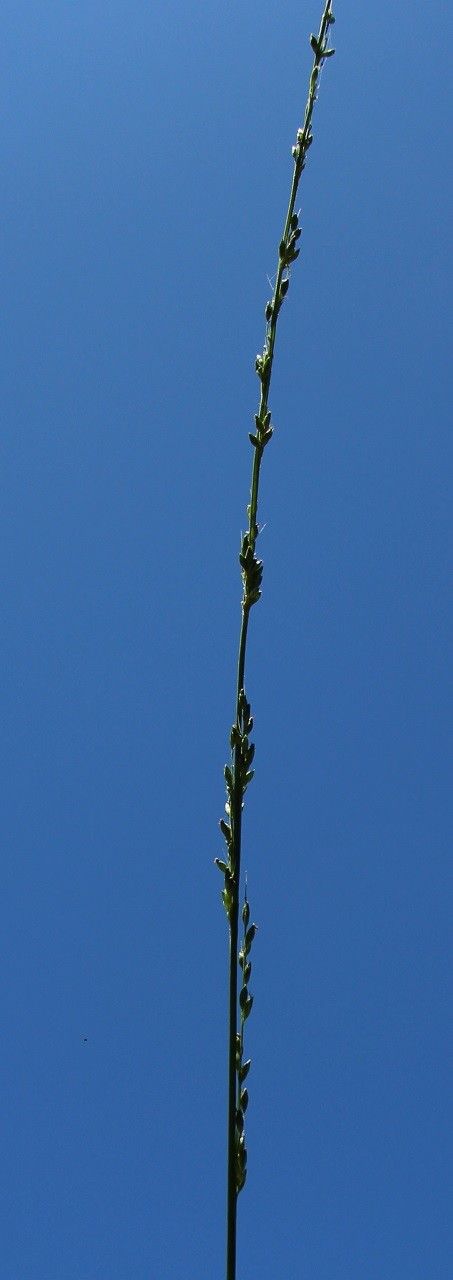
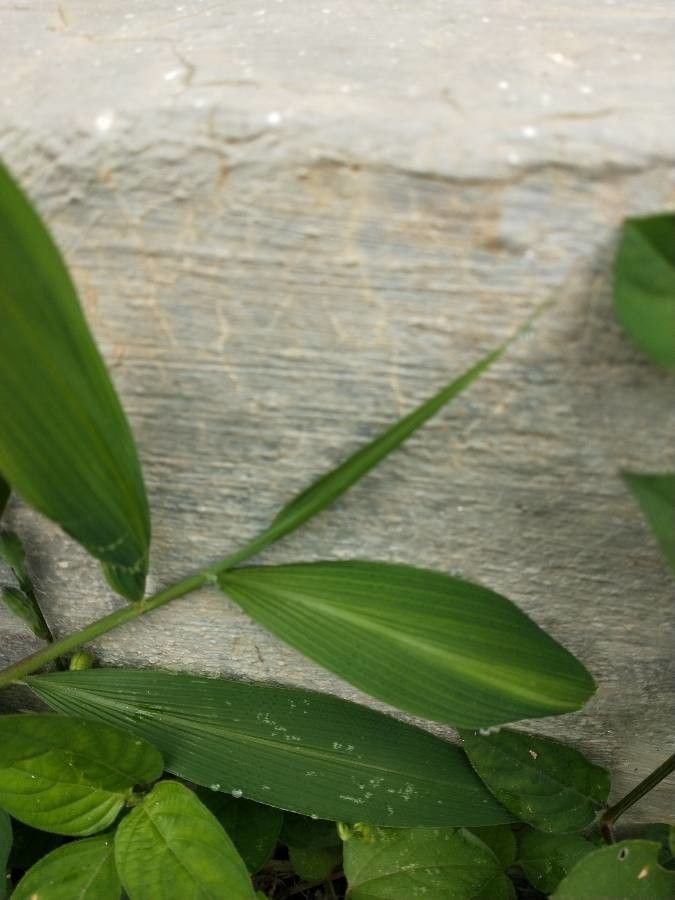
Setaria faberi, the Japanese bristlegrass, nodding bristle-grass, Chinese foxtail, Chinese millet, giant bristlegrass, giant foxtail or nodding foxtail, is an Asian grass. It is a summer annual, with plants emerging from seeds in the spring, and setting seeds in the late summer or fall. Giant foxtails prefer compacted soils, high in nitrogen and phosphorus. The plant gains a competitive edge on crops as the soil pH increases.
Japanese bristlegrass is resistant to disease and generally not prone to getting sick. Regarding care, this plant is fairly low-maintenance. When grown outdoors it needs only light watering, and larger plants usually do not require pruning. Smaller plants, however, should be pruned after they finish blooming. Japanese bristlegrass is suitable for anyone with an outdoor area, such as a garden or deck, and does not demand extensive care experience.
How to keep Setaria Faberi.
Light
Japanese bristlegrass does best in full sun and can tolerate some shade. Its native habitat has similar light conditions. Different stages of growth tolerate that light pattern. Excessive shading can impede growth, while prolonged full exposure may be too intense.
Water
Japanese bristlegrass thrives in soil that is consistently moist and benefits from regular watering. While it is moderately drought-tolerant, providing water once a week can help it grow better. Outdoors, this plant flourishes during its active growing season, naturally aligning with regional rainfall patterns.
Temperature
Japanese bristlegrass is native to habitats where temperatures generally range from 68 to 95°F (20 to 35°C). It prefers warm conditions and tends to do best toward the higher end of that range. Seasonal adjustments should be made to mimic these conditions.
Botanical profile.
- Plant Type
- Grass
- Life Cycle
- Annual
- Genus
- Setaria
- Family
- Poaceae
- Hardiness Zone
- 5-10
- Mature Height
- 0.49 m to 2.13 m
- Mature Spread
- 91 cm
- Leaf Color
- Green
- Leaf Type
- Deciduous
- Flower Color
- Yellow, Green, White, Purple, Brown
- Flower Size
- 1.02 cm to 2.54 cm
- Bloom Time
- Early summer, Mid summer
- Planting Time
- Autumn, Winter
- Harvest Time
- Mid summer
- Native Area
- Russia, Japan, Koppen, South Korea, China
Other names.
Reader questions.
What are the sunlight requirements for Japanese bristlegrass?
Japanese bristlegrass requires full sun to partial shade to thrive, with full sun meaning above 6 hours of sunlight and partial sun about 3-6 hours of sunlight daily. It's important to observe how sunlight moves through your garden to find spots that offer the right balance of light and shade, ensuring the plants' health and happiness.
What are the ideal temperature conditions for Japanese bristlegrass?
Japanese bristlegrass is indigenous to environments where the temperature typically ranges between 68 to 95°F (20 to 35°C). It prefers warmer conditions within this range. To accommodate seasonal changes, adjustments might be needed to mimic these conditions. The grass possesses strong cold resistance, hence special frost protection usually isn't required in winter. However, if temperatures are anticipated to fall below -25°C, cold protection becomes vital. This can be done by covering the plant with soil or straw. It's also recommended to water the plant abundantly before the first autumn freeze to ensure the soil remains moist and enters a frozen state, preventing drought and water scarcity during winter and early spring.
How essential is sunlight for the growth of Japanese bristlegrass?
Sunlight is crucial for Japanese bristlegrass, as it thrives best with exposure to full daylight and can withstand some shade. Its growth stages can tolerate varying light conditions, though excessive shading can hinder growth and too much direct sunlight may also be detrimental. Artificial lighting can provide a solution for indoor plants that do not receive adequate natural sunlight, with recommendations for LED lights and guidelines on wattage per square foot based on the plant's sunlight needs.
How does Japanese bristlegrass react to low temperatures?
Japanese bristlegrass is cold-tolerant, performing optimally when temperatures are above 20°C. Throughout winter, temperatures should be maintained above 0°C. If temperatures drop below -25°C, though the plant may not show noticeable changes during winter, it could lead to decreased sprouting or even a lack of sprouting in spring. A solution for when sprouting fails in spring is to remove the non-sprouting parts of the plant.
What are the symptoms of inadequate sunlight for Japanese bristlegrass?
When Japanese bristlegrass does not receive enough light, it may display symptoms such as smaller than usual leaves, leggy or sparse growth, faster leaf drop, slower or halted growth, lighter-colored new leaves, and symptoms of excessive sunlight exposure like chlorosis, sunscald, leaf curling, wilting, and leaf scorching. These signs indicate that the plant is struggling with the light conditions it is in.
What should be done if Japanese bristlegrass is exposed to high temperatures?
During the summer months, it's important to ensure that the temperature surrounding Japanese bristlegrass does not exceed 35°C. Exposure to temperatures above 41°C may lead to the plant's leaves becoming lighter in color, curling, becoming prone to sunburn, and in severe cases, the plant may wilt and dry out completely. To mitigate these issues, trim away any sunburned or dried-up parts of the plant. Relocating the plant to a shaded area during the midday and afternoon sun or using a shade cloth can provide necessary protection. Additionally, watering the plant in the morning and evening will help maintain soil moisture.
What solutions are available for Japanese bristlegrass receiving inadequate sunlight?
To counteract inadequate sunlight, indoor plants can be gradually moved to sunnier locations or supplemented with artificial light for at least 8 hours daily. For outdoor plants, adjusting their location gradually to increase sunlight exposure without causing sunburn is key. Reducing obstructions, such as pruning trees that block sunlight, and transplanting smaller plants to sunnier areas with good drainage are effective measures to ensure the plant receives adequate sunlight. It's important to note that parts of the plant already affected by insufficient light may not recover, but new growth should be healthy with improved light conditions.