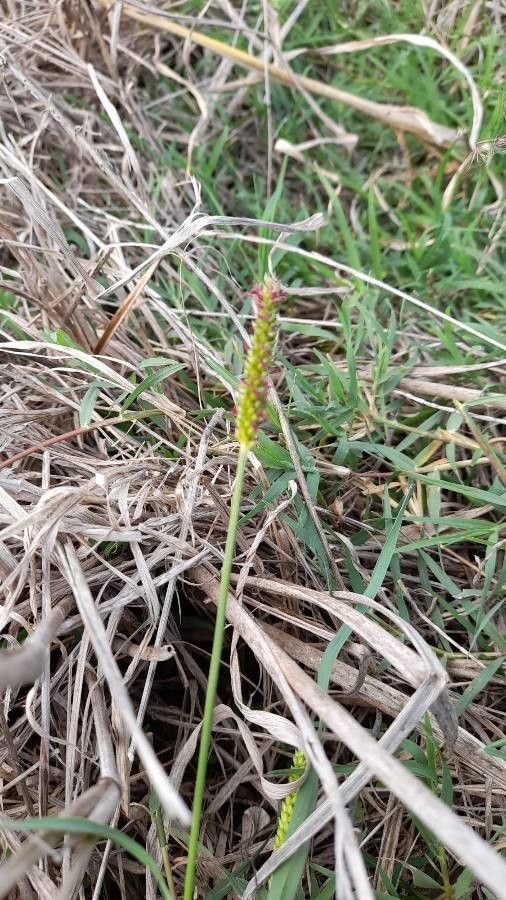
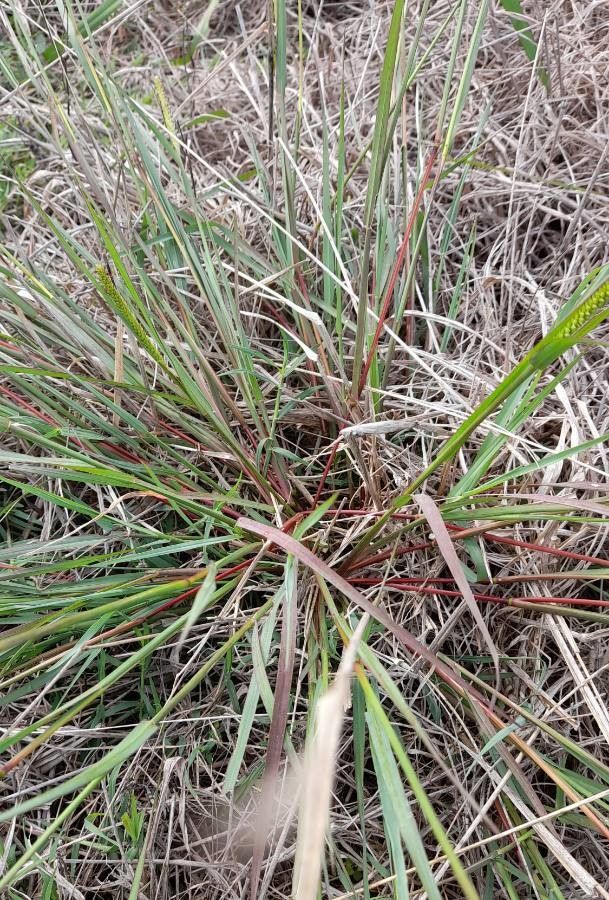
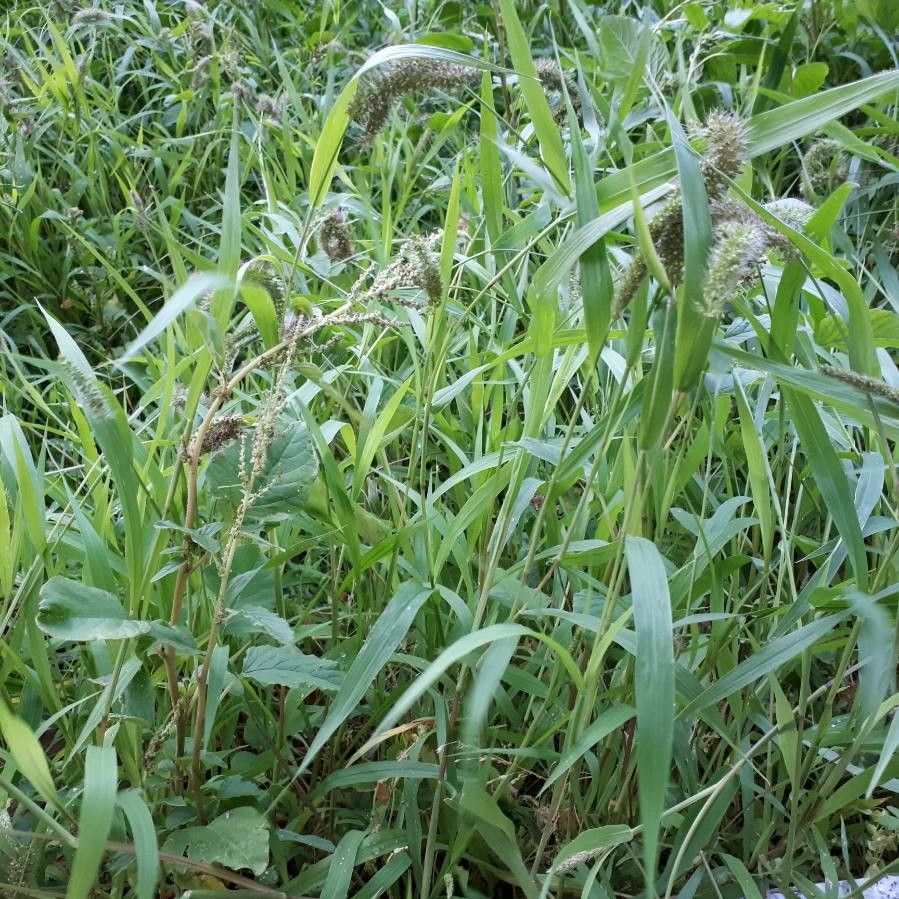
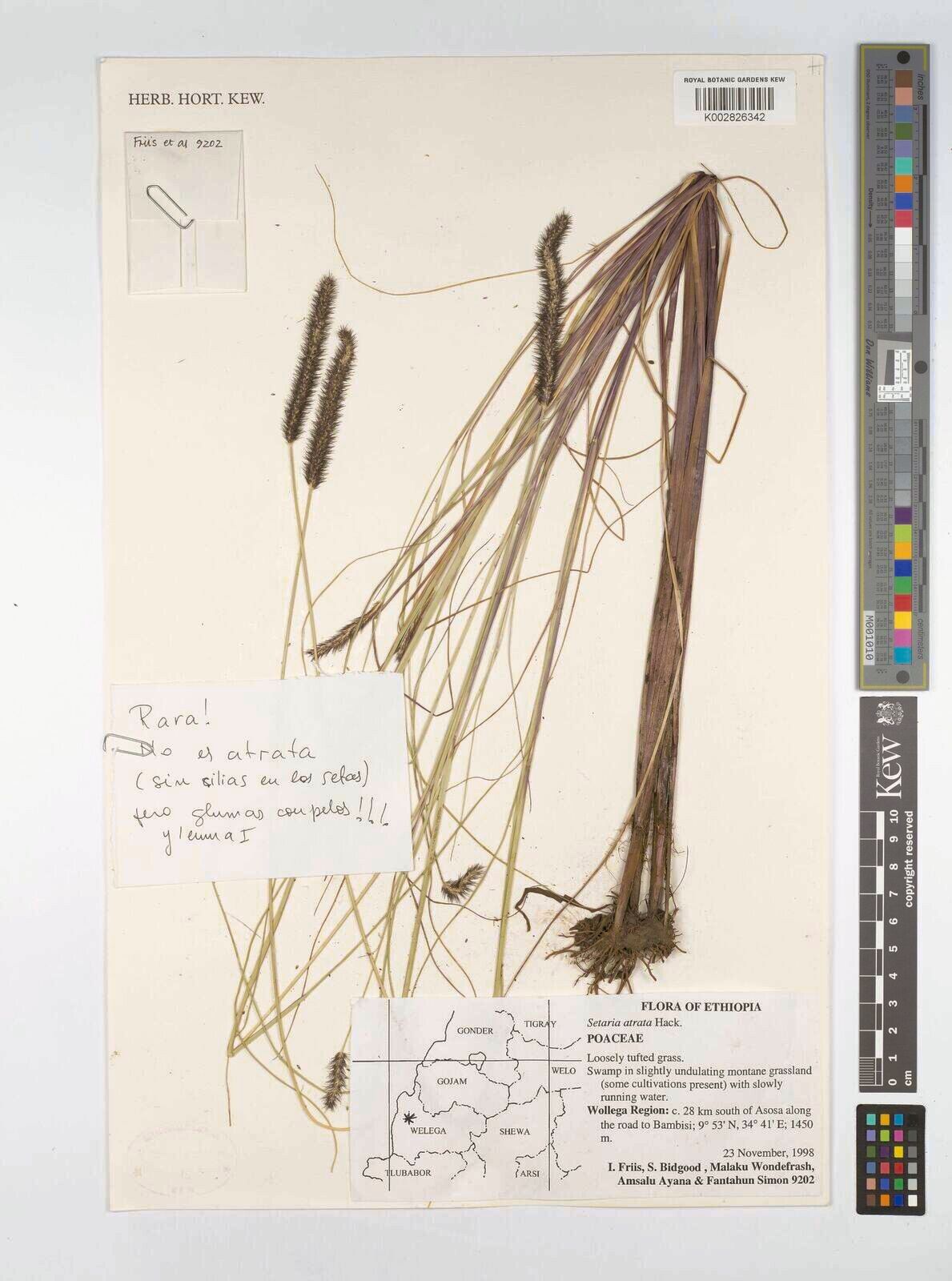
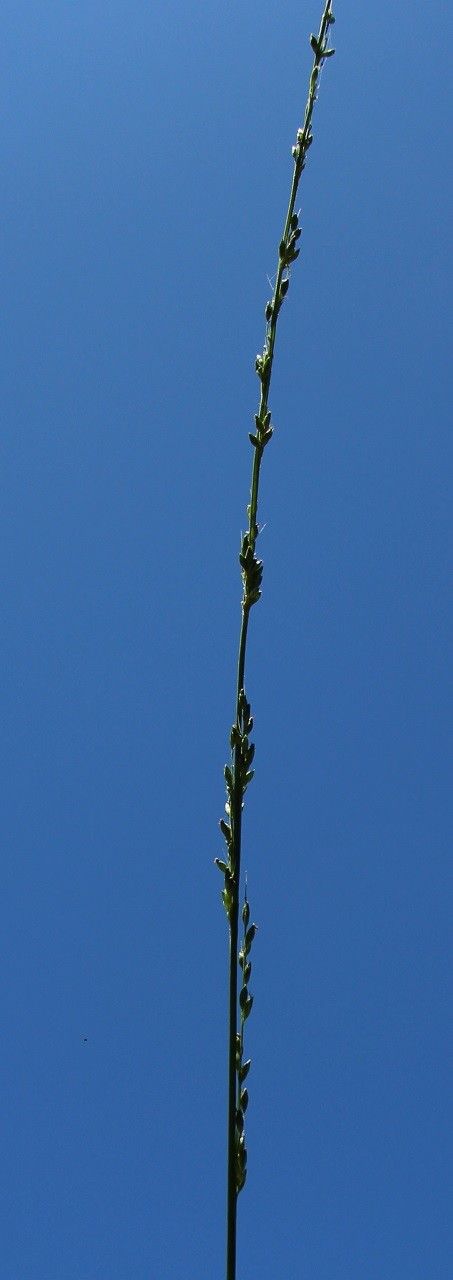
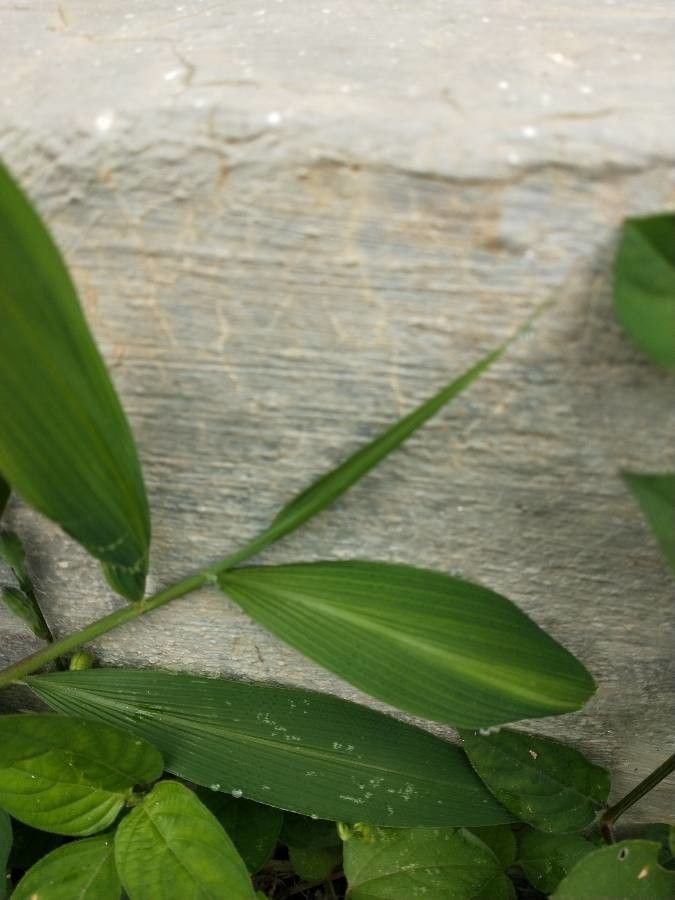
Setaria leucopila, commonly known as streambed bristlegrass or plains bristlegrass, is a perennial prairie grass that is native to the southern plains of the United States.
Streambed bristlegrass has strong resistance to disease and is generally not susceptible to illnesses. Regarding care, this plant is fairly low maintenance. When grown outdoors it needs little watering; larger plants usually do not require pruning, while smaller ones should be pruned after they finish blooming. Streambed bristlegrass is appropriate for anyone with an outdoor area, such as a garden or deck, and does not demand much care experience.
How to keep Setaria Leucopila.
Light
Streambed bristlegrass is a sun-loving, perennial herbaceous plant native to open habitats and often found in meadows and grasslands. It prefers full sun but can also tolerate partial sun.
Water
Streambed bristlegrass, native to arid regions, is drought-tolerant and needs weekly watering to prevent over-saturation. It is ideally grown outdoors in well-draining soil, which mimics its natural habitat and benefits from natural rainfall patterns.
Temperature
Streambed bristlegrass can tolerate a wide range of temperatures, but its distribution may still be restricted by different combinations of moisture and heat. It performs best in warm summer climates with sufficient rainfall or watering. Extended periods of cloudy, rainy weather or prolonged high temperatures can raise the chance of Streambed bristlegrass dying. In winter, adequate protection from cold can increase the plant's survival.
Fertilizer
Streambed bristlegrass needs additional nutrients to encourage healthy new growth. In spring, spreading compost around the base of the plant is an effective way to supply the required nourishment. Fertilizing supports robust growth and helps the plant resist diseases and pests.
Pruning
Streambed bristlegrass, known for its bristle-like flower clusters, thrives in dry conditions. It benefits from annual pruning in early spring. Trim back the old stalks to encourage healthy growth and denser foliage, and remove spent flowers to prevent them from seeding. Always use sterilized tools to ensure clean cuts and prevent disease.
Botanical profile.
- Plant Type
- Grass
- Life Cycle
- Perennial
- Genus
- Setaria
- Family
- Poaceae
- Hardiness Zone
- 7-11
- Mature Height
- 10 cm to 91 cm
- Mature Spread
- 20 cm to 40 cm
- Leaf Color
- Green, Light Green
- Leaf Type
- Semi-evergreen
- Flower Color
- White, Yellow, Green, Brown
- Flower Size
- 1.02 cm to 1.52 cm
- Bloom Time
- Summer, Early fall
- Planting Time
- Spring, Summer, Autumn
- Harvest Time
- Late summer, Fall
- Native Area
- Argentina, Mexico
Other names.
Reader questions.
What are the sunlight requirements for Streambed bristlegrass?
Streambed bristlegrass requires full sun exposure, which means it needs above 6 hours of sunlight per day to thrive optimally. However, it can also tolerate partial sun conditions, meaning it can grow in about 3-6 hours of sunlight as well. It's essential to watch how sunlight moves through your garden to choose spots that provide the right balance of light and shade for your plants, ensuring their happiness and health.
Can Streambed bristlegrass grow under artificial lighting?
Yes, Streambed bristlegrass can grow under artificial lighting, especially when natural sunlight is insufficient, like in winter or less sunny spaces. Adequate lighting is crucial for indoor plants, and artificial lights like LED can offer a vital solution. For optimal growth, full sun plants need 30-50W/sq ft of artificial light, partial sun plants 20-30W/sq ft, and full shade plants 10-20W/sq ft. The light source should be placed 12-36 inches above the plant to mimic natural sunlight, with 8-12 hours of light per day mimicking natural daylight hours.
What are the symptoms of light deficiency in Streambed bristlegrass?
Symptoms of light deficiency in Streambed bristlegrass include new leaves growing smaller than previous ones, leggy or sparse growth, faster leaf drop, slower or no new growth, lighter-colored new leaves, chlorosis, sunscald, leaf curling, wilting, and leaf scorching. These symptoms indicate insufficient sunlight, which affects the plant's health and growth.
What are the solutions for light deficiency in Streambed bristlegrass?
For indoor Streambed bristlegrass experiencing light deficiency, gradually moving the plant to a sunnier location each week until it receives at least 6 hours of direct sunlight daily is recommended. Utilize a south-facing window and keep curtains open during the day. If the plant is large, consider using artificial grow lights for at least 8 hours daily. Outdoors, you should gradually move your plants to sunnier locations to avoid sunburn. Removing obstructions like pruning trees or transplanting to sunnier locations with good drainage can also help increase sunlight exposure. New growth should return to healthy after increasing light exposure.