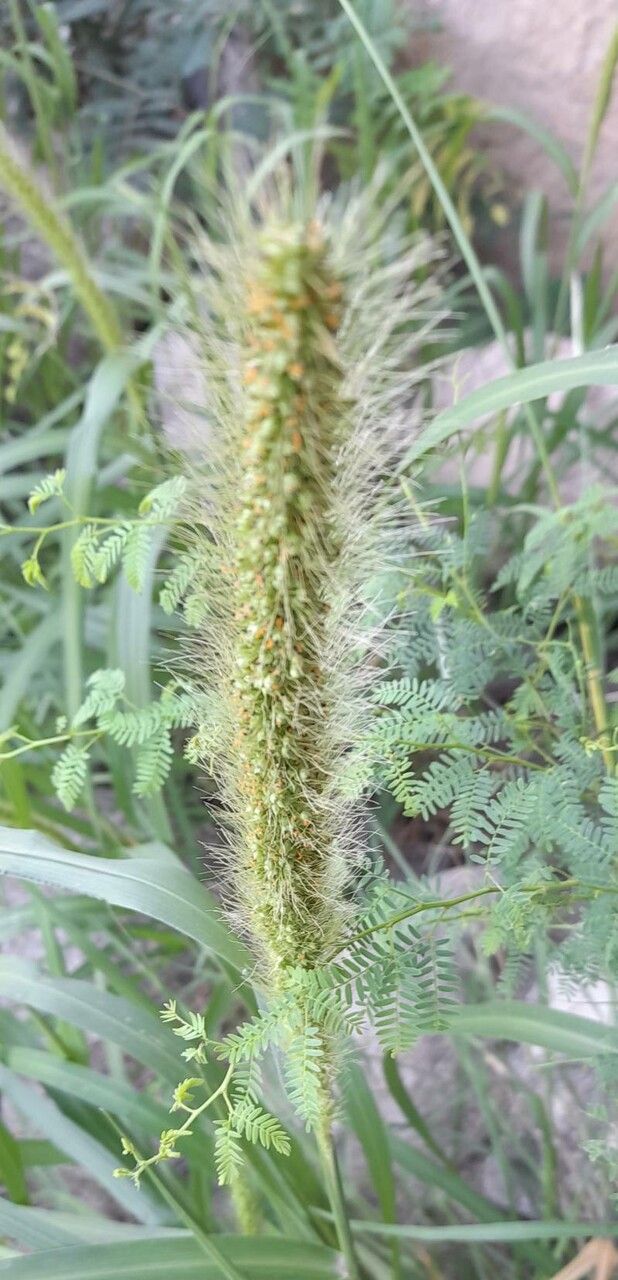
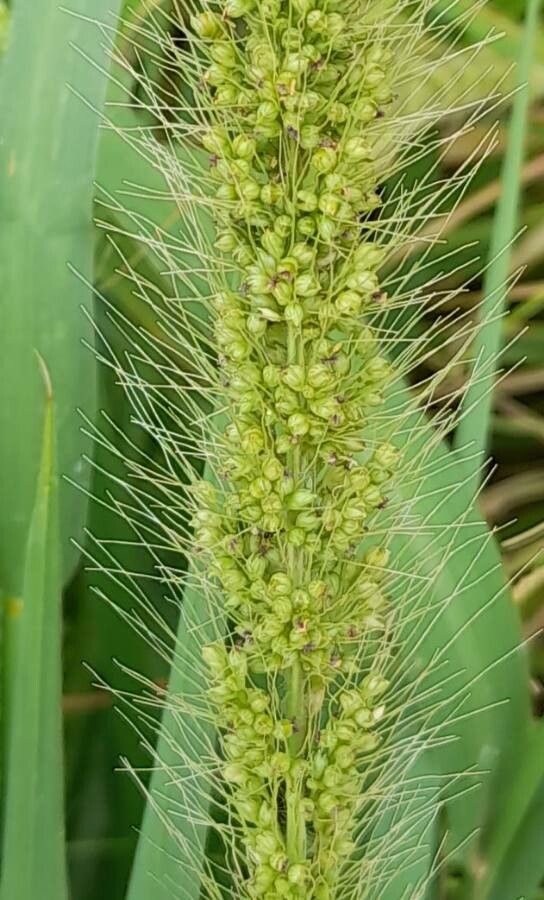
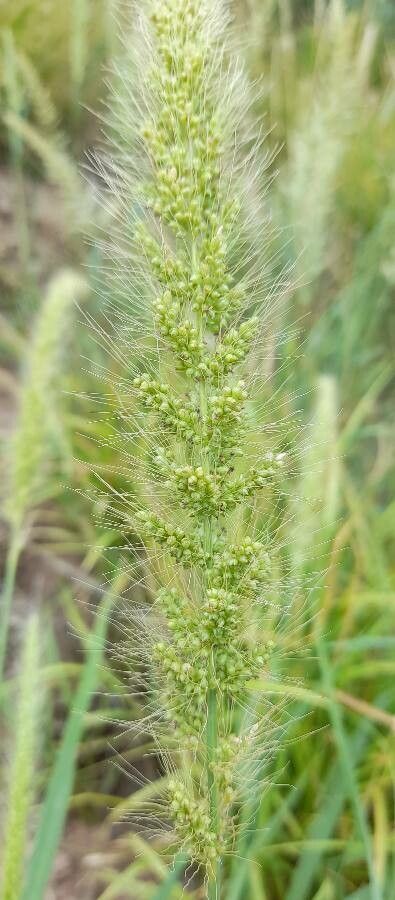
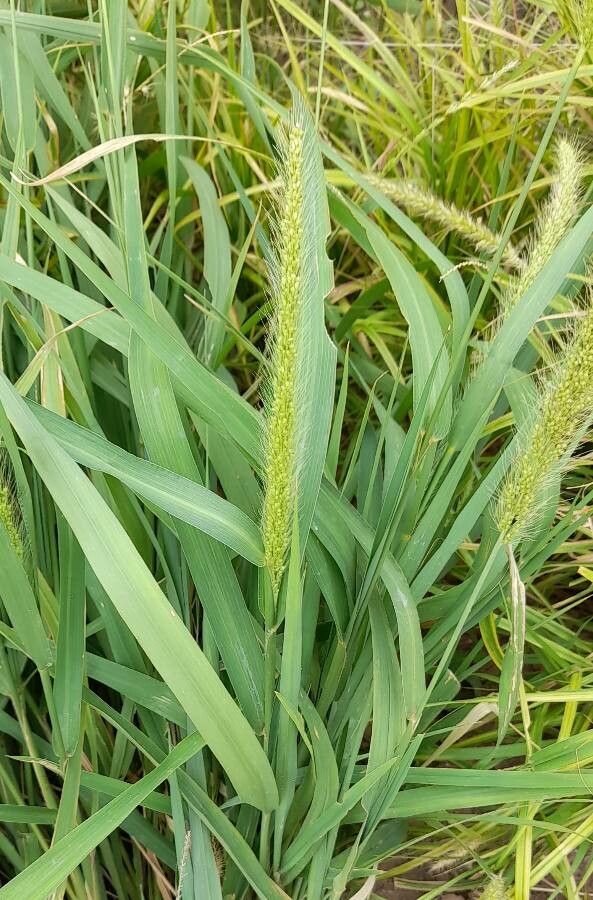
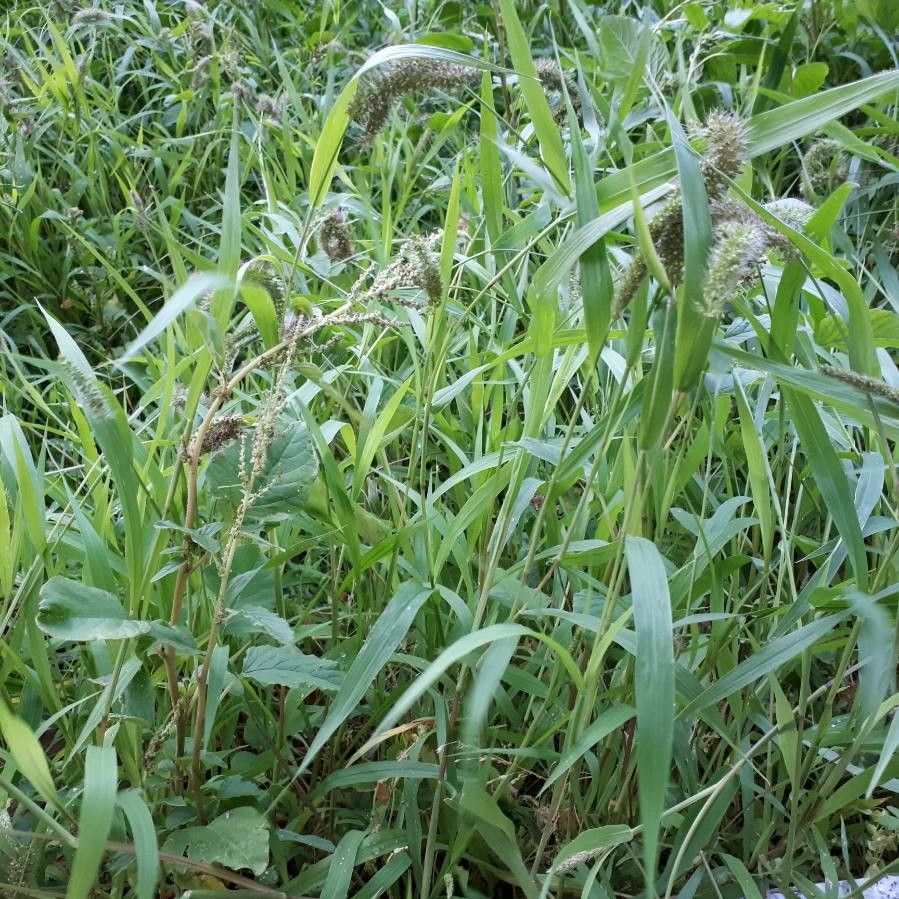
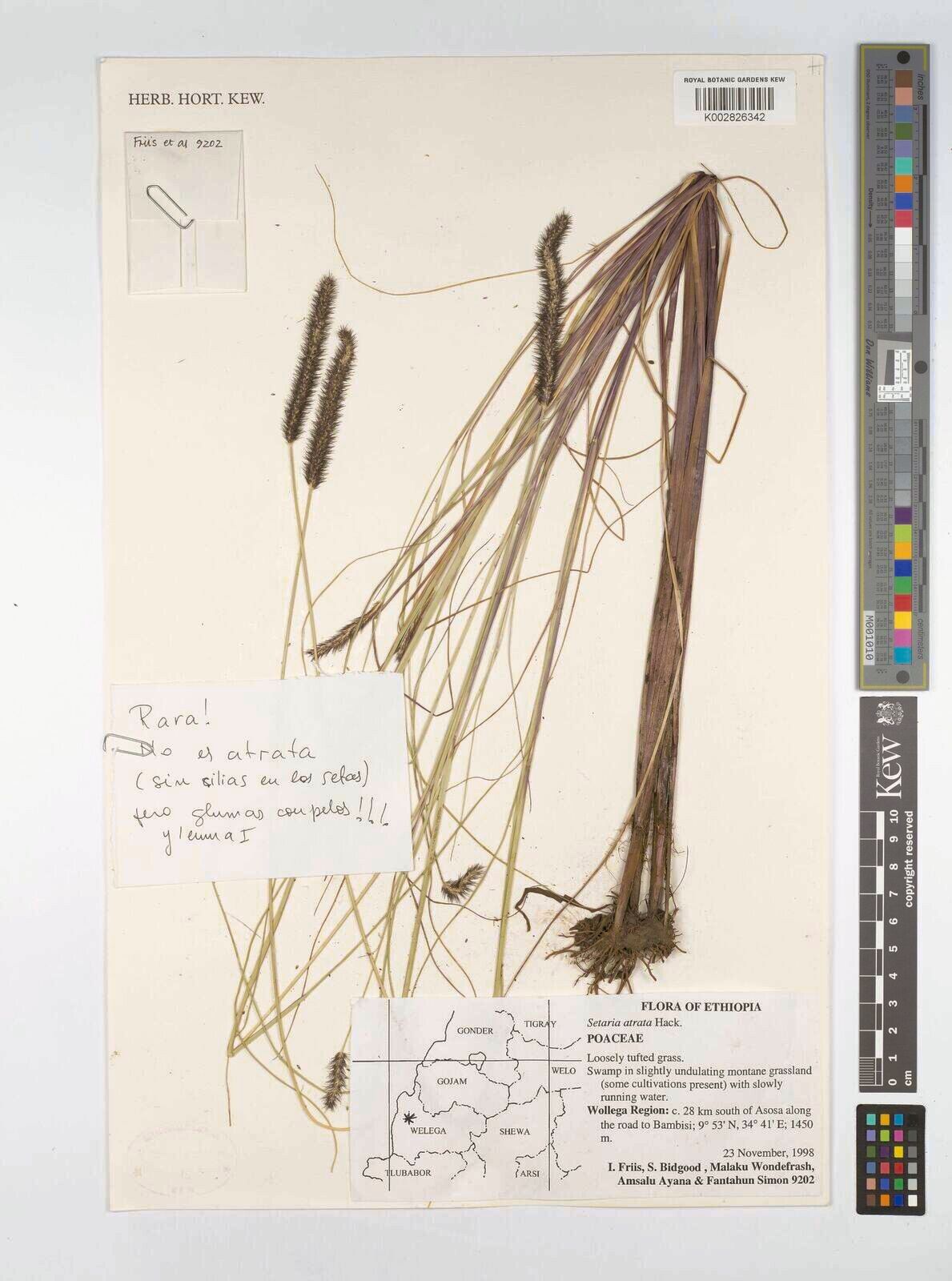
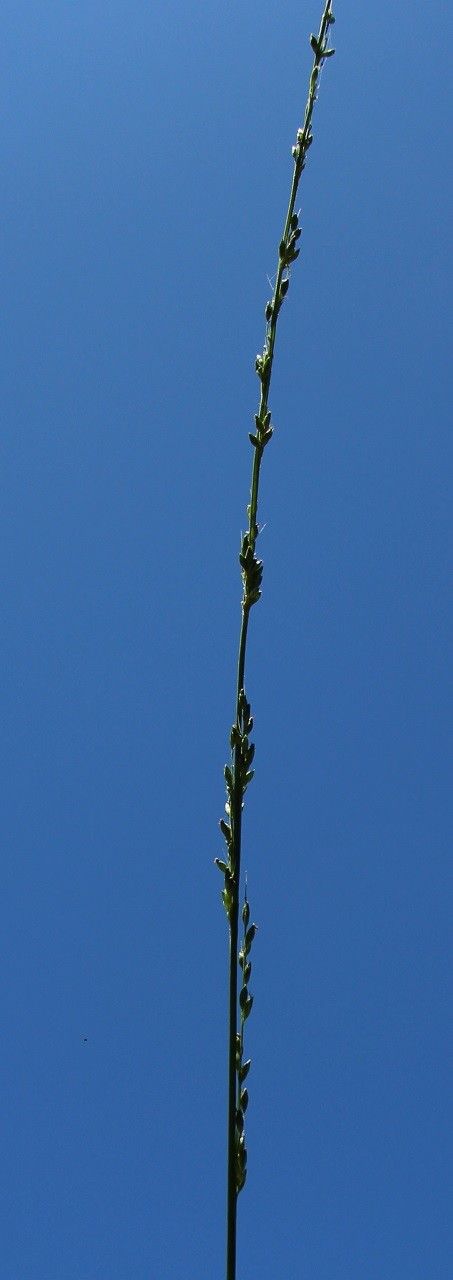
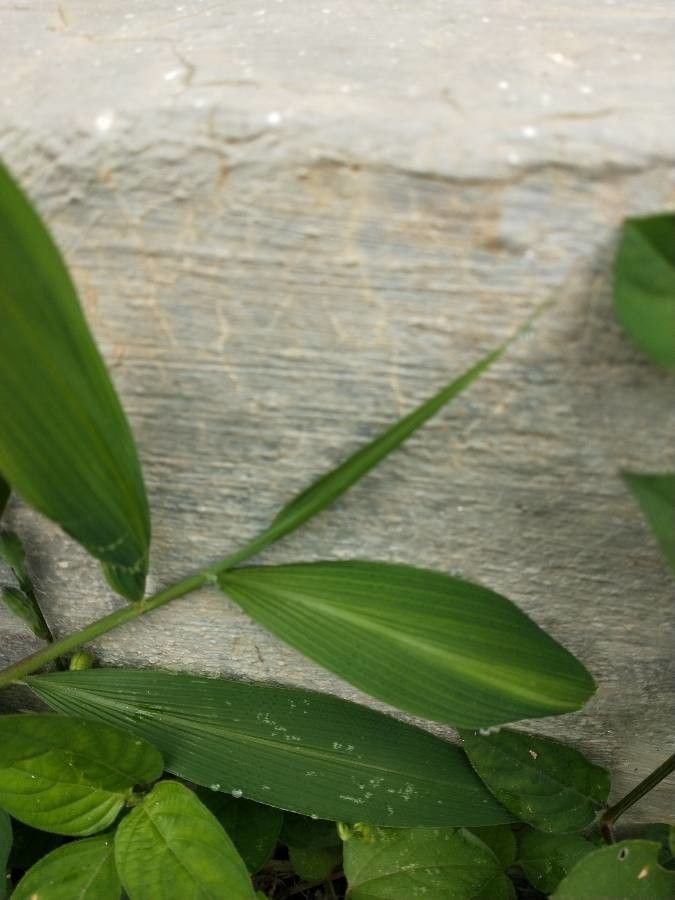
Large-spike bristlegrass is fairly disease-resistant and typically does not suffer from illnesses. Regarding care, this plant is relatively low-maintenance. When grown outdoors it needs little watering, and larger plants usually do not require pruning. Smaller plants, however, should be trimmed after they bloom. Large-spike bristlegrass is appropriate for anyone with outdoor space, such as a garden or a deck, and does not demand extensive care experience.
How to keep Setaria Macrostachya.
Light
Large-spike bristlegrass is a sun-loving, herbaceous perennial native to open habitats and often found growing in meadows and grasslands. It prefers full sun but can also tolerate partial sun.
Temperature
Large-spike bristlegrass comes from tropical areas, where the weather is generally warm and humid. Consequently, it is well-suited to high temperatures and moisture. It does not tolerate sudden temperature changes and prefers a consistent thermal environment, so preventing temperature swings indoors is important. It typically cannot withstand cold and needs warmer conditions to grow. If the ambient temperature falls too low, the plant may stop growing or even perish.
Fertilizer
Large-spike bristlegrass needs extra nutrients to encourage healthy new growth. In spring, putting compost around the plant's base will effectively provide the necessary nourishment. Fertilizing supports vigorous growth and helps the plant withstand diseases and pests.
Botanical profile.
- Plant Type
- Grass
- Life Cycle
- Perennial
- Genus
- Setaria
- Family
- Poaceae
- Hardiness Zone
- 5-9
- Mature Height
- 0.49 m to 1.52 m
- Mature Spread
- 30 cm to 61 cm
- Leaf Color
- Green, Brown
- Leaf Type
- Deciduous
- Flower Color
- Green
- Flower Size
- 1.02 cm to 2.03 cm
- Bloom Time
- Summer
- Planting Time
- Spring, Summer, Autumn
- Harvest Time
- Late summer, Early fall, Mid fall
- Native Area
- Colombia, Cuba, Paraguay, Argentina, Haiti, Mexico, Bolivia, Venezuela, Peru, Brazil, El Salvador, Nicaragua, Ecuador, Dominican Republic
Other names.