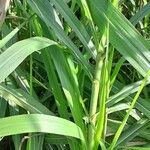
Setaria parviflora
Knotroot Bristle Grass · Knotroot Foxtail · Marsh Bristlegrass · Slender Pigeon Grass · Yellow Bristle Grass
Description
Source: leafsnapSetaria parviflora is a species of grass known by the common names marsh bristlegrass, knotroot bristle-grass, bristly foxtail and yellow bristlegrass. It is native to North America, including Mexico and the United States from California to the East Coast, Central America and the West Indies, and South America.This grass is a perennial with small, knotty rhizomes. It produces stems 30 centimeters to well over one meter tall. The leaf blades are up to 25 centimeters long and under a centimeter wide. The leaves are whitish-green. The inflorescence is a compact, spikelike panicle up to 8 or 10 centimeters long. Surrounding each spikelet are up to 12 yellow or purple bristles. The bristles stay on the stalk after the seeds drop away.This grass grows in moist habitat. It can grow in salty habitat such as salt marshes.
Care Guide
💧 Water
Marsh bristlegrass prospers in environments with high moisture, necessitating constant humidity and regular watering to thrive. To keep the soil moist but not overly saturated, it's best to water it twice a week. Typically cultivated outdoors, marsh bristlegrass thrives in conditions that replicate the natural water cycle of its native habitat.
What should I do if I give my Marsh bristlegrass too much or too little water?
Proper watering is crucial for the health of this beautiful ornamental grass. In a ground setting, watering issues can be resolved, but in a container, too much or too little water can quickly kill Marsh bristlegrass. When it doesn't receive the right amount of water, growth may stop. Overwatering can result in yellow leaves with brown tips, while underwatering can cause drooping leaves, weak seed head production, and browned leaves. To address improper watering, start by determining if there is too much or too little water. If it's overwatered, stop watering and wait for the soil to dry out, then check for new growth to decide if more water is needed. If it's underwatered, give the grasses a deep drink to see if it revives. Remember that a long, deep watering is better than frequent shallow waterings, as it encourages deep root growth, making the grass more resilient to drought and watering problems.
How frequently should I water my Marsh bristlegrass plant?
The watering needs of Marsh bristlegrass vary depending on its planting location. Generally, watering this grass once a week is recommended. In hot climates, watering once or twice a week in the summer may be necessary. In moderate climates, watering once every seven days or more may be sufficient. Grass in containers generally requires more frequent watering compared to grasses planted in the ground. However, the location of the grass also matters, as shaded grasses require less frequent watering than those planted in the ground. It is important to water Marsh bristlegrass only when the soil is dry. There are a few key signs to look out for, such as pressing your finger into the soil a couple of inches to check for dryness. For potted grass, you can also weigh the grass with a portable scale or simply feel the pot to see if it feels light due to lack of water. Insufficient water may cause the blades of the grass to appear folded along the center and thinner than usual. Despite its ability to tolerate drought, regular and deep waterings will result in vibrant color. In its natural habitat, Marsh bristlegrass grows in open scrubland and is exposed to extreme heat, bright sun, and intermittent rain. Although this grass is drought resistant, it still requires care and attention. Gardeners agree that consistent watering is beneficial for its optimal growth. When newly planted, Marsh bristlegrass needs more frequent watering until it develops deep roots. For potted grass, the soil tends to dry out quickly, especially if exposed to hot, direct sun. To determine when to water, test the soil every 3 to 4 days and water only when it feels dry. Marsh bristlegrass planted in the ground generally requires less watering, depending on the type of soil. Heavy clay soil retains moisture below the surface even if it feels dry on the top layer. Sandy soils, on the other hand, drain quickly and may require more frequent watering.
What things should I watch out for when watering my Marsh bristlegrass in different seasons, climates, or during different stages of growth?
To determine if you are watering enough, look at how fast your grass is growing. Marsh bristlegrass can double in size in a year during the hottest months. If it's hot outside and your grass isn't growing well, adjust your watering schedule. In winter, watering once a month may be sufficient, but check the soil for moisture. During the growth cycle in warm months, the grass requires more water. However, during winter and cooler months, the water needs decrease significantly. It's crucial to let the soil dry out completely before watering Marsh bristlegrass.
☀️ Light Full sun
Essentially, marsh bristlegrass does best when exposed to continuous light all day. However, it shows notable flexibility and can also survive in spots where lighting is lower or irregular. This marsh-dwelling weed tolerates a range of light conditions, though uneven illumination can harm its wellbeing.
What are the sunlight requirements for marsh bristlegrass?
Marsh bristlegrass thrives in a variety of light conditions but benefits most from full sun, which is defined as receiving over 6 hours of sunlight a day. It can also adapt to partial sun and full shade, which means it can grow in areas that receive about 3-6 hours of sunlight. To ensure the health and happiness of your plants, it's essential to observe the movement of sunlight through your garden to find spots that offer the perfect balance of light and shade.
How does marsh bristlegrass adapt to different lighting conditions?
Originally growing in marshy areas, marsh bristlegrass exhibits remarkable adaptability to various lighting conditions. It is ideally suited to locations where it can bask in uninterrupted sunlight throughout the day. However, it can also survive in less illuminated or inconsistent light conditions. Despite its adaptability, unbalanced exposure to light may negatively impact the plant's health. Using artificial lights, such as LED lights which can be adjusted to provide specific light wavelengths, is a solution for indoor plants or during less sunny periods. Proper artificial lighting should mimic natural sunlight in intensity and duration, with recommendations ranging from 10-50W/sq ft depending on the type of plant and its light needs.
What are the symptoms of light deficiency in marsh bristlegrass?
Symptoms of light deficiency in marsh bristlegrass include the growth of smaller new leaves, leggy or sparse growth, accelerated leaf drop, slowing or cessation of new growth, chlorosis (yellowing of the leaves), sunscald, leaf curling, wilting, and leaf scorching. These symptoms can result from either inadequate light exposure or excessive sunlight, indicating the importance of finding the right balance to ensure optimal plant health.
How can I manage light conditions for indoor and outdoor marsh bristlegrass?
For indoor marsh bristlegrass, gradually increase exposure to natural sunlight each week until the plant receives at least 6 hours of direct sunlight daily. Utilizing a south-facing window and keeping curtains open during the day can maximize sunlight exposure. If natural light is insufficient, consider supplementing with artificial light by keeping a lamp on for at least 8 hours daily, or invest in grow lights for better results. Outdoors, gradually acclimate your plants to sunnier spots to prevent sunburn, being mindful to avoid drastic changes in light intensity. If necessary, prune or adjust the landscape to reduce obstructions to sunlight. For smaller plants that might be overshadowed, consider transplanting during their dormant period to a location with more sunlight and better drainage.
🌡️ Temperature 10–37.8°C
Marsh bristlegrass thrives at temperatures from 50℉ to 100℉ (10℃ to 38℃). In its native growing environment, favorable temperatures occur in spring and fall. To prevent stress during summer, it requires adequate water and shade. In winter, it must be protected from frost.
What is the preferred temperature range for Marsh bristlegrass?
Marsh bristlegrass prefers a temperature range from 50°F (10°C) to 100°F (38°C). This range is most favorable during the spring and fall seasons in its native growth environment. To ensure the plant remains stress-free during the hot summer months, providing adequate water and shade is crucial. While Marsh bristlegrass exhibits strong cold resistance, and usually does not require special frost protection measures in winter, it's important to protect it from frost if temperatures are expected to drop below -25°C. Cold protection can be achieved by covering the plant with soil or straw, and before the first freeze in autumn, it's recommended to water the plant abundantly to ensure the soil remains moist through winter and into early spring.
How does Marsh bristlegrass react to low temperatures?
Marsh bristlegrass is quite cold-tolerant, thriving best in temperatures above 10°C. However, during winter months, it's advised to keep the temperature above -15°C for the plant. When temperatures fall below -25°C, there may not be noticeable changes during the winter itself, but these conditions can lead to a decrease in sprouting or even result in no sprouting at all come springtime. The recommended solution for this issue is to remove any parts of the plant that have failed to sprout in the spring.
What should be done if Marsh bristlegrass experiences high temperatures?
During the summer months, it's crucial to keep Marsh bristlegrass below 38°C to prevent heat stress. Should the temperature exceed 43°C, the plant's leaves may lighten in color, curl, become prone to sunburn, and in severe cases, the entire plant may wilt and dry out. To mitigate these effects, trim away any sunburned or dried parts of the plant. Moving the plant to a location with shade during the midday and afternoon sun, or using a shade cloth, can also help. Additionally, watering the plant in the morning and evening to maintain moist soil will provide further relief from high temperature stress.
💨 Humidity
🪴 Soil 6-7
🌱 Fertilizer
Marsh bristlegrass needs extra nutrients to encourage healthy new growth. In spring, spreading compost around the base of the plant will effectively supply the nutrition it requires. Fertilizing supports vigorous growth and helps the plant withstand diseases and pests.
Why is it important to put fertilizer on my Marsh bristlegrass?
Fertilizing Marsh bristlegrass is essential for its overall health and growth. By providing extra nutrients, you ensure the production of healthy new growth. Additionally, these nutrients help maintain the health of existing growth and enhance the plant's ability to ward off diseases and pests.
When should I fertilize my Marsh bristlegrass for the best results?
To ensure the survival of Marsh bristlegrass in your garden, it is important to know when to fertilize. This plant is not a heavy feeder and does not need extra nutrients when it is dying back. While you can use diluted fertilizer at the beginning of the growing season, it is not advisable. Instead, it is recommended to apply mulch or compost around the base of the plant.
When is it not a good idea to fertilize my Marsh bristlegrass plant?
If you are not using packaged fertilizers, you don't have to worry about when to stop feeding Marsh bristlegrass. Simply adding a layer of compost or mulch in the spring will be sufficient to keep Marsh bristlegrass healthy throughout the year. No need to stress about mulching or composting in the winter when the plant is dormant.
What fertilizer should I use for my Marsh bristlegrass?
If you have marsh bristlegrass, there's no need to hurry to buy fertilizer. Instead, simply add a layer of compost in the spring to provide the necessary nutrients. Additionally, if you mulch your garden every year, the bark will also help keep your plant well-nourished and content.
How can I make my Marsh bristlegrass grow better?
When it comes to Marsh bristlegrass, the steps for using mulch or compost are the same. Start by laying a layer of the chosen material, ensuring it covers the plant's base. If using both mulch and compost, decrease the amount of compost. Adding a layer of mulch serves two purposes - it helps the soil retain moisture and nourishes the plant.
🪴 Pot & Repot
✂️ Pruning
Marsh bristlegrass flourishes in wet areas and benefits from pruning in early spring. By trimming dead stems, you can encourage healthy growth and revitalize older plants. Using proper techniques, such as clean tools, boosts the plant's vigor, promotes denser foliage, and reduces the risk of disease. This ensures the marsh bristlegrass maintains its aesthetic appeal.
🌿 Propagating
🐛 Diseases & pets
☠️ Toxicity
Characteristics
- Plant Type
- Grass
- Life Cycle
- Perennial
- Genus
- Setaria
- Family
- Poaceae
- Hardiness Zone
- 6-11
- Mature Height
- 0.3 m to 1.22 m
- Mature Spread
- 20 cm to 40 cm
- Leaf Color
- Blue
- Leaf Type
- Deciduous
- Flower Color
- Green, White, Yellow
- Flower Size
- 3.05 cm to 10.16 cm
- Bloom Time
- Summer, Early fall, Mid fall
- Planting Time
- Spring, Autumn
- Harvest Time
- Late summer, Fall, Early winter
- Native Area
- Belize, Mexico, Guatemala, Dominican Republic, Jamaica, Uruguay, Canada, Paraguay, Argentina, Haiti, Venezuela, Brazil, Suriname, Honduras, Georgia, Peru, Trinidad and Tobago, Panama, Colombia, Bahamas, Bolivia, Myanmar, Guyana, El Salvador, Nicaragua, Ecuador, Costa Rica