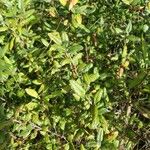
Shepherdia canadensis
Soapberry · Canadian buffalo-berry · Rabbitberry · Russet buffaloberry · Buffalo berry
Description
Source: leafsnapShepherdia canadensis, commonly known as Canada buffaloberry, is a deciduous shrub native to North America. It typically reaches a height of 2-4 meters and has a spreading growth habit. The leaves are small, oval-shaped, and glossy green, turning yellow in the fall. In the spring, the plant produces small yellow flowers, which are followed by bright red berries in the summer. Canada buffaloberry is renowned for its hardiness and ability to thrive in harsh conditions such as dry soils, high altitudes, and cold temperatures. It is often used for erosion control on slopes or as an ornamental plant due to its attractive foliage and berries. The berries of Shepherdia canadensis are edible but have an extremely tart taste, making them more suitable for use in jams or jellies rather than eating raw. They are also high in vitamin C, making them valuable for medicinal purposes. Overall, Shepherdia canadensis is an intriguing shrub with unique characteristics that make it valuable both aesthetically and functionally within its native range.
Care Guide
💧 Water Every 7 days
The russet buffaloberry is well-suited to dry conditions, showing remarkable drought tolerance. It needs minimal watering—only once every three weeks. Adaptable to changes in temperature and soil moisture, the russet buffaloberry goes dormant during challenging conditions to conserve water.
How should I water my Russet buffaloberry plant in the best way?
To ensure excellent root development, place a garden hose at the base of your plant. Avoid spraying the leaves directly, especially if they are exposed to direct sunlight outdoors. If needed, give the leaves more water. You can use bubblers or soaker hoses to moisten the roots of each plant. When adding or removing plants, use soaker hoses to ensure deep root penetration throughout the entire garden or bed. After watering, drain any excess water and wait for the soil to dry before watering again. To prevent diseases, water at ground level rather than spraying the foliage. On a sunny day, consider spraying the whole bush with water. Whether in a pot or in the ground, keep in mind that Russet buffaloberry prefers deep watering rather than light sprinkling.
What should I do if I give too much or too little water to the Russet buffaloberry?
When a Russet buffaloberry is overwatered, it will show symptoms such as yellow leaves dropping off and wilting. The plant may also appear dull and unhealthy, with mushy stems. In such cases, it is recommended to adjust watering schedule. Conversely, wilting can also be a sign of underwatering, characterized by crispy and dry leaves. To ensure proper hydration, check the soil regularly and provide a thorough watering when it becomes dry. Despite recovery from overwatering, the plant may still have yellow leaves and appear dry due to damage to the roots. Once it returns to normal, the yellowing of leaves will stop. Indoor Russet buffaloberry plants should be checked for moisture levels and avoided overwatering, particularly if black spots are present. If root rot is detected, consider transferring the plant to a different pot to prevent further damage. Additionally, when planting outdoors, ensure that the soil is adequately hydrated. If the soil feels too dry, it may indicate underwatering, and adequate watering is necessary for plant recovery.
How frequently should I water my Russet buffaloberry plant?
The Russet buffaloberry prefers deep and infrequent watering, especially if planted in pots. When watering, use a gallon of water each time to ensure proper hydration. Flower pots have limited water storage, so the soil can dry out quickly. In cold regions, watering is needed every 3 to 5 days. Water in the early morning when the soil is dry, both indoors and outdoors. To determine if watering is necessary, check the soil inside the pot. If the top 2-3 inches of soil are dry, it's time for a thorough watering. On hot days, monitor the moisture levels daily as heat can rapidly dry out the soil. If you have a garden, irrigation is also required. For hot climates, watering once a week should be sufficient. Only water when the top 2-3 inches of soil are too dry. Take into account any rainfall to avoid overwatering and root rot. During the spring and fall, when Russet buffaloberry is actively growing outdoors, add mulch around the plants to help conserve water. Sandy soil tends to drain faster, so plants in sandy soil need more frequent watering. On the other hand, with clay soil, watering can be less frequent, allowing the plant to dry out for 2-3 days to prevent root rot. It can be helpful to mark the dates on a calendar to track watering and watch for drooping leaves as a sign that watering may be needed.
How much water does my Russet buffaloberry plant need?
The Russet buffaloberry generally needs about a gallon of water on a regular schedule. When watering potted plants, it's best to water them deeply until you see water dripping from the bottom of the pot. Then, wait for the soil to dry before watering again. You can use a water calculator or moisture meter to keep track of how much water you've given your plant in a week. During the flowering period, provide plenty of water but let the moisture evaporate afterwards to avoid root rot. If the Russet buffaloberry is planted outdoors and there is sufficient rainfall, it may not need additional watering. When the plant is young or newly planted, ensure it receives 1-2 inches of rain per week. As the Russet buffaloberry grows, it can rely solely on rainfall. However, if the weather is extremely hot or if there is no rain for 2-3 weeks, consider giving the plant a thorough watering during cooler parts of the day to protect it from heat damage. Additional watering will be necessary during prolonged dry periods.
Should I water my Russet buffaloberry more or less depending on the time of year or the weather conditions?
The Russet buffaloberry requires outdoor conditions with rain, but may need watering during persistent dry weather. In the spring and fall, the soil should be kept moist without becoming soggy. Alternating between dry and moist soil conditions is beneficial for the Russet buffaloberry. During the summer, hot weather can cause water to evaporate quickly, so extra watering is necessary if there is a lack of rainfall. In winter, the Russet buffaloberry needs less water as it drops its leaves and goes dormant. Well-draining soil is recommended during this period to facilitate moisture evaporation. Once the plant begins to leaf out and go dormant again, watering can be stopped as it can rely on fall and winter rains. In spring, the Russet buffaloberry can be cultivated to encourage growth and blooming in warmer temperatures. Good drainage must be ensured, especially during winter, to avoid ponding. When the plant is in a pot, limited root growth can occur, so it is important to keep it well-watered, particularly in summer. Shallow sprinkles that reach the leaves should be avoided as they promote fungi growth and do not reach the roots. The Russet buffaloberry should not be allowed to dry out completely during fall and winter, even in dormancy. Overwatering should also be avoided as the plant does not tolerate sitting in water for prolonged periods, which can be fatal during winter. Applying mulch can help reduce stress, conserve water, and promote healthy blooms.
☀️ Light Full sun
Russet buffaloberry grows best in locations that receive uninterrupted sunlight throughout the day. It can still grow where sunlight is somewhat intermittent. Excessive shade reduces the plant’s vigor, while insufficient shade can cause the leaves to yellow and wilt.
What are the sunlight requirements for Russet buffaloberry?
Russet buffaloberry thrives in full sun, requiring more than 6 hours of sunlight daily, but can also grow in partial sun, with about 3-6 hours of sunlight. It's crucial to observe the movement of sunlight through your garden to find the best spots for your plants, striking a balance between light and shade to meet their needs.
How does insufficient sunlight affect Russet buffaloberry?
Insufficient sunlight can lead to various symptoms in Russet buffaloberry such as smaller new leaves, leggy or sparse growth, faster leaf drop, slower or no new growth, lighter-colored new leaves, and conditions like chlorosis (leaf yellowness), sunscald, leaf curling, wilting, and leaf scorching. These symptoms indicate the plant's struggle with suboptimal lighting conditions.
What are the essentials for growing Russet buffaloberry?
Russet buffaloberry does well in areas with unobstructed sun exposure but can tolerate some fragmented sunlight. Overly shaded areas can harm the plant's health, leading to symptoms of stress such as yellowing and wilting leaves. For indoor plants, adequate lighting is crucial, especially in less sunny spaces or during winter. Artificial lighting, such as LED lights, can supplement natural sunlight following specific guidelines regarding the type of light, intensity (30-50W/sq ft for full sun, 20-30W/sq ft for partial sun, and 10-20W/sq ft for full shade), distance (12-36 inches above the plant), and duration (8-12 hours per day).
How can you mitigate light deficiency issues for Russet buffaloberry?
To address light deficiency in Russet buffaloberry, you can gradually move the plants to sunnier locations to ensure they receive at least 6 hours of sunlight daily. If moving the plant is not possible, consider using artificial light sources, such as desk lamps or professional plant grow lights, for at least 8 hours a day. For outdoor plants, it's vital to move them gradually to prevent sunburn. Additionally, reducing sunlight obstructions and, if applicable, transplanting smaller plants during their dormant period to sunnier spots can significantly improve their health. It's essential to note that parts of the plant already affected may not recover, but new growth can be healthy with improved light exposure.
🌡️ Temperature 0–25°C
Russet buffaloberry occurs naturally in areas with temperatures between 32 and 77 °F (0 to 25 ℃). It favors cooler climates, so avoid extreme heat. As temperatures rise seasonally, you may need to provide extra shade or additional water.
What are the ideal temperature conditions for growing Russet Buffaloberry?
Russet Buffaloberry thrives in environments with temperatures ranging from 32 to 77 °F (0 to 25 °C), preferring cooler climates to avoid extreme heat. It is highly cold-tolerant and does not require additional frost protection measures during winter. However, before the first freeze in autumn, it is recommended to water the plant generously to ensure the soil remains moist and enters a frozen state, helping prevent drought and water scarcity for the plant during winter and early spring.
What should I do if the temperature drops below -40°C?
Russet Buffaloberry is extremely cold-tolerant, but winter temperatures should be maintained above -40°C. If temperatures drop below this threshold, there may not be any noticeable changes during winter; however, the branches may become brittle and dry during spring, with no new shoots emerging. In spring, it's advised to prune away any dead branches that have failed to produce new leaves.
How does Russet Buffaloberry react to high temperatures, and what are the solutions?
Russet Buffaloberry does not tolerate high temperatures well. When temperatures exceed 25°C, it may experience significant leaf drop, and in severe cases, the entire plant may wither and die. To mitigate these effects, trim away the sunburned and dried-up parts. Move the plant to a location that provides shade from the midday and afternoon sun, or use a shade cloth to create shade. Ensure to water the plant in the morning and evening to keep the soil moist.
💨 Humidity
🪴 Soil 6-7
🌱 Fertilizer
The Russet buffaloberry plant needs adequate nutrients to produce fruit optimally. Apply fertilizer in early spring to stimulate new growth and flower development. Regular feeding keeps the plant healthy, yields more delicious fruit, and prevents nutrient-deficiency problems such as yellowing leaves and poor fruit production.
🪴 Pot & Repot
✂️ Pruning
The russet buffaloberry is known for its small, silvery leaves, thorny branches, and edible red berries. To improve growth and increase berry yield, it is best to prune this plant in early spring. During pruning, remove any dead branches and thin out areas where branches are overcrowded. This will help increase sunlight and air circulation, which prevents disease and helps maintain a compact shape. For the best pruning results, consult horticultural guides for specific techniques.
🌿 Propagating
🐛 Diseases & pets
☠️ Toxicity
Characteristics
- Plant Type
- Shrub
- Life Cycle
- Perennial
- Genus
- Shepherdia
- Family
- Elaeagnaceae
- Hardiness Zone
- 2-6
- Mature Height
- 0.3 m to 3.05 m
- Mature Spread
- 1.83 m to 4.57 m
- Leaf Color
- Silver, Green
- Leaf Type
- Deciduous
- Flower Color
- Yellow, Green
- Flower Size
- 2.54 cm
- Bloom Time
- Mid spring, Late spring
- Planting Time
- Spring, Summer, Autumn
- Harvest Time
- Mid summer