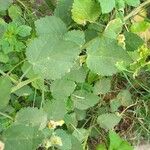
Sida cordifolia
Country-mallow · Heart-leaf sida · Flannel sida · Flannelweed · Heartland sida
Description
Source: leafsnapSida cordifolia, commonly known as Bala or Country Mallow, is a perennial shrub belonging to the Malvaceae family. Native to India, this plant has been utilized in traditional Ayurvedic medicine for centuries due to its potent medicinal properties. Growing up to 1 meter tall, it features heart-shaped leaves and yellow flowers that bloom from July through September. The plant contains alkaloids such as ephedrine, pseudoephedrine, and vasicine, which have bronchodilator properties. It is also known for its anti-inflammatory effects, making it useful in treating conditions such as asthma and bronchitis. Additionally, Sida cordifolia has been traditionally used for its analgesic effects on joint pain caused by arthritis or rheumatism. The plant also contains antioxidants that help protect the body against free radicals. Despite its medicinal benefits, Sida cordifolia should be used with caution due to the presence of ephedrine, which can cause adverse effects such as increased heart rate and blood pressure if taken in large doses. Therefore, it should only be taken under medical supervision. Overall, Sida cordifolia is a valuable medicinal plant with numerous health benefits, but it should be used responsibly and only under medical guidance.
Care Guide
💧 Water Every 7 days
Ilima is a plant native to tropical regions, and it thrives best when it consistently receives moisture. To mimic its natural habitat, it should be watered weekly. This plant flourishes outdoors in warm climates, where it can benefit from mulching. Mulching helps retain soil moisture during hot weather, balancing the plant's need for humidity without causing it to become waterlogged.
How should I water my 'ilima plant to keep it healthy?
To properly water the 'ilima plant, it's best to use filtered water at room temperature. This is because tap water may contain harmful particles that could negatively affect the plant's health. Since 'ilima plants come from warm environments, it is important to avoid using cold water as it can shock the plant. Additionally, overhead watering should be avoided to prevent complications with the foliage. Instead, simply apply the filtered room temperature water directly to the soil until it is completely soaked. This ensures that the roots are properly moistened and able to spread through the soil to gather necessary nutrients.
What should I do if I give my 'ilima plant too much water or too little water?
Overwatering and underwatering can harm your 'ilima plant, but overwatering is more common. When 'ilima receives too much water, its stems and leaves may wilt and turn yellow. Overwatering for a long time can also cause root rot, mold, and mildew, which can kill the plant. Underwatering is less common because 'ilima is somewhat drought-tolerant. However, it is still possible, and underwatering leads to brittle, brown leaves. It is important to recognize the signs of overwatering early. Some diseases caused by overwatering, like root rot, may be irreversible if not addressed promptly. If you see early signs of overwatering, reduce watering immediately and check the soil quality. If the soil drains poorly, replace it with a loose, well-draining potting mix. If signs indicate underwatering, water more frequently until the signs improve.
How many times should I give water to my 'ilima plant?
If you have your plant in a pot, the best way to know if it needs water is by checking the soil. Stick your finger into the soil and if you find that the top two to three inches are dry, then it's time to water it. For those who have their 'ilima plants planted outside in the ground, you can use the same method. When the first few inches of soil have dried out, it's a sign to water the plant. Typically, during the spring and early fall, watering once a week is sufficient. However, during extremely hot weather, watering may need to be increased to twice a week or more. It's worth noting that mature 'ilima plants that are well-established can handle drought quite well.
How much water does my 'ilima plant need?
To water your 'ilima effectively, don't hesitate or be stingy with the amount of water you provide. Make sure the top two to three inches of soil are dry before watering. Give the plant a deep watering, making sure the water thoroughly saturates the soil. You should add enough water so that it flows out of the drainage holes at the bottom of the pot. If you don't see any excess water flowing out, it means you haven't watered enough. However, be careful not to let water accumulate inside the soil, as this can harm the plant. On the other hand, if water doesn't seem to drain well from the pot, it could be a sign of poorly draining soil, which is not good for the plant's health. If the plant is outdoors, around 1 inch of rain per week should be enough.
How do I water my 'ilima plant at different stages of growth?
The water needs of the 'ilima can vary depending on its growth stages. When the 'ilima is young or has been recently transplanted, it requires more water than usual. This is because it is focusing its energy on developing new roots that will support future growth. These roots need more moisture during these stages. As the 'ilima matures, it will require less water. Additionally, during the bloom period, the 'ilima might need extra water as flower development requires significant moisture.
☀️ Light Full sun
Ilima flourishes optimally when exposed generously to sunlight, replicating its native environment. It can also withstand partial sunlight but extended periods of dampness and lack of light may hinder its growth. Overexposure or inadequate exposure to light could unfavorably affect its wellbeing, resulting in arrested development or drooping.
What are the sunlight requirements for 'ilima plants?
The 'ilima plant thrives best with abundant exposure to sunlight, akin to its natural habitat, requiring above 6 hours of sunlight for full sun conditions and about 3-6 hours for partial sun conditions. While it can tolerate partial exposure, prolonged dampness and shade may inhibit its growth. It's essential to watch how sunlight moves through your garden and choose locations that offer a balance of light and shade, ensuring the plants' wellbeing.
How does artificial lighting affect 'ilima plants grown indoors?
For 'ilima plants grown indoors where natural sunlight may be insufficient, particularly during winter or in less sunlit spaces, artificial lighting serves as a vital solution promoting healthier and faster growth. LED lights are recommended for their ability to provide specific light wavelengths needed by the plants. Full sun plants require 30-50W/sq ft, partial sun plants need 20-30W/sq ft, and full shade plants need 10-20W/sq ft of artificial light. The light should be placed 12-36 inches above the plant to imitate natural sunlight and turned on for 8-12 hours per day.
What are some common symptoms of light deficiency in 'ilima plants?
Symptoms of light deficiency in 'ilima plants include smaller new leaves compared to older ones, leggy or sparse growth, accelerated leaf-dropping, halted or non-existent new growth, paler new leaves indicating insufficient sunlight and lack of nutrients, chlorosis (leaves turning yellow), sunscald from intense light exposure resulting in damaged tissue, leaf curling as a defense mechanism against excessive sunlight, wilting due to increased water loss, and leaf scorching characterized by brown, dry edges on leaves due to too much sunlight.
How can light exposure problems be addressed to support 'ilima plant growth?
To address light exposure issues and ensure optimal 'ilima plant growth, gradually move your plants to sunnier locations, allowing them to receive at least 6 hours of direct sunlight daily. For indoor plants, consider using a south-facing window or artificial light sources like desk or ceiling lamps, or professional plant grow lights for a minimum of 8 hours daily. Outdoor plants should be moved carefully to avoid sunburn, focusing on gradual adaptation to sunnier spots. Removing obstructions, such as pruning tree branches that block sunlight, or transplanting smaller plants during their dormant periods to areas with better sunlight are also effective strategies.
🌡️ Temperature 15–37.8°C
Ilima thrives in climates with temperatures between 68 and 100 °F (20 to 38 ℃). This warm temperature range is most conducive to its growth. During cooler periods, it may be beneficial to ensure indoor warmth or maintain the warmth of a greenhouse.
What temperature conditions are ideal for 'ilima plants?
'Ilima thrives in warm environments, preferring temperatures ranging from 68 to 100 °F (20 to 38 °C). These conditions promote thriving growth, making them suitable for places with warm climates. During cooler seasons, maintaining indoor warmth or conditions similar to a warm greenhouse can be beneficial for the plant's health. 'Ilima has some level of cold tolerance and doesn't usually need extra protection if temperatures stay above 0°C. However, if there's a risk of temperatures dropping below freezing, it's wise to take temporary measures to protect the plant. This could include wrapping it with plastic film, fabric, or other protective materials until the weather warms up again.
How does 'ilima respond to low temperature, and what protective measures can be taken?
'Ilima has a moderate tolerance to low temperatures, but it's best kept above 20°C to ensure healthy growth. During winter, it's vital to keep the plant above 0°C. If temperatures drop below -10°C, you might notice the leaves drooping; in mild cases, the plant can recover, but severe cold can lead to wilted leaves that eventually fall off. To protect 'ilima from cold damage, trim any frost-damaged parts and wrap the plant with materials like non-woven fabric or cloth. Additionally, creating a wind barrier can offer protection from cold winds, further insulating the plant during chilly spells.
What should be done if 'ilima is exposed to high temperatures?
When 'ilima is exposed to temperatures above its comfort zone, particularly over 38°C, preventive measures should be taken to safeguard its health. If temperatures soar above 43°C, the plant may show signs of stress, such as lighter leaf color, dry and withered leaf tips, leaf curling, and increased susceptibility to sunburn. To aid a stressed 'ilima, trim away the sunburned and dry parts to encourage healthy regrowth. Moving the plant to a shaded area or using a shade cloth can protect it from harsh midday and afternoon sun. Additionally, keeping the soil moist by watering in the morning and evening can help mitigate the effects of excessive heat, ensuring the plant remains hydrated.
💨 Humidity
🪴 Soil 6-7
🌱 Fertilizer
The optimum period to feed an ilima is during early spring when it transitions from dormancy to active growth. Giving fertilizer can supply essential nutrients that encourage robust growth. Even though the ilima doesn't require a great deal of fertilizer, providing it once a year can improve its longevity and stimulate the production of more durable flowers.
🪴 Pot & Repot
✂️ Pruning
Ilima is a plant characterized by its heart-shaped leaves and vibrant yellow flowers. To promote growth and maintain its shape, prune the plant from early to late spring. Focus on removing dead branches and improving air circulation. It's important to use sterilized tools to prevent disease, ensuring that the ilima remains healthy throughout the growing season.
🌿 Propagating
🐛 Diseases & pets
☠️ Toxicity
Characteristics
- Plant Type
- Herb, Shrub
- Life Cycle
- Perennial, Annual
- Genus
- Sida
- Family
- Malvaceae
- Hardiness Zone
- 8-11
- Mature Height
- 46 cm to 91 cm
- Mature Spread
- 30 cm to 61 cm
- Leaf Color
- Green, Dark Green
- Leaf Type
- Deciduous
- Flower Color
- Yellow
- Flower Size
- 1.52 cm to 1.78 cm
- Bloom Time
- Late spring, Summer, Fall
- Planting Time
- Spring, Summer, Autumn
- Harvest Time
- Mid summer, Late summer, Fall, Early winter, Mid winter
- Native Area
- Sri Lanka, Belize, India, Malaysia, Mexico, Guatemala, Pakistan, Yemen, Jamaica, Cuba, Indonesia, Cambodia, Venezuela, Brazil, Nepal, Honduras, Peru, Philippines, Bangladesh, Laos, China, Colombia, Bolivia, Vietnam, Myanmar, Guyana, El Salvador, Nicaragua, Singapore, Bhutan, Ecuador, Thailand