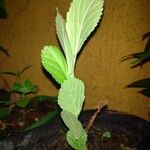
Sida rhombifolia
Sidaweed · Cuban-jute · Queensland-hemp · Broomjue sida · Paddy-lucerne
Description
Source: leafsnapSida rhombifolia, commonly known as Cuban jute or arrowleaf sida, is a perennial herbaceous plant in the Malvaceae family. Native to tropical and subtropical regions of the Americas, Africa, and Asia, this plant can grow up to 1 meter tall with a woody stem. It features small yellow flowers that bloom from summer through fall. The leaves of Sida rhombifolia are diamond-shaped with serrated edges and are arranged alternately along the stem. The plant produces small fruits that contain numerous seeds, which are dispersed by wind or animals. Traditionally, Sida rhombifolia has been used in medicine for its anti-inflammatory, analgesic, antipyretic, and other properties. In Ayurveda, it is employed to treat ailments such as fever, coughs, and colds. Beyond its medicinal uses, Cuban jute has several industrial applications. The strong fibers extracted from its stems are used to make ropes, and its deep roots help with soil stabilization and erosion prevention. Overall, Sida rhombifolia is a significant plant species with medicinal and industrial importance, playing a vital role in many cultures around the world.
🌳 Although not a widely used product, arrowleaf sida has been utilized for its fibers to make cordage. This role is often overlooked because the plant is more commonly seen as a weed. Additionally, research suggests arrowleaf sida may indicate the presence of certain metals in soil, giving it potential for use in bioremediation.
🎭 Shaggy, sinewy, lone
Care Guide
💧 Water Every 7 days
Arrowleaf sida, native to tropical regions, thrives with consistent moisture and should be watered weekly, ensuring the soil does not become waterlogged. When grown outdoors in warmer climates, applying mulch can help retain soil moisture and reduce the need for frequent watering.
How should I water my Arrowleaf sida plant?
To properly water the Arrowleaf sida, it is recommended to use filtered water at room temperature or slightly warmer. Tap water may contain harmful particles for this plant, so filtered water is preferable. The warm water is more suitable because the Arrowleaf sida is accustomed to a warm environment and cold water can be a shock to its system. It is also advised to avoid overhead watering as it can cause issues with the foliage. Instead, it is best to thoroughly soak the soil with the filtered room temperature water. This helps moisten the roots and allows them to spread through the soil to collect essential nutrients for the plant's health.
What should I do if I give my Arrowleaf sida plant too much or too little water?
Overwatering and underwatering can harm your Arrowleaf sida, but overwatering is more common. Too much water can cause the stems and leaves to wilt and turn yellow. Overwatering can also cause diseases like root rot, mold, and mildew, which can kill your plant. Underwatering is less common because the Arrowleaf sida is somewhat tolerant to drought. However, it can still happen, resulting in brittle and brown leaves. It's important to recognize the signs of overwatering early on. Some diseases caused by overwatering, like root rot, may not be fixable if you wait too long. If you notice early signs of overwatering, reduce your watering immediately. Also, check the soil drainage and replace it with a well-draining mix if it doesn't drain well. If your Arrowleaf sida shows signs of not enough water, simply increase your watering until the signs improve.
How often do I need to water my Arrowleaf sida plant?
When determining if your potted Arrowleaf sida plant needs water, the most accurate approach is to stick your finger into the soil. If you find that the top two to three inches of soil are dry, it's time to water the plant. The same method can be used for an Arrowleaf sida grown outdoors in the ground. When the first few inches of soil become dry, watering is necessary. Typically, during spring and early fall, this plant should be watered approximately once a week using this method. However, in extremely hot weather, watering frequency may need to be increased to twice a week or more. Despite this, mature and well-established Arrowleaf sida plants can withstand drought impressively.
How much water does my Arrowleaf sida plant need?
When watering your Arrowleaf sida, don't hold back on the amount of water you give. Make sure the top two to three inches of soil are dry before watering. Give it a thorough watering so that the soil is completely soaked. The water should be enough to cause excess water to drain out of the pot through the holes at the bottom. If you don't see any excess water draining, it means you haven't watered enough. However, be careful not to let water accumulate in the soil, as this can harm the plant. If there is no water draining out of the pot, it could mean that the soil doesn't drain well, which is not good for the plant's health. If the plant is outdoors, 1 inch of rain per week is sufficient.
How should I water my Arrowleaf sida as it grows?
The water needs of the Arrowleaf sida can vary depending on its growth stages. In the first few years of its life or after transplanting, it will require more water than usual. During these stages, the plant focuses on developing new roots, which require additional moisture. As the plant matures, its water requirements decrease. Another stage that may require more water is during the bloom period, as the development of flowers uses up a significant amount of moisture.
☀️ Light Full sun
Arrowleaf sida does best when exposed to plenty of sunlight throughout the day, which supports better growth and health. It shows vigorous growth in locations that receive a substantial amount of sunlight, though it can tolerate areas with only modest sun exposure. Extreme sun deprivation can lead to poor growth.
What are the sunlight requirements for Arrowleaf sida?
Arrowleaf sida thrives when exposed to full sun, requiring above 6 hours of sunlight daily for optimal growth and health. It can also adapt to partial sun conditions, with about 3-6 hours of sunlight. However, it's important to observe how sunlight moves through your garden, choosing spots that provide a balance of light and shade to ensure your plants' happiness. Lively growth is most noticeable in areas receiving a good deal of sunlight, though the plant can endure modest sun exposure. Extreme deprivation of sunlight can lead to poor growth.
How can artificial lighting be used for Arrowleaf sida?
Indoor Arrowleaf sida plants require adequate lighting for optimal growth, especially when natural sunlight is insufficient, like in winter or less sunny spaces. Artificial lights, particularly LED lights, offer a solution by promoting faster, healthier growth. These lights can be customized to provide specific wavelengths needed by your plants. For full sun plants, 30-50W/sq ft of artificial light is recommended; partial sun plants need 20-30W/sq ft; and full shade plants need 10-20W/sq ft. The light source should be placed 12-36 inches above the plant, mimicking natural sunlight, and maintained for 8-12 hours per day to simulate natural daylight hours.
What are the signs of insufficient light in Arrowleaf sida?
Insufficient light in Arrowleaf sida can lead to several symptoms. Small, new leaves may grow smaller than the previous ones, indicating light deficiency. The plant might exhibit leggy or sparse growth, with longer spaces between leaves or stems, giving it a stretched-out, weak appearance. There may be faster leaf drop as the plant sheds older leaves early to conserve resources. The growth could slow down or cease entirely due to the plant entering survival mode, with new leaves appearing lighter in color or with irregular patterns, signaling a lack of chlorophyll and essential nutrients. Chlorosis, or the loss of green leaf color, and sunscald, from intense sunlight exposure, are also common. Other symptoms include leaf curling as a defense against excessive sunlight, wilting due to increased water loss, and leaf scorching, characterized by brown, crispy edges on leaves.
How can you address light deficiency issues in Arrowleaf sida?
To address light deficiency in Arrowleaf sida, gradually move the plants to sunnier locations, aiming for at least 6 hours of direct sunlight daily. Use south-facing windows and keep curtains open during the day for indoor plants. For larger or immovable indoor plants, consider using artificial lighting, keeping lamps on for at least 8 hours daily or investing in professional grow lights. For outdoor plants, avoid sudden changes to prevent sunburn, adjusting their location gradually. If obstruction is an issue, either prune obstructing foliage or transplant smaller plants to sunnier spots. Note that parts of the plant affected by insufficient sunlight might not recover, but new growth should be healthy after increasing light exposure.
🌡️ Temperature 20–37.8°C
The arrowleaf sida plant does best at temperatures between 68 and 100 ℉ (20 to 38 ℃), with top growth occurring in the mid part of that range. In its native habitat it flourishes in warm conditions and gets plenty of sunlight. In winter it may need protection from frost, and in summer occasional watering can help prevent dehydration.
What are the ideal temperature conditions for growing Arrowleaf sida?
Arrowleaf sida (Sida rhombifolia) flourishes in temperature ranges between 68 to 100 °F (20 to 38 °C), with optimal growth noted within the mid-range of this spectrum. It is a plant that loves warmth and requires ample sunlight, particularly thriving in environments that are warm year-round. During winter, it's essential to protect it from frost by keeping it in locations where temperatures stay above 20°C. In case of cold weather, specifically when temperatures are near or approach 0°C, it's recommended to move Arrowleaf sida indoors to ensure it has a warm environment, preferably near a bright window but away from direct heat sources to avoid dehydration.
How should I care for Arrowleaf sida in low temperature conditions?
In low temperature conditions, Arrowleaf sida shows intolerance to cold, thriving best in temperatures above 20°C and requiring protection during the winter to be kept above 0°C. Exposure to temperatures below -5°C can cause the leaves to lighten in color, followed by browning or blackening and symptoms such as wilting or drooping after frost damage. To care for Arrowleaf sida during such conditions, trim off the frost-damaged parts and immediately move it indoors to a warm environment. Positioning the plant near a south-facing window will ensure ample sunlight, but take care to avoid placing it near heaters or air conditioning vents to prevent air dryness.
What steps should I take to protect Arrowleaf sida from high temperatures?
During high temperatures, specifically above 38°C, Arrowleaf sida is at risk of experiencing leaf color lightening and becoming more prone to sunburn if the temperature exceeds 43°C. To protect the plant in such conditions, the affected sunburned and dried parts of the plant should be trimmed away. It's advisable to relocate the plant to an area with shade, particularly from the midday and afternoon sun to prevent further sun damage. Additionally, maintain soil moisture by watering the plant in the early morning and evening. These measures help in mitigating the stress caused by high temperatures and preserving the health of the Arrowleaf sida.
💨 Humidity
🪴 Soil 6-7
🌱 Fertilizer
Arrowleaf sida needs the most fertilizer during its active growth period, which is mainly in spring, summer, and early fall. Fertilization supplies essential nutrients that the soil may lack, supporting healthy root and stem growth and the attractive foliage that is a notable characteristic of this plant.
🪴 Pot & Repot
✂️ Pruning
🌿 Propagating
🐛 Diseases & pets
☠️ Toxicity
Characteristics
- Plant Type
- Herb, Shrub
- Life Cycle
- Perennial
- Genus
- Sida
- Family
- Malvaceae
- Hardiness Zone
- 9-12
- Mature Height
- 0.49 m to 1.22 m
- Mature Spread
- 30 cm
- Leaf Color
- Green
- Leaf Type
- Evergreen
- Flower Color
- Yellow, Cream, Orange
- Flower Size
- 1.02 cm
- Bloom Time
- All year round
- Planting Time
- Autumn
- Harvest Time
- All year round