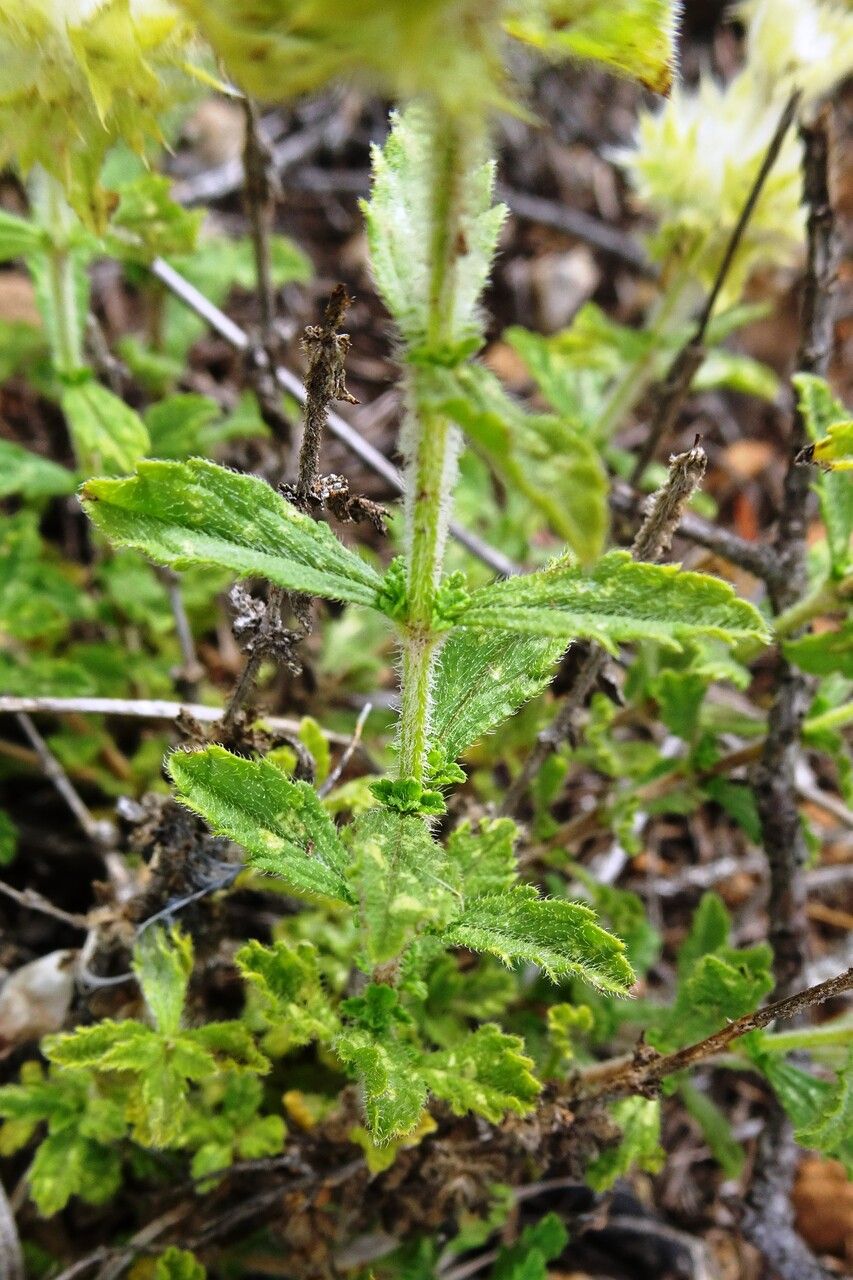
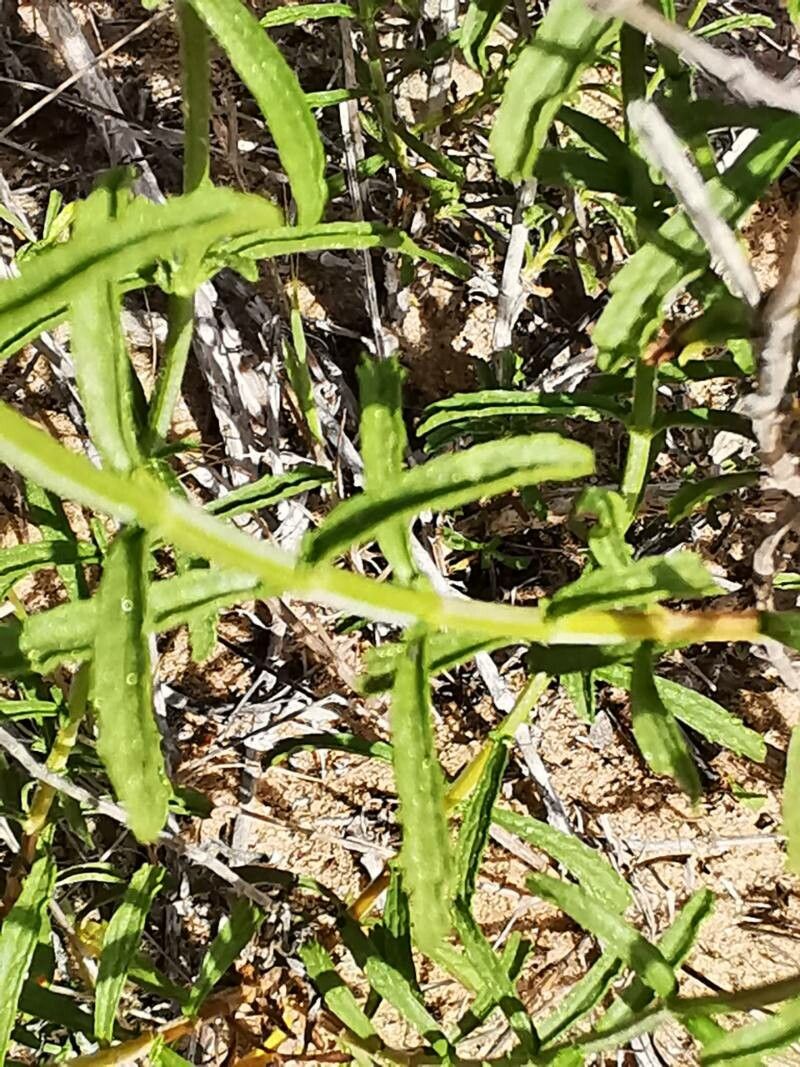
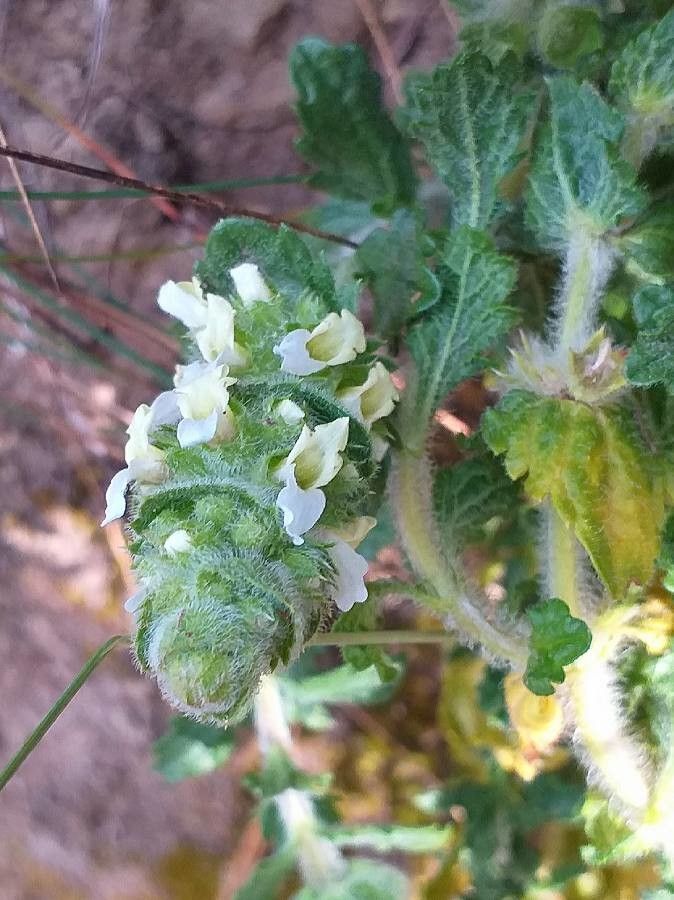
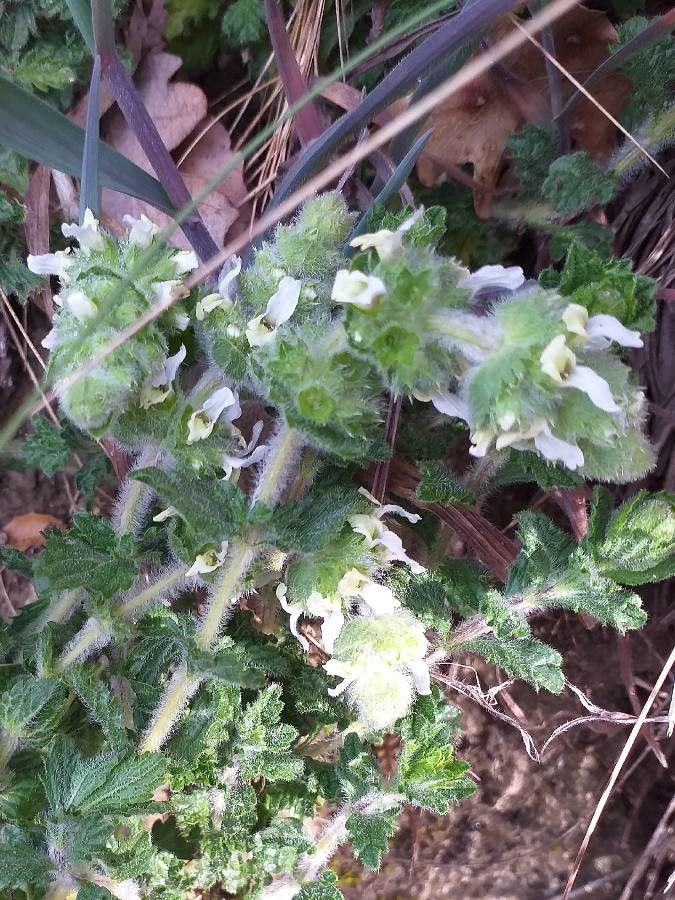
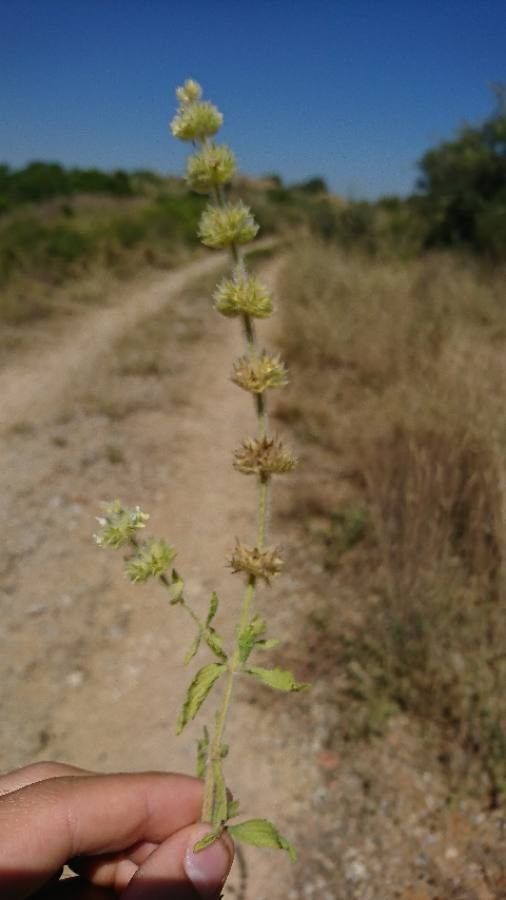
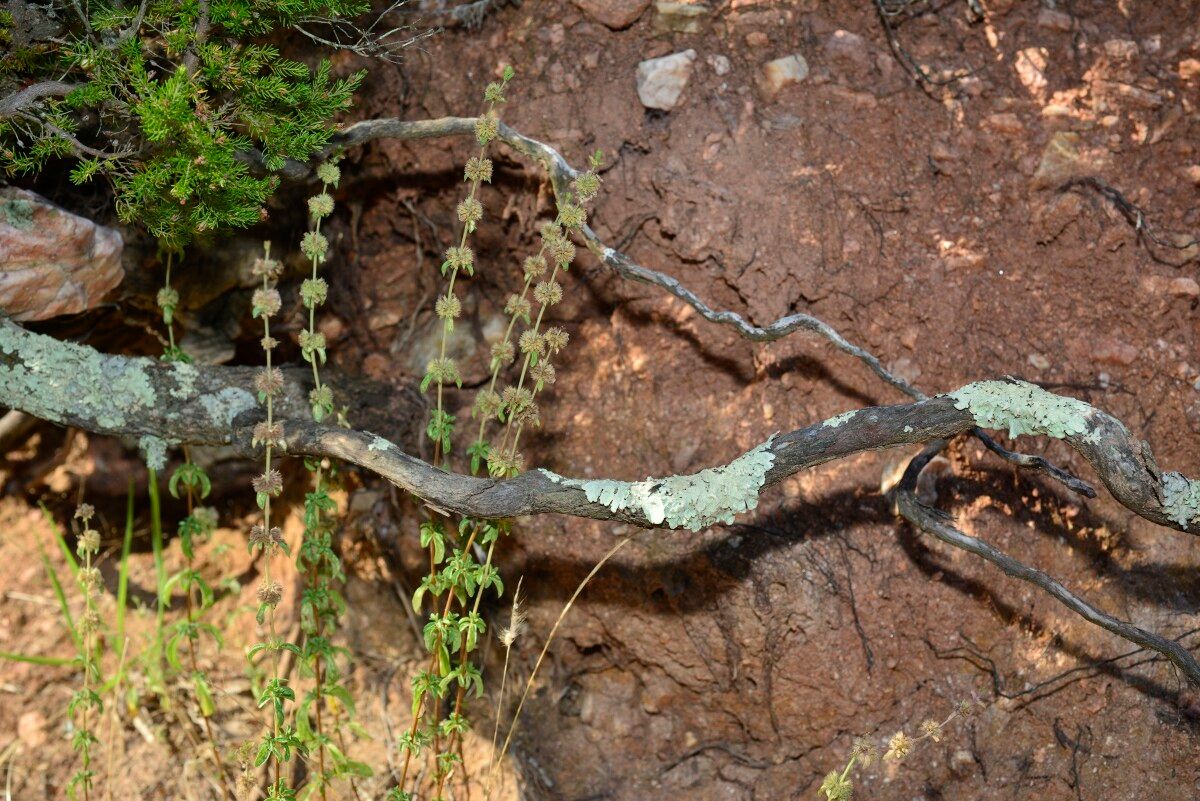
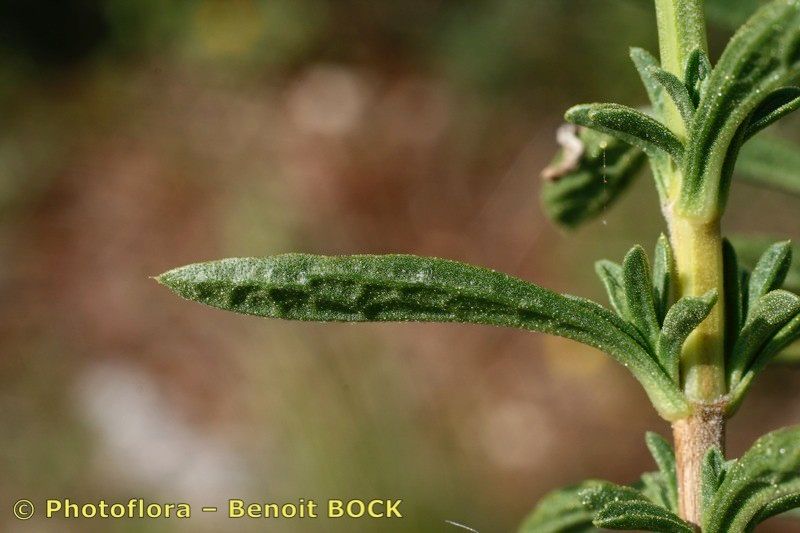
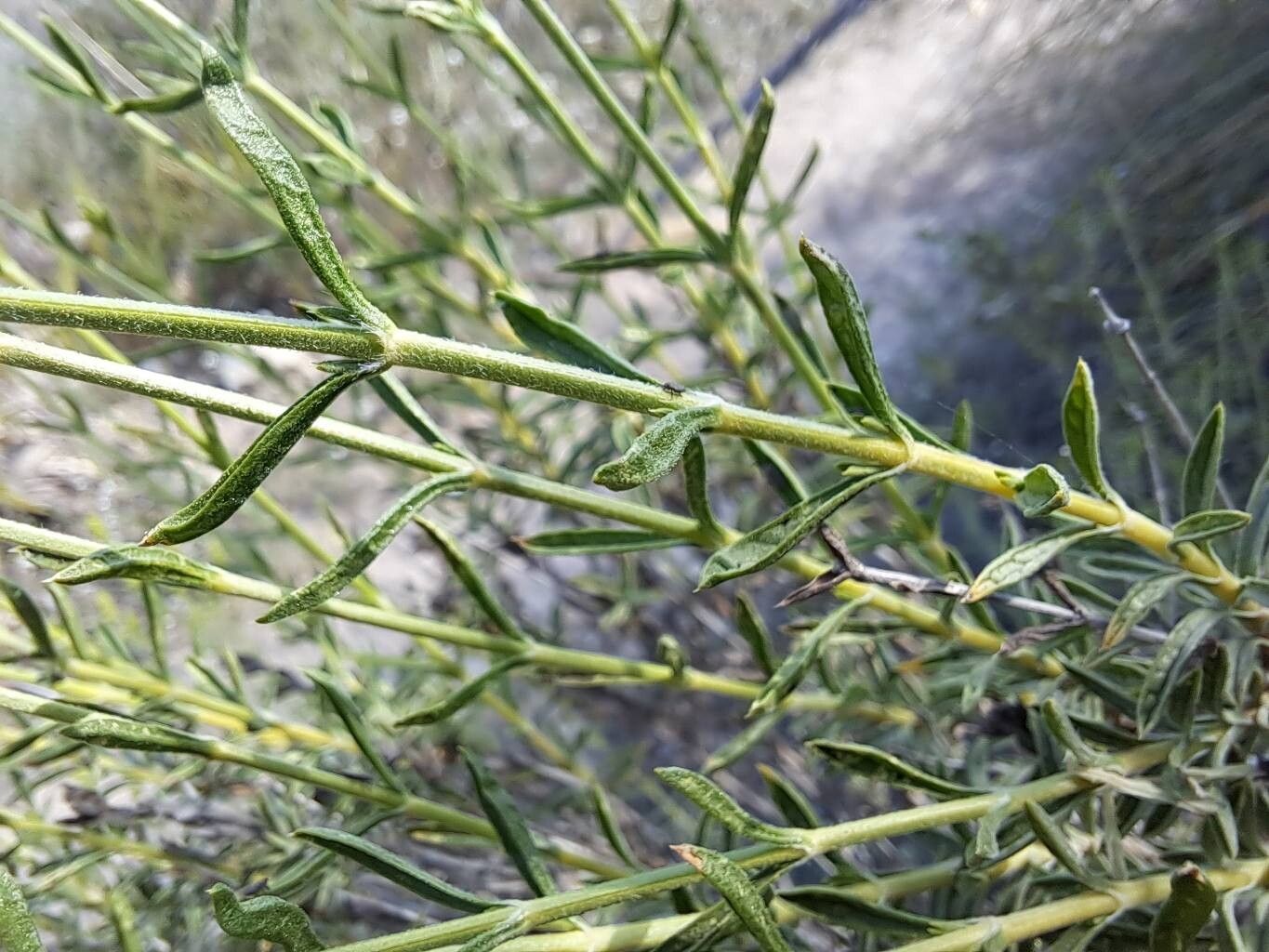
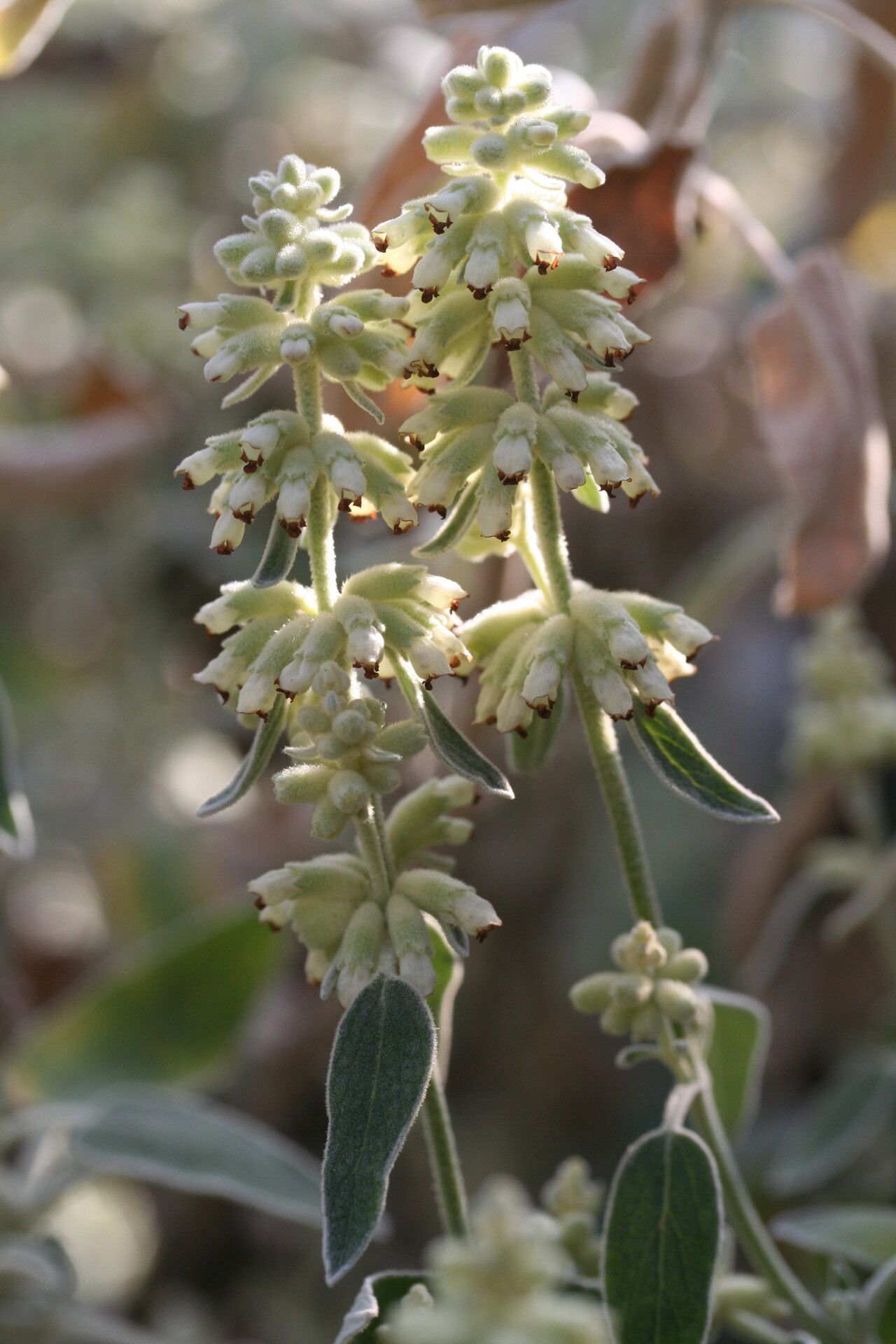
Hairy ironwort has strong resistance to disease and is usually not likely to suffer from illnesses. In terms of maintenance, this plant is fairly low-maintenance. When grown outdoors it needs only light watering, and larger specimens typically do not need pruning. Smaller plants, however, should be pruned after they have finished blooming. Hairy ironwortt is appropriate for anyone with an outdoor area, like a garden or a deck, and does not demand much care experience.
How to keep Sideritis Hirsuta.
Light
Hairy ironwort originates from environments with plenty of open space, like sunlit meadows and edges of forests, where it gets ample light. While it does well in Full Sun it can also withstand Partial Sun, demonstrating its adaptability to different light conditions.
Water
Hairy ironwort thrives in arid regions, showcasing impressive drought tolerance by needing water only every 2-3 weeks. When grown outdoors, it is essential to use well-draining soil to better manage water and ensure the plant's health.
Temperature
The original habitat of the Hairy ironwort is in climates with average temperatures. For it to grow naturally, the best thermometer readings would be approximately 59 to 95 °F (15 to 35 ℃). If weather conditions become overly drastic, small modifications may be required to guarantee its successful cultivation.
Fertilizer
The right timing is critical when fertilizing Hairy ironwort. You should fertilize it at the beginning of spring, and continue it on a monthly basis until the start of summer. Fertilizer aids in creating beautiful blooms and supplying energy during both dormant and active periods of growth.
Pruning
Prune hairy ironwort during early to late winter by cutting back one-third of its growth. This promotes dense foliage and prevents legginess. Pruning during its dormant phase also reduces stress on the plant, improves air circulation, and removes any dead or diseased parts. As a result, it enhances the plant’s growth and flowering potential, making it a more attractive addition to your garden.
Botanical profile.
- Plant Type
- Shrub
- Life Cycle
- Perennial
- Genus
- Sideritis
- Family
- Lamiaceae
- Hardiness Zone
- 8-9
- Mature Height
- 49 cm
- Mature Spread
- 20 cm to 40 cm
- Leaf Color
- Green
- Leaf Type
- Evergreen
- Flower Color
- Yellow
- Flower Size
- 1.02 cm to 1.52 cm
- Bloom Time
- Summer
- Planting Time
- Spring, Summer, Autumn
- Harvest Time
- Late summer, Early fall, Mid fall
- Native Area
- Portugal, Italy, Spain, Morocco, France
Other names.
Reader questions.
How should I water my Hairy ironwort plant?
Watering your Hairy ironwort is hassle-free, as you can use any common watering tool. Whether it's a watering can, hose, or even a cup, they all work just fine. Important thing is to water the soil directly and make sure all areas are equally moistened to cater to the entire root system. Using filtered water is ideal, as tap water might contain harmful particles. Also, it's best to use water at or slightly above room temperature to avoid shocking the plant. That said, the Hairy ironwort generally does well with any type of water.
What are the sunlight requirements for Hairy ironwort?
Hairy ironwort requires full sun, meaning it needs more than 6 hours of sunlight per day. However, it can also tolerate partial sun, which is about 3-6 hours of sunlight. When selecting a location for your Hairy ironwort, observe the movement of sunlight through your garden and aim for a balance of light and shade to ensure the plants' optimal growth and health.
What is the optimal temperature range for the growth of hairy ironwort?
Hairy ironwort, also known as Sideritis hirsuta, thrives best in environments with moderate temperatures. The optimal temperature range for its natural growth is between 59 to 95°F (15 to 35°C). This plant has some cold tolerance and usually doesn't require extra cold protection measures when the temperature stays above -5°C. However, in seasons with extreme temperatures, whether high or low, slight adjustments might be necessary to maintain its thriving growth.
What should I do if I give my Hairy ironwort plant too much or too little water?
Outdoor plants, especially newly planted ones or seedlings, are prone to not getting enough water. It's important to keep watering them regularly for a few months when they're small or just planted. Once the roots are established, they can rely on rain most of the time. When your Hairy ironwort is planted in pots, overwatering is more likely. If you accidentally overwater it, you need to address the situation immediately. First, stop watering the plant to minimize the effects of overwatering. Then, remove the Hairy ironwort from its pot and check its roots. If there is no root rot, you can put the plant back in its container. But if you find signs of root rot, trim the affected roots and consider applying a fungicide. Repot the Hairy ironwort in well-draining soil. On the other hand, if the Hairy ironwort is not getting enough water, simply increase the frequency of watering. Underwatering is usually easy to correct. When the plant is underwatered, its leaves will droop, dry out, and may fall off. Once you give it sufficient water, the leaves will regain their fullness. Make sure to adjust your watering schedule as soon as you notice underwatering.
Can Hairy ironwort grow under artificial lighting?
Yes, Hairy ironwort can grow under artificial lighting, which is especially useful in conditions where natural sunlight is insufficient, such as in winter or less sunny spaces. LED lights are a good choice because they can be customized to provide the specific wavelengths of light that plants need. Full sun plants require 30-50W/sq ft, partial sun plants need 20-30W/sq ft, and full shade plants need 10-20W/sq ft of artificial light. The light source should be placed 12-36 inches above the plant and kept on for 8-12 hours per day to mimic natural sunlight conditions.
How should hairy ironwort be protected from low temperatures?
Hairy ironwort has a moderate tolerance for low temperatures and performs best when the temperature remains above 15°C. It should be kept above -5°C during winter. If temperatures fall below -10°C, you might notice the leaves drooping; they can recover in mild cases but will wilt and eventually fall off in severe ones. To protect the plant from frost damage, trim off any frost-damaged parts and wrap the plant with non-woven fabric, cloth, or other suitable materials. Additionally, constructing a wind barrier can help protect it from cold winds. Once the risk of low temperatures has passed, these protective measures should be removed.
How much water should I give my Hairy ironwort?
Most outdoor plants can rely on rainfall for their normal growth. However, if your area lacks rainfall, you should water your plants every 2 weeks in spring and fall. In summer, you'll need to water more frequently. In winter, when growth slows down and plants need less water, water sparingly or not at all. For young or newly planted Hairy ironwort, water more frequently to help it establish and grow. For potted plants, you have two options for watering frequency. The first option is to set a regular watering schedule, either once every week or once every other week. However, this approach might not be suitable for the unique conditions of your Hairy ironwort's growing environment. The second option is to determine watering frequency based on soil moisture. Wait until the top two to four inches of soil in the pots have completely dried out before watering again. This is usually about one-third to one-half the depth of the pots.
What are the symptoms of insufficient light for Hairy ironwort?
When Hairy ironwort does not receive enough light, it may display several symptoms including smaller new leaves, leggy or sparse growth, faster leaf drop, slower or no new growth, lighter-colored new leaves, and chlorosis (yellowing of leaves). Excessive sunlight can cause sunscald (pale, bleached areas on leaves), leaf curling as a defense mechanism against too much light, wilting due to water loss, and leaf scorching, indicated by brown, dry edges on leaves.
What measures should be taken if hairy ironwort experiences high temperatures?
During the summer, it's important to ensure that the temperature surrounding hairy ironwort does not exceed 35°C. If it reaches beyond 38°C, the plant may show signs of stress, including lighter leaf colors, dry and withered leaf tips, curled leaves, and an increased susceptibility to sunburn. To mitigate damage from high temperatures, trim away the sunburned and dried-up parts. Relocate the plant to a shaded area, especially during the midday and afternoon, or use a shade cloth to protect it from direct sunlight. Additionally, watering the plant in the morning and evening helps keep the soil moist, further aiding in its protection against high temperatures.
How much water does my Hairy ironwort plant require?
When watering your Hairy ironwort, you may be surprised to learn that it doesn't always require a lot of water. If only a few inches of soil have dried since the last watering, you can provide about five to ten ounces of water each time. You can also gauge the water volume based on soil moisture. Take note of how many inches of soil have dried between waterings. To ensure your Hairy ironwort receives enough moisture, water until all the dry soil layers from the previous watering are dampened. If more than half of the soil has dried, consider giving more water than usual. Add water until you see excess water draining from the pot's holes. If your Hairy ironwort is planted in a rainy area outdoors, it may not require additional watering. When the Hairy ironwort is young or establishing, make sure it receives 1-2 inches of rain per week. As it continues to grow, it can rely solely on rainwater. Only during hot weather with no rainfall for 2-3 weeks should you give it a thorough watering to prevent stress.
How can I improve light conditions for Hairy ironwort?
To improve light conditions for Hairy ironwort, gradually increase its exposure to sunlight by moving it to a sunnier location each week, aiming for at least 6 hours of direct sunlight daily. For indoors, use a south-facing window or artificial light sources like desk lamps or professional grow lights for at least 8 hours daily. Outdoors, adjust the plant's location gradually to prevent sunburn. Removing obstructions like pruning trees can also help increase sunlight exposure. If necessary, transplant smaller plants during their dormant period to a location with more sunlight and good drainage.
How can I know if I'm giving enough water to my Hairy ironwort plant?
Overwatering is a common problem for the Hairy ironwort, and there are clear signs to watch out for. If your Hairy ironwort is overwatered, its leaves will turn yellow and some may even fall off. The plant's overall structure may also shrink and root rot can occur. Conversely, an underwatered Hairy ironwort will start to droop and develop brown, fragile leaves. Whether you notice signs of overwatering or underwatering, it's important to take action to revive your Hairy ironwort's health.