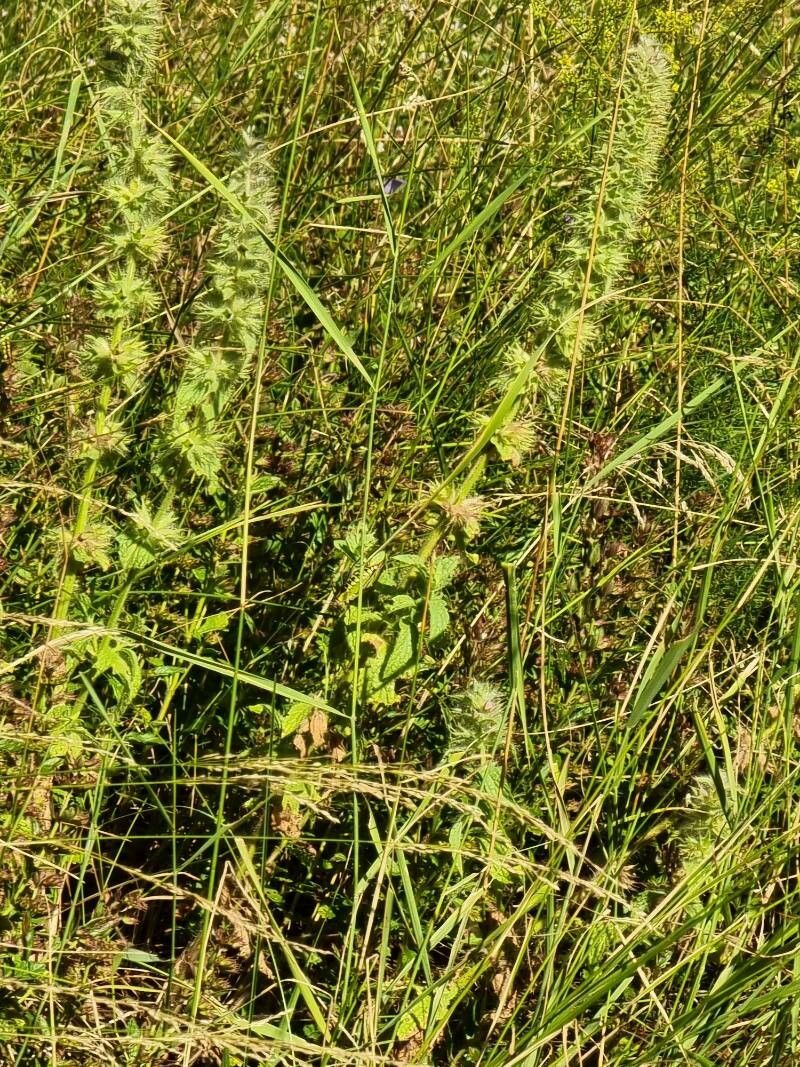
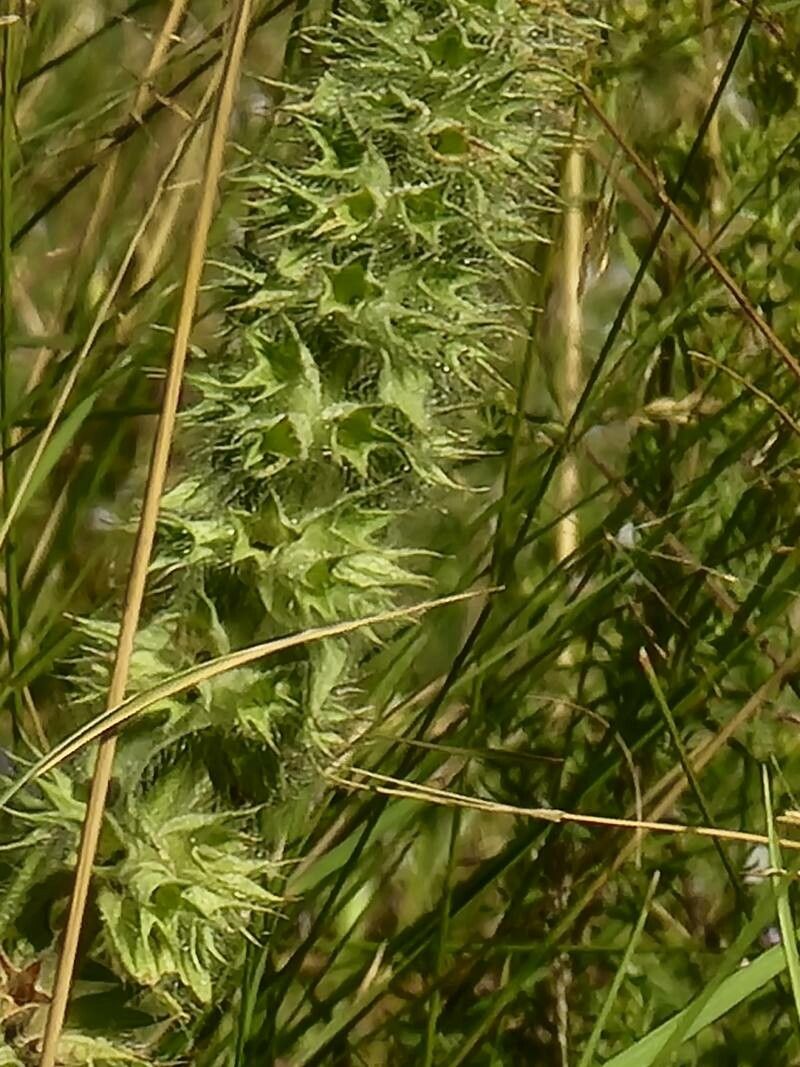
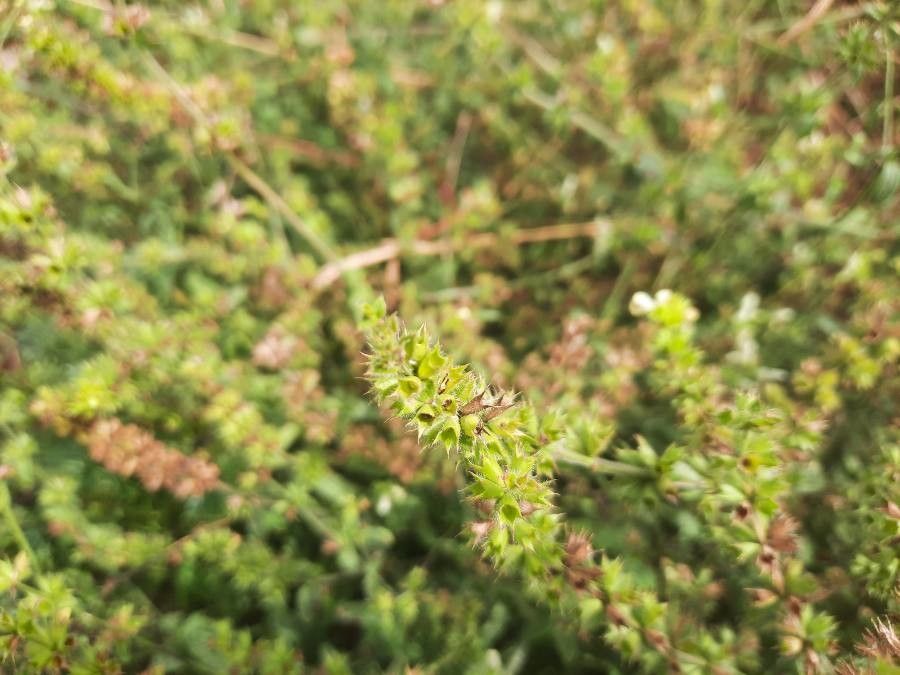
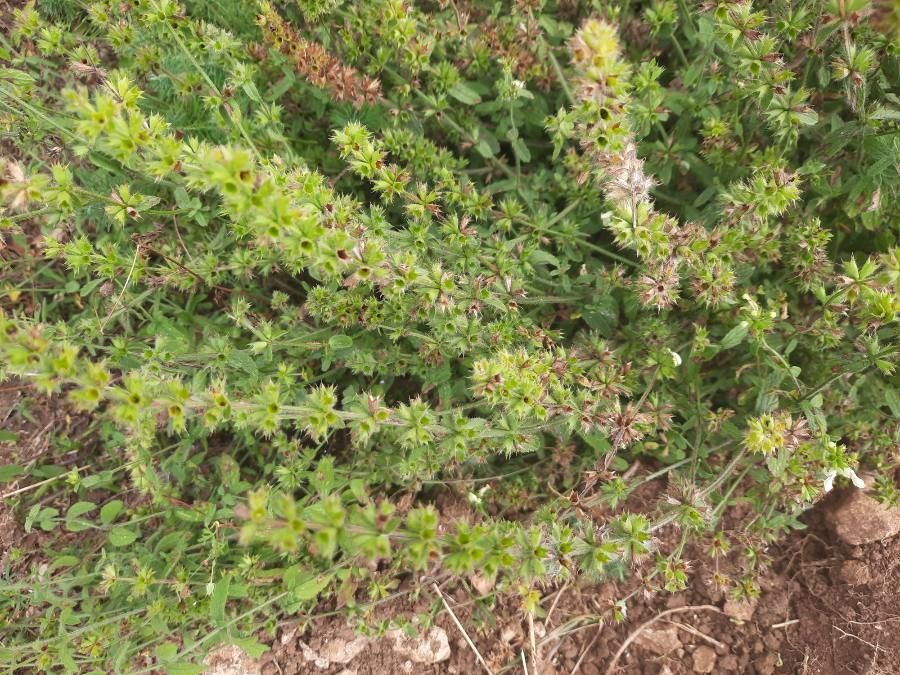
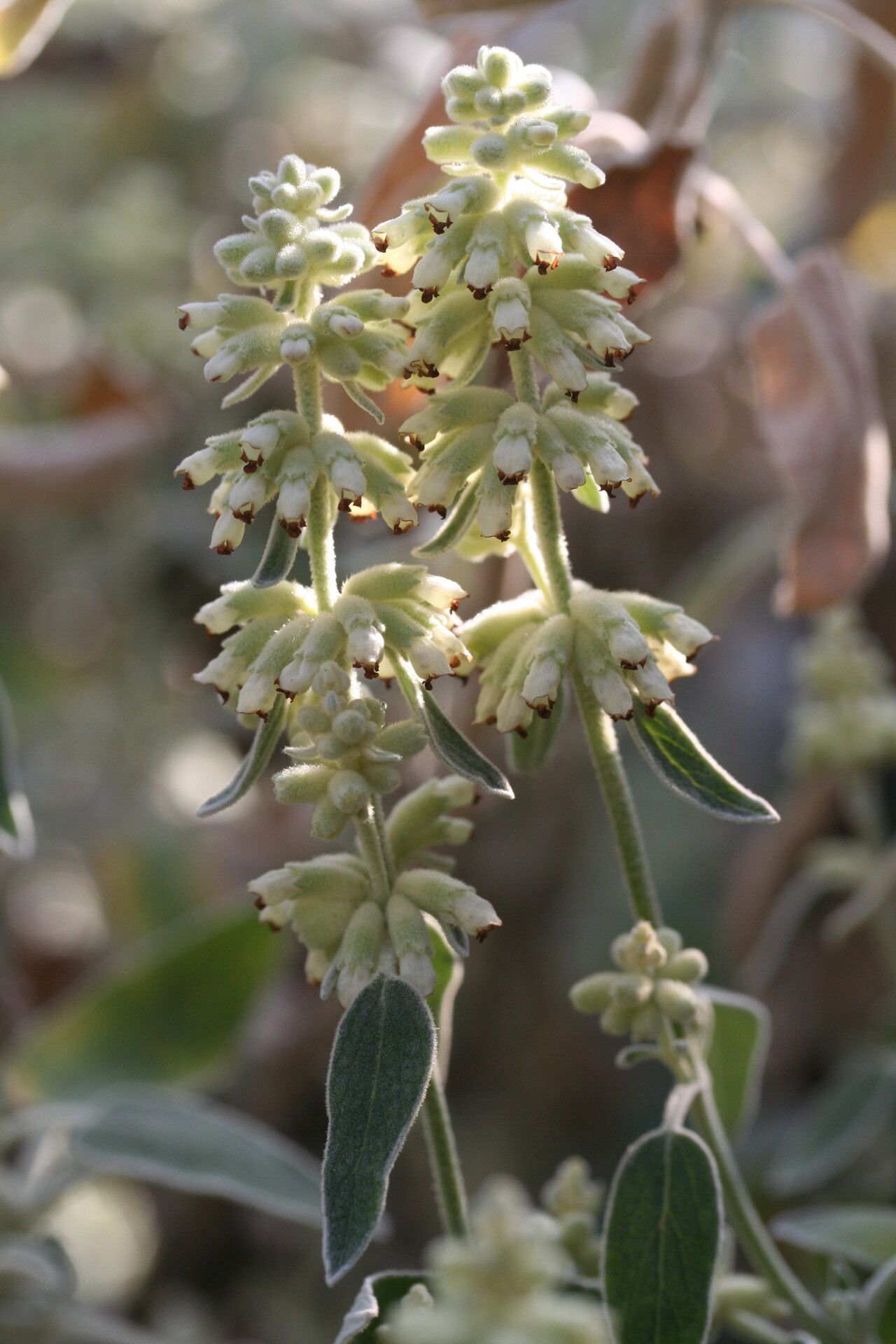
Mountain ironwort has strong resistance to disease and typically does not suffer from many illnesses. Still, it can be affected by pests and diseases that exist in its local environment. Such infections tend to be mild. Regarding maintenance, this plant needs a moderate level of care. It should be pruned regularly to preserve an attractive appearance and encourage healthy growth. Applying fertilizer can also aid in boosting its flowering. Mountain ironwort is appropriate for anyone with outdoor areas like a garden or patio and does not demand much prior gardening experience. When cultivated indoors it may need more attention.
How to keep Sideritis Montana.
Light
Mountain ironwort comes from bright, open habitats and flourishes in full sun. It can tolerate partial sun but favors direct sunlight for optimal growth. This plant, which may be annual or biennial, is known for its sun-loving nature.
Temperature
Mountain ironwort can tolerate a wide range of temperatures, but its distribution may still be restricted by different combinations of moisture and heat. It performs best in warm summer conditions with sufficient rainfall or watering. Extended periods of cloudy, rainy weather or prolonged high temperatures can raise the likelihood of the plant dying. In winter, protecting it from cold can improve its survival rate.
Fertilizer
When most of Mountain ironwort’s flowers have reached full size, resume fertilizing. Around the time the blooms are at peak production, fertilize every three to four weeks, weather permitting. Then, once Mountain ironwort begins to produce fewer new blooms, stop fertilizing; there’s no need to feed it when the plant can no longer produce more blooms.
Pruning
Mountain ironwort is a herbaceous perennial known for its aromatic leaves and clusters of white flowers. To encourage dense growth and prolific blooming, prune it from early to late spring. Remove any dead or weak stems and do a light trim to shape the plant. This will enhance its vigor, prevent legginess, and ensure a healthier appearance.
Botanical profile.
- Plant Type
- Herb
- Life Cycle
- Annual
- Genus
- Sideritis
- Family
- Lamiaceae
- Hardiness Zone
- 7-10
- Mature Height
- 20 cm to 40 cm
- Mature Spread
- 15 cm to 30 cm
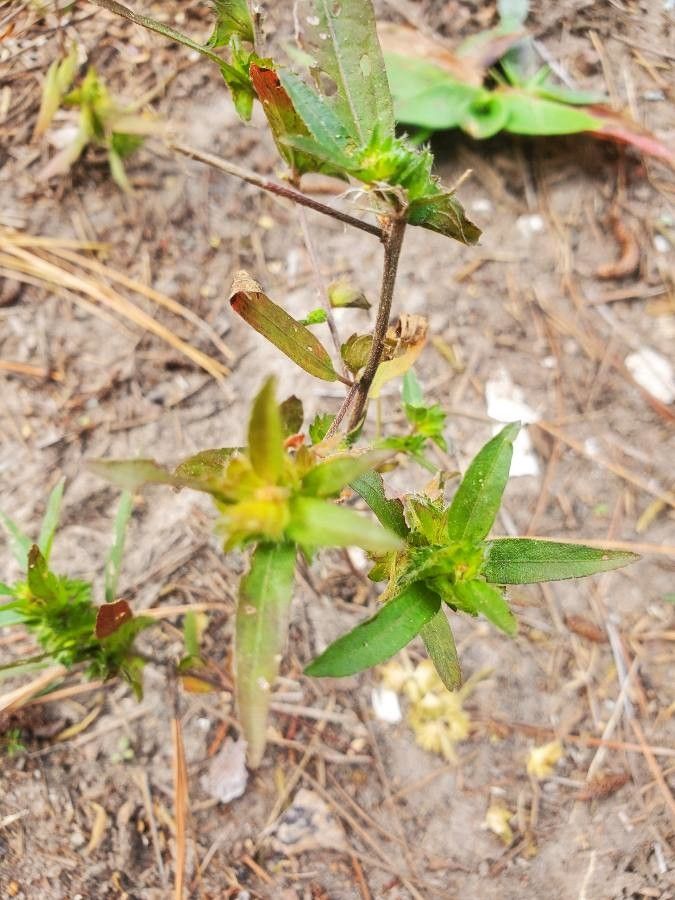
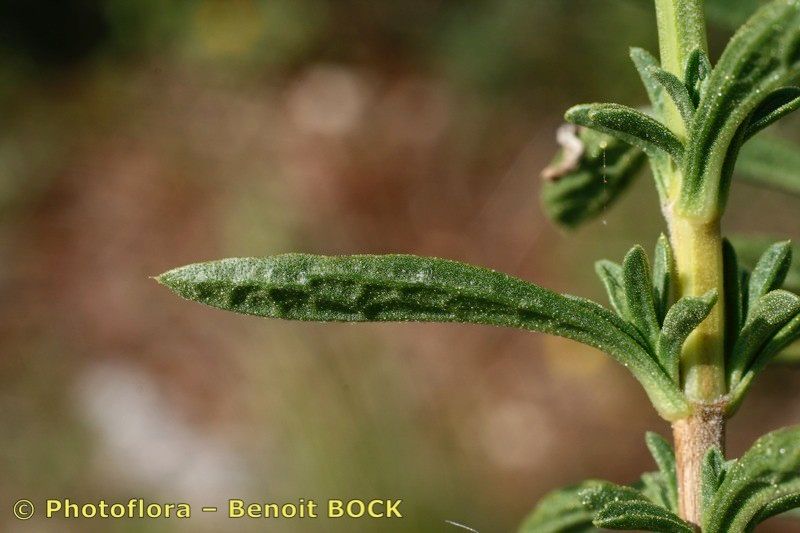
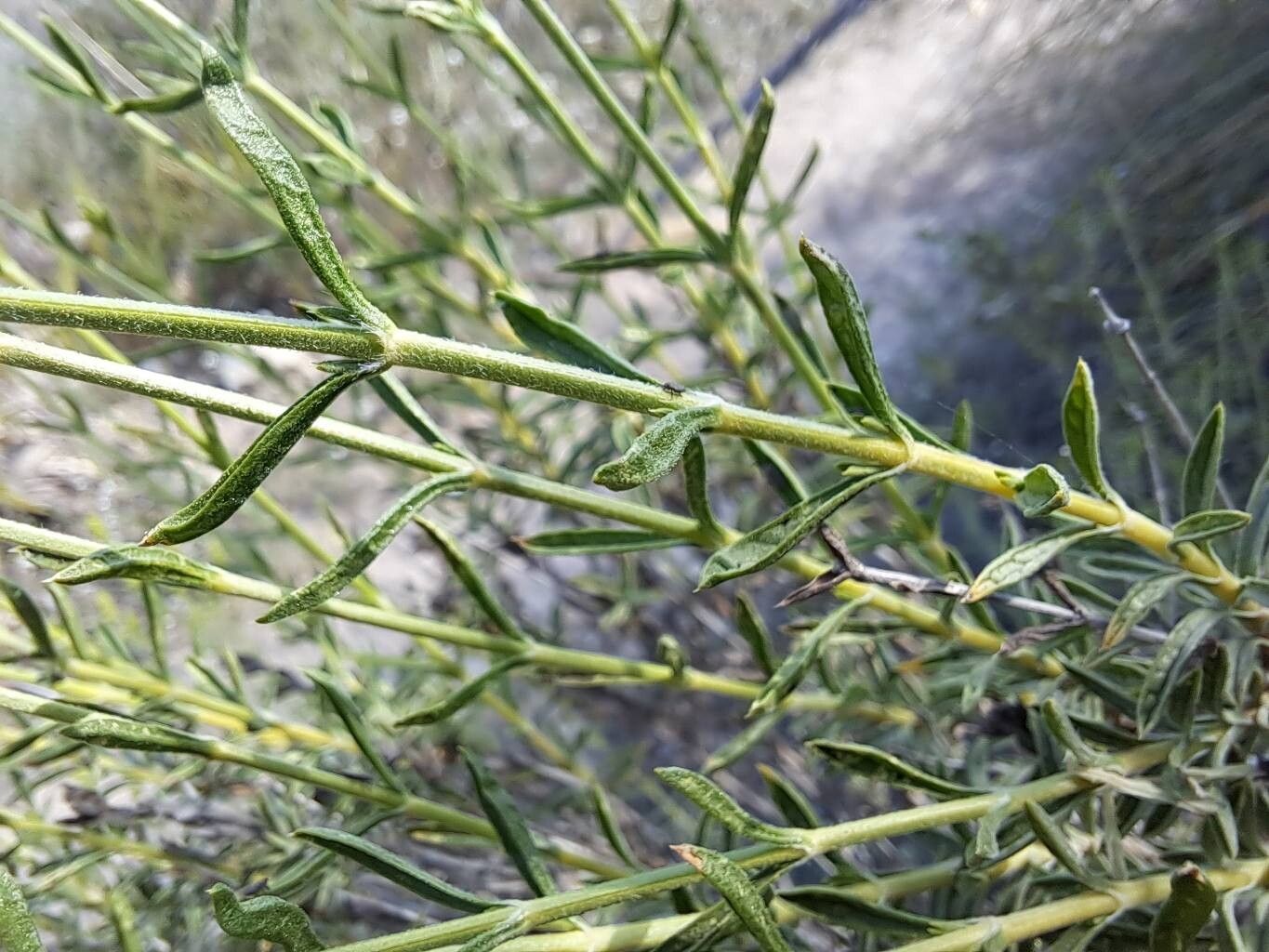
- Leaf Color
- Green, Dark Green
- Leaf Type
- Evergreen
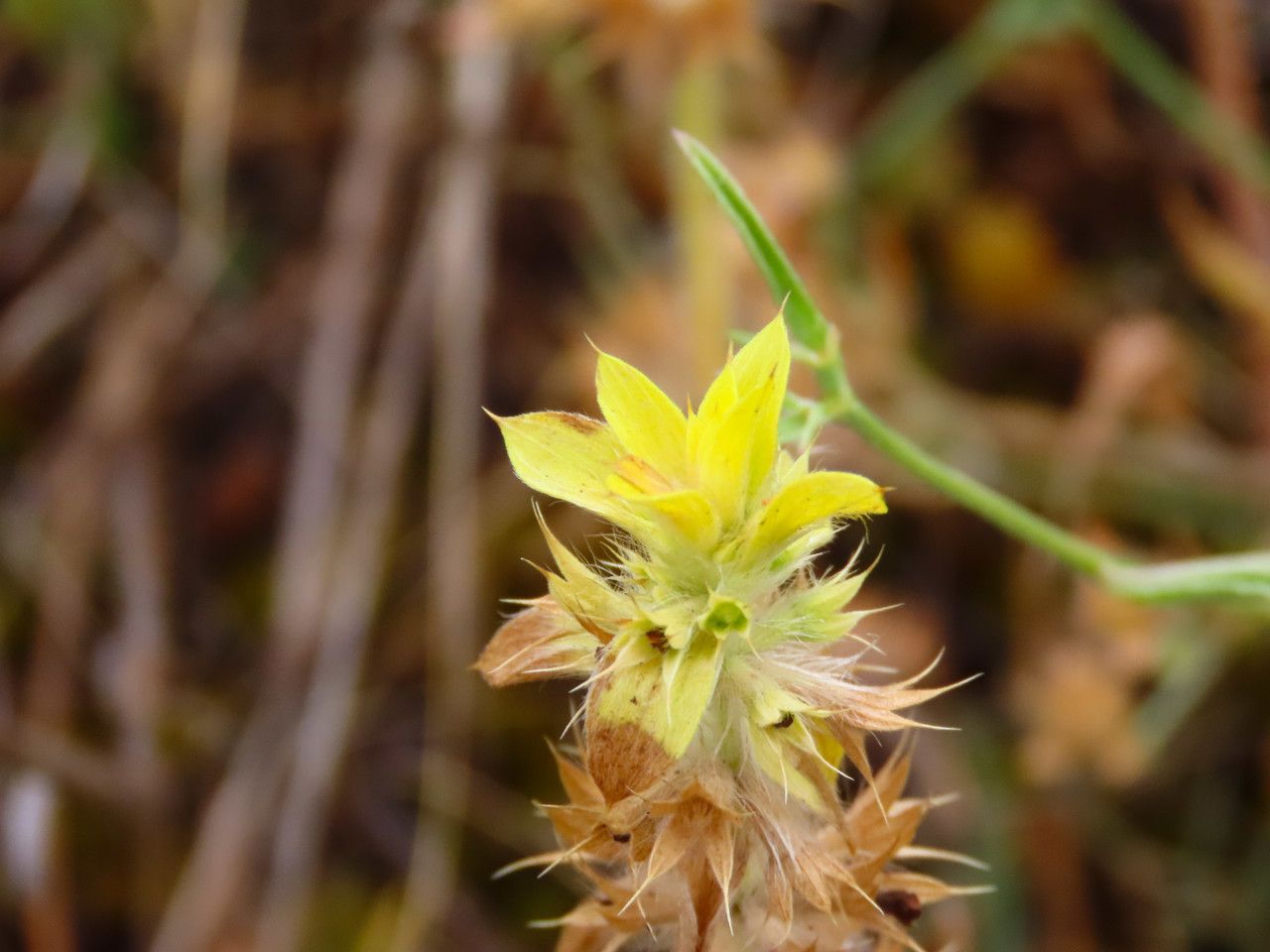
- Flower Color
- Yellow
- Flower Size
- 1.02 cm to 1.52 cm
- Bloom Time
- Late spring, Early summer, Mid summer
- Planting Time
- Spring, Summer, Autumn
- Harvest Time
- Mid summer, Late summer, Early fall
Other names.
Reader questions.
How should I water my Mountain ironwort plant?
To water Mountain ironwort, you have several options: you can use a garden hose with a spray nozzle, a watering can, or any other common watering tool. This plant is not too particular about the type of water it receives, as it can thrive with rainwater, tap water, or filtered water. However, it is generally not recommended to water this plant from overhead, as it can harm the leaves and flowers and increase the risk of disease. A drip irrigation system is often the best method for watering Mountain ironwort, as it ensures even and direct application of water to the soil. If you have a container-grown Mountain ironwort, the same watering approach applies, but you may need to switch the tools you use. In this case, you can water the plant by using a cup, watering can, or tapping the water directly into the soil.
What should I do if I give my Mountain ironwort plant too much or too little water?
When your Mountain ironwort plant is not getting enough water, the solution is simple: water it more regularly. On the other hand, overwatering can be a more serious issue if you don't catch it early. It can lead to diseases that cause the plant to decline and die. To prevent this, choose a location for your plant that gets lots of sunlight to help dry out the soil and has good drainage to prevent water from pooling. If your potted Mountain ironwort is overwatered, you may need to transfer it to a new pot with better drainage. Make sure to use loose soil and a pot that drains well when replanting your overwatered plant.
How frequently should I water my Mountain ironwort plant?
To keep your Mountain ironwort healthy and thriving, it needs regular watering throughout the growing season. In the spring, watering once a week should be sufficient. However, as the weather gets warmer, you'll need to increase the watering frequency to about two to three times per week. It's important not to exceed this rate as it can harm the plant. Regardless of how often you water, make sure the soil remains moist but not overly wet. When it comes to Mountain ironwort in pots, you'll have to water it more frequently. Potted plants tend to dry out faster than those planted in the ground due to the soil heating up. In most cases, watering a container-grown Mountain ironwort a few times per week should be enough, compared to just once per week for a plant in the ground.
How much water does my Mountain ironwort plant need?
Determining how much water to give your Mountain ironwort can be approached in a few different ways. Some gardeners prefer to gauge moisture levels in the soil by feeling it, and they suggest watering until the top six inches feel moist. Another method is to have a specific measurement for watering, such as giving your Mountain ironwort around two gallons per week, depending on heat and soil dryness. However, following strict guidelines may result in overwatering if your plant needs less water. When growing in a container, you should ensure all layers of soil are moistened, which can be checked by sticking your finger in or waiting for excess water to drain out.
How can I know if I am giving enough water to my Mountain ironwort plant?
Avoiding overwatering your Mountain ironwort can be a challenge due to conflicting needs. While these plants have deep roots requiring weekly watering, they are also highly prone to root rot. Overwatering can cause browning and other damage. Underwatering is less likely, as Mountain ironwort can survive without additional watering for a while, but prolonged periods without water can lead to wilting and dry leaves.
How should I water my Mountain ironwort during different seasons?
As the seasons progress, you can expect your Mountain ironwort plant to require more water. In spring, watering once a week will suffice. However, as the summer heat sets in, it will be necessary to increase the frequency of watering to about three times a week, especially for Mountain ironwort plants in containers which dry out quicker than those in the ground. In autumn, when the temperature drops and the sun is not as intense, your Mountain ironwort plant may require slightly less water despite still being in bloom.
What is the best way to water my Mountain ironwort at different stages of growth?
Mountain ironwort goes through various growth stages throughout the year, each with its own water requirements. To begin, when you first plant the Mountain ironwort as a seed, it is important to give it plenty of water during germination. This means watering it frequently to maintain consistent soil moisture. After a few weeks, when the plant grows above the soil, it will require slightly less water than when it was a seedling. Once the Mountain ironwort is fully mature, you can water it approximately once per week. However, during flower development, you may need to provide a bit more water to assist the process.
How is watering Mountain ironwort different when you do it inside versus outside?
Most Mountain ironwort plants prefer to grow outdoors rather than indoors for a few reasons. Firstly, they tend to grow quite tall, which may pose a challenge for indoor spaces. Secondly, these plants require a larger amount of daily sunlight than most indoor environments can offer. However, if you are able to create a suitable indoor growing space, it is important to note that your Mountain ironwort may need more frequent watering compared to outdoor growth. This is because indoor locations are typically dryer due to HVAC units and the soil in containers tends to dry out faster than soil in the ground.