Sideroxylon lycioides
Buckthorn bumelia · Southern-buckthorn · Coma · Gopherwood Buckthorn · Southern Byckthorn
Description
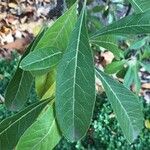
Source: leafsnapSideroxylon lycioides, commonly known as the buckthorn bully or the hog plum, is a small to medium-sized evergreen tree that belongs to the Sapotaceae family. It is native to Florida, the Caribbean islands, and Central and South America. The tree can grow up to 30 feet tall with a trunk diameter of up to 12 inches. The leaves of Sideroxylon lycioides are simple, alternate, and elliptical, measuring 2-4 inches in length. They are dark green with a glossy texture on top and lighter green underneath. The flowers of this plant are small and white or cream-colored with five petals, blooming from March through June. The fruit is an edible drupe that resembles a plum but has an unpleasant taste when eaten raw. Sideroxylon lycioides prefers well-drained soils in full sun or partial shade. It can tolerate some salt spray, making it suitable for coastal landscapes. Additionally, it is drought-tolerant once established, making it ideal for xeriscaping projects. This plant has several uses, including as an ornamental tree due to its attractive foliage. The wood is prized for its hardness and durability, making it suitable for furniture making. Moreover, some indigenous communities use parts of this plant medicinally, such as boiling the leaves into tea to treat fever symptoms. Overall, Sideroxylon lycioides is a great addition to any landscape design due to its hardiness and aesthetic value, providing attractive foliage throughout different seasons. It also offers medicinal benefits to certain communities who use it traditionally in their cultural practices.
Care Guide
💧 Water Every 7 days
The buckthorn bully is well-suited for arid environments due to its high drought tolerance. It requires watering only every 2-3 weeks, demonstrating its ability to adapt to limited rainfall. This plant thrives in rocky soils, with a resilient root system that efficiently extracts moisture, making it an excellent choice for xeriscaping.
☀️ Light Full sun
Buckthorn bully comes from open habitats, such as sunny meadows and forest margins, which offer abundant light. It thrives in full sun but can also tolerate partial sun, adapting well to a range of sunlight conditions.
What are the sunlight requirements for Buckthorn bully?
Buckthorn bully (Sideroxylon lycioides) thrives in environments that provide ample light, such as sunny meadows and forest edges, requiring above 6 hours of sunlight daily, categorized as Full Sun. However, it can also tolerate Partial Sun conditions, making it adaptable to varying sunlight exposures. It’s essential to watch how sunlight moves through your garden, choosing spots that offer a blend of light and shade to ensure your plants' well-being.
How can artificial lighting be used for Buckthorn bully and other indoor plants?
When natural sunlight is insufficient, especially during winter or in less sunny spaces, artificial lighting becomes a crucial alternative for Buckthorn bully and other indoor plants, ensuring optimal growth. LED lights are recommended because they can be customized to provide specific wavelengths needed by plants. Full sun plants require 30-50W/sq ft of artificial light, partial sun plants need 20-30W/sq ft, and full shade plants need 10-20W/sq ft. The light source should be placed 12-36 inches above the plant, mimicking natural sunlight distance, and the duration should correlate with the natural daylight hours for the specific plant species, usually between 8-12 hours daily.
What are the signs of light deficiency and overexposure in Buckthorn bully?
Buckthorn bully shows various symptoms when faced with light deficiency, including smaller new leaves, leggy or sparse growth, faster leaf drop, slower or no new growth, and lighter-colored new leaves. These signs suggest the plant is straining for light. Conversely, symptoms of light overexposure or heat stress include chlorosis, sunscald, leaf curling, wilting, and leaf scorching, indicating damage or adverse reactions to intense sunlight. Paying attention to these symptoms allows for timely adjustments to lighting conditions, ensuring the plant's health.
What solutions can address light-related issues for Buckthorn bully?
To address light-related issues in Buckthorn bully, consider the following solutions: For indoor plants, gradually move them to sunnier locations to receive at least 6 hours of direct sunlight daily or use artificial light like desk or grow lights for 8 hours daily. For outdoor plants, move them gradually to sunnier spots to avoid sunburn and ensure they adapt properly to the light intensity. Additionally, reducing obstructions by pruning trees or transplanting smaller plants during their dormant period can improve sunlight access. Note that parts of the plant affected by previous insufficient light may not recover, but new growth should be healthy with better light exposure.
🌡️ Temperature 15–35°C
Buckthorn bully is quite adaptable to heat, tolerating high temperatures and wide temperature swings. In hot weather, care should be taken to water it properly and give it suitable shade to avoid sunburn. Conversely, Buckthorn bully is less tolerant of cold; while it can handle some chill, very low temperatures may cause frost damage.
💨 Humidity
🪴 Soil 6-7
🌱 Fertilizer
To encourage healthy growth, feed your Buckthorn bully in early spring. Consistent fertilization boosts its overall health, producing vigorous growth, greater tolerance of challenging conditions, and enhanced resistance to pests and diseases. Keep to a defined fertilizing routine for your Buckthorn bully to maintain vivid, deeply colored foliage and a lush look.
🪴 Pot & Repot
✂️ Pruning
Pruning buckthorn bully is best done during the winter months, from early to late winter. This is an ideal time to focus on removing dead or diseased branches, thinning overcrowded areas, and maintaining the plant's shape to encourage healthy growth. Be sure to use sharp, clean tools when pruning; this helps prevent infections, reduces pests, and enhances the plant's structural integrity.
🌿 Propagating
🐛 Diseases & pets
☠️ Toxicity
Characteristics
- Plant Type
- Tree, Shrub
- Life Cycle
- Perennial
- Genus
- Sideroxylon
- Family
- Sapotaceae
- Hardiness Zone
- 7-10
- Mature Height
- 3.05 m to 6.1 m
- Mature Spread
- 2.13 m to 3.96 m
- Leaf Color
- Dark Green
- Leaf Type
- Evergreen
- Flower Color
- White
- Flower Size
- 0.25 cm to 0.51 cm
- Bloom Time
- Mid spring, Late spring
- Planting Time
- Spring, Summer
- Harvest Time
- Late summer, Early fall, Mid fall