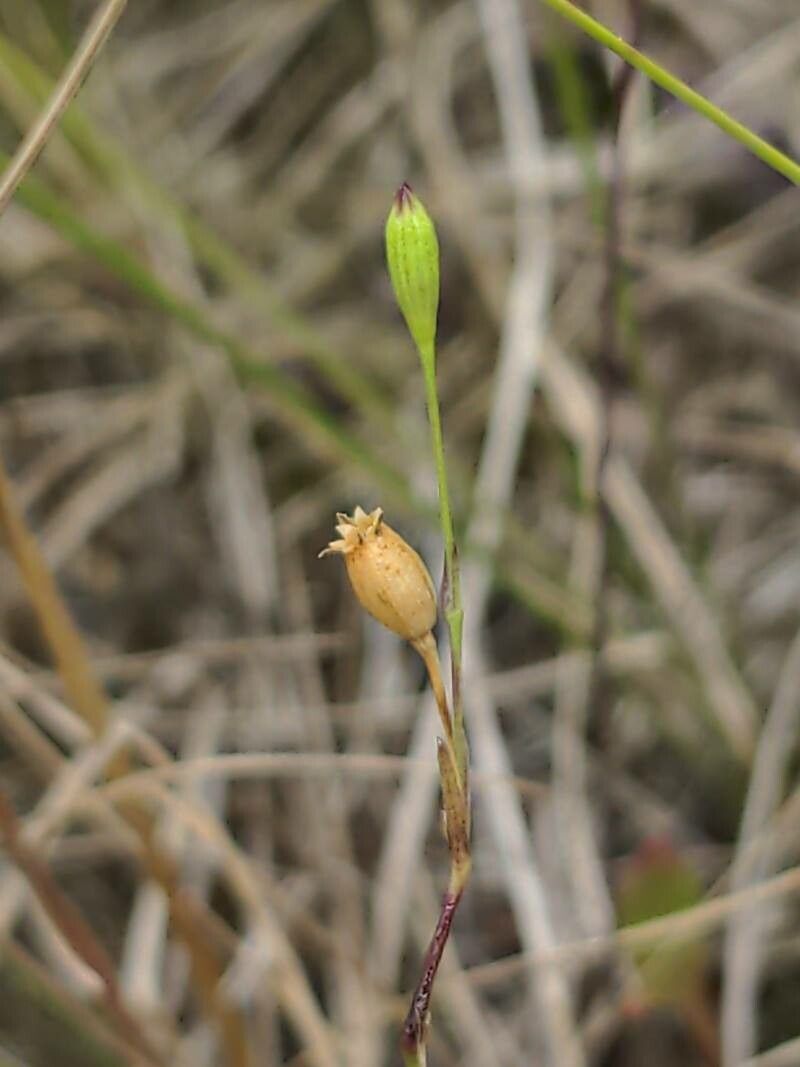
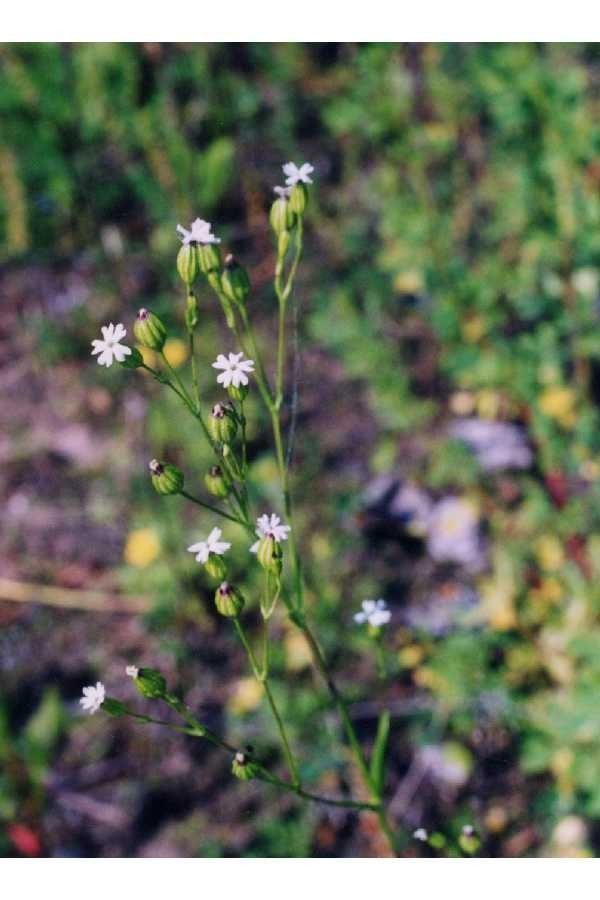
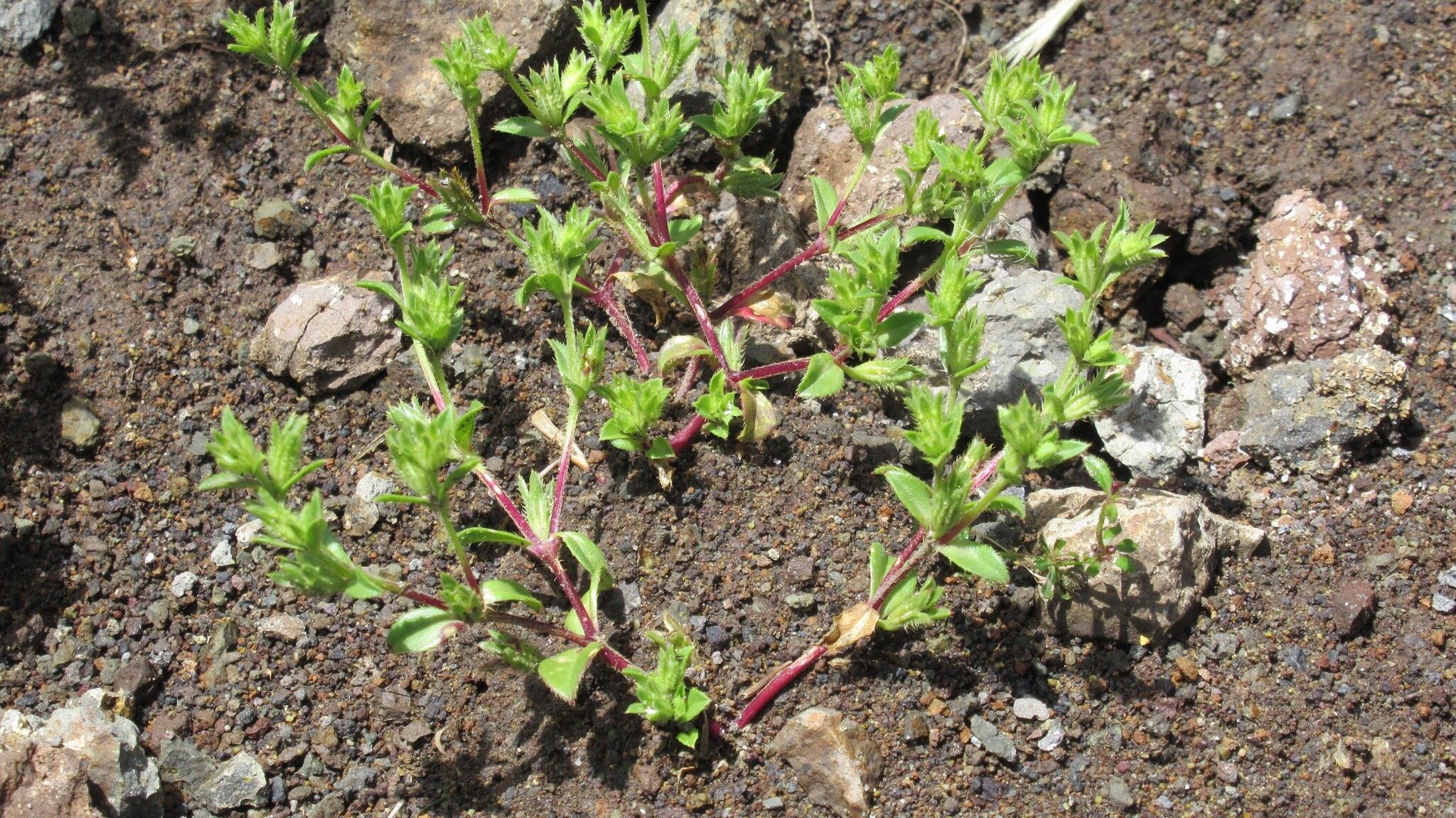
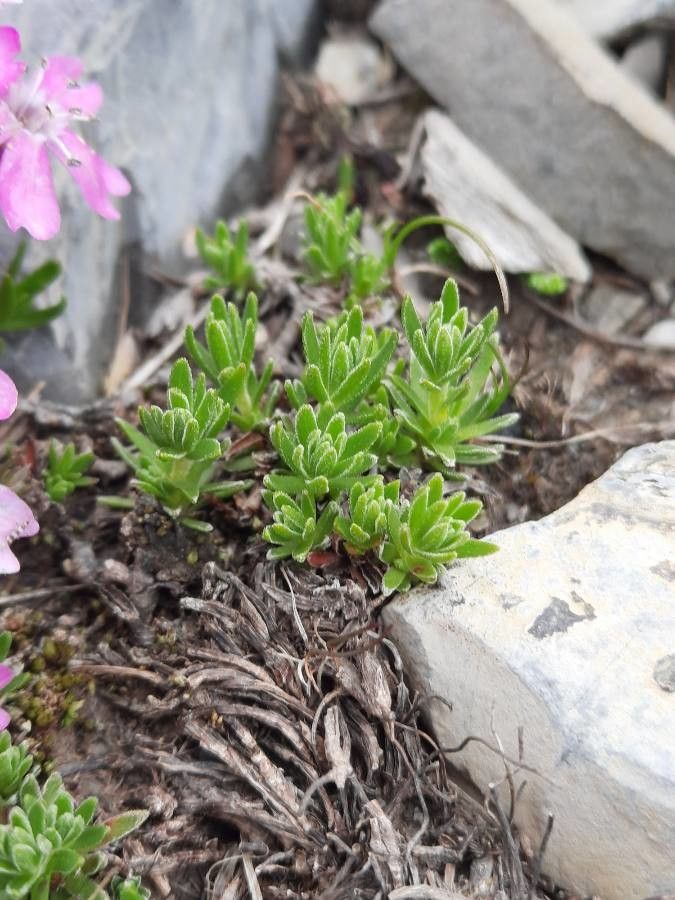
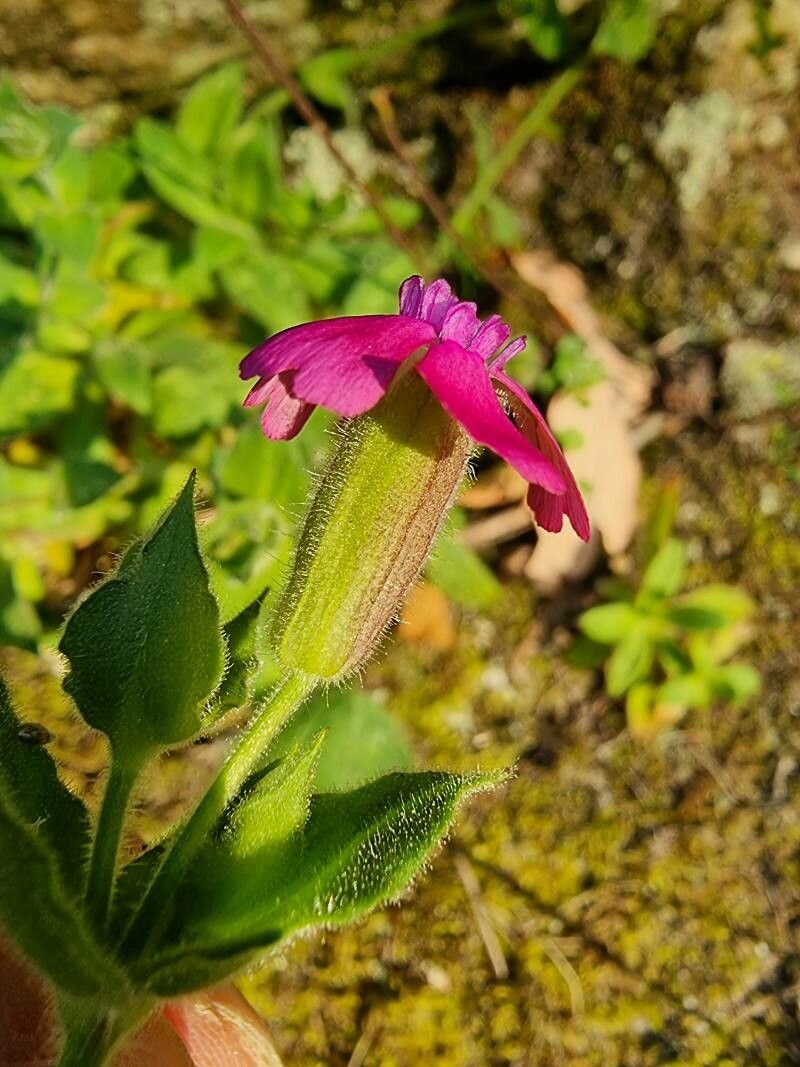
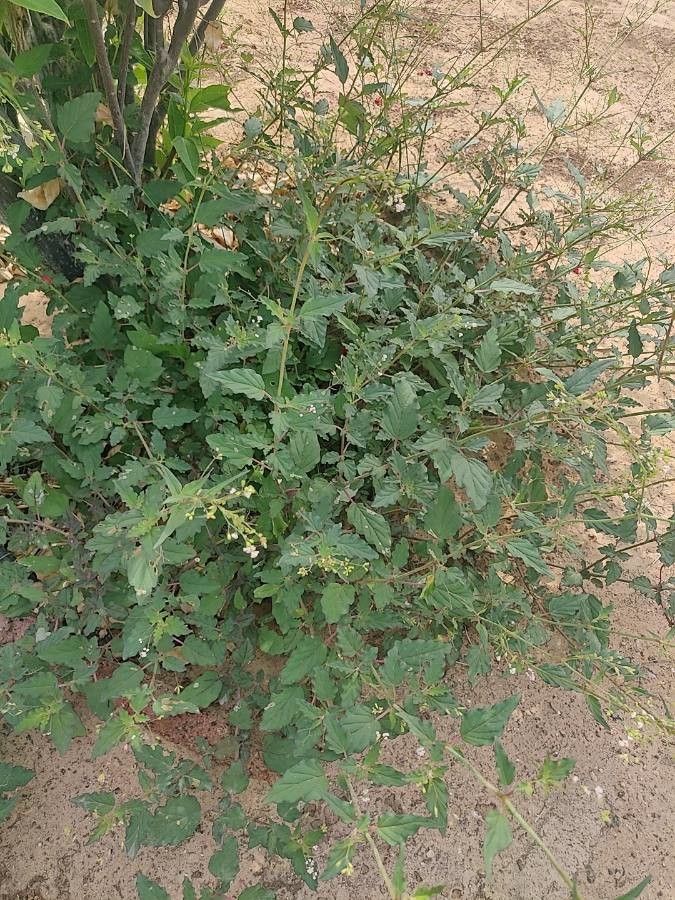
Silene antirrhina is a species of flowering plant in the family Caryophyllaceae known by the common names sleepy silene and sleepy catchfly. It is native to the Americas, where it is widespread throughout North America and parts of South America. It is known in Europe as an introduced species. It can be found in a wide range of habitat types, including disturbed and recently burned areas. It is sometimes weedy.
Garden Catchfly is fairly resistant to disease and generally does not tend to suffer from many illnesses. Still, it can be vulnerable to pests and diseases present in its surroundings. These problems are usually minor. Regarding care, this plant has moderate maintenance needs. It should be pruned regularly to preserve a neat appearance and healthy growth. Fertilizing can also encourage flowering. Garden Catchfly is well suited to anyone with an outdoor area, such as a garden or patio, and does not demand extensive care experience. It may need more attention when cultivated indoors.
How to keep Silene Antirrhina.
Light
Garden Catchfly does best with abundant sunlight during the day but can also tolerate lower light levels. Native to sunny habitats, insufficient exposure can weaken its vigorous condition, while light beyond its tolerance can cause mild stress.
Water
Sleepy silene is adapted to moderate hydration and thrives with consistent moisture, but it should not be waterlogged. For optimal health, it is best to water it weekly. As an outdoor plant, sleepy silene benefits from rainwater, which supports its growth cycle. It does not require high humidity or tolerate drought conditions.
Temperature
Garden Catchfly is native to temperate regions and is adapted to temperatures ranging from 68 to 105.8 °F (20 to 41 ℃). To meet its needs, alter the surrounding conditions accordingly, especially during extreme seasonal changes.
Fertilizer
When Garden Catchfly has opened most of its blooms to full size, resume fertilizing. Around the time the blooms are at peak output, apply fertilizer every three to four weeks, weather permitting. After Garden Catchfly begins producing fewer new blooms, stop fertilizing; there's no need to feed it when the plant can no longer produce more blooms.
Pruning
The sleepy silene showcases delicate pinkish-purple flowers on slender stems. To encourage healthy growth and more vigorous blooming, it's important to prune in early to late spring. This involves removing any dead stems and spent flowers. Make sure to use clean, sharp tools to maintain the plant's appearance and minimize the risk of disease.
Botanical profile.
- Plant Type
- Herb
- Life Cycle
- Annual
- Genus
- Silene
- Family
- Caryophyllaceae
- Hardiness Zone
- 5-13
- Mature Height
- 40 cm to 61 cm
- Mature Spread
- 15 cm to 30 cm
- Leaf Color
- Green
- Leaf Type
- Semi-evergreen
- Flower Color
- Pink, White
- Flower Size
- 1.02 cm to 1.52 cm
- Bloom Time
- Late spring, Early summer, Mid summer
- Planting Time
- Spring, Summer, Autumn
- Harvest Time
- Early summer, Mid summer
- Native Area
- Libya, Iraq, Tunisia, Syria, Italy, Egypt, Spain, Portugal, Iran, Cyprus, Pakistan, Croatia, Morocco, Lebanon
Other names.
Reader questions.
What are the ideal growing conditions for Sleepy silene?
Sleepy silene, or Silene antirrhina, thrives best in temperate woody environments, with an ideal temperature range of 68 to 95 °F (20 to 35 °C). It has strong resistance to cold and usually does not require special frost protection measures during winter. However, in regions where winter temperatures are expected to fall below -35°C, it's important to protect the plant from the cold by covering it with soil or straw. Additionally, before the first freeze in autumn, it's recommended to water the plant abundantly to ensure the soil remains moist and enters a frozen state, helping to prevent drought and water scarcity during winter and early spring.
How does Sleepy silene react to low temperatures, and what are the solutions?
Sleepy silene is cold-tolerant and shows optimal growth when the temperature remains above 20°C. During winter, it's crucial to keep the plant above 0°C. If temperatures fall below -35°C, there may not be noticeable changes during winter, but there could be a decrease in sprouting or even no sprouting during spring. The solution for this is to remove any parts that have failed to sprout in the spring, ensuring the plant can continue to grow and thrive despite the cold challenges.
How does Sleepy silene react to high temperatures, and what are the solutions?
During summer, it's important to keep Sleepy silene below 35°C. When temperatures exceed 38°C, the plant's leaves may become lighter in color, curl, become susceptible to sunburn, and, in severe cases, the entire plant may wilt and become dry. To mitigate these effects, trim away sunburned and dried-up parts of the plant. Moving the plant to a location with shade from the midday and afternoon sun or using a shade cloth can provide necessary protection. Additionally, watering the plant in the morning and evening helps keep the soil moist and supports the plant's health in high temperatures.