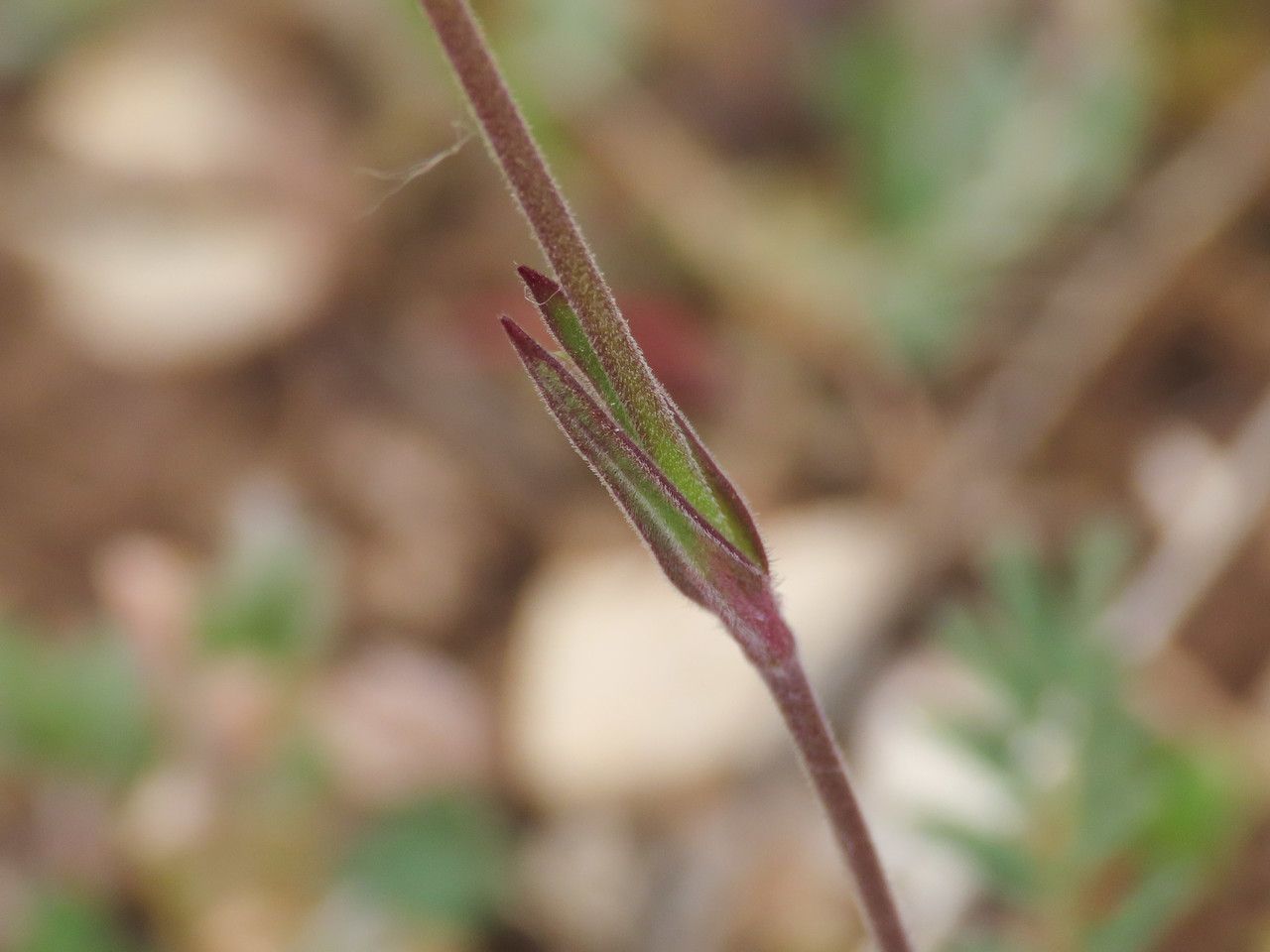
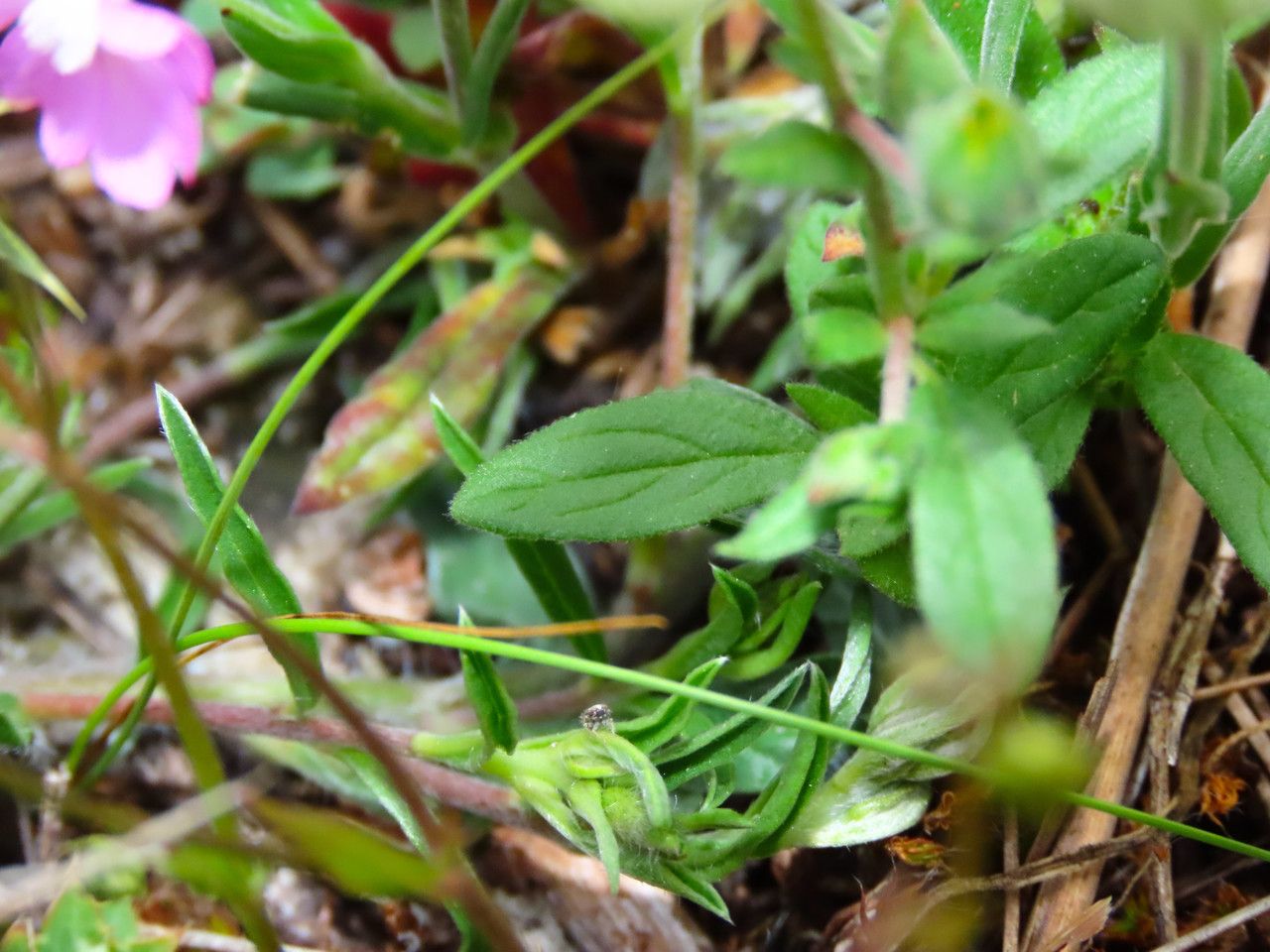
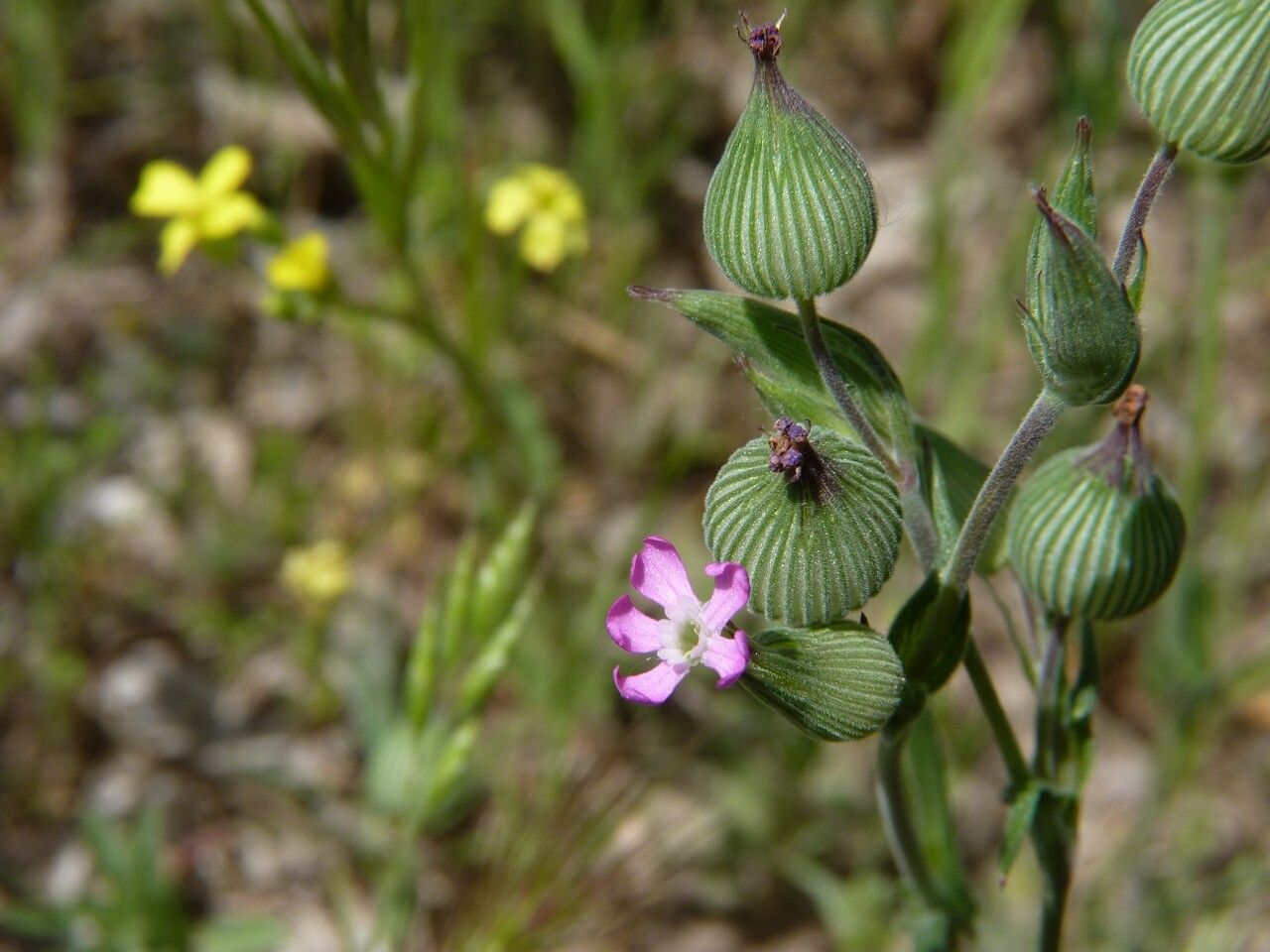
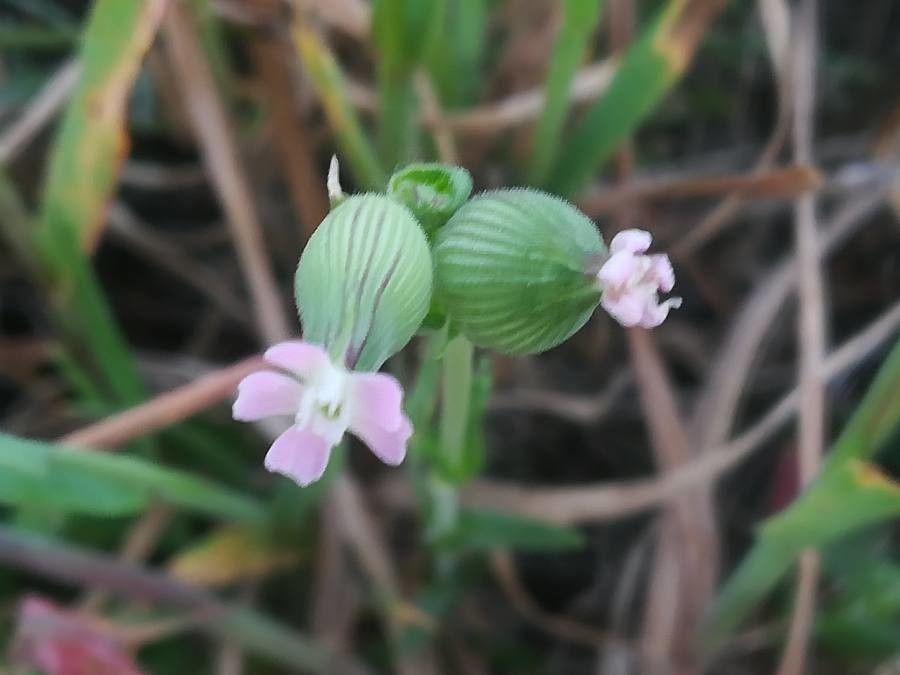
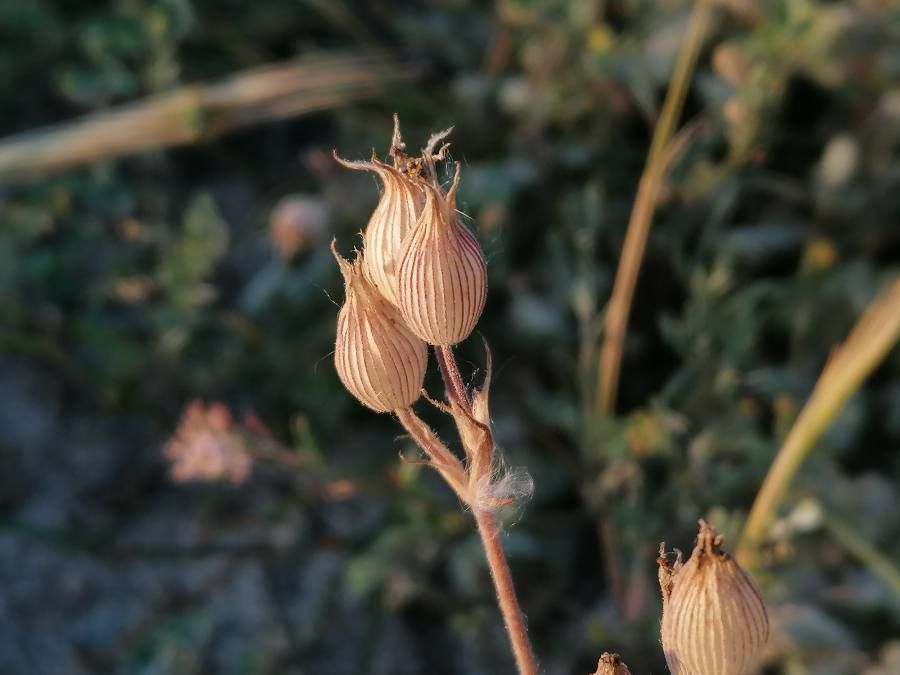
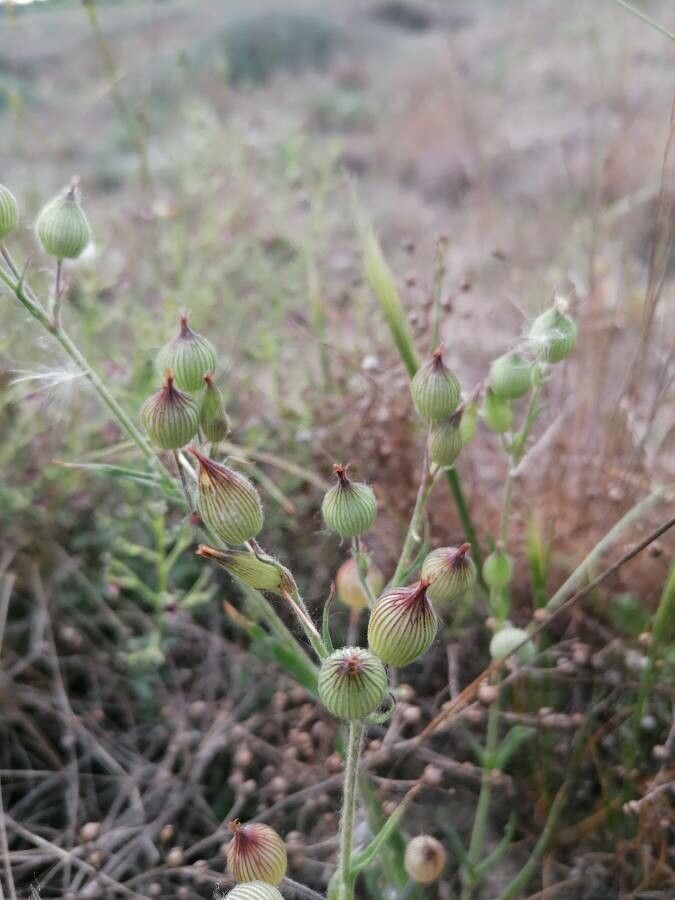
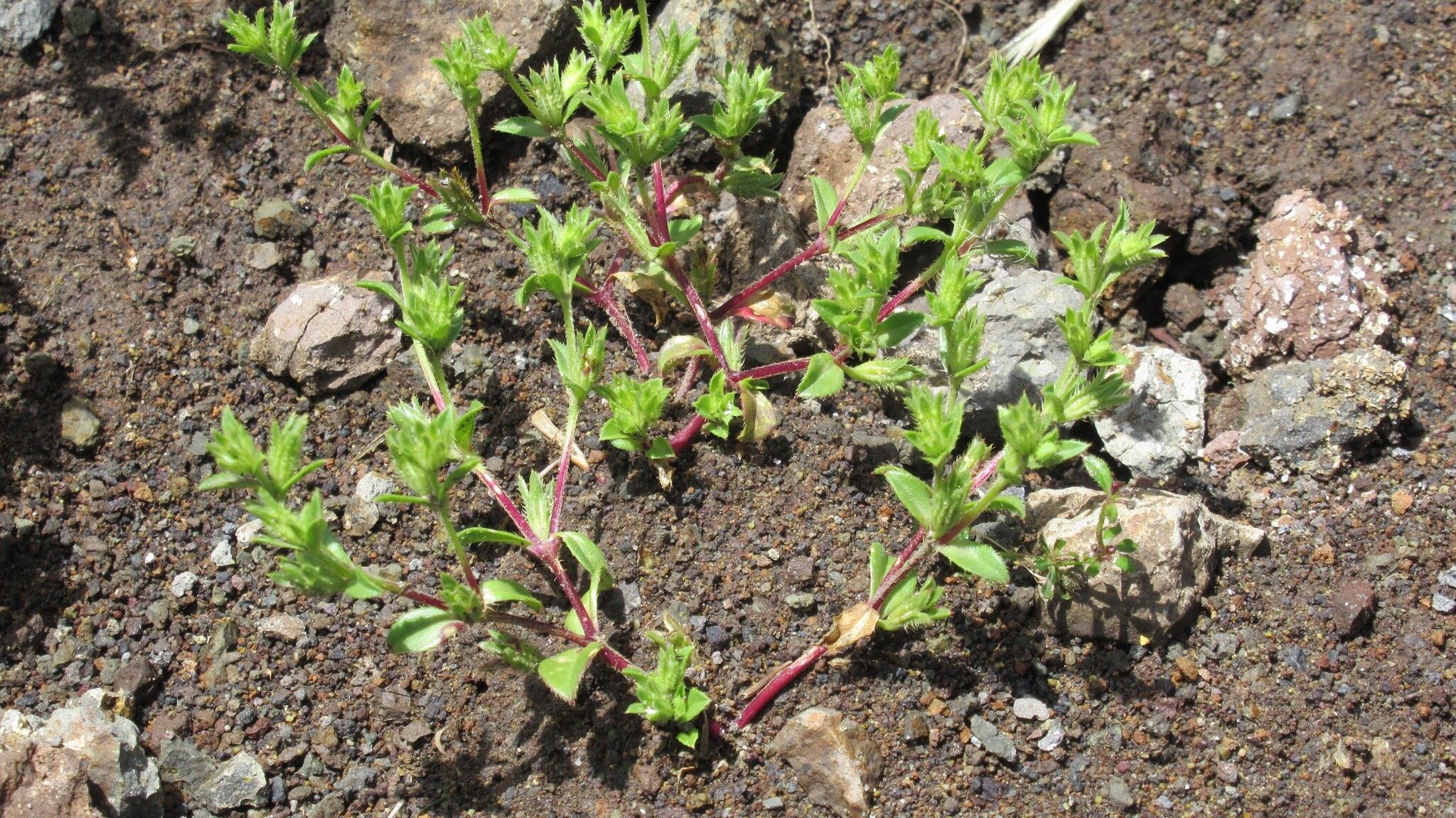
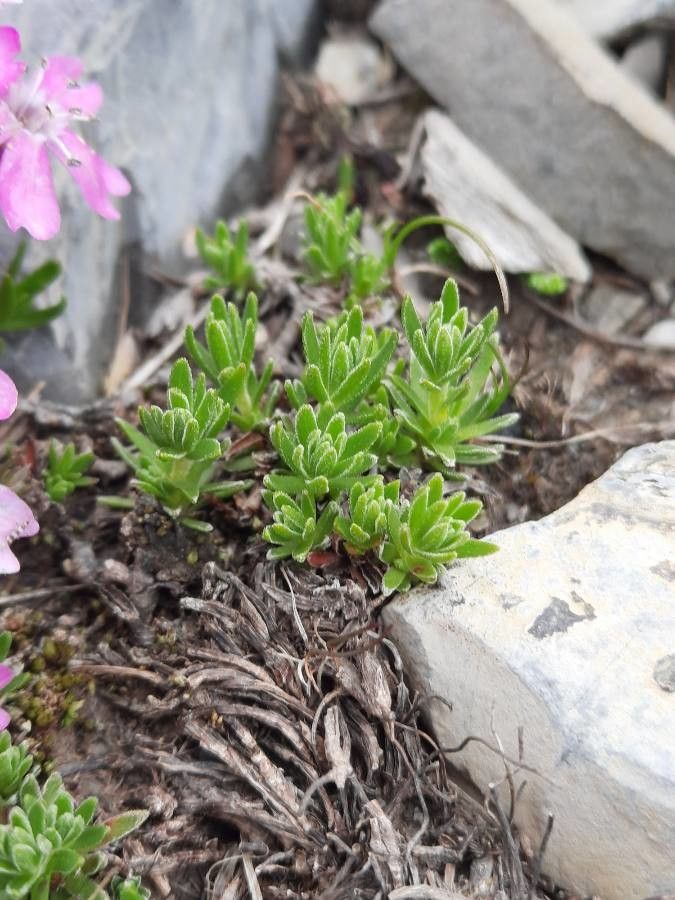
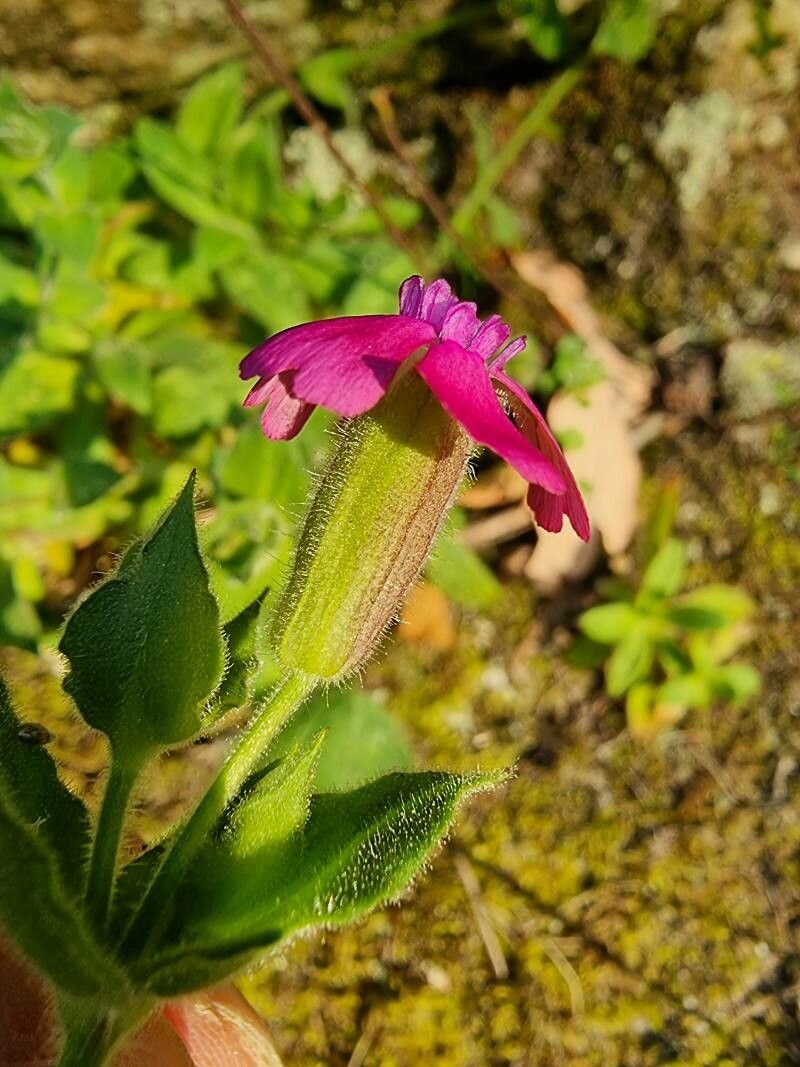
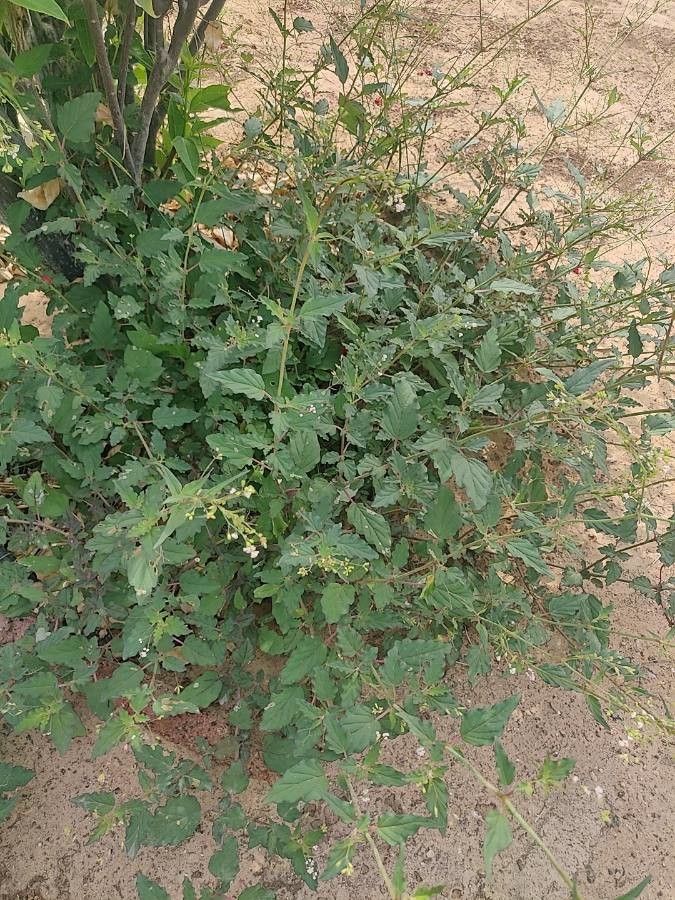
Silene conica is a species of flowering plant in the family Caryophyllaceae known by the common names striped corn catchfly and sand catchfly. It grows in dunes and sandy soils and is widespread in Europe and western Asia. It has an annual life history and produces self-compatible hermaphroditic flowers and occasional male-sterile flowers (i.e., gynomonoecy). Like other members of Silene section Conoimorpha, S. conica is readily recognizable based on its bright pink petals and the prominent, parallel veins on its calyx. In contrast to most flowering plants, S. conica appears to have a very rapid rate of mitochondrial mutation, and has the largest mitochondrial genome (11.3 Mb) ever identified.
Weed silene is fairly disease-resistant and typically isn't prone to illnesses. However, it can be vulnerable to pests and diseases present in its surroundings. Such infections are usually mild. Regarding care, the plant needs moderate maintenance. Regular pruning is required to preserve a neat appearance and support healthy growth. Applying fertilizer can also encourage flowering. Weed silene is suitable for anyone with outdoor space, such as a garden or patio, and doesn't demand extensive care experience. When grown indoors it may require more attentive care.
How to keep Silene Conica.
Light
The weed silene thrives with abundant, intense light. A lack of adequate exposure can negatively affect its vigor and growth. Native to habitats where such light conditions are common, there is no particular growth stage that requires a different light intensity. Nonetheless, both excessive and insufficient light can hinder its development and overall health.
Water
The sand catchfly flourishes in dry areas with limited water availability, demonstrating remarkable drought tolerance. It only needs to be watered once every one to two weeks, which makes it perfect for rock gardens or sandy soils where water retention is low.
Temperature
Weed silene can tolerate a wide range of temperatures, but its distribution may still be restricted by different combinations of moisture and heat. It performs best in warm summer conditions with adequate rainfall or watering. Extended periods of cloudy, rainy weather or prolonged high temperatures can raise the chance of Weed silene dying. In winter, protecting the plant from cold can increase its survival rate.
Fertilizer
Weed silene benefits from regular, diluted fertilizer applications to encourage healthy leaf growth. You should feed Weed silene about once a month during the summer. Nitrogen is important for foliage, and providing nitrogen-rich sources helps Weed silene thrive.
Pruning
Sand catchfly flourishes in sandy habitats, known for its striking flowers. To promote reblooming, improved air circulation, and reduced fungal risks, prune it from early to late spring by removing dead stems and spent flowers. This will ensure vibrant blooms and robust health.
Botanical profile.
- Plant Type
- Herb
- Life Cycle
- Annual
- Genus
- Silene
- Family
- Caryophyllaceae
- Hardiness Zone
- 5-9
- Mature Height
- 20 cm to 49 cm
- Mature Spread
- 15 cm to 30 cm
- Leaf Color
- Green
- Leaf Type
- Semi-evergreen
- Flower Color
- Pink
- Flower Size
- 1.02 cm to 2.03 cm
- Bloom Time
- Mid spring, Late spring, Early summer
- Planting Time
- Spring, Summer, Autumn
- Harvest Time
- Summer
- Native Area
- Nepal, Saudi Arabia, Libya, Egypt, Turkey, India, Tajikistan, United Arab Emirates, Cyprus, Armenia, Pakistan, Greece, Morocco, Lebanon, Uzbekistan, China, Afghanistan, Iraq, Syria, Kyrgyzstan, Kazakhstan, Spain, Mongolia, Oman, Iran, Azerbaijan, Algeria, Kuwait, Turkmenistan, France
Other names.
Reader questions.
How should I water my Sand catchfly plant?
Sand catchfly can be watered using various common watering tools such as a garden hose with a spray nozzle or a watering can. It is not too fussy about the type of water it receives, as rainwater, tap water, or filtered water all work fine. It's generally best to avoid watering this plant from above as it can harm the leaves and flowers and potentially cause disease. A drip irrigation system is often the most effective method for watering Sand catchfly, as it ensures even and direct water application to the soil. If you have a Sand catchfly in a container, you can follow a similar approach but use a cup, watering can, or tap to water the soil directly.
What are the sun requirements for Sand catchfly?
Sand catchfly thrives in environments where it gets full sun, meaning it requires above 6 hours of sunlight daily for optimal growth. It can also tolerate partial sun, which is about 3-6 hours of sunlight daily. When planting Sand catchfly, it's important to observe the daily movement of sunlight through your garden to find spots that offer a balance of light and shade, ensuring the plant's well-being.
What should I do if I give my Sand catchfly too much water or not enough water?
To remedy underwatering for Sand catchfly, simply water it more regularly when you notice it lacks moisture. However, overwatering can be a more serious issue if not caught early. It can cause diseases that lead to decline and death. To prevent this, choose a location with ample sunlight to dry the soil and good drainage to prevent water from pooling. If overwatering occurs in a potted Sand catchfly, consider repotting it with loose, well-draining soil in a pot that drains efficiently. This ensures proper drainage and prevents future overwatering.
Can Sand catchfly grow in artificial lighting?
Yes, Sand catchfly can grow under artificial lighting, especially when natural sunlight is insufficient, such as during winter or in less sunny spaces. Indoor plants may require the use of artificial lights to ensure adequate growth. LED lights are recommended for their ability to mimic the specific wavelengths of light that plants need. Full sun plants need 30-50W/sq ft of artificial light, partial sun plants require 20-30W/sq ft, and full shade plants need 10-20W/sq ft. The light source should be placed 12-36 inches above the plant, mimicking natural sunlight, and plants typically need 8-12 hours of light per day.
How much should I water my Sand catchfly?
Sand catchfly requires regular watering throughout the growing season. In spring, watering once per week is adequate. However, as the weather gets warmer, you may need to increase the frequency to two or three times per week. However, it is important not to exceed this rate as it can harm the plant. It is crucial to keep the soil moist but not wet, regardless of how often you water. When it comes to potted Sand catchfly, you will need to water it more frequently compared to when it is planted in the ground. Typically, watering a potted Sand catchfly a few times per week is necessary due to the soil in the pot drying out more quickly.
What are the symptoms of inadequate light in Sand catchfly?
When Sand catchfly is grown indoors or in conditions of inadequate light, it may show several symptoms indicating a need for more sunlight. These include smaller new leaves compared to older ones, leggy or sparse growth indicating a stretched-out appearance, faster leaf drop to conserve resources, slower or no new growth as the plant enters survival mode, and lighter-colored or pale new leaves due to insufficient sunlight. Additionally, chlorosis (leaves turning yellow), sunscald, leaf curling, wilting, and leaf scorching are signs that a plant might be receiving too much direct sunlight.
How much water does my Sand catchfly plant need?
Determining how much water to give your Sand catchfly can be approached in a few different ways. Some gardeners prefer to gauge moisture levels by feeling the soil, suggesting that you water until the first six inches of soil feels moist. Another option is to use a specified measurement. In general, Sand catchflies require around two gallons of water per week, depending on factors such as temperature and soil dryness. However, strict adherence to this guideline may result in overwatering if your plant needs less than two gallons per week. When growing Sand catchfly in a container, a different method is needed. Typically, you should water until all layers of dry soil are moistened. You can test the moisture by inserting a finger into the soil or irrigating until slight excess water trickles out of the pot's drainage holes.
How can you address light deficiencies for Sand catchfly both indoors and outdoors?
To address light deficiencies for Sand catchfly, gradually move your plants to a sunnier location, aiming for at least 6 hours of direct sunlight daily. For indoor plants that are large or not easily movable, consider using artificial light, keeping a lamp on for at least 8 hours daily or investing in professional plant grow lights. For outdoor plants, ensure they are moved gradually to avoid sunburn. If obstructions like trees are blocking sunlight, consider pruning to allow more light through. For smaller plants that can be transplanted, do so during their dormant period to a location with ample sunlight and good drainage. Note that parts of the plant affected by insufficient sunlight may not recover, but new growth should be healthy after adjusting light exposure.
How do I know if I'm giving enough water to my Sand catchfly?
Avoiding overwatering your Sand catchfly can be challenging. On one hand, these plants have deep roots that require weekly watering to keep the soil moist. However, Sand catchfly are highly prone to root rot, and overwatering can also cause browning of the plant. Underwatering is less of a concern as Sand catchfly can survive without much watering for some time. However, if you neglect watering for too long, the plant may wilt and develop dry leaves.
What's the best way to water my Sand catchfly during different seasons?
As the seasons change, the water needs of your Sand catchfly will also change. In the spring, watering once a week should be sufficient. However, as the summer heat intensifies, you may need to increase watering to about three times a week, especially for Sand catchfly in containers. Containers tend to dry out faster than ground soil in warm weather. In autumn, with cooler temperatures and weaker sunlight, your blooming Sand catchfly may require slightly less water.
How do I water my Sand catchfly at different stages of growth?
Sand catchfly goes through different growth stages throughout the year, each with varying water needs. When starting as a seed, it's important to provide more water during germination. Water regularly to maintain soil moisture. After a few weeks, when the plant grows above the soil, it requires slightly less water. Once mature, water once per week. During flower development, a bit more water may be needed.
How is watering Sand catchfly different when it's inside compared to when it's outside?
Most Sand catchfly plants prefer growing outdoors for a few reasons. Firstly, these plants tend to grow quite tall, which may not be suitable for indoor spaces. Secondly, Sand catchfly requires a higher amount of sunlight than most indoor locations can offer. However, if you can provide an appropriate indoor growing environment, you may need to water your Sand catchfly more frequently compared to outdoor growing. This is because indoor locations are typically drier due to HVAC units, and soil in containers can dry out faster than soil in the ground.