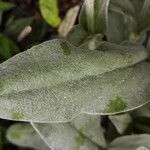
Silene coronaria
Rose campion · Dusty Miller · Crown-pink · Mullein-pink · Bloody William
Description
Source: leafsnapSilene coronaria, the rose campion, is a species of flowering plant in the family Caryophyllaceae, native to Asia and Europe. Other common names include dusty miller (this also refers to Centaurea cineraria and Jacobaea maritima), mullein-pink and bloody William. In the United Kingdom it is still widely referenced under its synonym Lychnis coronaria.The Latin coronaria means "used for garlands".It is a perennial growing to 80 cm (31 in) tall by 45 cm (18 in) wide, with grey felted leaves and single, bright magenta flowers produced in succession around July. Though short-lived, the plant readily self-seeds in favourable locations. It is sometimes grown as a biennial.
🌳 Little known to many, rose campion serves an important role as a refuge for beneficial insects. Its bright flowers and dense foliage offer habitat and nectar for pollinators, including butterflies and bees. This not only supports the plant’s reproduction but also fosters a biodiverse garden where these insects can thrive and, in turn, boost pollination for other plant species.
🎭 Don't change until death; you alone deserve my love.
Care Guide
💧 Water
Rose campion, native to the Mediterranean, thrives in well-drained soil and can tolerate dry conditions. It needs to be watered weekly, but be careful not to overwater. It prefers balanced moisture, especially during its active growing season, to support vibrant flowering.
When Should I Water My Rose Campion?
Watering your rose campion (Silene coronaria) is crucial for its growth, health, and flower production. The best time to water rose campion is when the top 1-2 inches of the soil feel dry to the touch. Keep an eye out for signs of water stress such as soil dryness, leaf discoloration, and faded flowers. Over or under-watering can lead to plant health issues, including wilting, loss of vibrancy, or root rot. Balancing the water based on plant and environmental signs is essential for the wellbeing of rose campion.
How Should I Water My Rose Campion?
Watering rose campion correctly involves using bottom-watering techniques or a watering can with a narrow spout to focus the moisture directly at the base, avoiding the foliage. This approach helps in preventing fungal diseases and ensures that the roots are well-hydrated without over-saturating the surface. Especially since rose campion has specific needs for efficient hydration, adopting these methods will support its growth and flowering.
How Much Water Does Rose Campion Really Need?
Rose campion thrives under conditions that replicate its natural habitat, with well-drained soils akin to the rocky and sandy terrains of Western Asia and Europe. A moderate amount of water, about 250-500ml per session, depending on the plant size and pot dimensions, is sufficient to moisten the soil down to the root depth without causing over-saturation. Monitoring the soil for dryness at the top layer while maintaining some moisture deep down helps in achieving the optimal watering balance. Overwatering or underwatering can lead to issues such as root rot or wilting.
What Kind of Water is Best for Rose Campion?
Rose campion prefers natural rainwater due to its balanced pH and lack of harmful chemicals. If rainwater is not available, distilled or filtered water are suitable alternatives. Tap water can be used with caution, given its potential chlorine content which may harm the plant. Letting tap water sit out for 24 hours helps evaporate chlorine, making it safer for your rose campion. The plant also prefers water at moderate temperatures, around 68-72°F or 20-22°C, to avoid shock.
How Do Rose Campion's Watering Needs Change with the Seasons?
Rose campion's watering requirements vary seasonally. In spring, regular watering supports new growth as the weather warms. Through the active summer months, consistent hydration is needed due to higher heat and sunlight. During autumn, reduce watering as temperatures drop and growth slows, preventing overhydration and cold damage at night. In winter, water sparingly, only when the soil is dry, to match the reduced metabolic need during dormancy.
☀️ Light Full sun
Rose campion grows best in places that get plenty of sunlight all day, although it can tolerate areas with less daily sun. The plant originates from and is adapted to habitats with high sun exposure. Both too little and too much sunlight can affect its healthy growth.
What are the sunlight requirements for rose campion?
Rose campion requires a substantial amount of sunlight to thrive, ideally flourishing in areas that receive copious amounts of sunlight throughout the day. However, it can tolerate areas with less daily sun exposure. Full sun is defined as over 6 hours of sunlight per day, while partial sun refers to about 3-6 hours of sunlight. It's essential to observe the movement of sunlight through your garden to find the perfect balance of light and shade for your plants, ensuring their growth and happiness.
Can rose campion grow with artificial lighting?
Yes, rose campion can grow under artificial lighting, especially when natural sunlight is insufficient, like during winter or in less sunny spaces. LED lights are a popular choice for their ability to provide specific wavelengths needed by plants. For optimal growth under artificial lights, full sun plants need 30-50W/sq ft, partial sun plants require 20-30W/sq ft, and full shade plants need 10-20W/sq ft. The light source should be positioned 12-36 inches above the plant to mimic natural sunlight, and most plants will need 8-12 hours of light per day.
What are the symptoms of inadequate light exposure in rose campion?
Symptoms of light deficiency in rose campion include smaller new leaves compared to previous ones, leggy or sparse growth, faster leaf drop, slower or no new growth, lighter-colored new leaves, chlorosis (leaves turning yellow), sunscald, leaf curling, wilting, and leaf scorching. Rose campion typically thrives in full sunlight, and inadequate lighting can manifest in a variety of symptoms indicating stress or inability to perform photosynthesis effectively.
What solutions can address light deficiency in rose campion?
To address light deficiency in rose campion, gradually acclimate your plant to higher light conditions by moving it to a sunnier spot each week, until it receives at least 6 hours of direct sunlight daily. For indoor plants, utilize a south-facing window for maximum sunlight or employ artificial lighting, such as a desk or ceiling lamp on for at least 8 hours a day, or professional grow lights. For outdoor plants, ensure a gradual adjustment to prevent sunburn. Removing obstructions or transplanting to a brighter location can also help increase sun exposure. Note that while affected parts may not recover, new growth should be healthy with improved light conditions.
🌡️ Temperature 5–32.2°C
Rose campion originates from temperate areas and favors moderate temperatures, specifically 68 to 95 °F (20 to 35 °C). Seasonal adjustments may be required to sustain optimal growth by mimicking the temperature conditions of its native climate.
What is the native climate of Rose Campion?
Rose campion is native to temperate regions and thrives in moderate temperatures, typically ranging from 68 to 95 °F (20 to 35 °C). To maintain optimal growth, it may be necessary to make seasonal adjustments that recreate the temperature conditions of its native climate.
Does Rose Campion need special protection during winter?
Rose campion has strong cold resistance and generally does not require special frost protection measures during winter. However, if winter temperatures are expected to fall below -25°C, protecting the plant with soil or straw coverings is important. It's also recommended to water the plant abundantly before the first freeze in autumn to ensure the soil remains moist and enters a frozen state, thereby preventing drought and water scarcity for the plant during winter and early spring.
How does Rose Campion react to low temperatures?
Rose campion is cold-tolerant and performs best when temperatures stay above 20°C. During winter, it's crucial to keep it above 0°C. If temperatures drop below -25°C, the plant may not show noticeable changes during winter, but there could be a decrease in sprouting or no sprouting at all come springtime. It is advisable to remove any parts that have failed to sprout in spring as a solution to this issue.
What should be done if Rose Campion is affected by high temperatures?
During summer, it is important to ensure that Rose Campion does not experience temperatures above 35°C. Exposure to temperatures exceeding 38°C can cause the leaves to lighten in color, curl, and become prone to sunburn. In severe cases, the entire plant may wilt and dry out. The solution involves trimming away sunburned and dried parts of the plant, moving it to a shaded location away from the midday and afternoon sun, or utilizing a shade cloth. Additionally, watering the plant in the morning and evening to keep the soil moist can also help mitigate the stress from high temperatures.
What are the botanical details of Rose Campion?
Rose campion is known botanically as Silene coronaria. This highlights its classification in the plant kingdom and provides insight into its genetic makeup and place within the broader ecosystem of plants.
💨 Humidity normal (40-60%)
This plant will thrive in moderate humidity, which is probably the level in your home. However, misting it a few times a week can be very beneficial. Make sure the room has good ventilation.
🪴 Soil 6-7
🌱 Fertilizer
A single spring application of fertilizer is typically enough for Rose campion, though several feedings can help it grow more vigorously. Apply fertilizer every month to six weeks. Fertilizing improves the leaves' appearance and performance, encouraging even color and a healthy texture. It also promotes root development and nutrient uptake for the plant's long-term health.
Why should I put fertilizer on my Rose campion?
The main structure of the Rose campion is formed by its leaves. Fertilization is essential for ensuring that these leaves both look great and function properly. By providing the right amount of fertilization, you can maintain consistent leaf color and a healthy texture. Additionally, fertilization benefits the roots of your Rose campion. It encourages the growth of new roots while also supporting the existing ones. This not only keeps your plant healthy in the present, but also enhances its ability to absorb nutrients from the soil in the long run.
When should I fertilize my Rose campion?
If you grow your Rose campion outdoors each year, it will start showing new growth in early spring, which is a signal to begin fertilizing. A single application of fertilizer is usually sufficient, but if you want to promote maximum growth, you can fertilize multiple times during spring and early summer. In this case, you can feed your Rose campion every month to a month and a half.
When is the best time to not put fertilizer on my Rose campion?
During late fall and winter, Rose campion goes into a dormant phase and stops producing new growth. It's important not to fertilize during this time. In spring and summer, you can fertilize multiple times, but as summer comes, decrease the amount of fertilizer because the growth rate of Rose campion slows down. It's never a good idea to fertilize when the weather is unusually hot or the soil is very dry because it can cause stress and make the Rose campion die earlier.
What kind of fertilizer does my Rose campion require?
Choosing the best fertilizer for a Rose campion is straightforward. These plants thrive on a general-purpose garden fertilizer with equal amounts of nitrogen, phosphorus, and potassium, such as a 10-10-10 ratio. Avoid fertilizers high in nitrogen if unsure. Granular, slow-release fertilizers are best for Rose campion and are easy to apply. Additionally, using organic soil amendments like compost can be helpful.
How can I help you with fertilizing your Rose campion?
To ensure proper growth of your Rose campion, follow these steps. In early spring, wait until the first leaves start to appear above the soil's surface. Once you notice this, apply a granular slow-release fertilizer with a balanced formula to the soil around the base of the plant. If desired, you can repeat this process later in the season. Remember to apply the fertilizer to the soil at the base of the plant, rather than directly on the plant itself. Sometimes, you may need to move some leaves aside to access the soil above the roots. It is also a good idea to water the Rose campion before and after applying the fertilizer.
🪴 Pot & Repot 2-3 years
When repotting Rose campion, select a pot 1-2 inches (2.5–5.1 cm) larger with good drainage. Use a well-draining potting mix. Repot in spring or fall, ensuring the root ball sits slightly below the rim of the pot. Water thoroughly after repotting and keep it in a warm spot with indirect sunlight.
✂️ Pruning
Rose campion is a perennial plant known for its vibrant magenta flowers and silvery leaves. To promote growth and encourage a second bloom, prune the plant in early to late spring. Removing dead foliage can also improve air circulation. Be sure to use clean, sharp tools to minimize stress on the plant.
🌿 Propagating
🐛 Diseases & pets
☠️ Toxicity
Silene coronaria has no toxic effects reported.
Characteristics
- Plant Type
- Herb
- Life Cycle
- Perennial, Biennial, Annual
- Genus
- Silene
- Family
- Caryophyllaceae
- Hardiness Zone
- 5-8
- Mature Height
- 61 cm to 91 cm
- Mature Spread
- 61 cm
- Leaf Color
- Green, White, Silver, Gray
- Leaf Type
- Evergreen, Deciduous
- Flower Color
- Pink, Red, White, Purple
- Flower Size
- 4.06 cm to 5.08 cm
- Bloom Time
- Late spring, Early summer, Mid summer
- Planting Time
- Spring
- Harvest Time
- Mid summer
- Native Area
- Tajikistan, Turkey, India, Montenegro, Bulgaria, Pakistan, Greece, Croatia, Slovenia, Serbia, Russia, Italy, Kazakhstan, Iran, Albania, Azerbaijan