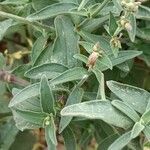
Silene dichotoma
Forked catchfly · Two-branch catchfly · Branching Campion · Dichotoma Silene · Forking Catchfly
Description
Source: leafsnapSilene dichotoma is a species of flowering plant in the family Caryophyllaceae known by the common name forked catchfly. It is native to Eurasia and it is known in other parts of the temperate world, such as sections of North America, where it is a weed that grows in disturbed habitat. It is an annual herb growing up to 80 centimeters tall. The lance-shaped leaves are up to 8 centimeters long on the lower stem and are smaller farther up. Each flower is encapsulated in an inflated calyx of sepals lined with ten veins. It is open at the tip, revealing five white to red petals, each with two lobes at the tip and sometimes taking a curled form.
Care Guide
💧 Water
Forked catchfly thrives in environments with moderate moisture levels. It prefers a consistent weekly watering routine to reflect the conditions of its temperate origins. This plant benefits from rainfall that aligns with its growth cycles, ensuring it receives enough hydration without becoming waterlogged, a trait typical of its natural outdoor habitat in meadows and fields.
How should I water my Forked catchfly plant?
To water Forked catchfly, you have a few options. You can use a garden hose with a spray nozzle, a watering can, or any other common watering tool. The plant is not too particular about the type of water it receives, as it can survive on rainwater, tap water, or filtered water. However, it's best to avoid watering it from above as this can harm the leaves and flowers and potentially cause disease. Instead, a drip irrigation system is often recommended as it can apply water evenly and directly to the soil. If you have a container-grown Forked catchfly, you can use a similar approach but adjust the tools. You can use a cup, watering can, or tap to water the plant directly into the soil.
What should I do if I give my Forked catchfly too much or too little water?
Underwatering Forked catchfly can be easily resolved by increasing the frequency of watering when you notice that the plant lacks moisture. On the other hand, overwatering can be a serious problem, potentially leading to disease and death of the plant. To prevent this, it is important to choose a suitable location for growing the Forked catchfly that receives ample sunlight to help dry the soil and has good drainage to avoid waterlogging. If you have overwatered a potted Forked catchfly, it may be necessary to transfer it to a new pot with proper drainage and loose soil during the repotting process.
How many times should I give water to my Forked catchfly?
To keep your Forked catchfly healthy, it's important to water it regularly. In the spring, watering once per week is sufficient. However, as the weather gets warmer, you may need to water two to three times per week. Be careful not to exceed this rate as it can harm your plant. Regardless of how often you water, make sure the soil remains moist but not wet. If your Forked catchfly is in a pot, you'll need to water it more frequently. Potted soil tends to dry out faster, so aim to water container-grown plants a few times per week, compared to just once per week for plants in the ground.
How much water does my Forked catchfly require?
Determining the appropriate water amount for your Forked catchfly can be approached in a few ways. One method involves checking the soil moisture by feeling it, and watering until the top six inches of soil feel moist. Alternatively, you can follow a general guideline of giving your Forked catchfly around two gallons of water per week, adjusting based on the temperature and soil's drying speed. However, bear in mind that sticking to strict measurements may result in overwatering if your plant requires less water. When growing Forked catchfly in a container, a different approach is needed. In this case, ensure all layers of dry soil are sufficiently moistened, which can be determined by testing the soil with your finger. Additionally, you can also water until you observe a slight excess water draining from the pot's drainage holes.
How can I know if I'm giving enough water to my Forked catchfly?
Avoiding overwatering your Forked catchfly can be challenging due to the conflicting needs of the plants. While their deep roots require weekly moistening of the soil, these plants are highly vulnerable to root rot and may experience browning if overwatered. Underwatering is less of a concern as these plants can tolerate a lack of supplemental watering for a period. However, prolonged water deprivation may lead to wilting and the appearance of dry leaves.
☀️ Light Full sun
Nightflowering silene comes from bright, open habitats and does best in full sun. It can tolerate some partial shade but favors direct sunlight for optimal growth. This species, which may be annual or biennial, is noted for its sun-loving habit.
What are the sunlight requirements for Forked catchfly?
Forked catchfly thrives in environments with abundant sunlight, requiring full sun exposure of more than 6 hours daily for optimal growth. It can also tolerate partial sun, which means about 3-6 hours of sunlight a day. To ensure your Forked catchfly plants are happy and healthy, it's important to observe how sunlight moves through your garden, choosing locations that provide a good balance of light and shade.
How does artificial lighting support Forked catchfly growth indoors?
When natural sunlight is insufficient, especially during winter or in less sunny spaces, artificial lighting becomes essential for Forked catchfly's growth indoors. Optimal growth can be achieved by using artificial lights, such as LED lights, which can be adjusted to provide necessary wavelengths. For plants requiring full sun, 30-50W/sq ft is recommended, 20-30W/sq ft for partial sun plants, and 10-20W/sq ft for full shade plants. The light source should be placed 12-36 inches above the plant, and the duration should mimic natural daylight hours, generally 8-12 hours per day.
What signs indicate insufficient light for indoor Forked catchfly plants?
When Forked catchfly doesn't receive enough light indoors, it may show several symptoms: new leaves may appear smaller than previous ones, growth can become leggy or sparse, and older leaves might drop early. In cases of severe light deficiency, the plant might stop growing new leaves, exhibit pale or lighter-colored new leaves, show signs of chlorosis (yellowing leaves), experience sunscald, manifest leaf curling as a defense mechanism, undergo wilting due to increased water loss, or present leaf scorching indicative of excessive sunlight in its previous environment.
How can you care for a Forked catchfly plant experiencing insufficient light?
To care for a Forked catchfly plant with insufficient light, gradually expose it to more sunlight, increasing direct sunlight exposure by an hour weekly until it reaches at least 6 hours daily. For indoors, this could involve moving it closer to a south-facing window or using artificial grow lights for at least 8 hours daily. When dealing with outdoor plants, select a sunnier spot and make gradual transitions to avoid sunburn. It is also essential to minimize obstructions, potentially requiring pruning of overhanging branches or transplanting the plant. Note that while affected parts of the plant might not recover, new growth should be healthy with improved light exposure.
🌡️ Temperature 5–32.2°C
Nightflowering silene can tolerate a wide range of temperatures, but its distribution may still be limited by particular combinations of moisture and heat. It grows best in warm summer climates with adequate rainfall or watering. Extended periods of cloudy and rainy weather, as well as prolonged high temperatures, can increase the likelihood of Nightflowering silene dying. In winter, appropriate protection from cold can improve the plant's survival rate.
What is the ideal temperature range for Forked catchfly?
Forked catchfly thrives in moderate climates with temperatures ranging from 68 to 95°F (20 to 35°C). This plant prefers conditions within these temperature ranges for optimal growth. Seasonal adjustments to its care may only be necessary when temperatures fall outside of this range, ensuring the plant remains healthy and can continue its growth cycle effectively.
Does Forked catchfly need special protection during winter?
Forked catchfly is recognized for its strong resistance to cold, generally not requiring special frost protection measures during the winter. However, in scenarios where winter temperatures are anticipated to drop below -10°C, it becomes crucial to provide cold protection to prevent damage. This can be done by covering the plant with insulating materials like soil or straw. Additionally, watering the plant abundantly before the first freeze in autumn is recommended to maintain soil moisture, aiding the plant in surviving the winter and early spring without succumbing to drought or water scarcity.
How does Forked catchfly react to low temperatures?
Forked catchfly is cold-tolerant, flourishing best when temperatures remain above 20°C and ideally kept above 0°C during winter. Exposure to temperatures below -10°C might not visibly impact the plant during winter but can lead to diminished sprouting or a complete absence of sprouting in spring. To manage these potential aftereffects, it is advised to remove any parts of the plant that have failed to sprout during the spring, thus promoting healthier growth from remaining viable segments.
What should be done if Forked catchfly is exposed to high temperatures?
In cases where Forked catchfly is subjected to summer temperatures above its tolerance, specifically above 35°C, precautionary measures should be enacted to mitigate heat stress. These temperatures can cause the leaves to lighten in color, curl, and become prone to sunburn, and in severe instances, may result in the entire plant wilting and drying out. Remedial actions include trimming away sunburned and dried-up parts of the plant, moving it to a shaded location away from the harsh midday and afternoon sun, or employing a shade cloth. Additionally, watering the plant during cooler parts of the day, such as in the morning and evening, helps to maintain soil moisture and supports the plant's wellbeing.
💨 Humidity
🪴 Soil 6-8
🌱 Fertilizer
When most of Nightflowering silene's blooms have opened to full size, resume fertilizing. At the peak of bloom production, apply fertilizer every three to four weeks, weather permitting. Then, once the plant begins producing fewer new blooms, stop fertilizing — there is no need to feed it when it can no longer produce additional flowers.
🪴 Pot & Repot
✂️ Pruning
To enhance the growth and flowering of forked catchfly, prune the plant during early to late spring. Remove any dead or damaged stems to improve air circulation. To encourage a bushier appearance, pinch back the new growth. Timely pruning maximizes the plant's flowering potential, maintains its vigor, and enhances its aesthetic appeal in the garden.
🌿 Propagating
🐛 Diseases & pets
☠️ Toxicity
Characteristics
- Plant Type
- Herb
- Life Cycle
- Annual
- Genus
- Silene
- Family
- Caryophyllaceae
- Hardiness Zone
- 4-8
- Mature Height
- 25 cm to 40 cm
- Mature Spread
- 49 cm
- Leaf Color
- Green
- Leaf Type
- Deciduous
- Flower Color
- White, Pink
- Flower Size
- 2.03 cm to 3.05 cm
- Bloom Time
- Summer, Early fall
- Planting Time
- Spring, Summer
- Harvest Time
- Late summer, Fall
- Native Area
- Turkey, Austria, Slovakia, Montenegro, Croatia, Slovenia, Belarus, Uzbekistan, Russia, Iraq, Germany, Indonesia, Estonia, Romania, Latvia, Belgium, France, Netherlands, Tajikistan, Czech Republic, Bulgaria, Armenia, Poland, Greece, Ukraine, Serbia, China, Lithuania, Kyrgyzstan, Kazakhstan, Italy, Switzerland, Iran, Azerbaijan, United Kingdom, Hungary