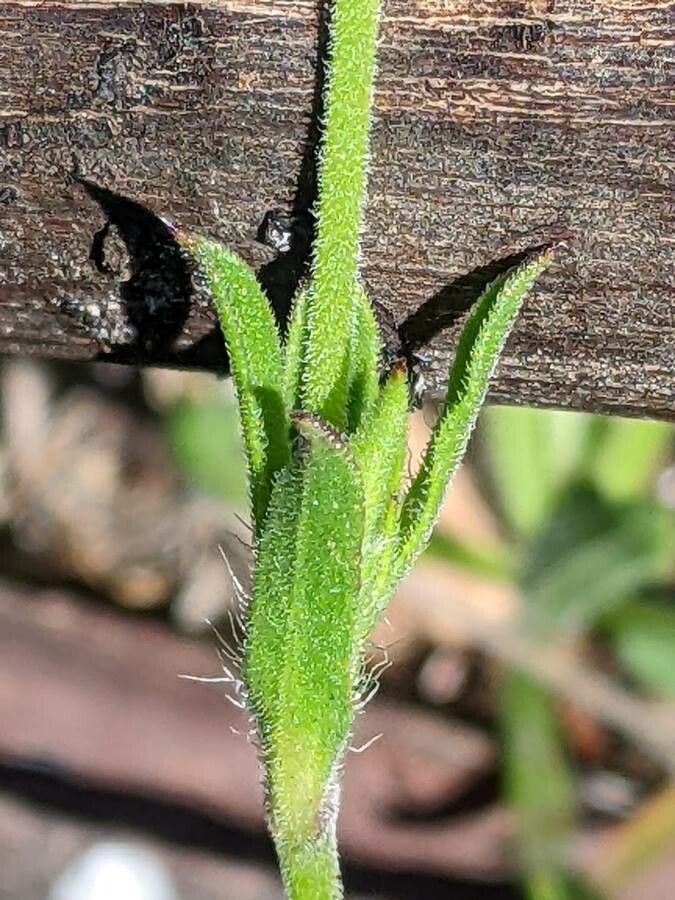
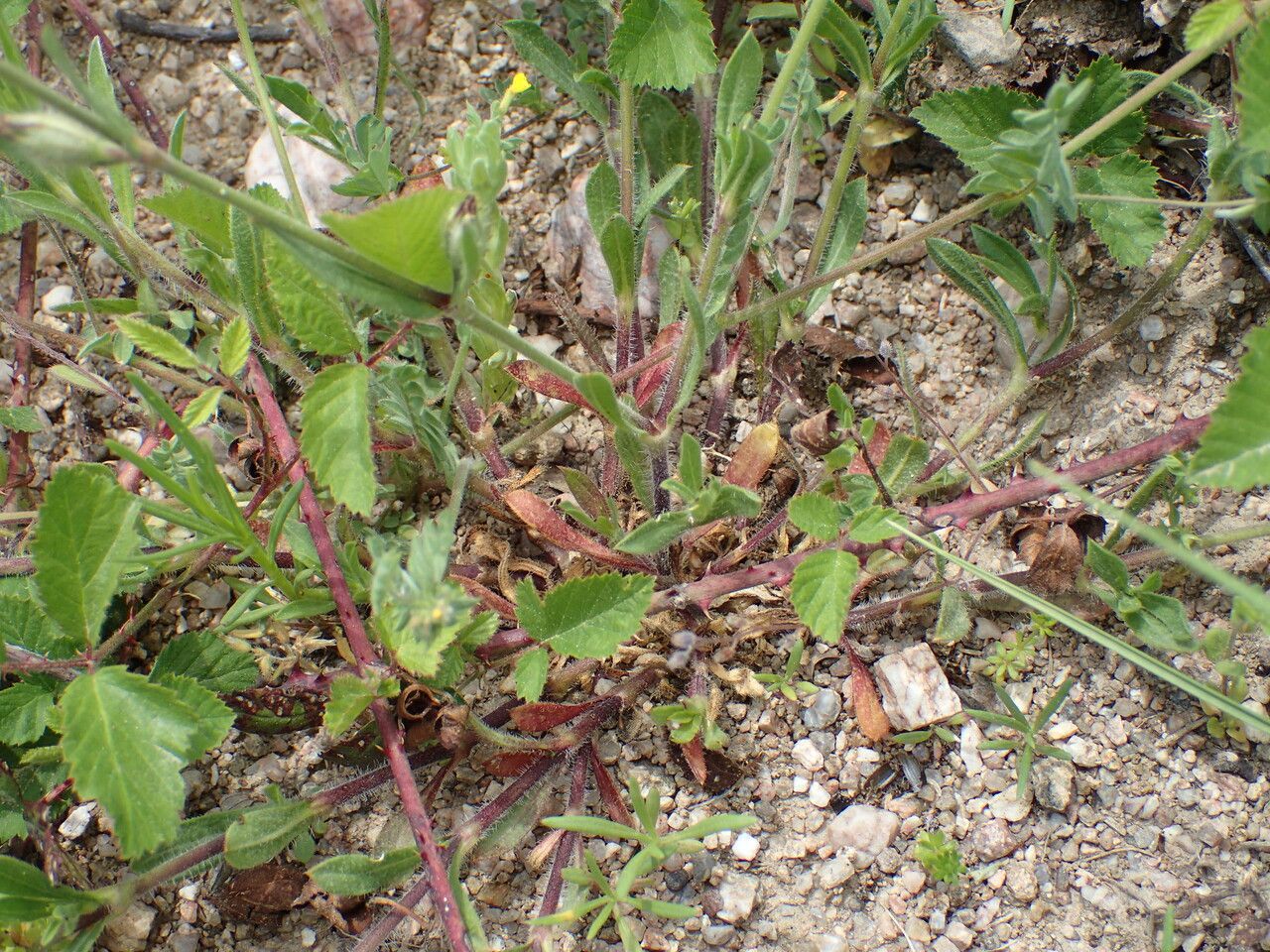
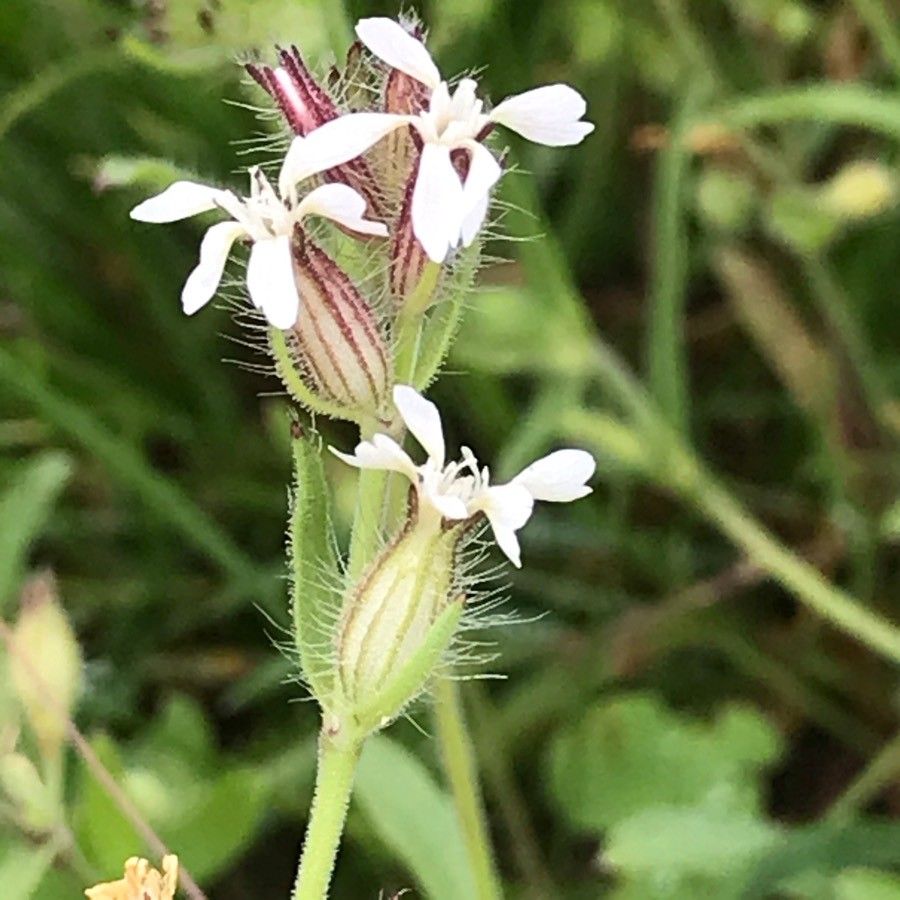
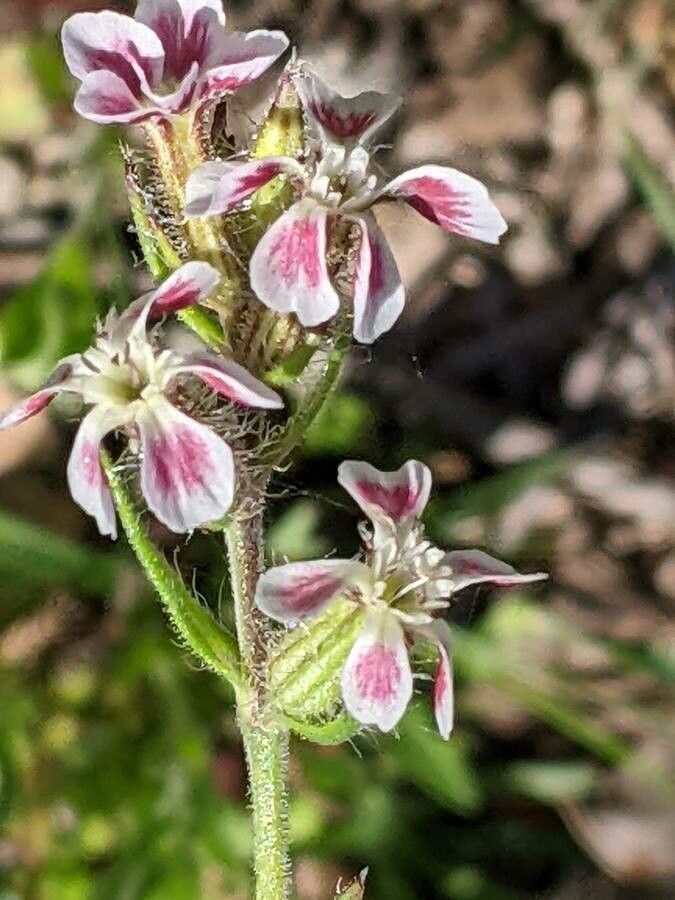
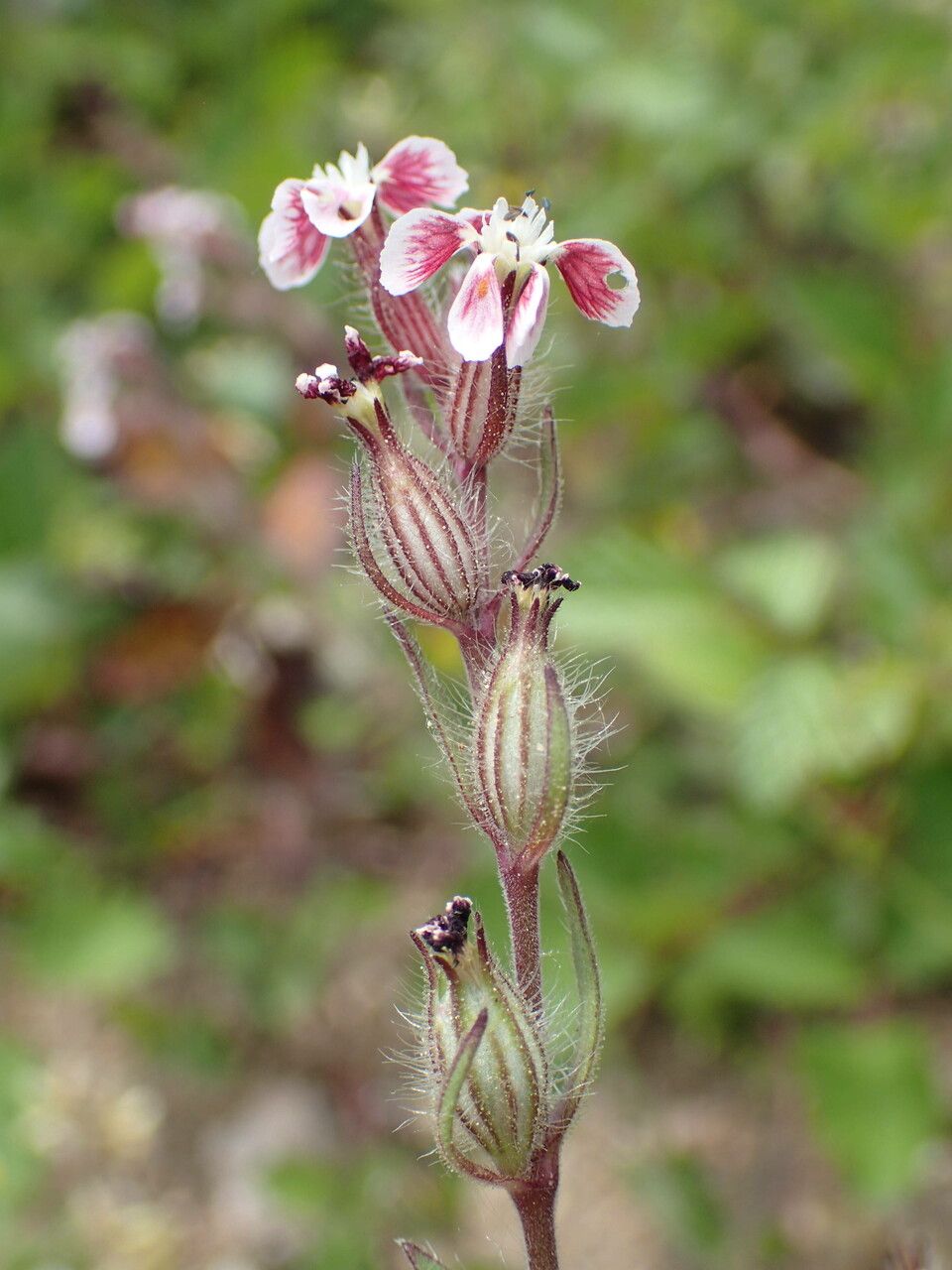
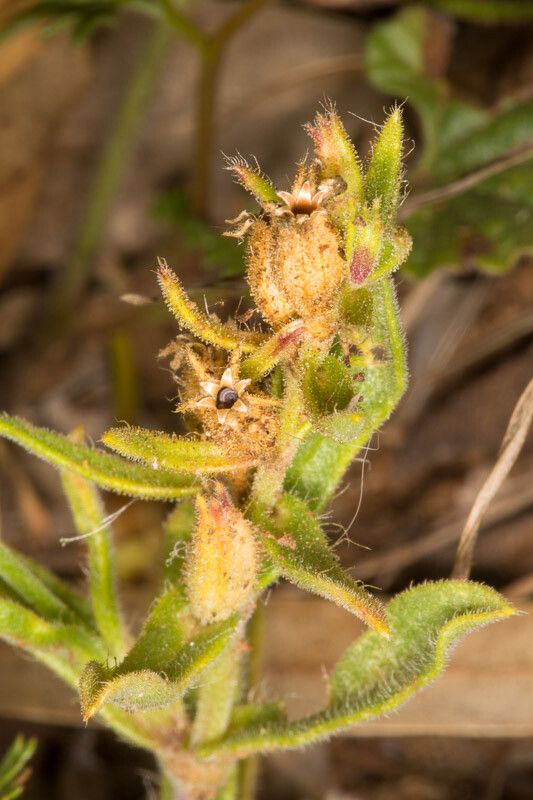
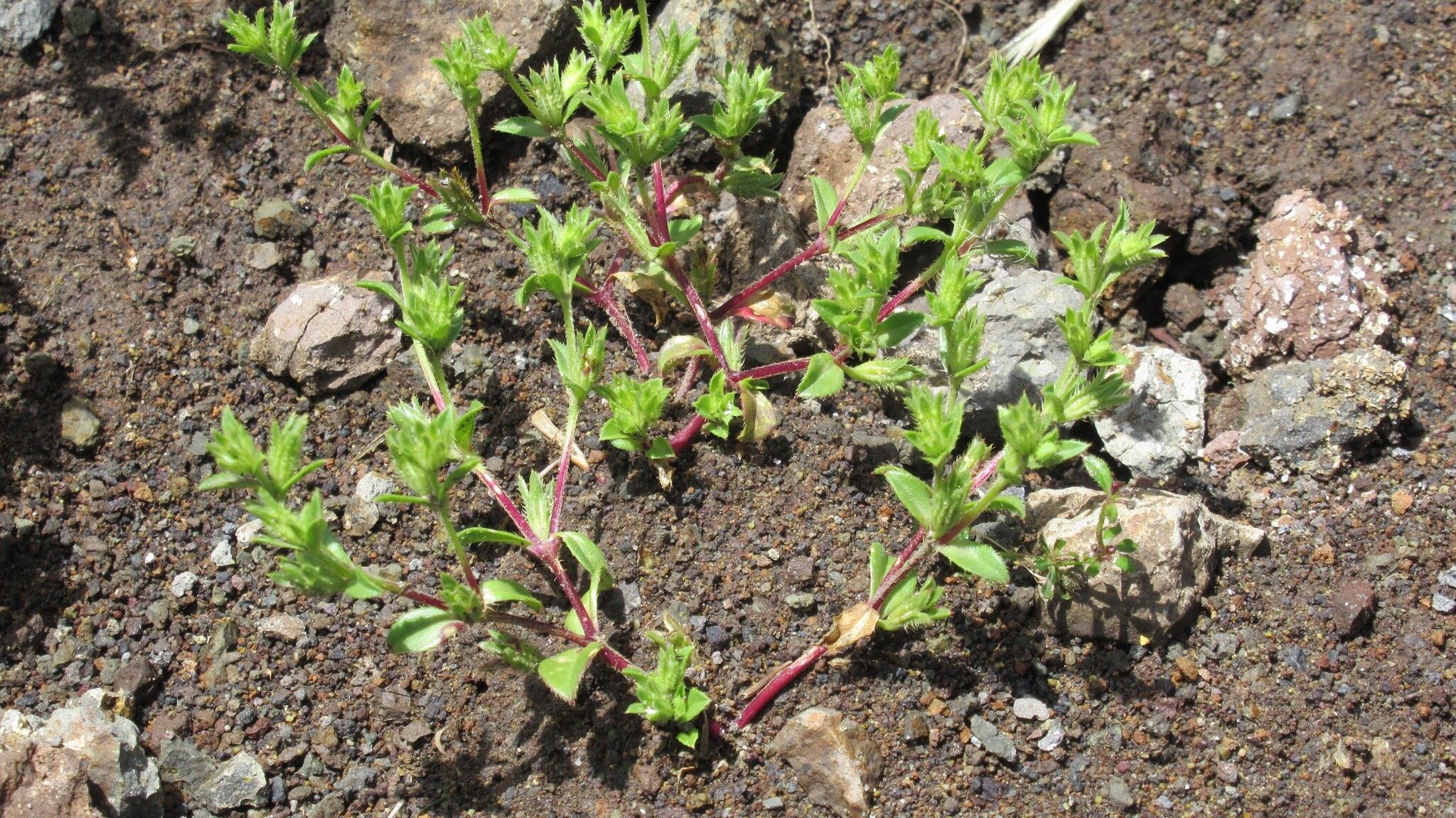
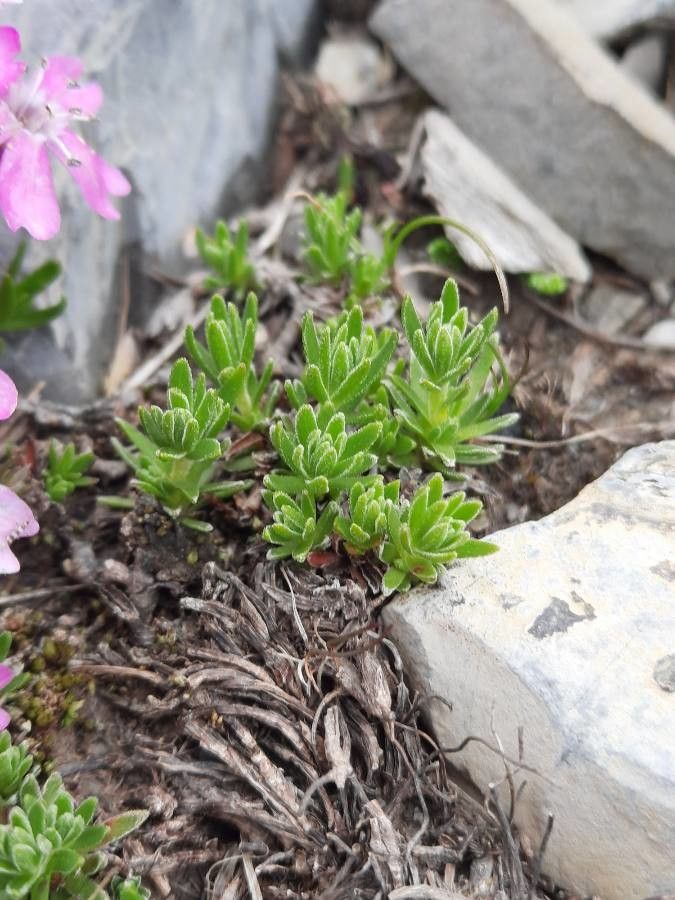
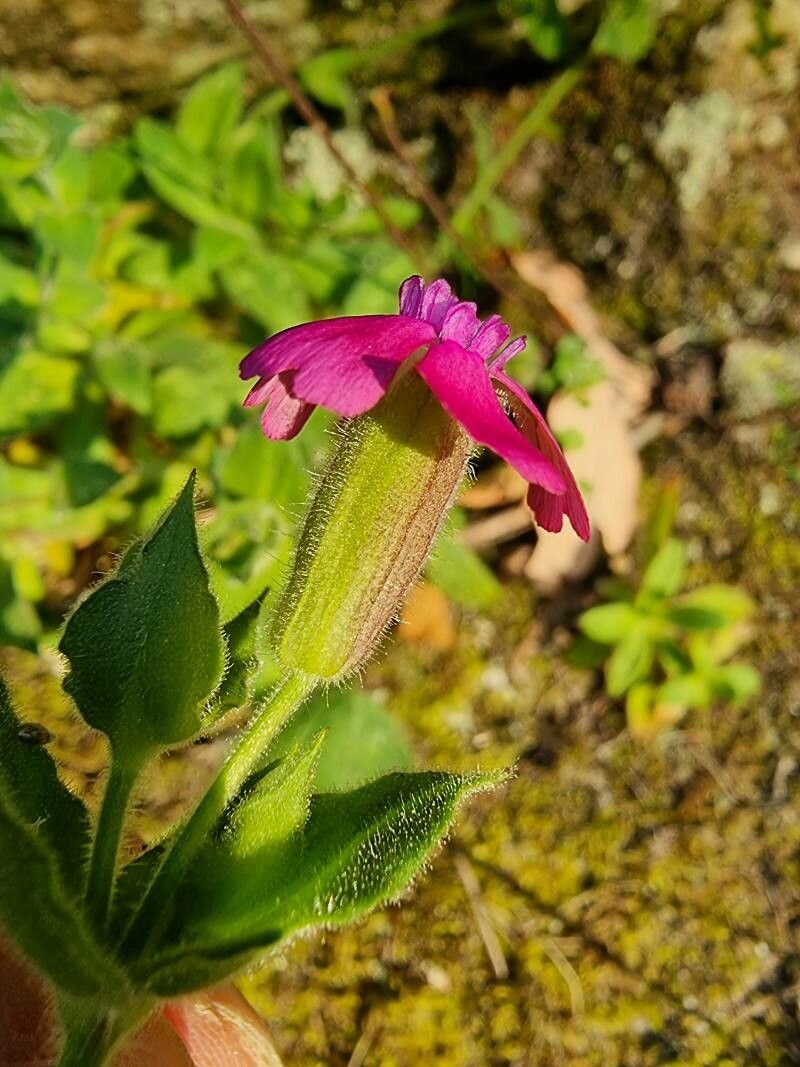
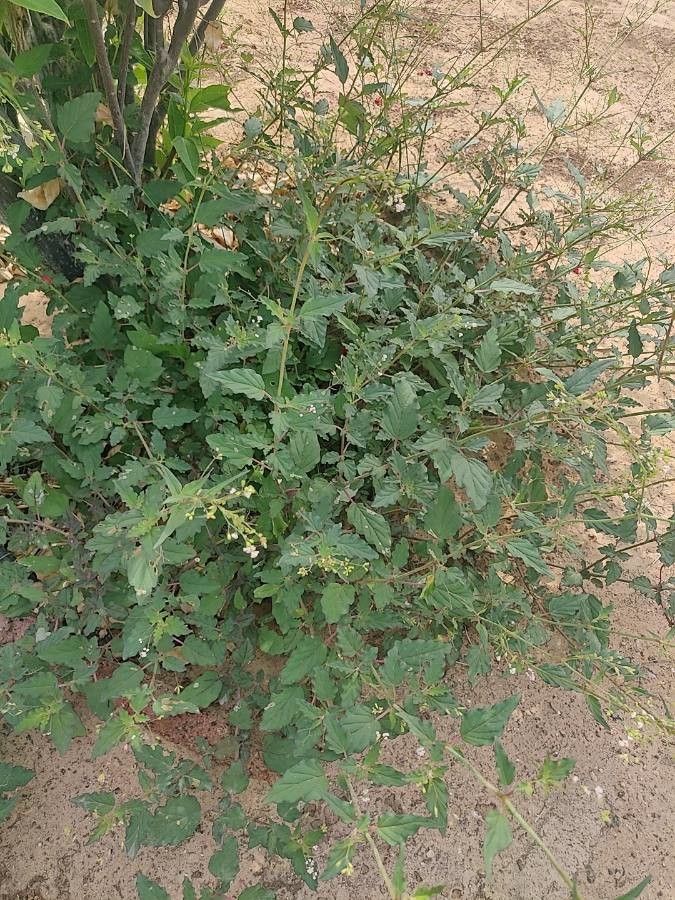
Silene gallica is a species of flowering plant in the family Caryophyllaceae known by several common names, including common catchfly, small-flowered catchfly, and windmill pink. It is native to Eurasia and North Africa, but it can be found throughout much of the temperate world as a common roadside weed.
Common catchfly is fairly disease-resistant and is typically not prone to illnesses. However, it can be affected by pests and diseases present in its environment. These issues are usually mild. As for care, this plant needs moderate maintenance. It should be pruned regularly to keep a neat appearance and support healthy growth. Using fertilizer can also encourage flowering. Common catchfly is suitable for anyone with outdoor space, like a garden or patio, and does not demand extensive care experience. It may need extra care when grown indoors.
How to keep Silene Gallica.
Light
Common catchfly thrives optimally in uninterrupted sunlight. Its overall health significantly benefits from generous exposure to sunlight, leading to lively growth. An excessive amount of shade could lead to subpar growth. The native habitats of this species typically provide unrestricted access to light.
Water
Common catchfly thrives in well-drained soil and should be watered moderately, typically about once a week. While it can withstand short periods of drought and benefits from natural rainfall, it requires additional watering during prolonged dry spells to ensure healthy growth and flowering.
Temperature
Common catchfly thrives natively in areas with moderate climates. It favors a temperature spectrum of 68 to 95 °F (20 to 35 ℃). Seasonal adjustments might be necessary to maintain the temperature within this desirable range.
Fertilizer
When the Common catchfly has mainly unfurled its blossoms to their full extent, it marks the appropriate time to recommence fertilization. With the blossoms at their maximum proliferation, you should commence the fertilizing process once again, doing so every three to four weeks depending on the weather conditions. However, as soon as the Common catchfly shows signs of producing fewer new blooms, discontinue fertilization. You should refrain from fertilizing when the plant has reached its maximum bloom production capacity.
Pruning
The common catchfly is an annual herb with pink and white flowers. To promote healthy growth, prune it from early to late spring. During pruning, remove damaged stems and thin out crowded areas. This will improve air circulation, prevent disease, and help maintain a compact shape. Always use clean, sharp tools for the best results.
Botanical profile.
- Plant Type
- Herb
- Life Cycle
- Annual, Biennial
- Genus
- Silene
- Family
- Caryophyllaceae
- Hardiness Zone
- 3-8
- Mature Height
- 46 cm
- Mature Spread
- 30 cm
- Leaf Color
- Green
- Leaf Type
- Deciduous
- Flower Color
- White, Pink
- Flower Size
- 0.51 cm to 0.76 cm
- Bloom Time
- Mid spring, Late spring, Early summer, Mid summer
- Planting Time
- Spring, Autumn
- Harvest Time
- Summer, Early fall
- Native Area
- Libya, Egypt, Turkey, India, Austria, Slovakia, Montenegro, Pakistan, Slovenia, Morocco, Croatia, Yemen, Belarus, Russia, Germany, Romania, Belgium, Portugal, Netherlands, Saudi Arabia, France, Tunisia, Cyprus, Bulgaria, Poland, Greece, Ukraine, Lebanon, Serbia, Afghanistan, Syria, Italy, Spain, Switzerland, Denmark, Israel, Albania, Ireland, United Kingdom, Hungary, Algeria
Other names.
Reader questions.
How should I water my Common catchfly?
To water Common catchfly, you have a few options. You can use a garden hose with a spray nozzle, a watering can, or any other common watering tool. This plant is not too particular about the type of water it receives - rainwater, tap water, or filtered water will all work. However, it's generally best to avoid watering this plant from overhead. Doing so can damage the leaves and flowers and increase the risk of disease. A drip irrigation system is often the most effective method, as it provides even and direct watering to the soil. If you have a container-grown Common catchfly, you can use a cup, watering can, or tap to water it directly to the soil in a similar manner.
What are the sunlight requirements for Common Catchfly?
Common Catchfly (Silene gallica) thrives best when provided with full sun, defined as above 6 hours of sunlight per day. It's important to observe the movement of sunlight through your garden to find spots that offer a balance of light and shade, ensuring the plant's health and happiness.
What are the ideal temperature conditions for Common Catchfly?
Common Catchfly, scientifically known as Silene gallica, thrives best in moderate climates, favoring temperatures ranging from 68 to 95 °F (20 to 35 °C). Although it possesses strong cold resistance, requiring no special frost protection in most cases, it's essential to take preparatory measures if winter temperatures are anticipated to drop below -35°C. Such measures include covering the plant with insulating materials like soil or straw and ensuring the soil is moist before the onset of the first freeze in autumn to prevent drought during winter.
What should I do if I give my Common catchfly either too much or too little water?
To remedy underwatering for Common catchfly, simply water the plant more regularly when you notice it lacks moisture. Overwatering, however, can be a serious issue that may lead to disease and the plant's decline. To prevent this, choose a sunny location with good drainage that allows excess water to drain instead of pooling. If your Common catchfly is in a pot and you've overwatered it, consider changing to a new pot with better drainage and repot with loose soil.
What essentials should I know about growing Common Catchfly?
For optimal growth, Common Catchfly requires unobstructed access to sunlight. This species originates from environments that feature ample sunlight exposure, which is crucial for its health and vibrant growth. Too much shade can lead to poor growth. In scenarios where natural light is insufficient, especially indoors or during winter, artificial lighting can be a great solution. LED lights are recommended for indoor plants because they can mimic the specific wavelengths needed. The general guideline for artificial light is 30-50W/sq ft for full sun plants, 20-30W/sq ft for partial sun plants, and 10-20W/sq ft for full shade plants. Placement should be 12-36 inches above the plant for 8-12 hours per day to simulate natural sunlight effectively.
How does low temperature affect Common Catchfly, and what are the solutions?
Common Catchfly is remarkably tolerant of cold conditions, preferring temperatures above 20°C and surviving winters above 0°C without difficulty. However, when temperatures drop below -35°C, the plant may experience a decrease in sprouting or fail to sprout at all come spring. The recommended solution for spring following such a harsh winter is to remove any parts of the plant that have not sprouted to promote new growth.
How often do I need to water my Common catchfly?
Common catchfly plants require regular watering throughout the growing season. In spring, watering once a week is recommended. However, as the season progresses and temperatures rise, you may need to increase watering to two or three times a week. It's crucial not to exceed this watering rate as it can harm the plant. Additionally, make sure the soil remains relatively moist without being wet, regardless of the frequency of watering. When it comes to potted Common catchfly plants, you'll need to water them more frequently. This is because pot soils tend to heat up and dry out faster than ground soil. Generally, watering container-grown Common catchfly plants a few times per week is necessary, compared to just once a week for plants in the ground.
What are the symptoms of light deficiency in Common Catchfly?
When Common Catchfly is grown indoors or under inadequate light, it may show symptoms like smaller new leaves, leggy or sparse growth, faster leaf drop, slower or halted new growth, and lighter-colored new leaves. Conditions such as Chlorosis, Sunscald, Leaf Curling, Wilting, and Leaf Scorching may also occur due to inappropriate light conditions. These symptoms indicate a significant need for better light exposure.
How does high temperature affect Common Catchfly, and what can be done?
During the summer months, it is crucial to ensure that Common Catchfly's exposure to temperatures does not exceed 35°C. Exceeding 38°C can cause the plant's leaves to lighten in color, curl, and become susceptible to sunburn. In severe cases, the plant may wilt and dry out completely. To mitigate these issues, remove any sunburned or dried parts of the plant, relocate it to a shaded area to protect it from intense midday and afternoon sun, or utilize a shade cloth. Additionally, watering the plant in the morning and evening can help maintain soil moisture and support the plant's health.
How much water does my Common catchfly plant need?
Determining how much water to give your Common catchfly can be approached in a few different ways. Some gardeners choose to assess the moisture level of the soil by feeling it. This method suggests that you should water until the first six inches of soil feel moist. Alternatively, you can use a specific measurement as a guide. Commonly, giving your Common catchfly about two gallons of water per week is recommended, but this can vary depending on the heat and how quickly the soil dries out. However, it is important to be cautious with strict guidelines, as they may lead to overwatering if the plant requires less water. When growing Common catchfly in a container, a different method should be used to determine water supply. Ideally, you should moisten all the layers of dry soil by giving enough water. You can check this by inserting your finger into the soil to feel for moisture or by watering until you observe a slight trickle of excess water coming out of the pot's drainage holes.
How can I address insufficient lighting for Common Catchfly indoors?
To combat insufficient lighting indoors, gradually increase your plant's exposure to sunlight by moving it closer to a sunnier location each week until it gets at least 6 hours of direct sunlight, ideally through a south-facing window. For plants that are large or difficult to move, using artificial light, like desk lamps or professional grow lights for at least 8 hours daily, can provide the necessary supplemental lighting. It's crucial to adapt plants gradually to avoid sunburn and ensure healthy new growth.
How can I know if I'm giving enough water to my Common catchfly?
Avoiding overwatering is somewhat difficult for Common catchfly plants. They have deep roots that need weekly watering to keep the soil moist. However, be careful because Common catchfly is highly prone to root rot. Overwatering can also lead to browning of the plant. Underwatering is less of a concern as these plants can survive without extra water for a while. But, if you wait too long to water, the plant will likely wilt and you may see dry leaves.