Silene latifolia
سیلن چمنزار، مگس گیر چمنزار، سیلن سفید، · White campion · Bladder campion · White Cockle · Evening catchfly
Description
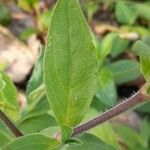
Source: leafsnapSilene latifolia subsp. alba (formerly Melandrium album), the white campion is a dioecious flowering plant in the family Caryophyllaceae, native to most of Europe, Western Asia and Northern Africa. It is a herbaceous annual, occasionally biennial or a short-lived perennial plant, growing to between 40–80 centimetres tall. It is also known in the US as bladder campion but should not be confused with Silene vulgaris, which is more generally called bladder campion. The appearance depends on the age of the plant; when young they form a basal rosette of oval to lanceolate leaves 4–10 cm long, and when they get older, forked stems grow from these, with leaves in opposite pairs. The flowers grow in clusters at the tops of the stems, 2.5–3 cm diameter, with a distinctive inflated calyx and five white petals, each petal deeply notched; flowering lasts from late spring to early autumn. The entire plant is densely hairy. Occasional plants with pink flowers are usually hybrids with red campion (Silene dioica).
💡 White campion was initially cultivated as a garden plant. However, it has since escaped cultivation and become a common weed. The flower's calyx is shaped like a balloon, and its stems and leaves can be either hairy or downy. White campion can transmit diseases that affect beets and spinach. It spreads easily because each plant can produce over 5,000 seeds and can also reproduce from fragments of its roots.
🌳 The white campion may appear modest, but it hides a secret: chemicals it contains are lethal to fish. In earlier times, native communities cleverly used its toxic properties for fishing, throwing portions into water to make use of its poisonous effect. That history should not be copied for modern fishing, however, and its biochemical tools might offer a natural way to control invasive fish in aquaculture, provided further research is done.
🎭 Young love, spiritual guidance
Care Guide
💧 Water
White campion, a plant native to temperate regions, thrives in moderately moist, well-drained soil. It prefers to be watered weekly and enjoys higher indoor humidity, which makes it an ideal houseplant. Adding white campion to your interior spaces brings a touch of its natural environment indoors.
When Should I Water My White Campion?
Watering your white campion is essential for its health, growth, and flower production. Check the soil moisture by feeling the soil about 2 inches deep; if dry, it's time to water. Look out for signs such as leaf wilting, yellowing, or browning at the tips for under-watering indications. During the flowering stage, white campion might need more water. Temperature and season also affect its watering needs; hotter and drier conditions typically require more frequent watering. Be cautious of over-watering, as it can lead to root diseases, while under-watering in extreme cases can risk the plant's health or even cause death.
How Should I Water My White Campion?
Water white campion deeply and infrequently, ensuring water runs out of the drainage holes before allowing the top few inches of soil to dry out. Use a watering can with a narrow spout to direct water to the base, avoiding foliage to prevent disease. A moisture meter can help monitor soil moisture levels accurately. Consider bottom-watering by placing the plant pot in a tray of water, allowing the soil to absorb moisture from the bottom up. Let the top soil dry between waterings to mimic natural conditions, preventing root rot.
How Much Water Does White Campion Really Need?
White campion prefers consistently moist but well-drained soil, requiring about 2 to 3 centimeters (0.8 to 1.2 inches) of water per week depending on conditions. Observe the plant for signs of proper hydration, such as healthy green leaves and stems. Avoid waterlogging to prevent root rot and other diseases. Adjust watering based on visual cues of underwatering or overwatering, such as wilting leaves or yellowing leaves, respectively. Balanced moisture helps maintain its health and promotes flowering.
What Kind of Water is Best for White Campion?
Rainwater is ideal for white campion due to its oxygenation and pH balance. If unavailable, use filtered or distilled water as alternatives. White campion can tolerate some chlorine, but it's best to let tap water sit out to allow chlorine to evaporate. Be wary of using hard tap water high in fluoride and other minerals, which can cause leaf tip burn and yellowing. Room temperature to slightly cool water is preferred to mimic natural rainwater conditions.
How Do White Campion's Watering Needs Change with the Seasons?
White campion's watering needs vary with the seasons. In spring, maintain lightly moist soil to support growth. Summer requires deep and less frequent watering to cope with hot conditions and support flowering. Reduce watering gradually in autumn as the plant prepares for dormancy. During winter, keep the soil just moist enough to prevent drying out completely, avoiding overwatering to prevent root rot. Adjust frequency of watering based on the plant's changing needs throughout the year.
☀️ Light Full sun
White campion grows best in places that get abundant sunlight but can tolerate areas with moderate sun exposure. The intensity of sunlight has a strong effect on its healthy growth. Its natural habitat depends on ample sun, and too much or too little light can negatively affect its development.
What are the sunlight requirements for White campion (Silene latifolia)?
White campion requires significant sunlight exposure to thrive, ideally positioned in areas that receive full sunlight for more than 6 hours a day. It can also grow in partial sun, which is about 3-6 hours of sunlight daily. It's crucial to observe the movement of sunlight through your garden carefully to ensure plants get an appropriate balance of light and shade, ensuring their health and happiness.
How does sunlight intensity affect White campion's growth?
The sun intensity has a profound effect on the healthy growth of White campion, as it thrives in environments with ample solar exposure. A balance is essential because both an excess and a deficiency of light can have adverse effects on its development. In regions with insufficient natural light, particularly during winter or in less sunny indoor spaces, artificial lighting can be a crucial alternative for optimal growth. LED lights are recommended for their ability to provide specific light wavelengths needed by plants, with full sun plants needing 30-50W/sq ft, partial sun plants 20-30W/sq ft, and full shade plants 10-20W/sq ft of artificial light. The light source should be placed 12-36 inches above the plant and turned on for 8-12 hours per day to mimic natural sunlight conditions.
What are the symptoms of inadequate light in White campion?
When White campion is grown in conditions with inadequate lighting, several symptoms may manifest, including new leaves growing smaller in size compared to older ones, leggy or sparse growth, faster leaf drop, slower or halted new growth, and lighter-colored or irregularly colored new leaves. Other symptoms related to excessive sunlight exposure include chlorosis (loss of leaf green color), sunscald, leaf curling as a defense mechanism against extreme sunlight, wilting due to increased water loss, and leaf scorching characterized by brown, dry edges or patches on leaves.
What solutions can improve light conditions for White campion?
To improve light conditions for White campion, indoor plants can gradually be moved to sunnier locations to achieve at least 6 hours of direct sunlight daily, utilizing south-facing windows and keeping curtains open. Artificial lighting, like desk or ceiling lamps, should be used for at least 8 hours daily, or professional grow lights can be invested in for sufficient lighting. For outdoor plants, transitioning them gradually to sunnier spots helps avoid sunburn. Pruning obstructions or transplanting smaller plants during their dormant period to areas with ample sunlight and good drainage are also effective strategies. It's important to note that parts of the plant affected by insufficient sunlight might not recover, but new growth will be healthy following improved light exposure.
🌡️ Temperature 5–35°C
White campion is native to temperate areas where normal temperatures range from 68 to 95 °F (20 to 35 ℃). It does best within this interval and may require warming in winter or cooling in summer if conditions move outside it.
What is the native temperature range for White campion?
White campion, or Silene latifolia, is native to temperate regions and thrives best in a temperature range between 68 to 95 °F (20 to 35 °C). This range is optimal for its growth, and maintaining temperatures within these limits is crucial for its health and survival.
Does White campion require special frost protection measures during winter?
White campion has strong cold resistance, and special frost protection measures are usually not necessary during winter. However, if the temperature is expected to drop below -25°C, providing cold protection is advisable. This can be done by covering the plant with insulating materials like soil or straw. Also, watering the plant abundantly before the first freeze in autumn to keep the soil moist is recommended, as it helps protect the plant against drought and water scarcity during the colder months.
How should you care for White campion in low temperatures?
White campion is cold-tolerant and usually thrives when temperatures stay above 20°C. During winter, ensuring that the temperature remains above 0°C is beneficial. In situations where temperatures fall below -25°C, you might not observe immediate changes, but the plant may exhibit decreased sprouting or fail to sprout at all come spring. In such cases, any parts that have failed to sprout should be removed in spring.
What should you do if White campion is exposed to high temperatures?
During summer, it’s important to ensure that the temperature conditions for White campion do not exceed 35°C. Exposure to temperatures above 38°C could result in the plant's leaves becoming lighter, curling, and becoming prone to sunburn; in severe cases, the plant may wilt and dry completely. To mitigate these effects, trim away the sunburned and dried parts of the plant, relocate it to a shaded area or use a shade cloth to protect it from the midday and afternoon sun, and water the plant adequately in the morning and evening to maintain soil moisture.
💨 Humidity
🪴 Soil 6-7
🌱 Fertilizer
A single fertilizer application in spring is generally enough for White campion, though several feedings can boost growth. Fertilize every month to every six weeks. Feeding improves the appearance and function of the leaves, helping them keep an even color and healthy texture. It also promotes root development and nutrient uptake for the plant’s long-term health.
🪴 Pot & Repot 2-3 years
When repotting White campion, select a pot 1-2 inches (2.5–5.1 cm) larger with ample drainage. Use a well-draining potting mix. Repot in spring or fall, making sure the root ball is slightly lower than the rim of the flower pot. Water thoroughly after repotting and place the plant in a warm spot with indirect sunlight.
✂️ Pruning
Silene doesn't need much pruning. To keep it blooming, deadhead on a regular basis. Once this plant stops blooming gardeners can decide if they want to prune these evergreens down to the base.
🌿 Propagating
🐛 Diseases & pets
☠️ Toxicity
Characteristics
- Plant Type
- Herb
- Life Cycle
- Perennial, Biennial, Annual
- Genus
- Silene
- Family
- Caryophyllaceae
- Hardiness Zone
- 5-9
- Mature Height
- 40 cm to 76 cm
- Mature Spread
- 30 cm to 61 cm
- Leaf Color
- Green
- Leaf Type
- Semi-evergreen, Deciduous
- Flower Color
- White
- Flower Size
- 2.54 cm to 3.05 cm
- Bloom Time
- Late spring, Early summer, Mid summer
- Planting Time
- Spring, Summer, Autumn, Winter
- Harvest Time
- Early summer, Mid summer
- Native Area
- Europe, United Kingdom