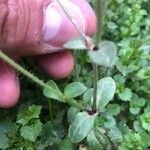
Silene pendula
Drooping catchfly · Nodding catchfly · Ragged Robin
Description
Source: leafsnapSilene pendula, called the nodding catchfly or drooping catchfly, is a species of flowering plant in the genus Silene, native to Italy, Greece, and Turkey, and introduced to scattered locations in North America, South America, Africa, Europe and Asia. A number of cultivars are available. A 2020 study showed with certainty that, despite their morphological similarities, Silene cisplatensis is not synonymous with Silene pendula.
Care Guide
💧 Water Every week
The nodding catchfly flourishes in rocky and dry environments and is highly drought-tolerant. For optimal growth, it's beneficial to water it weekly, which strikes a balance between its natural habitat's rainfall and regular garden care. Typically grown outdoors, this plant requires significantly less water during its dormant period, allowing it to adapt well to seasonal changes.
How should I water my Nodding catchfly so it's healthy?
Watering Nodding catchfly is easy and you can use various tools like a garden hose with a spray nozzle or a watering can. They are not too choosy about the type of water, so rainwater, tap water, or filtered water are all fine. However, it's best to avoid watering from overhead as it could harm the leaves and flowers and even lead to disease. A drip irrigation system is often the most effective method for watering this plant as it supplies water evenly and directly to the soil. If you have a Nodding catchfly in a container, you can still follow a similar watering approach but use a cup, watering can, or tap to water the soil directly.
What if I give my Nodding catchfly too much or too little water, what should I do?
To remedy underwatering, you should water your Nodding catchfly more regularly when you notice it lacks moisture. Overwatering, on the other hand, can be more serious if not addressed early. It can lead to diseases and ultimately the decline and death of the plant. To prevent overwatering, choose a suitable location for growth with ample sunlight and good drainage. If your Nodding catchfly is in a pot and you have overwatered it, you may need to transfer it to a new pot with proper drainage and loose soil.
How frequently should I water my Nodding catchfly plant?
To keep your Nodding catchfly healthy, it's important to water it regularly. In the spring, watering once a week should be sufficient. However, as the weather gets warmer, you may need to increase the frequency to two or three times per week. Be careful not to overwater, as that can harm the plant. It's also important to keep the soil moist but not wet, regardless of how often you water. If your Nodding catchfly is in a pot, you'll need to water it more frequently than if it were planted in the ground. Generally, watering a potted Nodding catchfly a few times per week should be enough, compared to just once per week for an in-ground plant.
How much water does my Nodding catchfly require?
To determine how much water to give your Nodding catchfly, there are a few methods you can use. One option is to gauge the soil's moisture level by touching it and watering until the top six inches feel moist. Another approach is to use a specific measurement: generally, giving your Nodding catchfly about two gallons of water per week should suffice, but adjust according to temperature and how quickly the soil dries out. However, be cautious of overwatering if your plant requires less water. When growing Nodding catchfly in a container, a different approach is needed. You should water enough to moisten all dry layers of soil. Test for moisture by inserting your finger into the soil or keep watering until you see a small amount of water draining out of the pot's holes.
How can I know if I'm giving enough water to my Nodding catchfly?
Caring for your Nodding catchfly can be a bit tricky when it comes to watering. On one hand, these plants have deep roots that need to be moistened weekly. However, Nodding catchfly are prone to root rot, which can be caused by overwatering. Overwatering can also lead to browning of the plant. The good news is that these plants can survive without much watering, so underwatering is less of a concern. However, if you go too long without watering, your plant may wilt and develop dry leaves.
☀️ Light Full sun
Nodding catchfly prefers locations with plenty of sunlight but can tolerate some shade. Its typical habitat is in areas that receive abundant sun, which supports optimal growth. Too little light can cause stunted development, while too much sun can stress the plant.
What are the sunlight requirements for Nodding Catchfly?
Nodding Catchfly requires conditions ranging from full sun, which is above 6 hours of sunlight, to partial sun, about 3-6 hours of sunlight. It's essential to observe how sunlight moves through your garden to find spots that offer an optimal balance of light and shade, ensuring your plants thrive. The plant naturally favors regions with abundant sunshine but can withstand some shade. However, insufficient light can cause stunted growth, while too much direct sunlight might stress the plant.
How can artificial lighting benefit indoor Nodding Catchfly plants?
Artificial lighting is crucial for the growth of indoor Nodding Catchfly plants, especially when natural sunlight is inadequate. In spaces with less sunlight or during winter, artificial lights can stimulate healthier, faster growth. LED lights are recommended because they provide specific wavelengths needed by plants. Full sun plants should have 30-50W/sq ft, partial sun plants 20-30W/sq ft, and full shade plants 10-20W/sq ft. The light source should be positioned 12-36 inches above the plant, for 8-12 hours per day to mimic natural daylight.
What are the signs of insufficient light in Nodding Catchfly plants?
Nodding Catchfly shows various symptoms when there's a lack of light, including smaller new leaves, leggy or sparse growth, premature leaf drop, halted growth, paler new leaves, and signs of chlorosis. In cases of too much sunlight, symptoms might include sunscald, leaf curling to minimize water loss, wilting due to excessive transpiration, and leaf scorching with brown, crispy edges. These signs help in diagnosing whether the plant is getting too much or too little light.
What solutions can remedy light-related issues in Nodding Catchfly?
To address light-related issues in Nodding Catchfly, gradually increase sunlight exposure to at least 6 hours daily for outdoor plants, and use artificial light for indoor plants. Avoid drastic changes in light exposure to prevent sunburn. Minimizing obstructions and considering transplantation during the plant's dormant period can also help outdoor plants receive more sunlight. However, parts of the plant already damaged by inadequate sunlight may not recover, though new growth will be healthy once proper light levels are achieved.
🌡️ Temperature 20–37.8°C
Nodding catchfly originates from temperate climates and does best at temperatures between 68 and 100.4 °F (20 to 38 ℃). Seasonal adjustments to temperature may be required to keep conditions ideal.
What is the optimal temperature range for Nodding Catchfly?
Nodding catchfly, known botanically as Silene pendula, thrives in temperate climates with optimal temperature requirements ranging from 68 to 100.4 °F (20 to 38 °C). To maintain the ideal conditions for Nodding catchfly, seasonal temperature adjustments may be necessary. As an extremely heat-loving plant, Nodding catchfly needs protection from cold temperatures. During autumn, if grown outdoors, it is recommended to bring the plant indoors and place it near a bright window, but away from direct contact with heaters. Ensuring the temperature stays above 20°C during winter benefits the plant's growth while temperatures nearing 10°C can be detrimental.
How does low temperature affect Nodding Catchfly and how can it be protected?
Low temperatures are not tolerated well by Nodding catchfly, which prefers its environment to be above 20°C. Especially during winter, it's crucial to keep the plant in conditions above 10°C. Exposure to temperatures below 5°C can cause the leaves to lighten in color, and after frost damage, they may gradually turn brown or black, with noticeable symptoms of wilting and drooping. To mitigate frost damage, the frost-damaged parts should be trimmed off, and the plant should be moved indoors to a warm environment promptly. Placing the plant near a south-facing window ensures ample sunlight, but it's important to avoid placement near heaters or air conditioning vents to prevent the air from becoming excessively dry.
What should be done if Nodding Catchfly experiences high temperatures?
During summer, it's essential to keep Nodding catchfly's environment below 38°C to prevent heat stress. If temperatures surpass 43°C, the leaves may lighten in color, and the plant can become more susceptible to sunburn. To aid a sunburned Nodding catchfly, trim away the sunburned and dried-up parts of the plant. Then, relocate it to a spot that offers shade from the harsh midday and afternoon sun. Watering the plant during the morning and evening hours will help keep the soil appropriately moist, preventing further stress from high temperatures.
💨 Humidity
🪴 Soil 6-7
🌱 Fertilizer
When most of Nodding catchfly's flowers have opened to full size, resume fertilizing. At the time when blooms are at their peak, feed the plant every three to four weeks, as weather allows. Then, once Nodding catchfly begins producing fewer new blooms, stop fertilizing; there's no need to feed it when it can no longer produce more flowers.
Why is it necessary to add fertilizer to my Nodding catchfly?
Plants require nutrients to survive. This is common knowledge among gardeners, regardless of their experience. Without proper nourishment, Nodding catchfly will quickly perish after its initial pollination. To sustain this plant's growth and ensure the production of beautiful flowers throughout the blooming season, it is crucial to provide the right nutrients in the appropriate quantities. Fertilizer plays a key role in promoting the development of a strong and robust root system for Nodding catchfly. This is particularly important because the plant's root system is vulnerable due to its thin nature, making it prone to damage. By fertilizing during planting, Nodding catchfly can establish a sturdy root structure, offering both stability and a foundation for a remarkable flowering performance. If timed correctly, fertilization can significantly extend the flowering period of Nodding catchfly.
When should I fertilize my Nodding catchfly plant?
Nodding catchfly experiences significant growth early in the growing season after the risk of frost has passed. It is best to fertilize the plant during this time, specifically during planting. Whether you choose to plant it in the ground or in planters, this is the only time you need to apply fertilizer until later in the year when blooms are at their fullest. Once the season is fully underway and Nodding catchfly has bloomed to its maximum size, it is time to resume fertilizing. Start fertilizing every three to four weeks, as weather allows, when the blooms are at their peak. When Nodding catchfly begins to produce fewer new blooms, you can stop fertilizing, as there is no need since the plant cannot produce any more blooms.
When is the best time to not use fertilizer on my Nodding catchfly?
To properly fertilize Nodding catchfly, it's crucial to consider timing. In certain situations, it's necessary to withhold fertilizing. These situations are usually related to climate or controllable factors. If something is amiss with the plant, soil, or climate, it's best to wait until the issues are resolved and the plant has recovered. For example, if there are sudden severe weather changes, such as a cold snap in the summer, it's advisable to hold off on fertilizing until the temperature warms up again. Similarly, if the soil is too dry or compacted to absorb the fertilizer effectively, it should be avoided as it may reach the roots directly instead of being distributed through the soil. The roots of Nodding catchfly don't like this. Additionally, during the hottest parts of the day when temperatures reach the 90-degree Fahrenheit range, fertilization should be withheld. Fertilizer can be degraded at different rates depending on temperature, and allowing it to break down too quickly in high heat can be detrimental. It's also essential to address any pests or diseases before applying fertilizer again.
What kind of fertilizer does my Nodding catchfly plant need?
Most Nodding catchfly varieties require a balanced nutrient supply from fertilizer. It is recommended to use a fertilizer specifically formulated for high-yield blooming plants. Opt for a fertilizer with a higher phosphorus level, indicated by a higher P number in its NPK number (e.g., 10-30-10). Many fertilizer brands provide suitable options for blooming plants like Nodding catchfly, which offer a convenient way to supply the necessary nutrients. If you decide to use a pre-mixed fertilizer, make sure to follow the instructions on the package to avoid over or under-fertilization, as both can harm the plant's growth and lead to wilting.
How should I give fertilizer to my Nodding catchfly?
When using fertilizer for Nodding catchfly, it's important to note that specific instructions may vary depending on the type of fertilizer you have. However, there are some general guidelines to follow. For the initial fertilizer application when planting Nodding catchfly, it's recommended to mix the appropriate amount of fertilizer into the soil before planting, and then water the plant. For subsequent fertilizing, the process may look different depending on the type of fertilizer used. If using pellet fertilizers, simply mix the pellets into the top inch of soil around the outer edge of the plant where the roots are. It's important to water them in well initially and then water regularly afterwards. Other types of fertilizers can be mixed into a watering can and applied similarly to regular watering. It's important to refer to the instructions on the fertilizer packaging for consistency. However, to maintain a regular schedule, aim for fertilizing every three to four weeks.
🪴 Pot & Repot
✂️ Pruning
The nodding catchfly is known for its delicate, nodding flowers. To promote optimal growth, it's best to prune the plant from early to late spring. Focus on removing any weak stems to enhance the blooming process. Regular trimming helps maintain the plant's shape and improves air circulation, which reduces the risk of disease. Additionally, pruning after the flowering period encourages the development of new shoots, ensuring the plant remains vibrant throughout the season.
🌿 Propagating
🐛 Diseases & pets
☠️ Toxicity
Characteristics
- Plant Type
- Herb
- Life Cycle
- Annual, Biennial
- Genus
- Silene
- Family
- Caryophyllaceae
- Hardiness Zone
- 11-12
- Mature Height
- 25 cm
- Mature Spread
- 25 cm
- Leaf Color
- Green, Blue
- Leaf Type
- Deciduous
- Flower Color
- Pink
- Flower Size
- 2.54 cm
- Bloom Time
- Spring
- Planting Time
- Spring, Autumn, Winter
- Harvest Time
- Late spring, Early summer, Mid summer
- Native Area
- Greece, Turkey, Italy