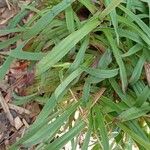
Silene viscaria
Clammy campion · Sticky Catchfly · Red Catchfly
Description
Source: leafsnapViscaria vulgaris, the sticky catchfly or clammy campion, is a flowering plant in the family Caryophyllaceae. It is an upright perennial growing to 60 cm (24 in) in height. The leaves are lanceolate. The flowers, which are 20 mm across and bright rosy-pink, appear in long whorled spikes from May to August. It grows on cliffs and rocky places.The Latin name Viscaria means "sticky", and refers to the stickiness of the stem just below the leaf joints. The English common names reference the same feature. Viscaria vulgaris is also grown as an ornamental garden plant. In British horticultural literature it is often referred to by its synonym Lychnis viscaria. The cultivar 'Splendens Plena', a double-flowered form, has won the Royal Horticultural Society’s Award of Garden Merit.
Care Guide
💧 Water 1 to 2 times a week
The Viscaria plant is low-maintenance and drought-resistant, but don't allow it to become too dry. Water in the morning or evening rather than in the middle of the day, especially on hot days. Also, avoid allowing the soil to become wet since this can lead to root rot and the death of the plant.
☀️ Light Full sun
The sticky catchfly receives a large amount of sunlight but also survives in prevailing shadows. It thrives when exposed to plenty of sunlight, yet it can also withstand conditions with less light. Originating from habitats that were mostly sunny, it continues to bloom despite varying light circumstances. Nonetheless, an excess or lack of light can negatively impact its growth.
🌡️ Temperature 0–32.2°C
The sticky catchfly plant originates from regions where the temperature consistently remains between 32 and 90 °F (0 to 32 ℃). It leans towards preferring cooler weather conditions, thus making it crucial to manage the warmth during blistering seasons.
💨 Humidity
🪴 Soil 5-7
🌱 Fertilizer
The optimal period to apply fertilizer to a Sticky catchfly is in the early spring as it transitions from dormancy to active growth. Fertilizing supplies essential nutrients that promote robust growth. Despite Sticky catchfly's modest fertilization requirements, fertilizing it on a yearly basis can boost its lifespan and encourage improved and longer-lasting blossoms.
🪴 Pot & Repot
✂️ Pruning
Viscaria plants don't need much trimming, but you can deadhead wasted blossoms to promote more blooms. After the flowers have blossomed, trim the inflorescences, or flowering stalks, to approximately two inches and prune the stems and branches. If you prune before the seeds mature, the plant will focus its energy on producing blooms rather than seeds.
🌿 Propagating
🐛 Diseases & pets
☠️ Toxicity
Characteristics
- Plant Type
- Herb
- Life Cycle
- Perennial
- Genus
- Silene
- Family
- Caryophyllaceae
- Hardiness Zone
- 3-8
- Mature Height
- 61 cm
- Mature Spread
- 25 cm to 30 cm
- Leaf Color
- Green
- Leaf Type
- Deciduous
- Flower Color
- Pink
- Flower Size
- 2.03 cm
- Bloom Time
- Late spring, Early summer, Mid summer
- Planting Time
- Spring, Autumn
- Harvest Time
- Mid summer
- Native Area
- Sweden, Austria, Czech Republic, Slovakia, Montenegro, Bulgaria, Poland, Croatia, Slovenia, Belarus, Ukraine, Serbia, Russia, Lithuania, Norway, Hungary, Germany, Italy, Kazakhstan, Switzerland, Denmark, Estonia, Finland, France, Albania, United Kingdom, Romania, Latvia, Belgium, Netherlands