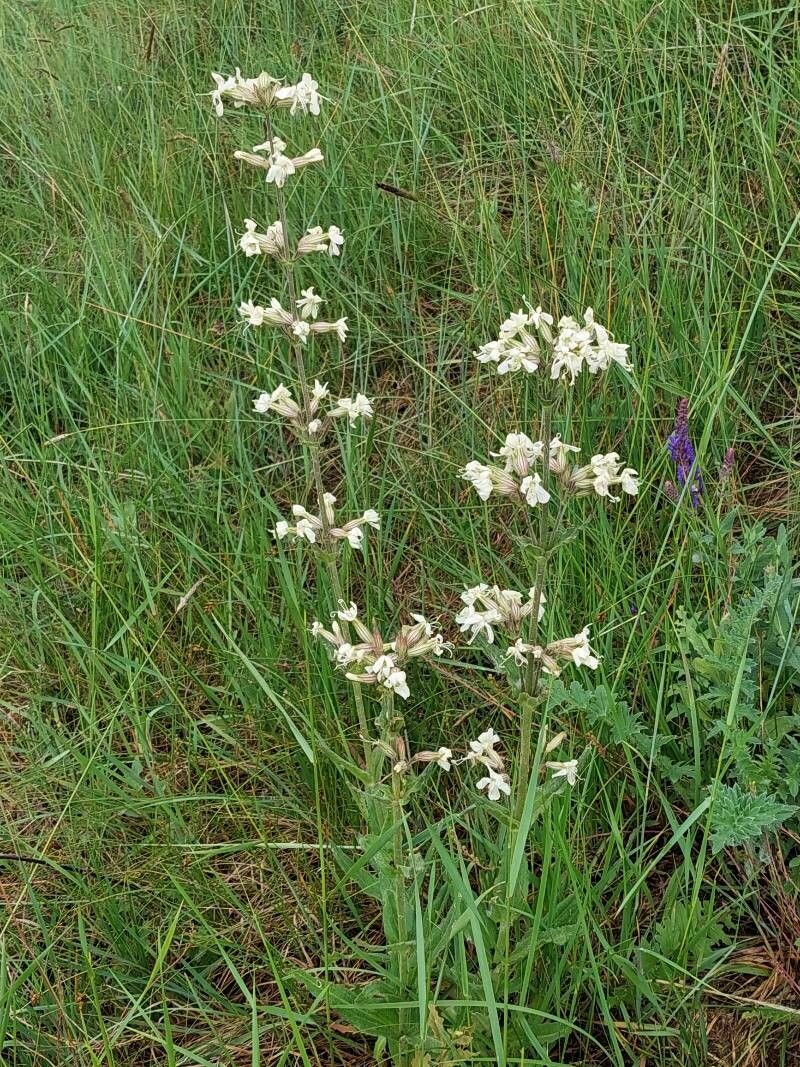
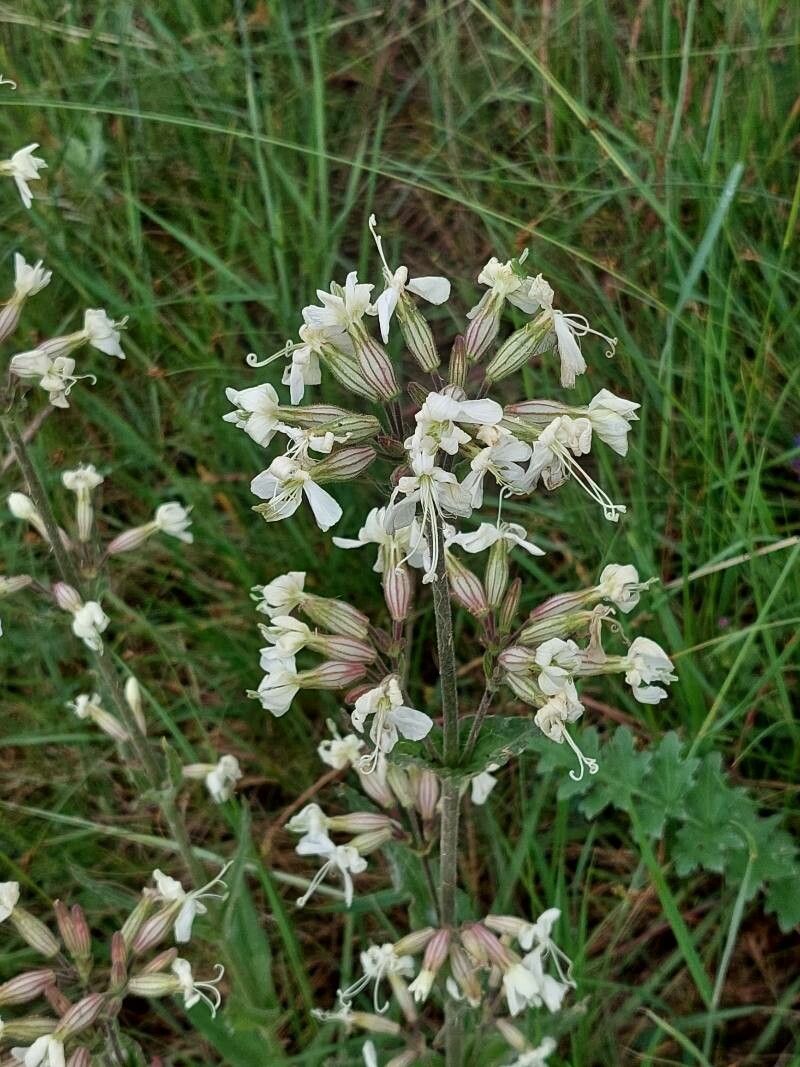
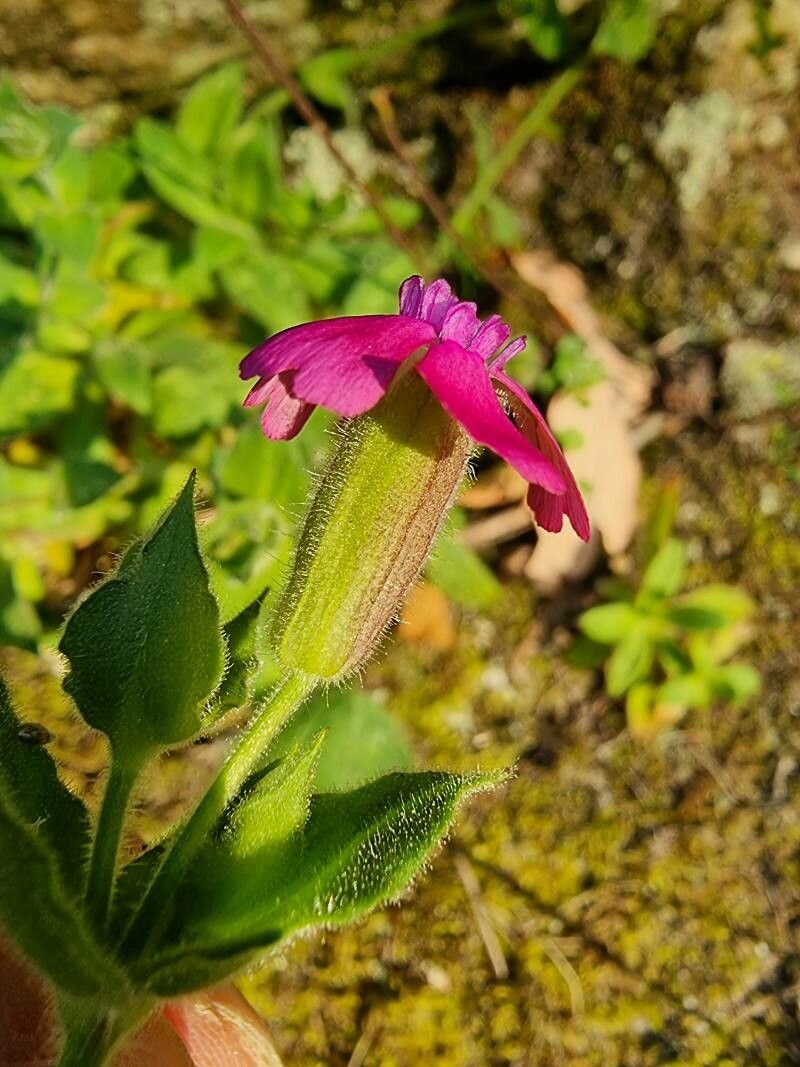
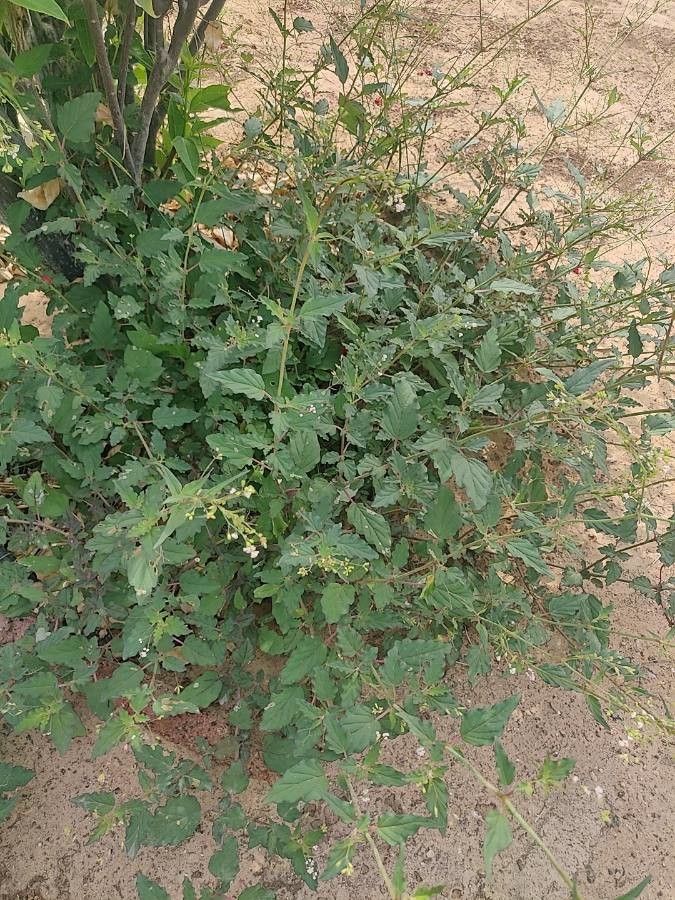
Silene viscosa, the white sticky catchfly, is a species of flowering plant in the family Caryophyllaceae. It is native to cool-temperate areas of eastern Europe, western Siberia, and western and central Asia, and has been introduced to Germany. Molecular analysis shows that it contains two highly divergent genetic lineages. There is a western lineage and an eastern lineage, suggesting that one is a cryptic species.
White sticky catchfly has strong disease resistance and is generally unlikely to develop illnesses. However, it can be affected by pests and diseases present in its surroundings. These infections are generally not serious. In terms of care, this plant needs a moderate level of maintenance. It should be pruned regularly to keep a good appearance and encourage healthy growth. Fertilizing can also help boost flowering. White sticky catchfly is appropriate for anyone with outdoor space, such as a garden or patio, and does not require extensive care experience. It may need more attention when grown indoors.
How to keep Silene Viscosa.
Light
White sticky catchfly comes from bright, open habitats where it flourishes in full sun. It can withstand partial sun but prefers direct sunlight for optimal growth. This plant, which may be annual or biennial, is known for its sun-loving nature.
Water
The white sticky catchfly, a plant native to the Mediterranean regions, thrives in humid climates and well-drained, rocky soils. It can tolerate brief periods of drought but generally requires watering twice a week. Commonly found in rock gardens, this plant efficiently makes use of rainfall, which decreases the need for frequent irrigation.
Temperature
White sticky catchfly can tolerate a wide range of temperature conditions, but its distribution may still be restricted by different combinations of water and heat conditions. It grows best in warm summer climates with adequate rainfall or watering. Extended periods of cloudy, rainy weather, as well as prolonged high temperatures, can raise the likelihood of White sticky catchfly dying. In winter, suitable protection against cold can improve the plant's survival rate.
Fertilizer
When most of White sticky catchfly's blooms have opened to full size, resume fertilizing. During peak bloom production, fertilize about once every three to four weeks, weather permitting. Once White sticky catchfly begins producing fewer new blooms, discontinue fertilizing; there's no need to feed the plant when it can no longer produce more blooms.
Pruning
The white sticky catchfly is known for its sticky leaves and white flowers. To promote healthy growth and more blooms, prune the plant from early to late spring by removing dead stems and spent flowers. This will improve air circulation and encourage blooming. Be cautious not to prune heavily while the plant is flowering, as this can cause stress. Regular pruning helps maintain the plant's shape and vitality, and it also reduces the risk of disease.
Botanical profile.
- Plant Type
- Herb
- Life Cycle
- Annual, Perennial
- Genus
- Silene
- Family
- Caryophyllaceae
- Hardiness Zone
- 4-8
- Mature Height
- 30 cm to 61 cm
- Mature Spread
- 20 cm to 40 cm
- Leaf Color
- Green, Light Green
- Leaf Type
- Deciduous
- Flower Color
- White
- Flower Size
- 1.02 cm to 2.03 cm
- Bloom Time
- Mid spring, Late spring, Early summer
- Planting Time
- Spring, Summer, Autumn
- Harvest Time
- Summer
- Native Area
- Turkey, Sweden, India, Austria, Czech Republic, Slovakia, Armenia, Pakistan, Poland, Ukraine, Serbia, Uzbekistan, Russia, Lithuania, Afghanistan, Germany, Syria, Hungary, Kyrgyzstan, Kazakhstan, Denmark, Estonia, Mongolia, Finland, Iran, Azerbaijan, Romania, Latvia, Turkmenistan
Other names.