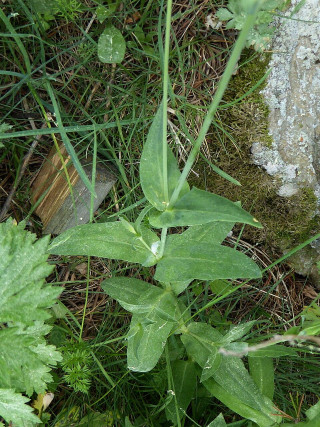
Silene vulgaris
سیلن بادکنکی · Bladder Campion · Bladder Silene · Cowbell · Maiden's Tears
Description
Source: leafsnapSilene vulgaris, the bladder campion or maidenstears, is a plant species of the genus Silene of the family Caryophyllaceae. It is native to Europe, where in some parts it is eaten, but is also widespread in North America, where it is a common wildflower in meadows, open woods, and fields.
🌳 Bladder campion is appreciated for its understated beauty and also acts as a bioindicator of soil condition, especially in signaling the presence of certain metals. Its capacity to absorb and tolerate high concentrations of metals such as cadmium and lead signals contaminated environments. Therefore, bladder campion can have an important role in phytoremediation, a cost-effective, plant-based method for cleaning soils.
🎭 Young Love
Care Guide
💧 Water Every week
Bladder campion thrives in environments with moderate moisture. It prefers consistent hydration but can tolerate short periods of dryness. To maintain optimal health, weekly watering is essential. When grown outdoors, the plant aligns its growth cycles with natural rainfall to avoid waterlogging.
How should I water my Bladder campion plant in the best way?
To properly care for the Bladder campion plant, it is recommended to water it with filtered water at room temperature. Tap water may contain harmful particles, which is why filtered water is preferable. Additionally, the water should be at room temperature or slightly warmer because the Bladder campion is accustomed to warm environments and cold water can be a shock to its system. It is also important to avoid overhead watering as it can cause issues with the foliage. Instead, it is best to thoroughly soak the soil with filtered room temperature water. This helps to moisten the roots and supports their spread throughout the soil, allowing them to collect necessary nutrients.
What should I do if I give my Bladder campion too much or too little water?
Overwatering is a more common problem for Bladder campion, causing wilting, yellowing, and potential diseases like root rot, mold, and mildew. Underwatering is less common, but can cause brittle, brown leaves. It is important to notice and address signs of overwatering promptly. If overwatering is detected, reduce watering and check the soil drainage. If underwatering is observed, simply increase watering until the plant recovers.
How often do I need to water my Bladder campion?
When caring for a potted Bladder campion plant, the most accurate way to determine if it needs watering is to stick your finger in the soil. If the top two to three inches of soil feel dry, it's time to give it some water. If you have your Bladder campion planted outdoors in the ground, you can use a similar method to test the soil. Again, if the top few inches of soil are dry, it's time to water. Typically, during the spring and early fall, watering once a week is sufficient. However, during extremely hot weather, you may need to water twice a week or more. Keep in mind, mature and well-established Bladder campion plants are quite resilient and can tolerate drought conditions.
How much water does my Bladder campion plant need?
When watering your Bladder campion, don't shy away from giving it plenty of water. Make sure the first two to three inches of soil are dry before watering, then thoroughly soak the soil. Add enough water so that it flows through the drainage holes at the bottom of the pot. If you don't see excess water draining, you may have underwatered the plant. However, be cautious not to let water accumulate in the soil, as this can be harmful. If water doesn't drain well from the pot, it could indicate poorly draining soil, which is not good for the plant's health. If the plant is outdoors, about 1 inch of rain per week should be enough.
How should I water my Bladder campion as it grows?
The water needs of the Bladder campion can vary depending on its growth stages. When the plant is in its early years or has just been transplanted, it will require more watering. During these stages, the Bladder campion focuses on developing new roots to support future growth, which requires additional moisture. As the plant matures, it will require less water. Another growth stage where the plant may need more water is during its blooming period. The development of flowers demands a significant amount of moisture, so you may need to increase watering during this time.
☀️ Light Full sun
The bladder campion grows best in full sun but also tolerates partial sun. It comes from regions with plentiful sunlight and does well in those conditions. However, both too much and too little sunshine can negatively affect its growth.
What are the sunlight requirements for Bladder Campion?
Bladder Campion (Silene vulgaris) thrives best under full sun exposure, requiring more than 6 hours of sunlight daily, but it can also grow well in partial sun conditions, with about 3-6 hours of sunlight. It is important to observe how sunlight moves through your garden to ensure that you choose locations that provide a balance of light and shade, catering to the plant's needs for optimal growth. Additionally, when natural sunlight is insufficient, especially indoors, artificial lighting can be a crucial supplement. LED lights are recommended for their ability to mimic natural sunlight, benefiting plant growth by providing the right wavelengths.
What are the consequences of insufficient sunlight for Bladder Campion?
When Bladder Campion does not receive adequate sunlight, it may exhibit several symptoms indicating stress or poor health. Symptoms of light deficiency include smaller new leaves, leggy or sparse growth, premature leaf drop, delayed or stopped growth, lighter-colored new leaves, chlorosis (yellowing of leaves), sunscald, leaf curling, wilting, and leaf scorching. These symptoms highlight the plant's struggle to adapt to low light conditions and the negative impact on its growth and overall health.
How can I improve sunlight exposure for Bladder Campion?
To enhance sunlight exposure for Bladder Campion, consider gradually relocating your plants to sunnier spots, aiming for a minimum of 6 hours of direct sunlight daily. For indoor plants, utilizing a south-facing window and keeping curtains open during sunlight hours can significantly increase natural light exposure. If the plant is large or stationary, supplementing with artificial light, such as grow lights for at least 8 hours a day, can be beneficial. Outdoors, ensure to adapt your plants gradually to increased light to prevent sunburn. Additionally, for plants in the ground, reducing obstructions like overhanging branches and, if feasible, transplanting to a sunnier location can be effective strategies to improve sunlight access.
🌡️ Temperature 5–32.2°C
Bladder campion is a weed of temperate climates that grows in various habitats, including fields, meadows, and waste areas. It requires a temperature range of 41 to 90 ℉ (5 to 32 ℃), with preferred temperatures near 68 to 77 ℉ (20 to 25℃). Temperatures should be adjusted by season; for example, warmer conditions in the growing season and cooler conditions during dormancy.
What is Bladder campion?
Bladder campion (Silene vulgaris) is a temperate weed notable for its resilience and adaptability to a variety of habitats including fields, meadows, and waste areas. It thrives in a temperature range of 41 to 90°F (5 to 32°C), with optimal growth temperatures between 68 to 77°F (20 to 25°C). Its ability to grow in various conditions makes it a versatile plant in different climate zones.
What temperatures are best for growing Bladder campion?
The ideal temperature range for growing Bladder campion is between 68 to 77°F (20 to 25°C). However, it can survive in temperatures ranging from 41 to 90°F (5 to 32°C). Seasonal temperature adjustments are important, with warmer temperatures beneficial during its growing season and cooler temperatures during its dormant season. This plant is highly adaptable to different temperatures, displaying significant cold tolerance without the need for additional frost protection measures.
How does Bladder campion handle cold weather?
Bladder campion is extremely cold-tolerant and can handle winter temperatures without the need for additional frost protection. Nonetheless, to prepare for winter, it is advisable to water the plant generously before the first freeze to keep the soil moist. This preparation helps prevent drought and water scarcity for the plant during winter and early spring. It is important to ensure that winter temperatures are maintained above -30°C to avoid affecting its sprouting in spring.
What should I do if the Bladder campion does not sprout in spring?
If Bladder campion fails to sprout in spring, likely due to winter temperatures dropping below -30°C, you should remove any parts of the plant that have not sprouted. This will help the remaining parts of the plant to grow more effectively during the growing season.
How does Bladder campion react to high temperatures?
Bladder campion is not tolerant of high temperatures. Growth may halt, and the plant becomes more prone to rot if the temperature rises above 32°C (90°F). To mitigate damage from high heat, remove sunburned or dried parts of the plant. Relocating the plant to a shaded area or using a shade cloth can protect it from direct sun. Additionally, watering the plant in the early morning or evening can help maintain soil moisture, which is critical during hot periods.
💨 Humidity high (>60%)
This plant needs special care because it loves high humidity levels of 60-80% or more. The best way to achieve this is by placing a humidifier near the plant. Daily misting is also essential! Make sure the room has good ventilation.
🪴 Soil 6-7
🌱 Fertilizer
Generally, a single fertilizer application in spring is sufficient for Bladder campion, although multiple feedings can maximize growth. Feed once every month to a month and a half. Fertilizing improves leaf appearance and function, helping maintain even color and a healthy texture. It also encourages root development and better nutrient uptake for long-term plant health.
Why should I put fertilizer on my Bladder campion plant?
The main structure of the Bladder campion is comprised of its leaves. Fertilization plays a crucial role in ensuring that these leaves look great and function properly. Proper fertilization leads to consistent color and a healthy texture in the leaves. Additionally, fertilization benefits the roots of the Bladder campion. It promotes the growth of new roots and maintains the existing ones. This means that fertilization not only keeps the plant healthy at present, but also improves its ability to absorb nutrients from the soil in the future.
When should I fertilize my Bladder campion?
If you choose to grow your Bladder campion outdoors each year, you can expect new growth to appear in early spring. This is when you should start fertilizing the plant. Typically, a single application of fertilizer in the spring will suffice for the Bladder campion to thrive. However, if you want to maximize its growth, you can fertilize it multiple times throughout the spring and early summer. In this case, you can feed the Bladder campion about once every month to a month and a half.
When is it not a good idea to add fertilizer to my Bladder campion?
During late fall and winter, your Bladder campion goes into a dormant phase and stops growing. During this period, it is important to avoid fertilizing it. However, in spring and summer, you can choose to fertilize it multiple times. Just keep in mind that as summer approaches, you should start reducing the amount of fertilizer you use, as the Bladder campion's growth rate slows down. It's generally not a good idea to fertilize your Bladder campion during extremely hot weather or when the soil is very dry. Doing so can stress the plant and cause it to die prematurely.
What kind of plant food does my Bladder campion need?
Choosing the best fertilizer for a Bladder campion is straightforward. These plants thrive on a general-purpose garden fertilizer with equal amounts of nitrogen, phosphorus, and potassium, like a 10-10-10 ratio. Avoid fertilizers with high nitrogen levels if in doubt. The best fertilizer usually comes in a granular form that is slow-release and easy to apply to the soil. You can also use organic soil amendments, such as compost, to feed your Bladder campion.
How can I put fertilizer on my Bladder campion?
To ensure the healthy growth of your Bladder campion, wait until its first leaves emerge in early spring. Once you observe this, apply a balanced slow-release fertilizer to the soil around the base of the plant. If desired, you can repeat this process later in the season. When reapplying fertilizer, make sure to apply it to the soil at the base of the plant rather than directly on the plant itself. This may require gently moving some leaves to access the soil above the roots. Additionally, it's beneficial to water your Bladder campion before and after fertilizing.
🪴 Pot & Repot 2-3 years
When repotting Bladder campion, select a pot 1–2 inches (2.5–5.1 cm) larger with ample drainage. Use a well-draining potting mix. Repot in spring or fall, making sure the root ball is slightly lower than the rim of the flower pot. Water thoroughly after repotting and place it in a warm spot with indirect sunlight.
✂️ Pruning
Bladder campion, known for its delicate white flowers, benefits from pruning between early and late spring. By trimming away dead or damaged stems, you can promote healthier growth and more abundant flowering. This regular maintenance not only encourages blooming but also prevents the plant from becoming leggy, helping it maintain a fuller structure. As a result, you'll enjoy vigorous growth and longer blooming periods.
🌿 Propagating
🐛 Diseases & pets
☠️ Toxicity
Although no mention of toxicity has been seen for Silene vulgaris, it does contain saponins. Although toxic, these substances are very poorly absorbed by the body and so tend to pass through without causing harm.
Characteristics
- Plant Type
- Herb
- Life Cycle
- Perennial
- Genus
- Silene
- Family
- Caryophyllaceae
- Hardiness Zone
- 4-7
- Mature Height
- 40 cm to 91 cm
- Mature Spread
- 30 cm to 46 cm
- Leaf Color
- Green, Blue
- Leaf Type
- Semi-evergreen
- Flower Color
- White
- Flower Size
- 2.54 cm
- Bloom Time
- Late spring, Early summer, Mid summer
- Planting Time
- Spring
- Harvest Time
- Early summer, Mid summer