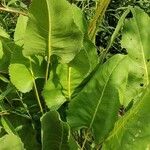
Silphium terebinthinaceum
Prairie-dock · Basal-leaf rosinweed · Dock-rosinweed · Prairie rosinweed
Description
Source: leafsnapSilphium terebinthinaceum is a member of the Asteraceae, a family that includes sunflowers, commonly referred to as prairie dock or prairie rosinweed. "Rosinweed" became one of the plant's common names due to the fact that upon injury, resin flows from the wound, giving the plant a sweet smell. Tea brewed from the roots of the prairie dock have a variety of medical applications in Native American culture. The smoke from this plant has also been used as a treatment for congestion and rheumatism.
🌳 Besides its impressive presence in prairie landscapes, prairie dock promotes biodiversity by serving as a host for specialist insects, and its deep roots help restore soil and sequester carbon.
🎭 Recovery, Fertility, Wealth
Care Guide
💧 Water Every 1-2 weeks
Prairie dock, a plant native to the prairies of North America, thrives under a mix of rainy and dry conditions. It should be watered every 1-2 weeks, allowing the soil to dry out slightly between waterings. This resilience makes prairie dock an excellent choice for outdoor cultivation in regions where the growing season aligns with natural rainfall patterns.
What do I do if I give my Prairie dock too much water or too little water?
Both overwatering and underwatering can harm the health of your Prairie dock, but overwatering is more common. When the plant gets too much water, its stems and leaves may wilt and turn yellow. Overwatering for a long time can also cause diseases like root rot, mold, and mildew, which can be fatal for the plant. Underwatering is less common because the Prairie dock can tolerate drought fairly well. However, it can still happen, and in that case, the leaves may become brittle and brown. It's important to recognize the signs of overwatering early when taking care of your Prairie dock. Some of the diseases caused by overwatering, like root rot, may not be fixable if you wait too long. If you notice early signs of overwatering, reduce your watering schedule right away. Also, check the quality of the soil the plant is growing in. If it drains poorly, replace it with a loose, well-draining potting mix. On the other hand, if you see signs of your Prairie dock not getting enough water, simply water it more regularly until the signs go away.
How frequently should I give water to my Prairie dock?
If your Prairie dock plant is in a pot, the best way to check if it needs water is to stick your finger in the soil. If the top two to three inches of soil are dry, then it's time to water it. If you're growing Prairie dock outdoors in the ground, the same method applies. Once the top few inches of soil have dried out, it's time to water. Generally, during spring and early fall, you'll need to water this plant about once a week using this method. However, when it gets very hot, you may need to water it twice a week or even more. That being said, mature, well-established Prairie dock plants are quite resilient and can handle periods of drought quite well.
How much water does my Prairie dock plant need?
When watering your Prairie dock, don't be stingy with the amount of water you use. Make sure the top two to three inches of soil are dry before giving it a good, deep watering. Water it enough to fully saturate the soil, causing excess water to flow out of the drainage holes at the bottom of the pot. If there's no excess water draining, you probably haven't watered enough. However, be careful not to let water accumulate in the soil, as that can harm the plant. On the other hand, if water doesn't drain properly, it could indicate that the soil isn't draining well, which is bad for the plant's health. If the plant is outside, one inch of rain per week will suffice.
How do I water my Prairie dock at different stages of growth?
The water needs of the Prairie dock can vary depending on its growth stages. When the plant is in its early years or has just been transplanted, it requires more water than usual. This is because during these stages, the Prairie dock is focused on developing new roots which will support future growth. These roots need more moisture to thrive. As the plant matures, it will require less water. Another stage that may require increased watering is during the bloom period, as the flower development uses up a significant amount of moisture.
How do I water my Prairie dock throughout the year?
The watering needs of the Prairie dock vary throughout the year. In the hottest months, usually during the height of summer, you may need to water the plant more than once per week, depending on how quickly the soil dries out. However, in winter, the plant enters a dormant phase and needs much less water. In fact, you may not need to water it at all during the winter months. If you do decide to water it during winter, it's recommended to do so only about once per month. Overwatering during this time can increase the risk of disease for the Prairie dock.
☀️ Light Full sun
The prairie dock species thrives in places with abundant sunlight throughout the day, which promotes healthy growth. It can also tolerate areas where sun exposure is patchy or mixed. A habitat resembling open prairies indicates its preference for plentiful sunlight. Too little sunlight may impede growth, while too much does not severely affect it.
What are the sunlight requirements for Prairie dock?
Prairie dock thrives best in locations where it can receive an abundance of sunlight throughout the day, which is essential for its healthy growth. It needs full sun, which is above 6 hours of sunlight daily, but it can also tolerate partial sun, receiving about 3-6 hours of sunlight. The environment should ideally mimic open prairies, indicating its preference for a lot of sunlight. Insufficient sunlight may hinder its growth, yet it is quite resilient to varying conditions of light exposure.
How can artificial lighting be used to supplement natural sunlight for Prairie dock?
When natural sunlight is not sufficient, especially during winter or in less sunny spaces, artificial lighting can be a crucial alternative for providing the necessary light for Prairie dock's growth. Using artificial light such as LED lights, which can offer the specific wavelengths needed by the plant, helps promote healthier and faster growth. Full sun plants require 30-50W/sq ft of artificial light, partial sun plants 20-30W/sq ft, and full shade plants 10-20W/sq ft. It's important to place the light source 12-36 inches above the plant and ensure it receives 8-12 hours of light per day to mimic natural sunlight conditions.
What symptoms indicate insufficient sunlight for Prairie dock?
When Prairie dock does not receive enough sunlight, several symptoms may become apparent. These include smaller new leaves, leggy or sparse growth, faster leaf drop, delayed or halted new growth, paler or irregularly colored new leaves, and chlorosis, where leaves lose their green color and turn yellow. Excess sunlight can also lead to problems like sunscald, leaf curling, wilting, and leaf scorching, indicating damage from intense light exposure. These symptoms help in diagnosing whether the plant is getting too much or too little sunlight.
What solutions can help Prairie dock receive adequate sunlight?
To ensure Prairie dock receives adequate sunlight, gradually moving the plants to a sunnier location can be beneficial; for indoor plants, this might mean positioning them by a south-facing window or utilizing artificial lighting such as desk or ceiling lamps for at least 8 hours daily. Outdoors, selecting the best spot and allowing the plants time to adapt to increased light gradually is key to avoiding sunburn. Reducing sunlight obstructions and considering transplanting during the plant's dormant period can also help in maximizing sunlight exposure. It's crucial to remember that parts of the plant damaged by insufficient light may not recover, but new growth should be healthy with better light conditions.
🌡️ Temperature 5–32.2°C
Prairie dock is suited to temperatures between 41 and 90 °F (5 to 32 ℃), consistent with its native temperate habitat. In the colder winter months, it may need some insulating protection.
What is the ideal temperature range for Prairie Dock?
Prairie dock thrives in a temperature range of 41 to 90 °F (5 to 32 °C), which reflects its native temperate environment. While it has strong cold resistance and doesn't usually require special frost protection measures, it is adapted to thrive best above 5°C. In winter, it should ideally be kept above -25°C to avoid damage, even though it may not show immediate changes if temperatures drop below -30°C. However, during summer, it's important to ensure the temperature stays below 32°C to prevent stress on the plant.
How should I protect Prairie Dock from extreme cold?
To protect Prairie dock from extreme cold, especially if winter temperatures are expected to drop below -30°C, it is important to provide cold protection. This can be achieved by covering the plant with insulating materials such as soil or straw. Additionally, watering the plant abundantly before the first freeze in autumn is recommended to ensure the soil remains moist and enters a frozen state. This watering practice helps in preventing drought and water scarcity for the plant during the winter and early spring months.
What are the symptoms of temperature stress in Prairie Dock and how can I address them?
For Prairie dock, temperature stress can manifest in different ways depending on whether it's due to low or high temperatures. In low temperatures, specifically below -30°C, the plant may experience a decrease in sprouting or fail to sprout at all during spring. The solution in spring is to remove any parts that have failed to sprout. In case of high temperatures, exceeding 35°C, the plant's leaves may become lighter in color, curl, become susceptible to sunburn, and, in severe cases, the entire plant may wilt and dry. To address high temperature stress, trim away the sunburned and dried parts, move the plant to a location with shade from the midday and afternoon sun or use a shade cloth, and water the plant in the morning and evening to keep the soil moist.
💨 Humidity
🪴 Soil 6-6
🌱 Fertilizer
The best time to fertilize Prairie dock is in early spring, as it comes out of dormancy and starts active growth. Fertilization supplies essential nutrients for healthy development. While Prairie dock has relatively low fertilizer requirements, an annual feeding can improve its survival and encourage better, longer-lasting flowers.
Why should I put fertilizer on my Prairie dock?
Fertilization plays a crucial role in the growth of Prairie dock and other plants as it provides essential nutrients for both above and below-ground growth. Although Prairie dock has low fertilization needs, annual fertilization can greatly benefit the plant, keeping it alive and enhancing flower longevity. Therefore, individuals looking to optimize their Prairie dock's appearance should prioritize regular fertilization.
When should I fertilize my Prairie dock?
The best time to fertilize a Prairie dock is in late winter to early spring. This is when the plant is coming out of dormancy and starting to grow actively. Fertilizing at this time promotes healthy growth and helps the plant thrive throughout the season. While it's generally recommended to fertilize in early spring, fall is also an acceptable time. However, it's not advisable to fertilize in summer or winter.
When is the best time to not fertilize my Prairie dock?
To ensure proper fertilization for Prairie dock, it is best to limit feeding to the late winter and early spring. This plant has low fertilization needs, so one annual feeding is enough. Avoid fertilizing during the spring, summer, and fall to prevent overfertilization and associated complications. However, if you missed fertilizing in the spring, it is permissible to feed the plant in the fall. Additionally, there is no need to fertilize during the winter when the Prairie dock is in a dormant phase and not actively growing.
What kind of fertilizer does my Prairie dock plant need?
For a Prairie dock, almost any general-purpose fertilizer that provides a balanced amount of the three main plant nutrients will work well. However, some nutrient blends are particularly beneficial. Many gardeners believe that higher levels of phosphorus lead to stronger roots and better flowers. Therefore, for a flowering plant like Prairie dock, using a phosphorus-rich fertilizer may be the best approach. You can choose between granular or liquid fertilizers as long as they contain plenty of nutrients. Additionally, aside from manufactured fertilizers, organic methods like compost, manure, and similar materials can greatly improve the soil for your Prairie dock, creating a healthy growing environment.
How can I fertilize my Prairie dock?
To fertilize a Prairie dock, the most common method is to use granular or pellet fertilizer. The best time to fertilize is when the plant is transitioning from its winter dormant phase to active growth. In early spring, wait for shoots to emerge from the soil before applying fertilizer. Alternatively, some people may prefer using liquid fertilizer. In this case, dilute the fertilizer with water before applying. Whether using granular or liquid fertilizer, it is important to moisten the soil before, during, and after fertilizing.
🪴 Pot & Repot
✂️ Pruning
Prairie dock is known for its large leaves and tall flower stalks. To maintain its health and appearance, prune the plant between early and late spring to remove any dead foliage and stimulate new growth. After the flowers have bloomed, trim the flower stalks and thin the plant occasionally to prevent overcrowding. Always use clean, sharp tools for the best results.
🌿 Propagating
🐛 Diseases & pets
☠️ Toxicity
Characteristics
- Plant Type
- Herb
- Life Cycle
- Perennial
- Genus
- Silphium
- Family
- Asteraceae
- Hardiness Zone
- 4-8
- Mature Height
- 1.22 m to 3.05 m
- Mature Spread
- 30 cm to 91 cm
- Leaf Color
- Green
- Leaf Type
- Deciduous
- Flower Color
- Yellow
- Flower Size
- 2.54 cm to 7.62 cm
- Bloom Time
- Mid summer
- Planting Time
- Spring, Summer, Autumn
- Harvest Time
- Mid summer