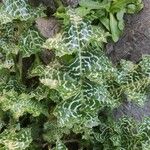
Silybum marianum
ماری تیغال یا خار مریم · خار مریم · کنگر · خار سهره · Milk-thistle
Description
Source: leafsnapSilybum marianum is a species of thistle. It has various common names including milk thistle, blessed milkthistle, Marian thistle, Mary thistle, Saint Mary's thistle, Mediterranean milk thistle, variegated thistle and Scotch thistle (though not to be confused with Onopordum acanthium or Cirsium vulgare). This species is an annual or biennial plant of the family Asteraceae. This fairly typical thistle has red to purple flowers and shiny pale green leaves with white veins. Originally a native of Southern Europe through to Asia, it is now found throughout the world.
🌳 Milk thistle is seldom grown in gardens because of its invasive nature, but it is sometimes cultivated for its striking appearance. This plant can add interest to herb and flower gardens throughout the growing season. With its tall, slender stalk, milk thistle stands above most other flowering plants, making its brightly colored summer flowers highly visible.
🎭 Power, Defense, Removing Hexes
Care Guide
💧 Water 1-2 times a week
Milk thistle, which originates from dry soils, is drought-tolerant and only needs to be watered once a week to avoid over-saturation. It thrives in full sun and well-drained conditions. During its active growing season, its water requirements increase, emphasizing the need for sufficient hydration to ensure optimal growth and health.
How should I water my Milk thistle plant?
To ensure the health of your Milk thistle, it is recommended to use filtered water at room temperature for watering. Tap water may contain harmful particles, so filtered water is preferred. The reason for using room temperature or slightly warm water is because Milk thistle is native to warm environments and cold water can be a shock to its system. Additionally, avoid overhead watering as it may cause issues with the foliage. Instead, water the plant by applying filtered room temperature water directly to the soil until it is thoroughly soaked. This helps the roots absorb moisture and spread throughout the soil to collect essential nutrients.
What should I do if I give my Milk thistle plant too much or too little water?
Overwatering is a more common problem than underwatering for Milk thistle. When you overwater, the stems and leaves may wilt and turn yellow. Overwatering for a long period can also lead to root rot, mold, and mildew, which can kill the plant. Underwatering is less likely, but when it happens, the leaves become brittle and brown. It's important to notice the signs of overwatering early on and reduce watering. Check the soil for poor drainage and replace it if necessary. If the plant is not getting enough water, simply increase the watering frequency.
How frequently should I water my Milk thistle plant?
If your milk thistle is in a pot, the best way to determine if it needs water is to check the soil moisture. Stick your finger into the soil and if the top two to three inches are dry, it's time to water it. If you have milk thistle growing outdoors in the ground, you can use a similar method to test the soil. Once again, if the top few inches of soil are dry, it's time to water. Typically, during spring and early fall, watering once a week will suffice. However, during very hot weather, you may need to water twice a week or even more. It's worth noting that mature, well-established milk thistle plants have a remarkable ability to withstand drought.
How much water does my Milk thistle plant need?
When watering your Milk thistle, don't be shy about giving it plenty of water. Make sure the first two to three inches of soil are dry, and then give it a good, thorough watering so that the soil is completely soaked. You should add enough water so that it drains through the holes at the bottom of the pot. If you don't see excess water draining, you've probably not given it enough water. However, be careful not to let the water accumulate in the soil, as that can be harmful to the plant. On the other hand, if the water isn't draining properly, it could mean that the soil doesn't drain well, which is bad for the plant's health. If the plant is outside, 1 inch of rain per week should be enough.
How do I water my Milk thistle at different times as it grows?
The water requirements of the Milk thistle can vary depending on its growth stages. When the plant is young or has just been transplanted, it requires more water than usual. During these stages, the plant focuses on developing new roots to support future growth, and these roots need extra moisture to perform optimally. As the plant matures over a few seasons, it will require less water. Another growth stage that requires increased watering is during the bloom period, as the development of flowers relies on a significant amount of moisture.
☀️ Light Full sun
Milk thistle performs best with a substantial amount of sunlight each day, though it can cope with moderate light. Native to brightly lit environments, the plant does well in those conditions. Both insufficient and excessive light can impede its growth. Specific light levels for different growth stages are not provided.
What are the sunlight requirements for milk thistle?
Milk thistle flourishes with significant exposure to sunlight each day and can also tolerate moderate sunlight. Originating from light-filled habitats, it thrives under such conditions. Full sun exposure is defined as above 6 hours of sunlight, while partial sun is about 3-6 hours of sunlight. It's crucial to watch how sunlight moves through your garden to ensure you provide the optimal balance of light and shade for your milk thistle, ensuring its happiness and healthy growth.
How can artificial lighting be used for milk thistle indoor growth?
When natural sunlight is insufficient for indoor milk thistle plants, especially in winter or less sunny spaces, artificial lights provide a vital solution for optimal growth. LED lights are recommended due to their customization capabilities to provide specific wavelengths required by plants. The requirements vary depending on the type of plant: full sun plants need 30-50W/sq ft, partial sun plants need 20-30W/sq ft, and full shade plants 10-20W/sq ft of artificial light. The light source should be placed 12-36 inches above the plant, mimicking natural sunlight, and most plants will need 8-12 hours of light per day.
What are the symptoms of inadequate light in milk thistle?
Milk thistle grown indoors with insufficient light may exhibit several symptoms including small new leaves, leggy or sparse growth, increased leaf drop, slowed or stopped growth, lighter-colored new leaves, chlorosis (yellowing leaves), sunscald (damaged areas from intense sunlight), leaf curling (as a defense mechanism to minimize water loss), wilting (due to increased water loss and inadequate hydration), and leaf scorching (brown, dry edges on leaves). These indicate a need for more light.
What solutions can help improve light conditions for milk thistle?
Improving light conditions for milk thistle involves gradual relocation to sunnier spots. Indoors, move plants closer to a south-facing window, or use artificial light for at least 8 hours daily. Outdoors, gradually increase sunlight exposure to avoid sunburn. Reducing obstructions, such as pruning trees, or transplanting smaller plants during their dormant period to sunnier locations can also be beneficial. Note that parts of the plant that suffered from light deficiency might not recover, but new growth should be healthy with improved light conditions.
🌡️ Temperature 5–35°C
Milk thistle can tolerate a wide range of temperatures, but its distribution may still be limited by different combinations of water and heat conditions. It performs best in warm summer climates with sufficient rainfall or watering. Extended periods of cloudy, rainy weather, as well as prolonged high temperatures, can raise the likelihood of milk thistle dying. In winter, adequate protection from cold can enhance the plant's survival rate.
What is Milk Thistle?
Milk Thistle, known botanically as Silybum marianum, is a plant with a long history of use in traditional medicine. It is primarily recognized for its potential benefits to liver health, among other applications. Despite its common name, Milk Thistle is identified by its distinctive botanical name, Silybum marianum, making it easily distinguishable in scientific and herbal communities.
💨 Humidity
🪴 Soil 6-7
🌱 Fertilizer
Milk thistle requires regular fertilization to encourage flowering but does not tolerate excessive amounts. It needs light, frequent applications of fertilizer throughout its life cycle, particularly during the peak of active growth and while it is flowering. You will feed your Milk thistle until they stop blooming.
🪴 Pot & Repot Every 12 months
✂️ Pruning
Milk thistle is characterized by its spiny leaves and purple flowers. For best results, prune the plant from early to late spring by removing any dead foliage. This practice not only maintains the shape of the plant but also enhances air circulation and reduces the risk of pests. Be sure to use clean, sharp tools for pruning to effectively encourage vigorous regrowth.
🌿 Propagating
🐛 Diseases & pets
☠️ Toxicity
Characteristics
- Plant Type
- Herb
- Life Cycle
- Biennial, Annual, Perennial
- Genus
- Silybum
- Family
- Asteraceae
- Hardiness Zone
- 7
- Mature Height
- 0.3 m to 2.13 m
- Mature Spread
- 1.52 m
- Leaf Color
- Green, White, Variegated
- Leaf Type
- Deciduous
- Flower Color
- Purple, Pink
- Flower Size
- 5.08 cm to 7.62 cm
- Bloom Time
- Late spring, Early summer, Mid summer
- Planting Time
- Spring
- Harvest Time
- Mid summer
- Native Area
- Libya, Egypt, Turkey, Sweden, India, Austria, Slovakia, Montenegro, Pakistan, Slovenia, Morocco, Croatia, Yemen, Belarus, Uzbekistan, Russia, Iraq, Jordan, Ethiopia, Romania, Belgium, Moldova, Portugal, Netherlands, Saudi Arabia, France, Tajikistan, Tunisia, Cyprus, Bulgaria, Poland, Armenia, Greece, North Macedonia, Ukraine, Serbia, Lebanon, Norway, Afghanistan, Syria, Italy, Kazakhstan, Spain, Switzerland, Denmark, Bosnia and Herzegovina, Iran, Albania, Ireland, United Kingdom, Hungary, Kuwait, Algeria, Azerbaijan, Turkmenistan