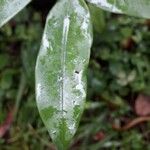
Simarouba amara
Bitterwood · Surinam quassia
Description
Source: leafsnapSimarouba amara, commonly known as the Paradise Tree or Bitterwood, is a tropical evergreen tree belonging to the family Simaroubaceae. Native to Central and South America, it can grow up to 30 meters tall. The tree features a straight trunk with smooth gray bark and large, dark green pinnate leaves. During the summer months, Simarouba amara produces small yellow flowers that bloom in clusters. Its fruit is a small drupe containing a single seed, which has been used for medicinal purposes by indigenous people for centuries. The plant is rich in various bioactive compounds, such as quassinoids, known for their anti-inflammatory, antimalarial, antitumor, and insecticidal properties. Additionally, its seeds contain high levels of oil that can be used for biodiesel production. Due to its medicinal properties and potential as an alternative source for fuel oil production, Simarouba amara has attracted the attention of researchers worldwide. They are investigating its potential benefits for human health and sustainable energy production.
Care Guide
💧 Water Every 7 days
The Paradise tree is an evergreen species well-suited to dry areas, exhibiting moderate drought tolerance. To maintain its health, it should be watered every 2 to 3 weeks to ensure it receives the necessary hydration. Consistent moisture is crucial for the tree to retain its leaves year-round.
How should I water my Paradise tree to keep it healthy?
Watering your Paradise tree is a flexible task, as it will thrive regardless of how you choose to water it. You can easily use common watering tools such as watering cans, hoses, or even cups to keep the soil moist. It's important to remember to water the soil directly, ensuring that all areas receive an equal amount of moisture to nourish the entire root system. Using filtered water is recommended to avoid harmful particles that can be present in tap water. Additionally, it's best to use water that is at or slightly above room temperature, as extremely cold or hot water may shock the Paradise tree. However, this tree generally responds well to any type of water you provide.
What do I do if I give my Paradise tree too much water or too little water?
Outdoor plants, especially newly planted ones or seedlings, are prone to not getting enough water. It's important to remember to water them sufficiently for the first few months while they are still small or new. Once the roots are established, the Paradise tree can rely on rain for most of its water needs. When you have a Paradise tree planted in pots, overwatering is more likely to happen. If you accidentally overwater your tree, you should take immediate action to address the situation. Firstly, stop watering the plant right away to minimize the impact of overwatering. Then, remove the Paradise tree from its pot to check the roots. If you find that none of the roots have been affected by root rot, you can put the tree back in its pot. However, if there are signs of root rot, trim away the affected roots and consider applying a fungicide to prevent further damage. Finally, repot the Paradise tree in soil that drains well. On the other hand, if you have underwatered your Paradise tree, it is an easy fix. When a plant is underwatered, its leaves will become droopy, dry out, and fall off. However, once you give it enough water, the leaves will bounce back quickly. So, adjust your watering frequency as soon as you notice underwatering occurring.
How frequently should I water my Paradise tree?
Most outdoor plants can grow naturally with rainfall. However, if your area lacks rainfall, here are some guidelines for watering. During the spring and fall, watering every 2 weeks should be sufficient. In the summer, more frequent watering is needed. In the winter, when plants grow slower and need less water, you can water them less frequently or not at all. If your Paradise tree is young or newly planted, it will need more frequent watering to help it establish and grow. This will ensure that it becomes more adaptable and drought tolerant as it matures. When it comes to potted plants, there are two main ways to determine watering frequency. The first is to set a predetermined schedule, such as once a week or once every other week. However, this might not always be accurate as it doesn't consider the specific conditions of your growing environment. Another approach is to base watering frequency on soil moisture. Wait until the top two to four inches of soil have completely dried out before giving more water. This method is more flexible and takes into account the specific needs of your Paradise tree. Remember that during summer, your Paradise tree will need more water than during other seasons, so adjust your watering accordingly.
How much water does my Paradise tree require?
When watering your Paradise tree, you don't always need to use a lot of water. If only a few inches of soil have dried since your last watering, giving the tree about five to ten ounces of water should support healthy growth. You can also determine the amount of water based on how dry the soil is. If more than half of the soil is dry, consider giving more water. Make sure to moisten all the layers of dry soil. If your tree is in a rainy area, it might not need extra watering. For young trees, provide 1-2 inches of rain per week. As the tree grows, it can rely solely on rainwater. If there are hot weather conditions with no rain for 2-3 weeks, give the tree a full watering to prevent stress.
How can I know if I'm giving enough water to my Paradise tree?
Overwatering is a common problem for the Paradise tree, and there are clear signs to watch out for. An overwatered Paradise tree will have yellowing leaves and may drop some leaves. This can also cause the plant's structure to shrink and lead to root rot. On the other hand, an underwatered Paradise tree will start wilting and may have brown or brittle leaves. Regardless of whether you see signs of overwatering or underwatering, it's important to take action and restore your Paradise tree's health.
☀️ Light Full sun
The paradise tree is native to open environments, such as sunny meadows and forest edges, that provide abundant light. It thrives in Full Sun but will also tolerate Partial Sun, adapting well to a range of sunlight conditions.
What are the sunlight requirements for a Paradise Tree?
The Paradise Tree, known botanically as Simarouba amara, thrives best in Full Sun conditions, which means it needs more than 6 hours of sunlight daily. However, it can also tolerate Partial Sun, receiving about 3-6 hours of sunlight each day. It's essential to observe the movement of sunlight through your garden to find the best spots that offer a balance of light and shade, ensuring the plants' well-being.
What are the essentials for growing a Paradise Tree?
Paradise Tree originates from environments that are open and sunny, like meadows and forest edges, making it ideal for areas with ample sunlight. While it prefers Full Sun, it can adapt to Partial Sun, making it versatile for various lighting conditions. For indoor plants, artificial lighting can be crucial when natural sunlight is insufficient. LED lights are recommended because they can be customized to provide specific wavelengths needed for growth. The amount of artificial light needed varies: Full Sun plants require 30-50W/sq ft, Partial Sun plants 20-30W/sq ft, and Full Shade plants 10-20W/sq ft. The correct positioning and duration of artificial light, mimicking natural daylight hours, are vital for optimal plant growth.
What are key symptoms of light deficiency in Paradise Trees?
When Paradise Trees do not receive enough light, they may show various symptoms indicating light deficiency. These symptoms include the growth of smaller new leaves, leggy or sparse growth due to long spaces between leaves or stems, faster leaf drop as a way to conserve resources, slower or halted growth, lighter-colored new leaves indicating a lack of chlorophyll, and chlorosis or leaf yellowing due to chlorophyll breakdown. Additionally, overexposure to sunlight can cause sunscald, leaf curling, wilting, and leaf scorching, with leaves showing damage such as pale, bleached areas or dry, crispy edges.
What are the solutions for light-related issues with Paradise Trees?
To combat light-related issues in Paradise Trees, a gradual increase in sunlight exposure is recommended. For indoor plants, moving them to a sunnier location week by week until they receive at least 6 hours of direct sunlight daily is advised, alongside keeping them near a south-facing window with open curtains for maximum sunlight. Artificial lighting is an alternative for large or immovable plants; keeping a lamp on for at least 8 hours a day or using professional grow lights can help. For outdoor plants, similar gradual adjustments toward sunnier spots will prevent sunburn. Reducing obstructions like pruning trees or transplanting to sunnier locations with good drainage can significantly improve sunlight access for optimal growth. It's worth noting that while parts of the plant previously affected by poor light might not recover, new growth should be healthy once light conditions improve.
🌡️ Temperature 20–37.8°C
The paradise tree comes from tropical areas, where the climate is generally warm and humid. As a result, it is adapted to high temperatures and moisture. It does not tolerate sudden temperature shifts and favors a steady temperature, so indoor temperature fluctuations should be avoided. It typically cannot endure cold and needs warmer conditions to grow. If the surrounding temperature falls too low, the plant may stop growing or even die.
What is the Paradise tree?
The Paradise tree, known botanically as Simarouba amara, is a species recognized for its significance in various contexts, although specific details about its uses, distribution, and characteristics were not provided. To learn more about the Paradise tree, including its ecological role, benefits, and care requirements, further research or consultation with botanical resources is recommended.
💨 Humidity
🪴 Soil 5-6
🌱 Fertilizer
Fertilizing is essential for Paradise tree care. Regular feeding during the growing season maintains the energy required for its showy foliage and supports overall growth. Failing to fertilize can lead to unhealthy leaves, reduced ornamental value, and stunted or weak growth that is more likely to break.
🪴 Pot & Repot
✂️ Pruning
The paradise tree is a tropical species known for its broad, glossy leaves and small, star-shaped flowers. To maintain its shape and ensure good air circulation, it's best to prune the tree in late winter. Be careful to avoid heavy cuts, as they can stress the tree. Regular pruning encourages healthy growth and abundant flowering. For detailed care instructions, refer to horticultural guidelines specific to this tree.
🌿 Propagating
🐛 Diseases & pets
☠️ Toxicity
Characteristics
- Plant Type
- Shrub
- Life Cycle
- Perennial
- Genus
- Simarouba
- Family
- Simaroubaceae
- Hardiness Zone
- 10-12
- Mature Height
- 35.05 m
- Mature Spread
- 7.62 m to 9.14 m
- Leaf Color
- Dark Green, Forest Green
- Leaf Type
- Evergreen
- Flower Color
- Yellow
- Flower Size
- 30.48 cm
- Bloom Time
- Late spring, Early summer, Mid summer
- Planting Time
- Spring, Summer, Autumn
- Harvest Time
- Late summer, Early fall, Mid fall
- Native Area
- Colombia, Honduras, Mexico, Guatemala, Bolivia, Venezuela, Peru, Guyana, Brazil, Ecuador, Costa Rica, Panama