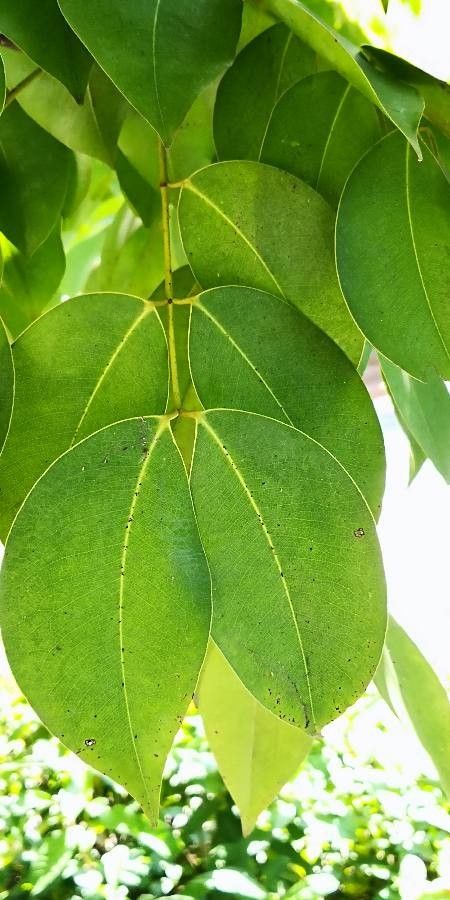
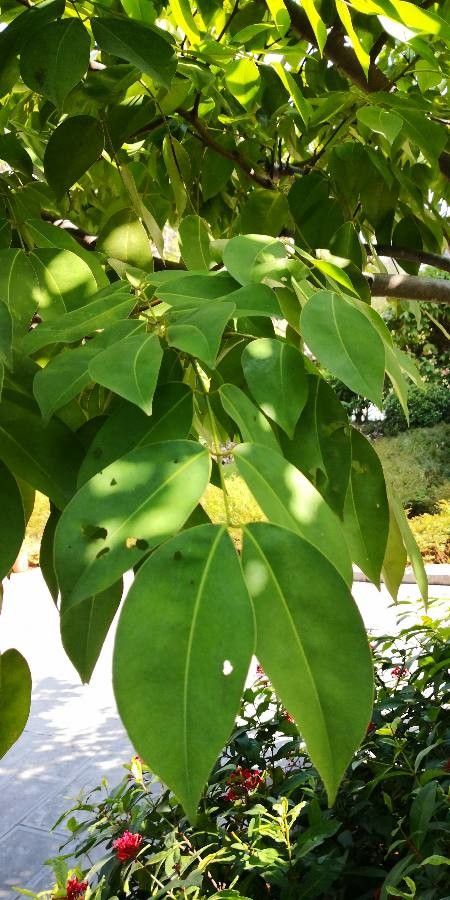
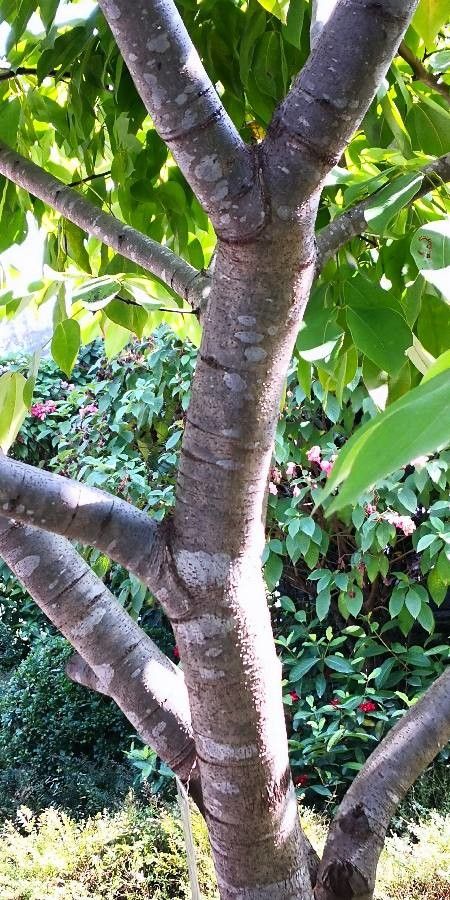
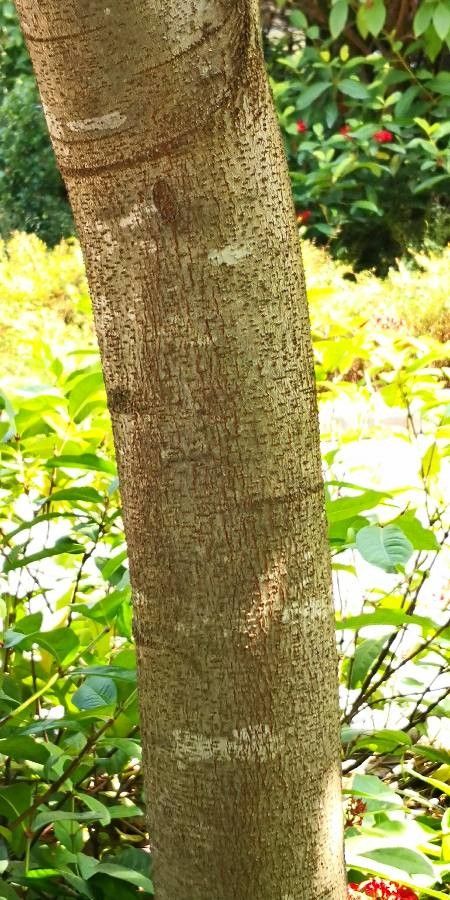
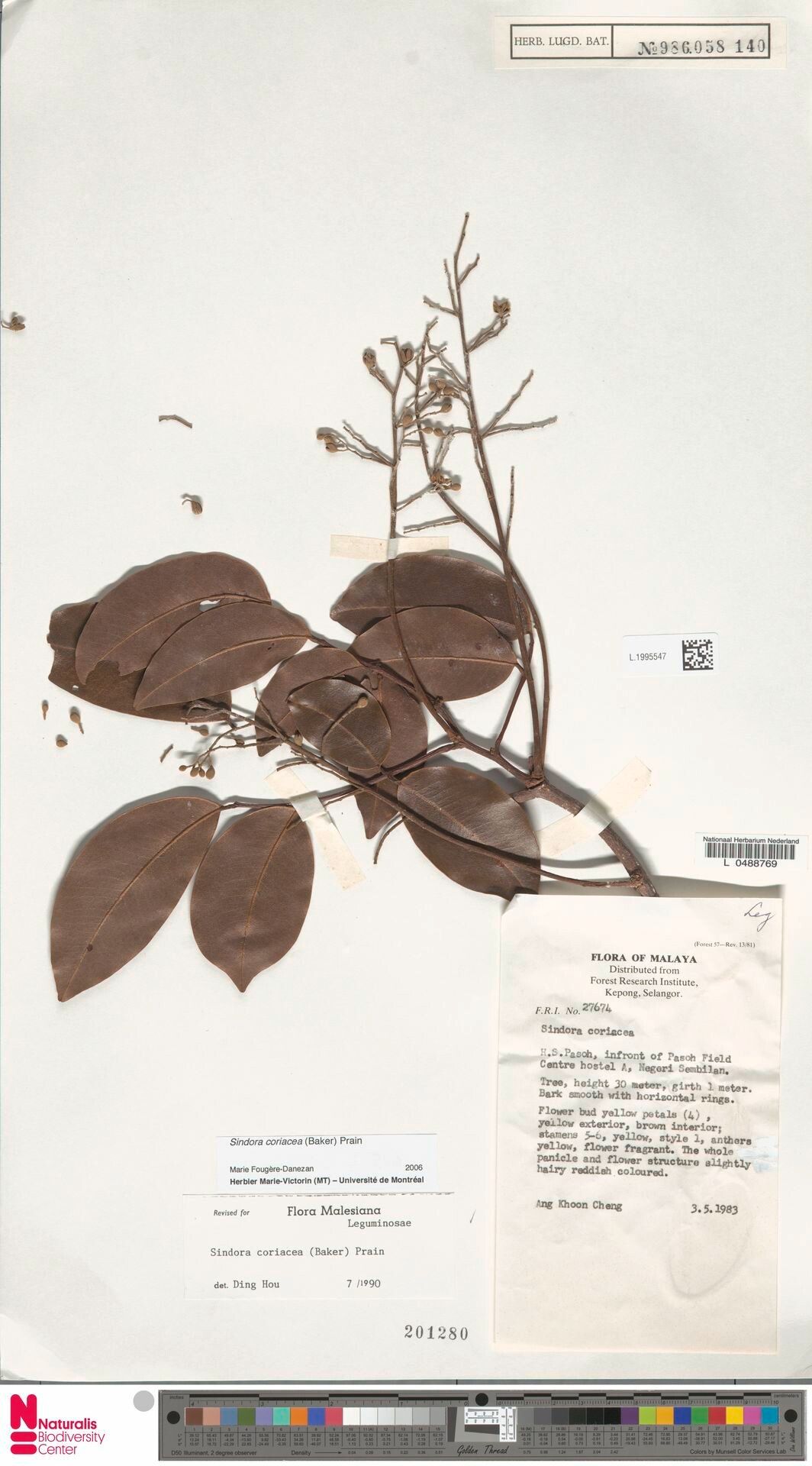
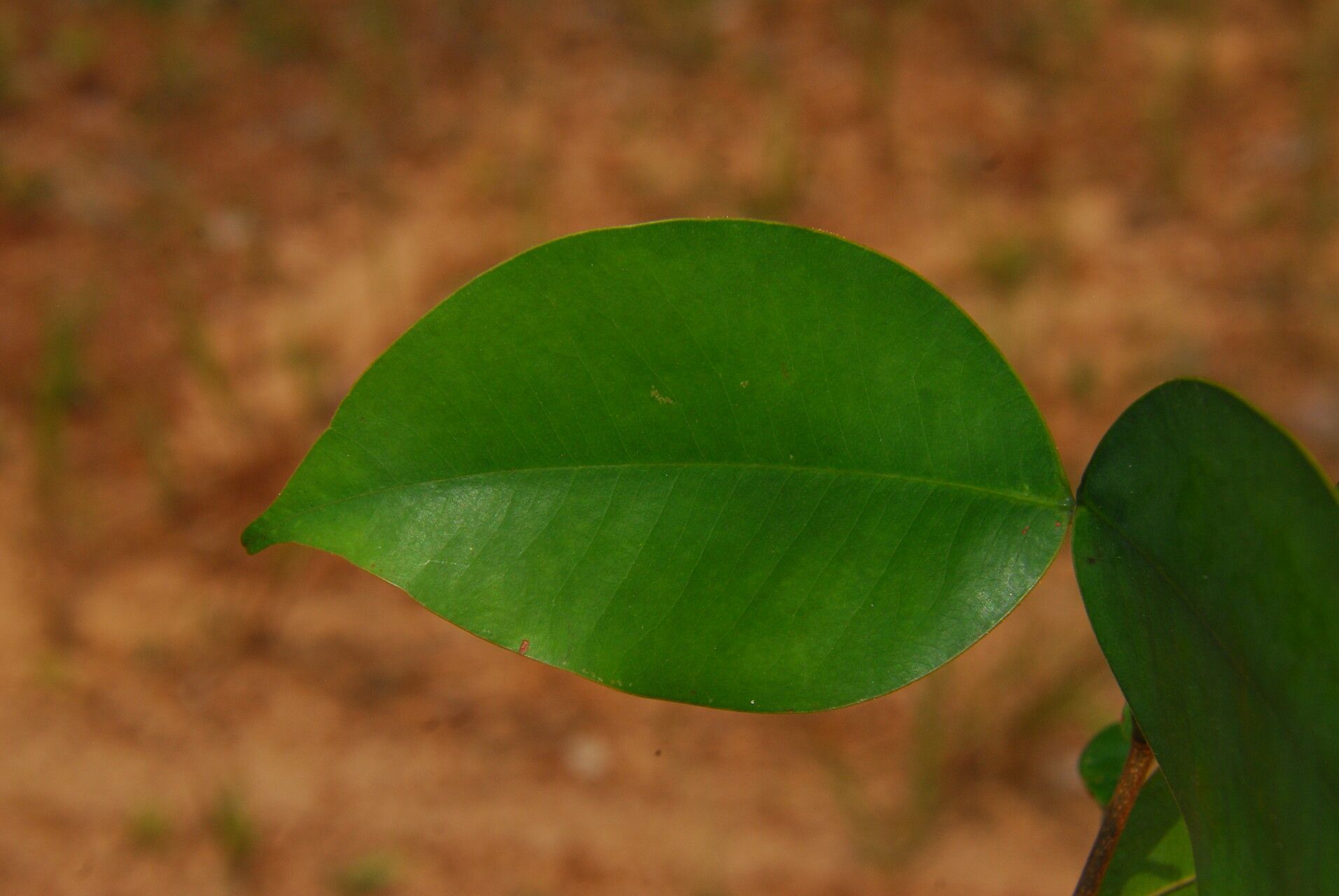
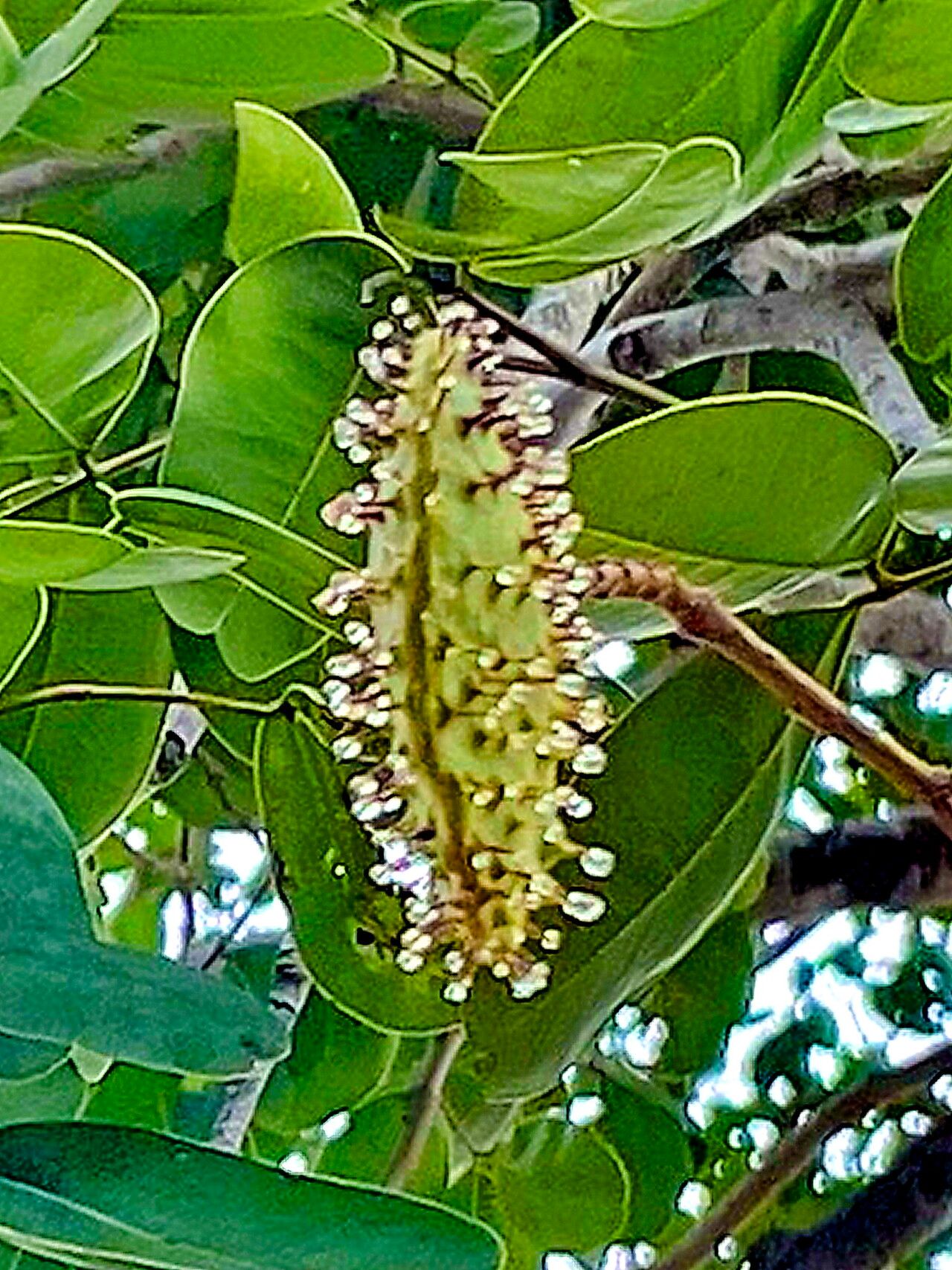
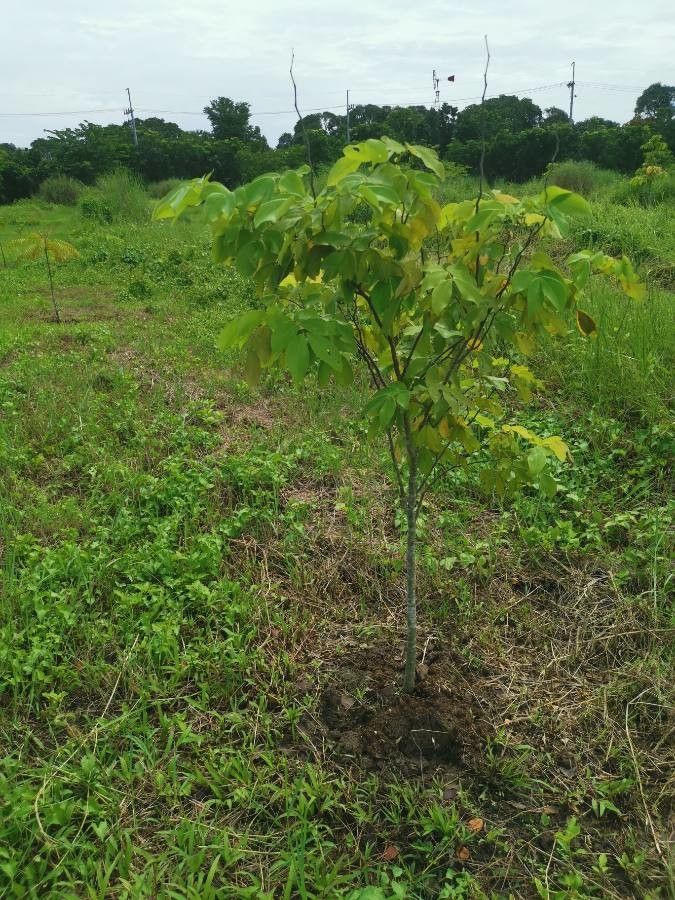
Sindora tonkinensis is a species of legume in the family Fabaceae. This up to 15 m (49 ft) tall tree is native to Cambodia and Vietnam, and it is cultivated in Guangdong in southern China.A slow-growing tree, sparsely but widely distributed in remaining areas of primary and slightly disturbed forest, Sindora tonkinensis provides high-quality wood which is highly sought after as a material for luxury furniture. It is threatened by habitat loss. IUCN Red List placed its Conservation status at DD (Data Deficient).
Die Sindora tonkinensis besitzt eine gute Resistenz gegen Krankheiten und ist generell kaum krankheitsanfällig. Was die Pflege angeht, ist diese Pflanze relativ pflegeleicht. Im Freien gepflanzt braucht sie nur wenig Bewässerung, und größere Pflanzen müssen in der Regel nicht geschnitten werden. Kleinere Pflanzen sollten jedoch nach der Blüte geschnitten werden. Die Sindora tonkinensis eignet sich für jeden mit einem Außenbereich, wie Garten oder Terrasse, und verlangt keine große Pflegeerfahrung.
How to keep Sindora Tonkinensis.
Light
Sindora tonkinensis stammt aus offenen Habitaten wie sonnigen Wiesen und Waldrändern, die viel Licht liefern. Sie gedeiht in voller Sonne, verträgt aber auch teilweisen Sonnenschein und passt sich gut an unterschiedliche Lichtverhältnisse an.
Water
Sindora tonkinensis, native to arid regions, is remarkably drought-tolerant and only needs watering every 2 to 3 weeks. It flourishes outdoors by effectively managing water through its growth cycles and taking advantage of the rainfall patterns typical of its natural habitat.
Temperature
Die Sindora tonkinensis stammt aus tropischen Gebieten, in denen das Klima meist warm und feucht ist. Deshalb ist sie an hohe Temperaturen und Luftfeuchte gut angepasst. Sie mag keine abrupten Temperaturwechsel und bevorzugt ein gleichbleibendes Temperaturmilieu, weshalb Temperaturschwankungen im Innenraum vermieden werden sollten. Normalerweise verträgt sie keine Kälte und braucht höhere Temperaturen zum Wachsen. Sinkt die Umgebungstemperatur zu stark, kann die Pflanze das Wachstum einstellen oder sogar absterben.
Fertilizer
Fertilization is essential to the care of Sindora tonkinensis. Regular feeding during the growing season helps maintain the energy required for its showy leaves and supports overall growth. Neglecting fertilization can result in unhealthy leaves, reduced ornamental value, and stunted or weak growth that is prone to breakage.
Pruning
Sindora tonkinensis is an evergreen tree appreciated for its durable wood. To maintain its health and appearance, prune it during its dormant period, which lasts from early to late winter. Remove any dead branches and thin out dense areas to improve light and air circulation. This will promote robust growth and enhance its aesthetic appeal.
Botanical profile.
- Plant Type
- Tree
- Life Cycle
- Perennial
- Genus
- Sindora
- Family
- Leguminosae
- Hardiness Zone
- 10-12
- Mature Height
- 14.94 m
- Mature Spread
- 10.06 m to 14.94 m
- Leaf Color
- Dark Green
- Leaf Type
- Evergreen
- Flower Color
- Yellow
- Flower Size
- 15.24 cm to 30.48 cm
- Bloom Time
- Early summer, Mid summer
- Planting Time
- Spring, Summer
- Harvest Time
- Late summer, Early fall, Mid fall
- Native Area
- Cambodia, Vietnam
Reader questions.
What are the sunlight requirements for Sindora tonkinensis?
Sindora tonkinensis thrives best in environments that offer full sun, requiring above 6 hours of direct sunlight daily. It can also adapt to partial sun conditions, which means about 3-6 hours of sunlight per day. This adaptability makes it suitable for various garden spots, ensuring its growth and health by selecting areas that provide an ideal balance of light and shade.
What are the essentials for growing Sindora tonkinensis?
Originating from sunny meadows and forest edges, Sindora tonkinensis is accustomed to open environments rich in sunlight. It grows optimally in full sun but can tolerate partial sun, adjusting well to different lighting conditions. When outdoor light is insufficient, especially in winter or less sunny spaces, artificial lighting can be a crucial alternative for indoor plants. Proper growth under artificial lights involves choosing the right type, setting the correct distance (12-36 inches above the plant), and determining the appropriate duration of light exposure (8-12 hours per day) to mimic natural daylight hours.
What symptoms indicate insufficient light in Sindora tonkinensis?
When Sindora tonkinensis does not receive adequate sunlight, it may exhibit symptoms such as small new leaves, leggy or sparse growth, faster leaf drop, halted new growth, lighter-colored or chlorotic new leaves, sunscald, leaf curling, wilting, and leaf scorching. These symptoms signify the plant's struggle with suboptimal lighting conditions, affecting its growth and overall health.
How can I address light deficiency in Sindora tonkinensis?
To counteract light deficiency in Sindora tonkinensis, gradually introduce your plant to more sunlight, aiming for at least 6 hours of direct exposure daily. If indoors, utilize a south-facing window or employ artificial grow lights, ensuring at least 8 hours of light daily. Outdoors, move your plants to sunnier spots progressively to avoid shock. Addressing obstacles like trees may involve pruning to enhance sunlight penetration. For smaller plants, consider transplanting during their dormant period to a location with ample sunlight and good drainage. Remember, while affected parts may not recover, new growth will be healthy with improved light exposure.