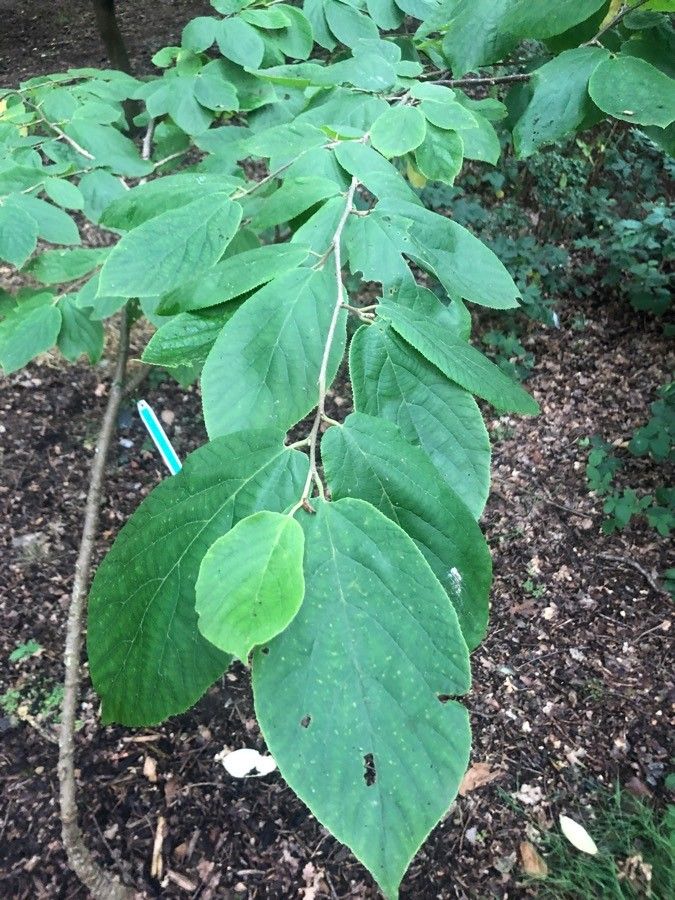
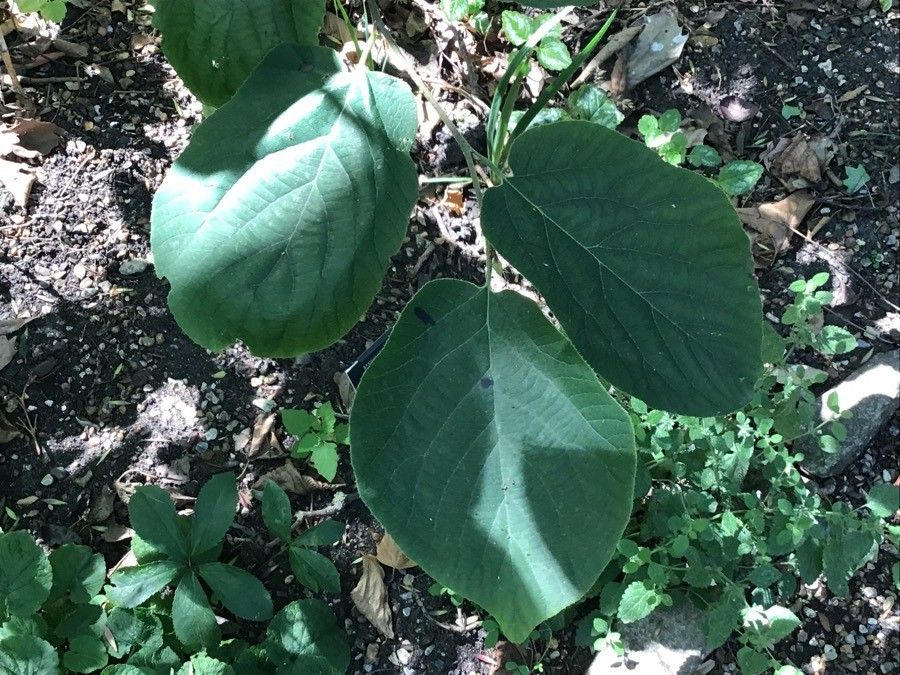
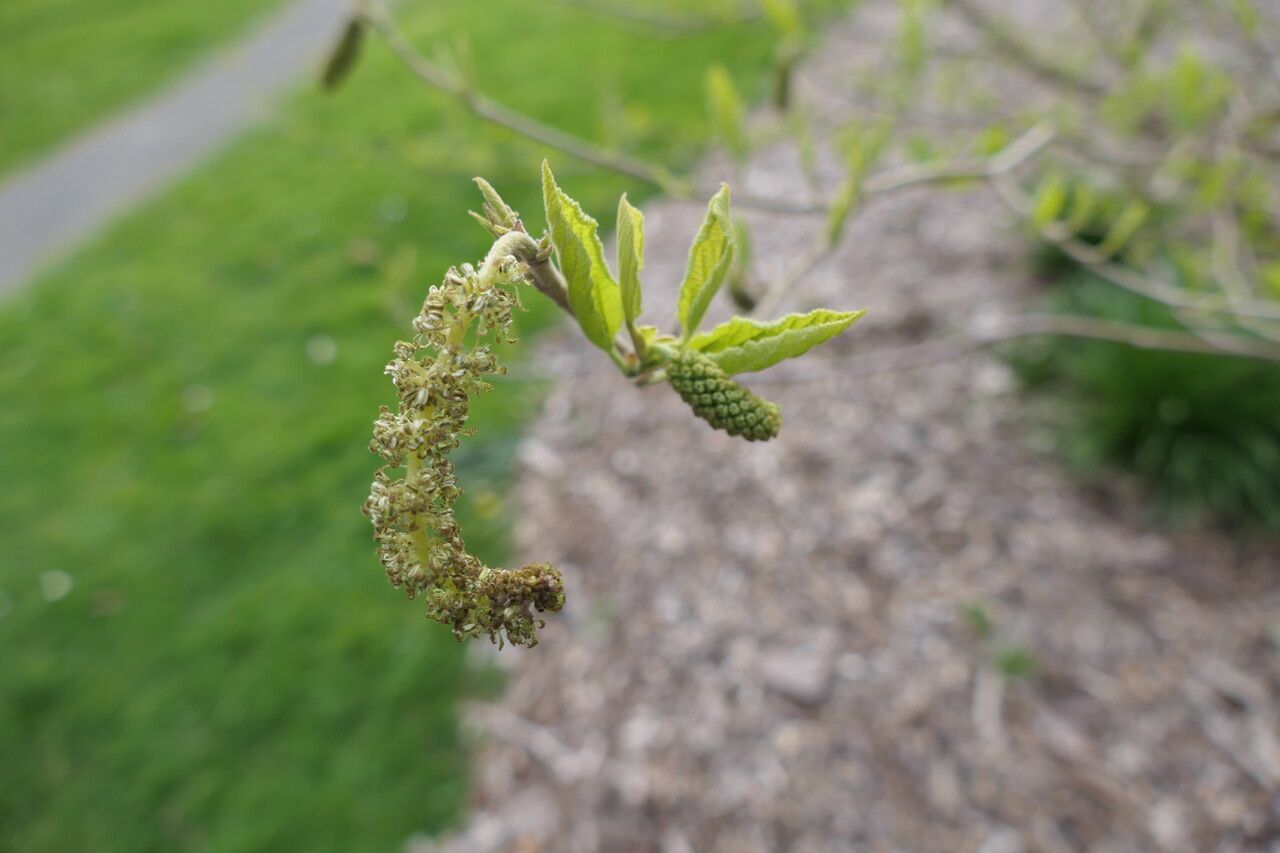
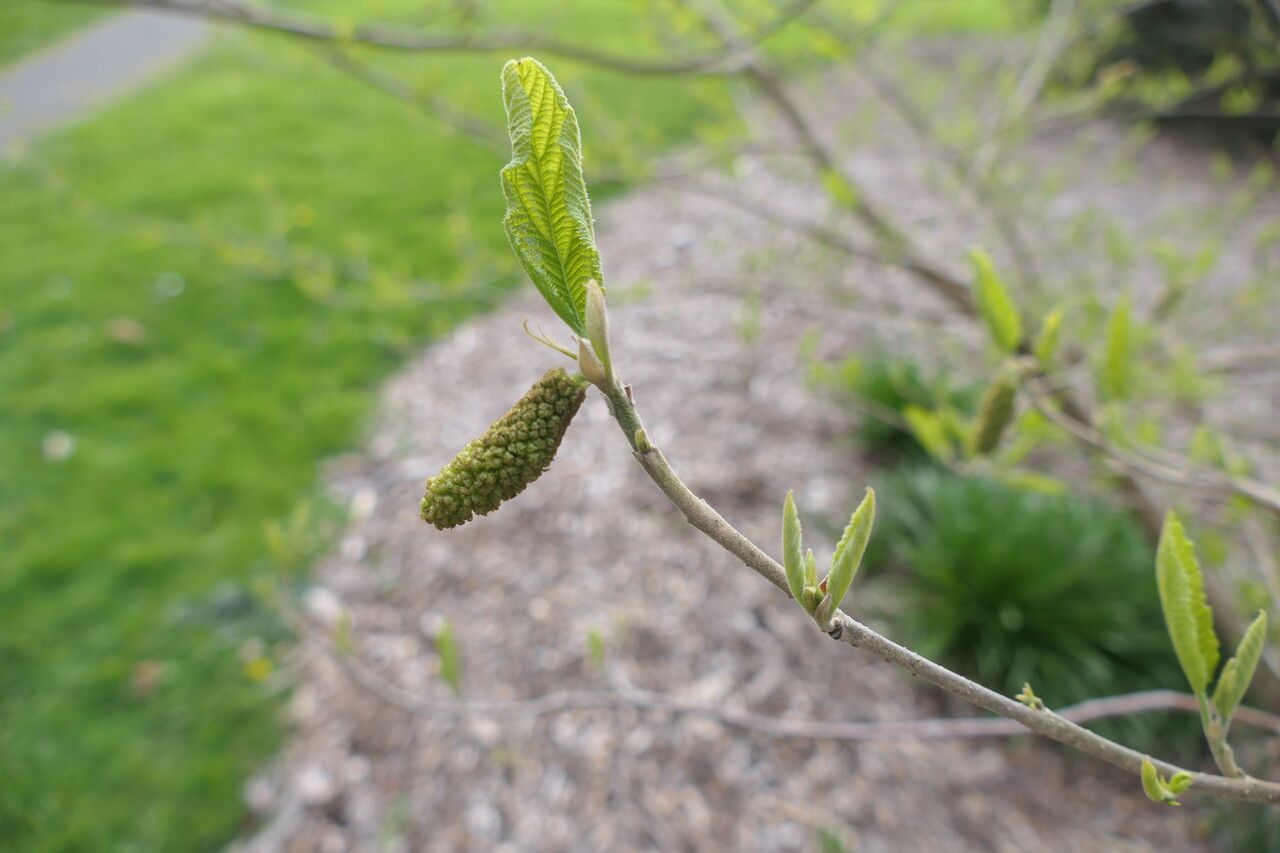
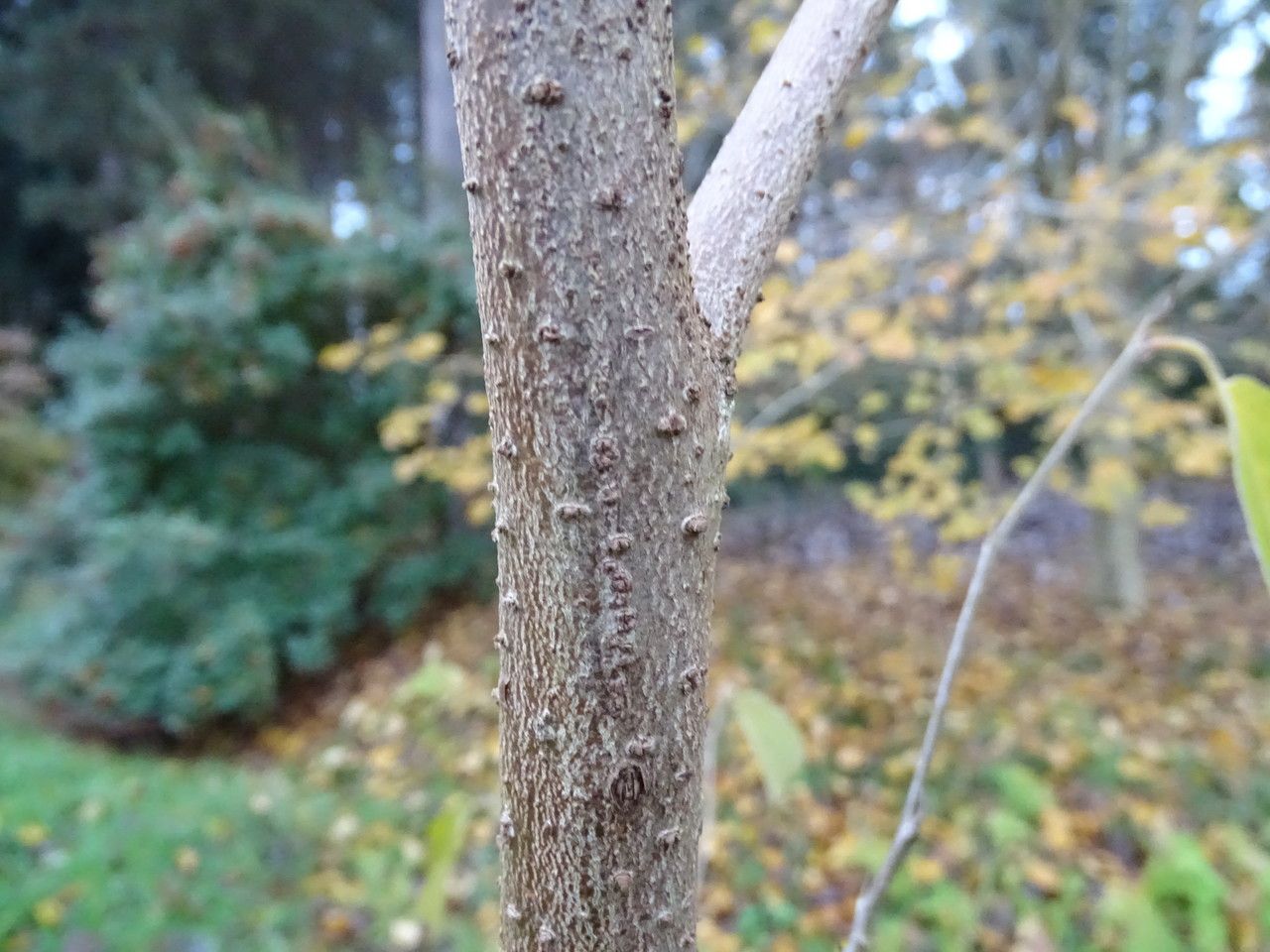
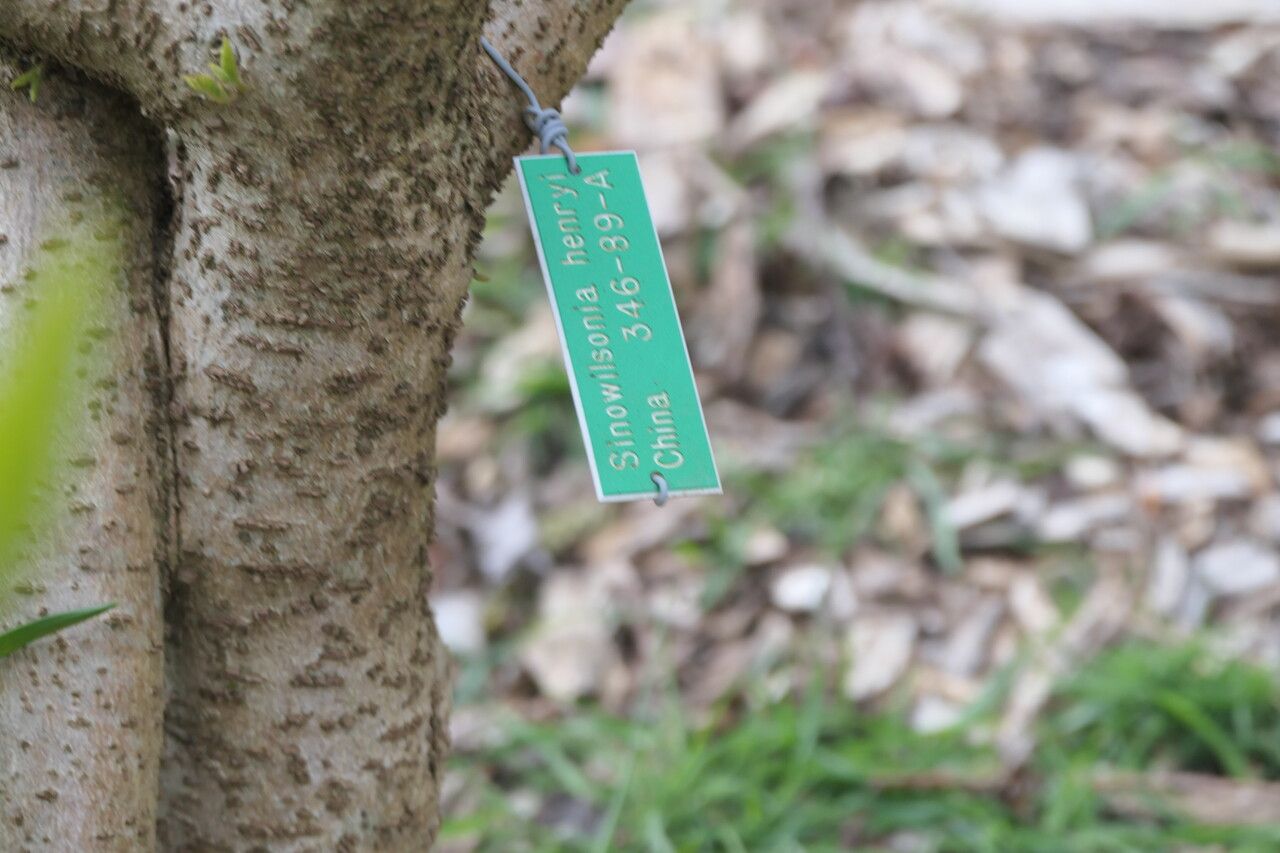
Sinowilsonia is a monotypic genus of plant containing the single species Sinowilsonia henryi. It is endemic to China. It is threatened by habitat loss. It is available from specialized commercial nurseries.
Henry's sinowilsonia is resistant to disease and is generally not susceptible to illnesses. As for care, this plant is fairly low-maintenance. When grown outdoors it needs little watering, and larger plants usually do not require pruning. Smaller plants, however, should be pruned after they have finished blooming. Henry's sinowilsoniat is suitable for anyone with outdoor space, like a garden or deck, and does not demand much care experience.
How to keep Sinowilsonia Henryi.
Light
Henry's sinowilsonia does best in locations that receive ample sunlight each day, although it tolerates dappled light. Excessive sun can scorch the leaves, while too little light can result in stunted growth. Native to areas with abundant sunshine, every stage of its development depends on sufficient light for optimal health.
Water
Henry's Sinowilsonia flourishes best in conditions similar to its natural habitat, which includes periodic moisture. While it has a high tolerance for drought, it benefits from being watered infrequently, about every three weeks, allowing the soil to dry out between waterings. During its active growing season, careful management of soil moisture is crucial for optimal leaf development, as it is a deciduous plant.
Temperature
Henry's sinowilsonia is native to areas where temperatures range from 50 to 95 °F (10 to 35 °C). The plant favors moderate warmth, preferring cooler summers and mild winters. Its surroundings should be adjusted to reflect these preferences.
Fertilizer
Fertilize your Henry's sinowilsonia in early spring to encourage healthy growth. Regular feeding improves overall health, producing vigorous growth, increased resilience to challenging conditions, and enhanced resistance to pests and diseases. Keep a specific fertilization routine for your Henry's sinowilsonia to maintain lush, vibrantly colored foliage.
Pruning
Henry's sinowilsonia is a deciduous shrub known for its broad leaves and beautiful flowers. To maintain its health and appearance, prune in early spring. Remove any dead branches, thin out crowded areas to improve air circulation, and shape the shrub for balanced growth. Ensure that your tools are clean to prevent the spread of disease. Regular pruning encourages healthier blooms and enhances the plant's overall aesthetics.
Botanical profile.
- Plant Type
- Tree, Shrub
- Life Cycle
- Perennial
- Genus
- Sinowilsonia
- Family
- Hamamelidaceae
- Hardiness Zone
- 6-9
- Mature Height
- 1.83 m to 3.05 m
- Mature Spread
- 1.22 m to 1.83 m
- Leaf Color
- Green
- Leaf Type
- Deciduous
- Flower Color
- Green, Yellow, Purple, Brown
- Flower Size
- 6.35 cm to 7.62 cm
- Bloom Time
- Early spring, Mid spring
- Planting Time
- Autumn, Summer
- Harvest Time
- Late summer, Early fall, Mid fall
- Native Area
- China
Reader questions.
What does full sun and partial sun mean for plants?
Full sun refers to plants receiving more than 6 hours of sunlight daily, while partial sun means plants get about 3-6 hours of sunlight. It's important to watch how sunlight moves through your garden to ensure you select spots that provide the ideal balance of light and shade for your plants, promoting their health and growth.
What is the indigenous environment for Henry's sinowilsonia?
Henry's sinowilsonia, also known as Sinowilsonia henryi, is native to environments with a temperature range of 50 to 95 °F (10 to 35 °C). This plant thrives in moderate warmth, favoring cooler summers and mild winters. It is adapted to these temperature conditions and care should be taken to maintain its surroundings within this preferred range. Despite its strong cold resistance, it's important to adjust care practices accordingly to these temperature preferences.
What are the essentials for growing Henry's sinowilsonia?
Henry's sinowilsonia thrives with ample daily sunlight but can cope with dappled light. It is crucial for its health and growth at each stage. Excessive light may scorch its leaves, and insufficient light could result in stunted growth. For indoor plants, artificial lighting can compensate for a lack of natural sunlight, with LED lights being a beneficial option. Full sun plants require 30-50W/sq ft, partial sun plants need 20-30W/sq ft, and full shade plants require 10-20W/sq ft of artificial light. The light source should be placed 12-36 inches above the plant, simulating natural daylight for 8-12 hours per day.
How do I protect Henry's sinowilsonia from extreme cold?
Although Henry's sinowilsonia exhibits strong cold resistance and usually does not require special frost protection measures, it's crucial to protect it if winter temperatures are expected to drop below -25°C. Protection can be achieved by wrapping the trunk and branches with non-woven fabric or cloth. It's also recommended to water the plant abundantly before the first freeze in autumn so the soil remains moist and enters a frozen state. This helps prevent drought and water scarcity for the plant during the colder months.
What are the common symptoms of light deficiency or overexposure in Henry's sinowilsonia?
Henry's sinowilsonia shows several symptoms under suboptimal lighting, such as smaller leaves, leggy growth, premature leaf drop, stunted or ceased growth, lighter-colored or yellow leaves (chlorosis), and damage from excessive sunlight like sunscald, leaf curling, wilting, and leaf scorching. These symptoms indicate either a light deficiency or overexposure, affecting the plant's health.
What are the symptoms of low temperature damage in Henry's sinowilsonia?
Henry's sinowilsonia is cold-tolerant and fares best when temperatures remain above 10°C. In winter, it should ideally be kept above -15°C. When temperatures fall below -25°C, you might not notice any immediate changes during winter, but come spring, the branches may become brittle and dry, and no new shoots will emerge. To combat this, in spring, prune away any dead branches that have failed to produce new leaves to encourage new growth and health.
How can I improve the lighting conditions for Henry's sinowilsonia?
To improve lighting conditions for Henry's sinowilsonia, gradually increase sunlight exposure to at least 6 hours daily by moving the plant closer to a south-facing window or by using artificial light sources for indoor plants. For outdoor plants, ensure a gradual transition to sunnier spots to prevent sunburn. Trimming obstructions like tree branches can also help increase sunlight access. If dealing with smaller plants, consider transplanting them during their dormant period to a location with better sunlight and drainage. Note that while parts of the plant damaged by insufficient sunlight may not recover, new growth should be healthy with improved light conditions.
How should I care for Henry's sinowilsonia in high temperatures?
During the summer months, it's essential to ensure that the temperature around Henry's sinowilsonia doesn't exceed 35°C. If temperatures rise above 38°C, the leaves may begin to lighten in color, and their tips can become dry and withered, making the plant more prone to sunburn. To alleviate these symptoms, trim away the sunburned and dried-up parts. Move the plant to a location that offers shade during the midday and afternoon sun, or utilize a shade cloth to protect it. Additionally, watering the plant in the morning and evening will help keep the soil moist and support the plant during high temperatures.