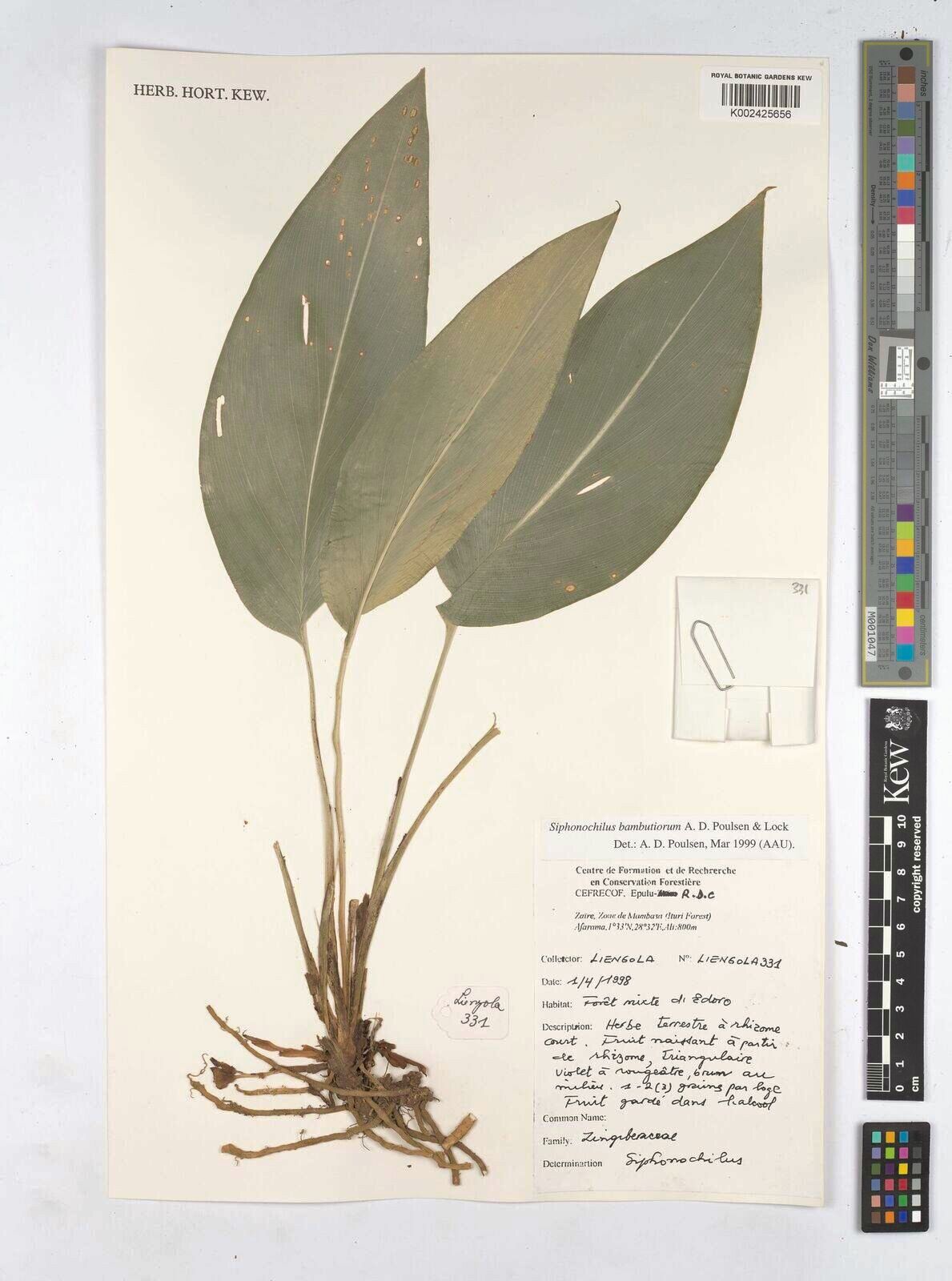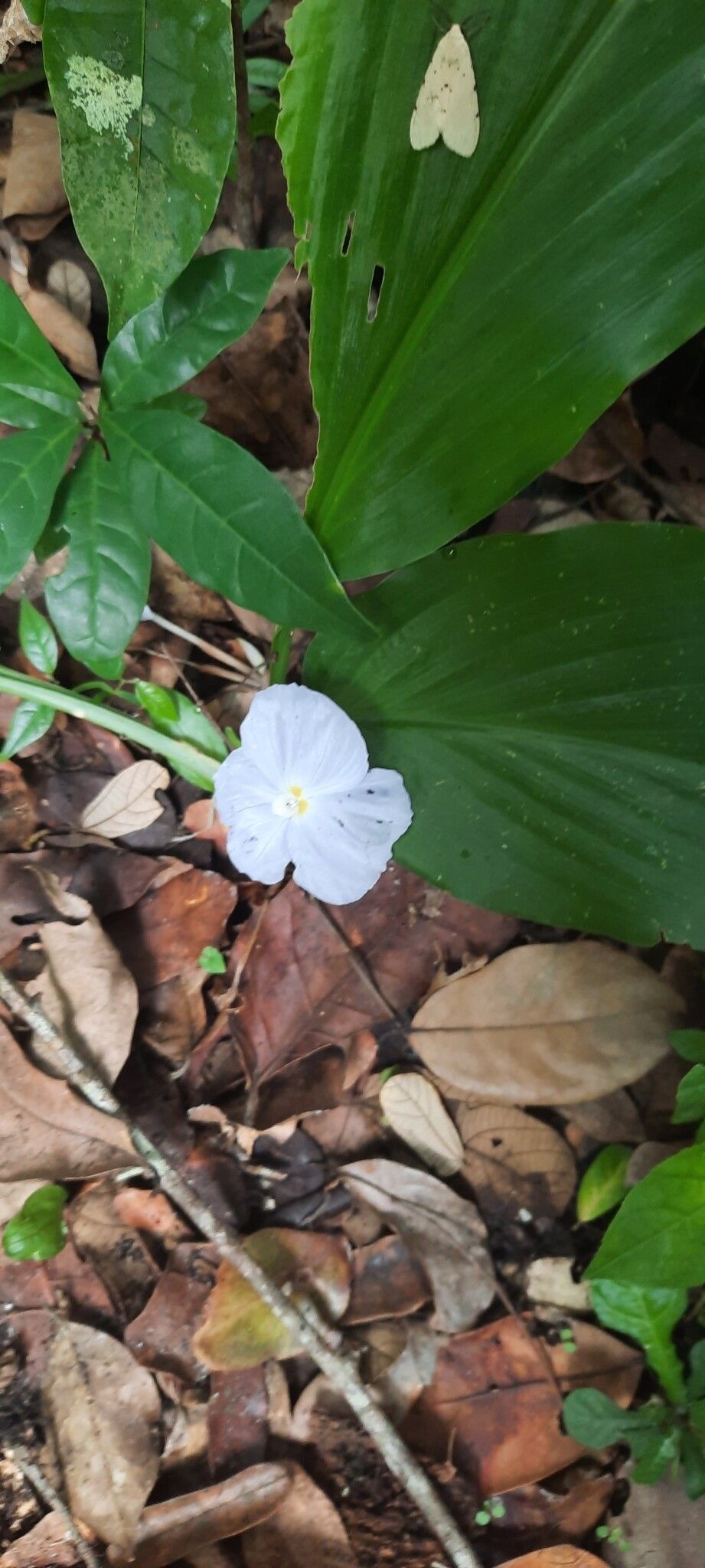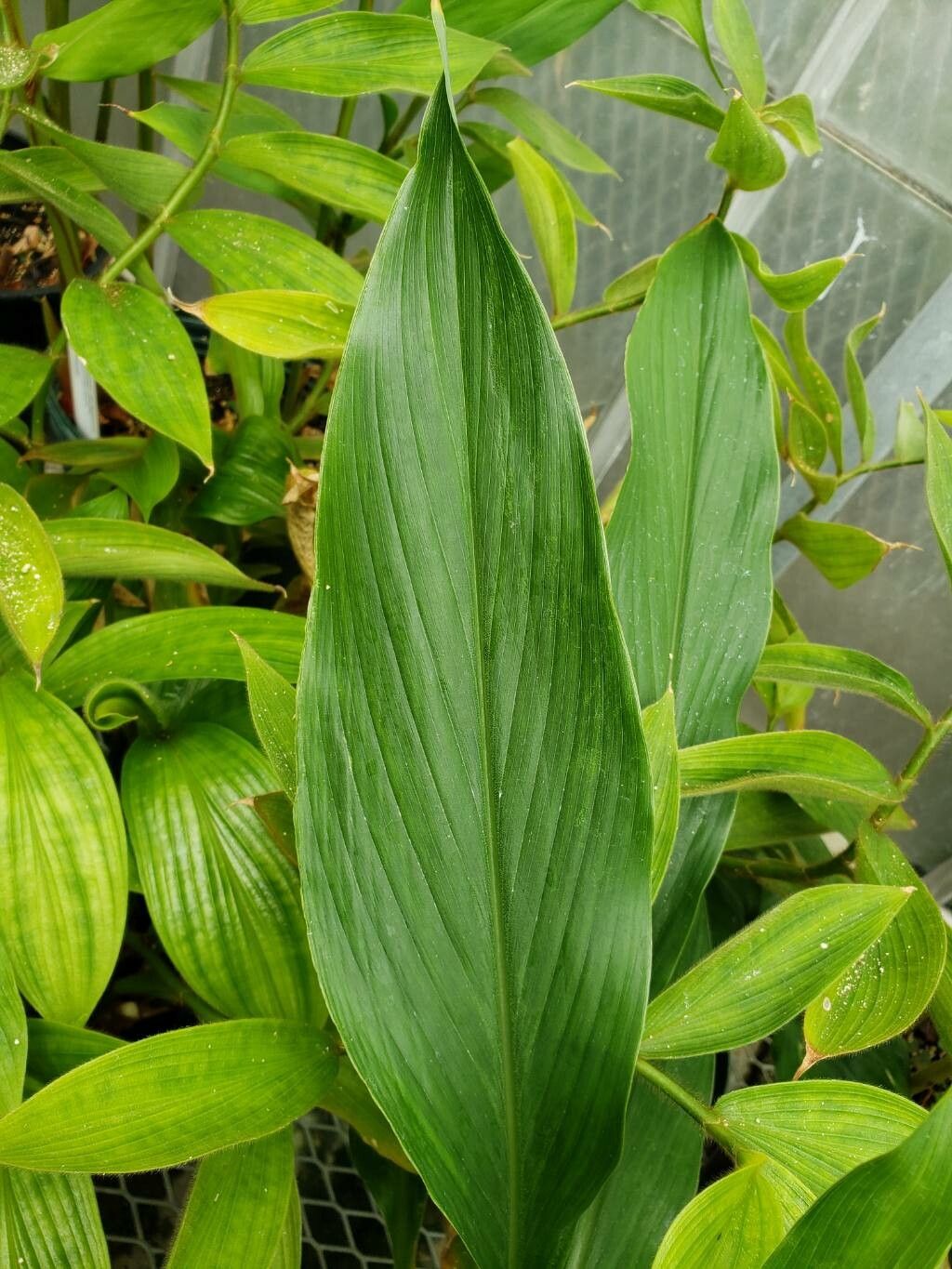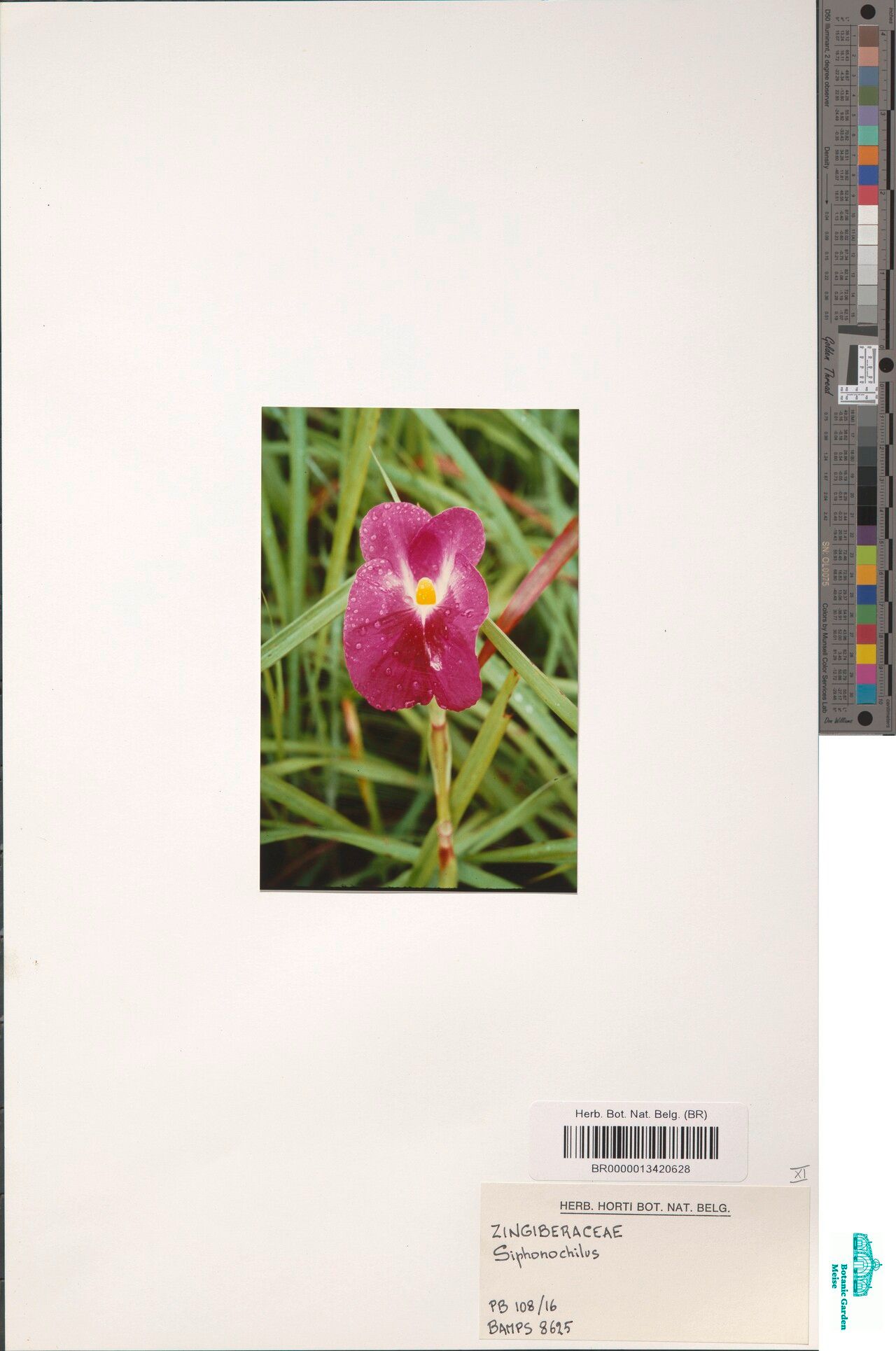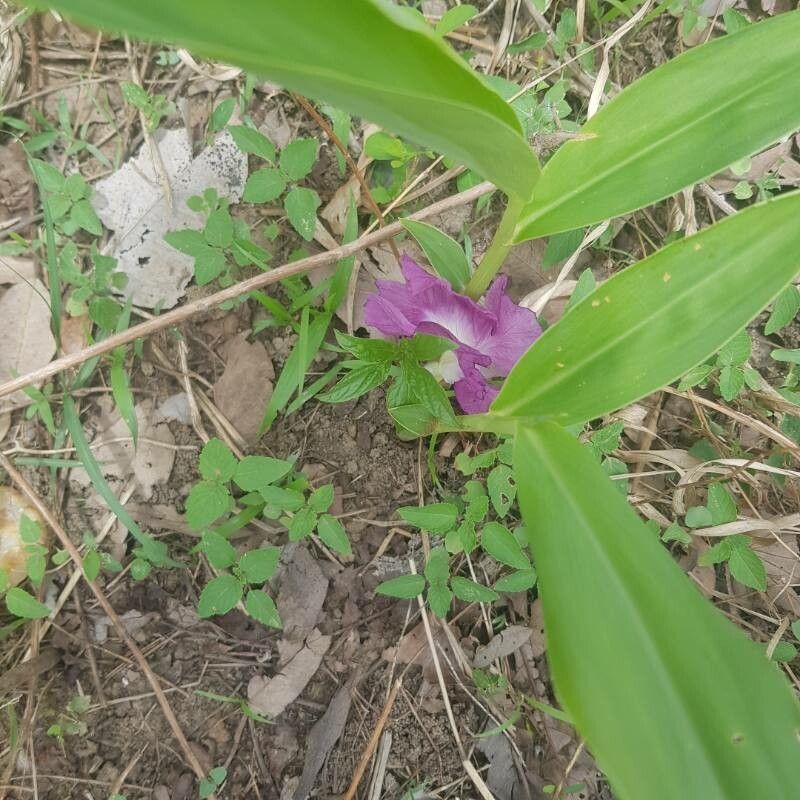
Siphonochilus aethiopicus, commonly known as African ginger, is a species of flowering plant in the ginger family, Zingiberaceae. It is used in traditional medicine in sub-Saharan Africa, and is critically endangered due to over-harvesting.
Wild ginger is fairly resistant to disease and usually not prone to illnesses. Nevertheless, it can be affected by pests and diseases present in its environment. Such infections tend to be mild. Regarding care, this plant needs moderate maintenance. It should be pruned regularly to preserve a neat appearance and support healthy growth. Fertilizing can also encourage flowering. Wild ginger works well for anyone with outdoor space, like a garden or patio, and does not demand extensive care experience. It may need more attention when grown indoors.
How to keep Siphonochilus Aethiopicus.
Light
Wild ginger naturally occurs in habitats like forest understories and rocky sites, where it grows in natural shade. It prefers partial sun but can adjust to either full sun or full shade, showing its hardy, versatile nature.
Temperature
Wild ginger is fairly adaptable to heat, tolerating higher temperatures and wide temperature fluctuations. In hot weather, attention should be given to watering and providing adequate shade to prevent sunburn. However, wild ginger tolerates low temperatures poorly. While it can handle some cold, very low temperatures can cause frost damage.
Fertilizer
The best time to fertilize Wild ginger is in early spring, when it is coming out of dormancy and starting active growth. Fertilization supplies essential nutrients needed for healthy growth. While Wild ginger has relatively low fertilizer requirements, applying fertilizer annually can improve its survival and encourage better, longer-lasting flowers.
Pruning
Wild ginger flourishes with regular and careful pruning, best done in early spring to encourage growth. Remove dead leaves to improve air circulation and promote better plant health. Cutting back spent flower stems encourages the development of new blooms. Always use clean, sharp tools to prevent infections and keep the plant looking its best.
Botanical profile.
- Plant Type
- Herb
- Life Cycle
- Perennial
- Genus
- Siphonochilus
- Family
- Zingiberaceae
- Hardiness Zone
- 9-11
- Mature Height
- 61 cm to 91 cm
- Mature Spread
- 30 cm to 46 cm
- Leaf Color
- Green, Dark Green
- Leaf Type
- Deciduous
- Flower Color
- Pink
- Flower Size
- 3.05 cm to 5.08 cm
- Bloom Time
- Late summer, Early fall, Mid fall
- Planting Time
- Spring, Summer
- Harvest Time
- Mid fall, Late fall, Early winter
- Native Area
- Burkina Faso, Malawi, South Africa, Zambia, Sudan, Nigeria, Guinea, Guinea-Bissau, Kenya, Uganda, Tanzania, Zimbabwe, Mali, Benin, Chad, Sierra Leone, Cameroon, Liberia, Mozambique, Togo, Ghana, Senegal, Ethiopia, Eswatini, Côte d'Ivoire, Gambia, Congo (DRC), Central African Republic