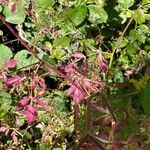
Sison amomum
Stone Parsley · Bastard Stone-parsley · Breakstone
Description
Source: wikipedia (CC BY-SA)Sison amomum is one of several species of plant in the genus of Sison, its common name is stone parsley and it is native to Western and Southern Europe, North Africa and Turkey. The species and genus are flowering plants in the family Apiaceae, both of which were first described by Carl Linnaeus, in his book Species Plantarum, originally published in 1753. The plant has many synonyms, having also subsequently been described by other botanists, after Linnaeus, including Jean-Baptiste Lamarck, Richard Anthony Salisbury, Conrad Moench, Emanuel Mendes da Costa, and Albert Thellung among others.
Care Guide
💧 Water
Stone parsley flourishes in well-drained soil and prefers a humid environment, benefiting from consistent rainfall. To maintain its health, it requires balanced watering, ideally on a weekly basis. As an herbaceous perennial, stone parsley grows during the warmer months and needs increased watering during this time to support its growth.
How should I water my Stone parsley?
To properly water the Stone parsley, follow these steps for optimal growth. First, use filtered water that is at room temperature or slightly warmer. Tap water may contain harmful particles, so filtered water is best. The Stone parsley is accustomed to a warm environment, so cold water can be stressful for it. Next, avoid overhead watering as it can lead to problems with the foliage. Instead, carefully pour the filtered room temperature water onto the soil until it is completely soaked. This helps moisten the roots and supports their spread through the soil, enabling the plant to absorb the necessary nutrients.
What should I do if I give my Stone parsley too much or too little water?
Overwatering and underwatering can both harm your Stone parsley plant, but overwatering is a more common problem. Excessive watering can cause the stems and leaves to wilt and turn yellow. It can also lead to diseases like root rot, mold, and mildew, which can be fatal for your plant. Stone parsley is less likely to be underwatered because it can tolerate dry conditions. However, if it does happen, the leaves may become brittle and brown. It's important to recognize the signs of overwatering early on. Some diseases caused by overwatering, like root rot, may not be fixable if left unattended for too long. If you see these early signs, reduce your watering immediately and check the soil quality. If the soil drains poorly, replace it with a loose, well-draining potting mix. On the other hand, if your Stone parsley shows signs of being underwatered, simply water more regularly until the signs improve.
How often should I give water to my Stone parsley?
If your Stone parsley plant is in a pot, the most precise way to determine if it needs water is by checking the moisture level of the soil. Simply stick your finger into the soil and if the first two to three inches feel dry, it's time to water. The same method can be used if you grow your Stone parsley outdoors in the ground. Once the top few inches of soil have dried out, it's time to add water. Typically, during spring and early fall, you'll need to water this plant about once a week. However, in very hot weather, watering may need to be increased to twice a week or more. It's important to note that mature, well-established Stone parsley plants have a strong ability to withstand drought.
How much water does my Stone parsley plant need?
To ensure your Stone parsley is properly hydrated, you should be generous with the amount of water you give. Check the first two to three inches of soil and if it's dry, it's time to water. Give the plant a thorough watering by soaking the soil completely. Make sure to add enough water so that excess water flows out of the drainage holes at the bottom of the pot. If you don't see any excess water coming out, it means you haven't watered enough. However, be careful not to let water accumulate in the soil as it can harm the plant. On the other hand, if water doesn't drain properly from the pot, it could mean that the soil doesn't have good drainage, which is not beneficial for the plant's health. If the plant is outdoors, 1 inch of rain per week should be enough.
How should I water my Stone parsley as it grows at different stages?
The water needs of Stone parsley can vary depending on its growth stages. In the first few years or after transplanting, you'll need to water more than usual. During these stages, the plant puts energy into developing new roots for future growth, so they require more moisture. As the plant matures, it will require less water. Another stage that may need additional watering is during the bloom period when the flower development requires more moisture.
☀️ Light Partial sun
Stone parsley comes from habitats with dappled sunlight, like forest understories or rocky spots that offer natural shade. It does well in partial sun but can also adapt to full sun conditions.
🌡️ Temperature 10–35°C
Stone parsley can tolerate a wide range of temperatures, but its distribution can still be restricted by particular combinations of moisture and heat. It performs best in warm summer conditions with adequate rainfall or watering. Extended periods of cloudy, rainy weather or prolonged high temperatures increase the risk of Stone parsley dying. In winter, appropriate protection from cold can boost the plant's survival.
💨 Humidity
🪴 Soil 6-7
🌱 Fertilizer
Stone parsley are regarded as heavy feeders in terms of nutrients. They need frequent, low-dose applications of nitrogen and potassium fertilizers, plus periodic additions of phosphorus, micronutrients, sulfur, and magnesium to sustain good growth and bright coloration. Continuous fertilization during the growing season is required to prevent deficiency symptoms and maintain optimal growth.
🪴 Pot & Repot
✂️ Pruning
Stone parsley features delicate leaves and white flower clusters. To maintain its health and appearance, prune it in early spring by removing dead stems and cutting back older growth to encourage vigorous new growth. Light, regular trimming helps improve air circulation, reduces the risk of disease, and supports healthy foliage, so heavy pruning is generally not needed.
🌿 Propagating
🐛 Diseases & pets
☠️ Toxicity
Characteristics
- Plant Type
- Herb
- Life Cycle
- Biennial
- Genus
- Sison
- Family
- Apiaceae
- Hardiness Zone
- 6-9
- Mature Height
- 49 cm to 91 cm
- Mature Spread
- 30 cm to 61 cm
- Leaf Color
- Green, Dark Green
- Leaf Type
- Semi-evergreen
- Flower Color
- White
- Flower Size
- 0.20 cm to 0.25 cm
- Bloom Time
- Early summer, Mid summer
- Planting Time
- Spring, Summer
- Harvest Time
- Late summer, Early fall
- Native Area
- Russia, Turkey, Italy, Spain, Switzerland, Romania, Bulgaria, Albania, United Kingdom, Greece, Croatia, Algeria, France