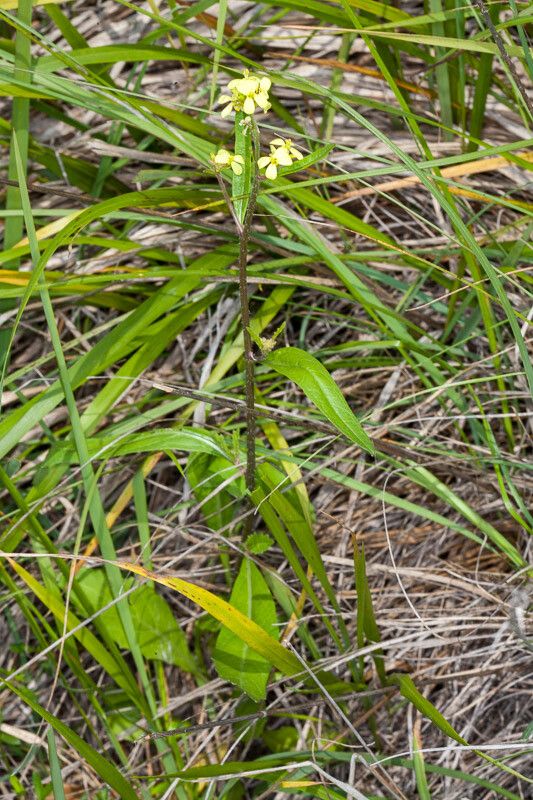
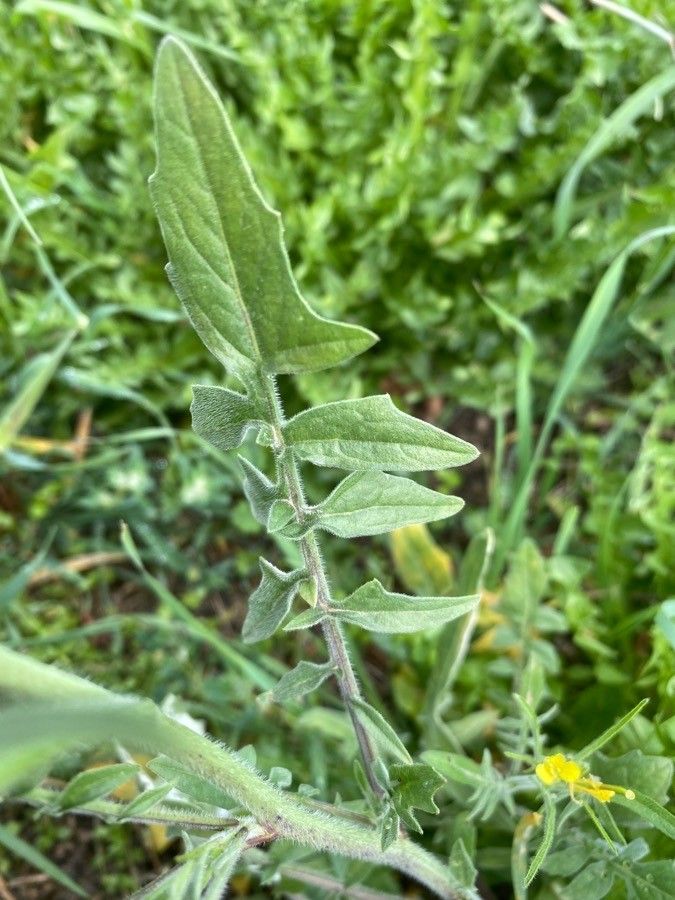
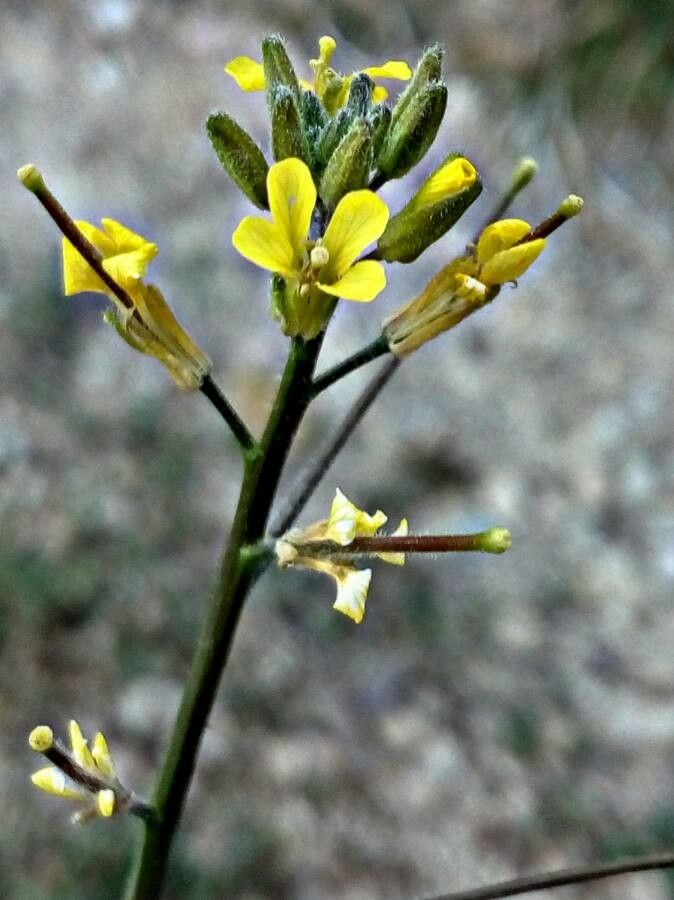
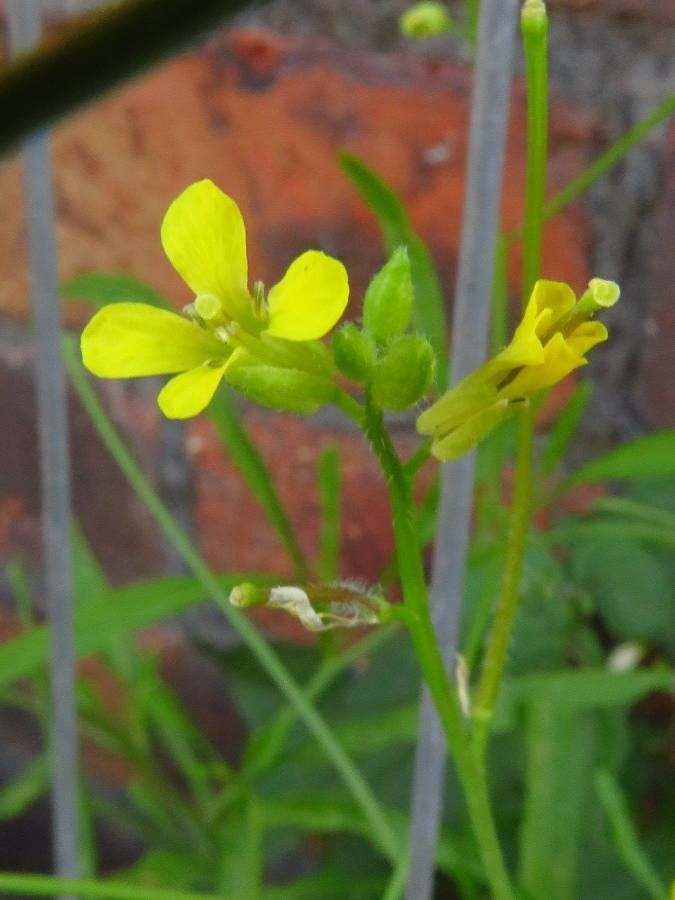
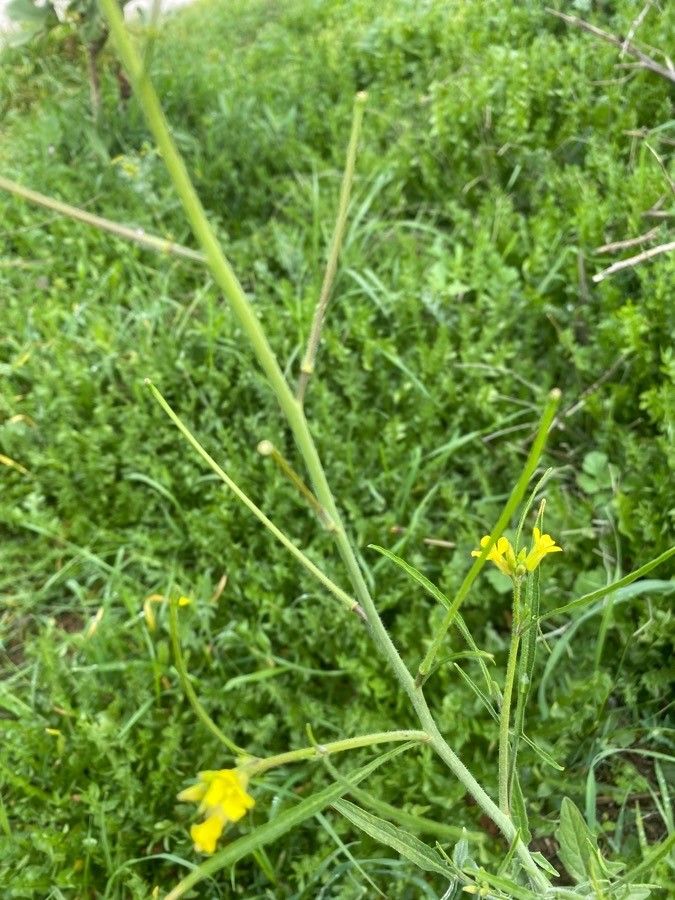
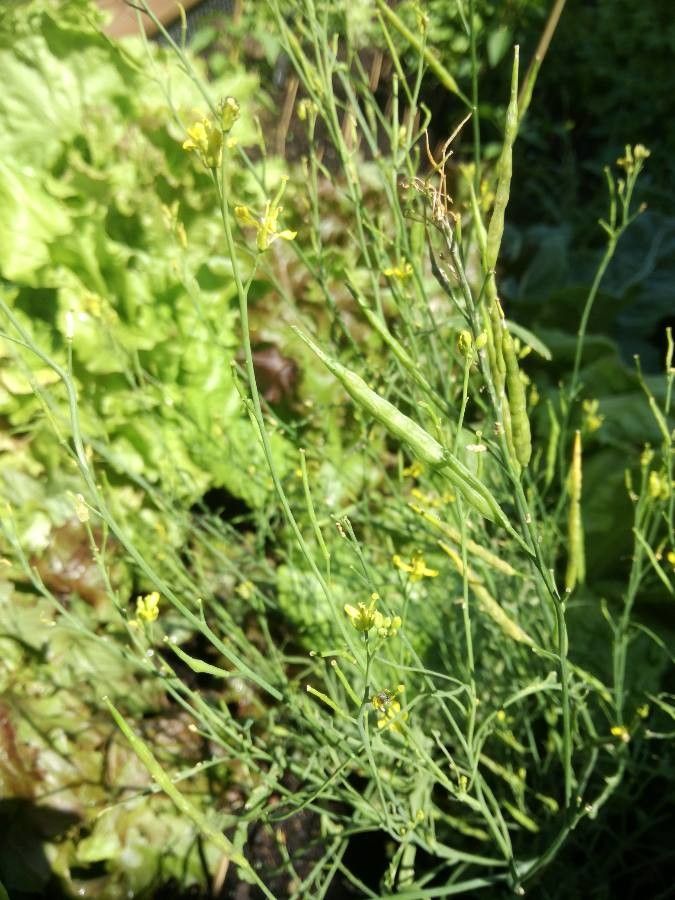
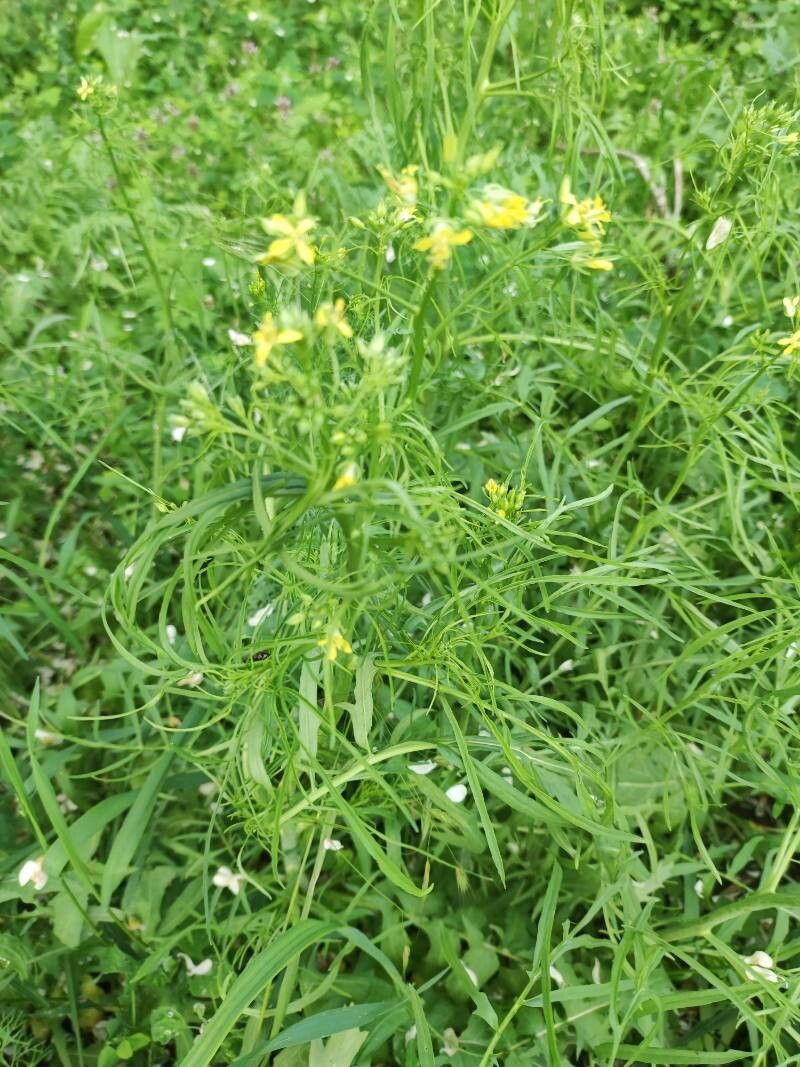
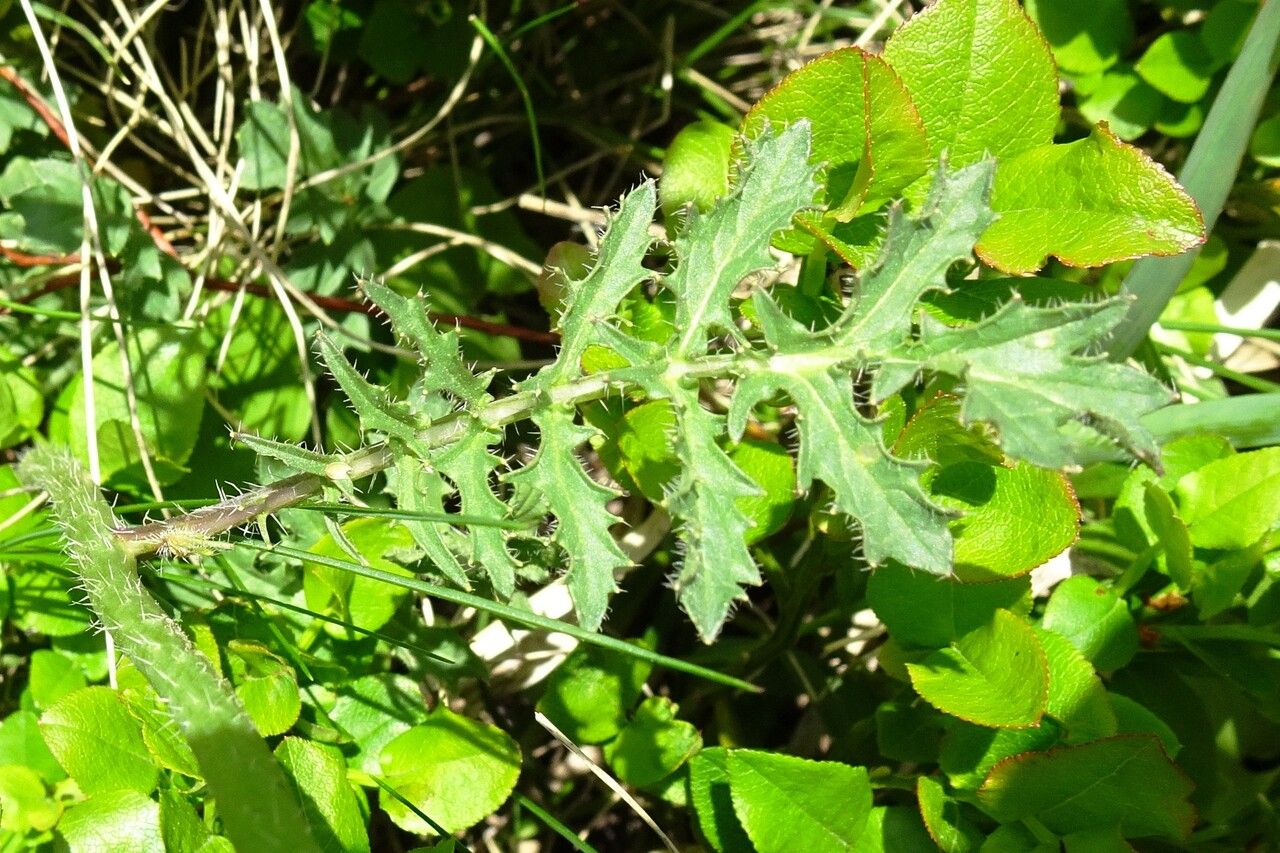
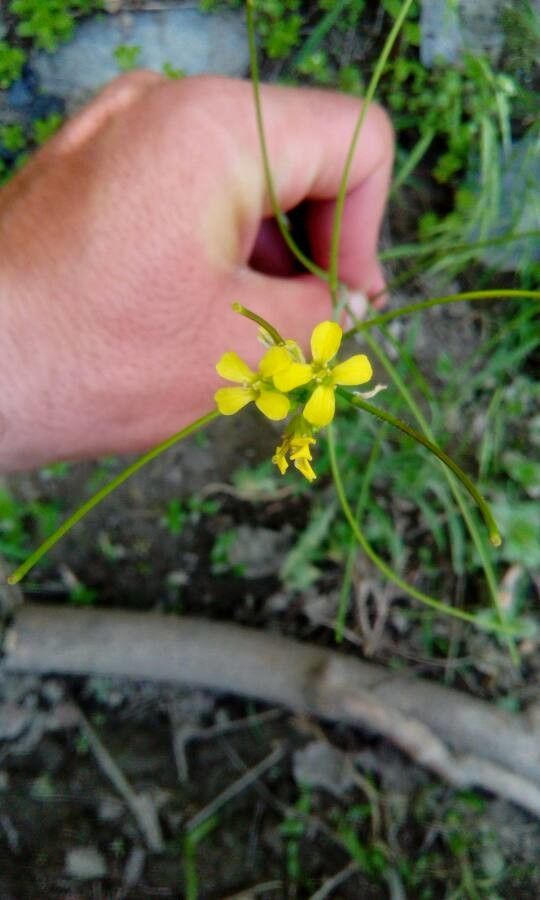
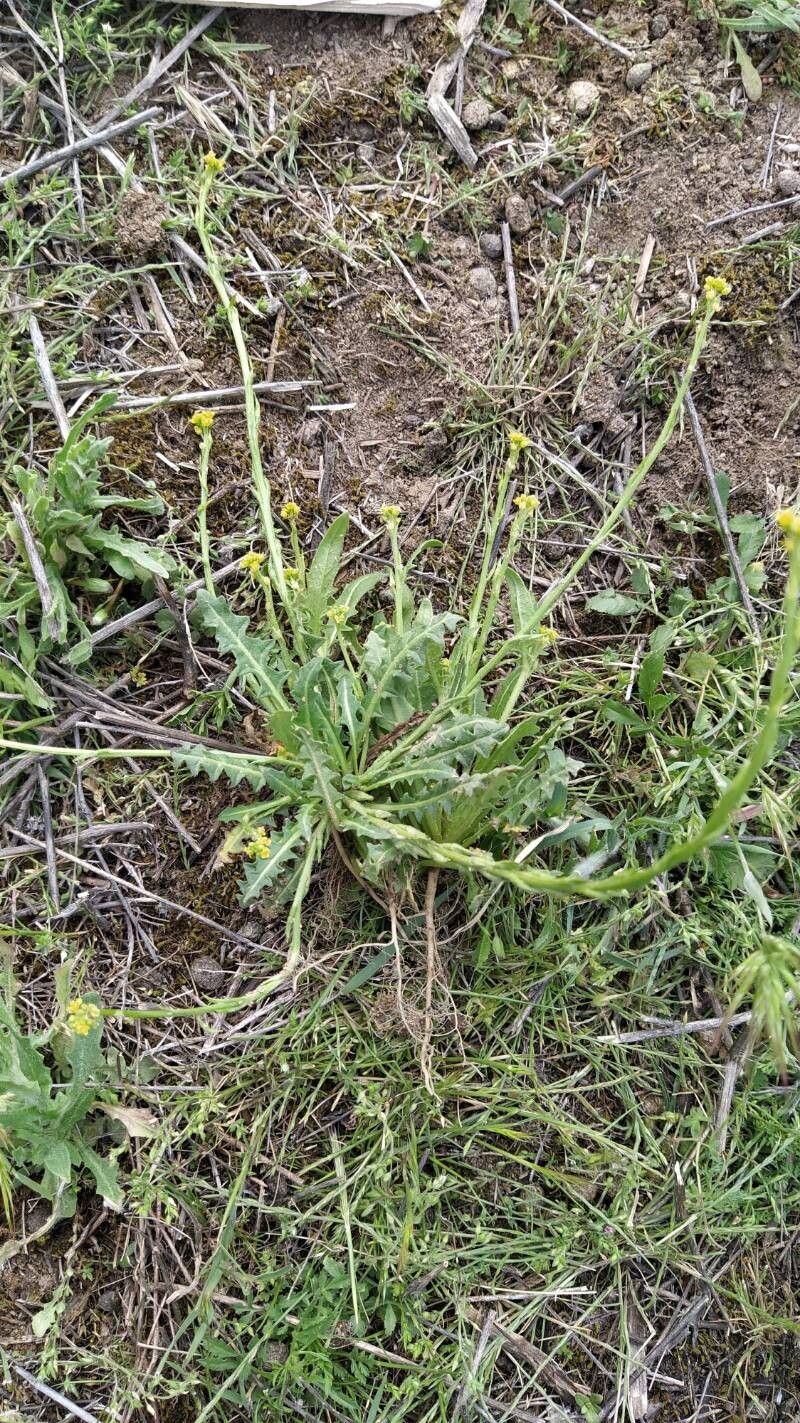
Sisymbrium orientale, commonly known as Oriental mustard, is a flowering plant in the Brassicaceae family. It is native to Asia and Europe and has been introduced to other parts of the world as an ornamental plant. The plant can grow up to 60 cm tall and features slender stems with small yellow flowers that bloom in clusters. Its leaves are pinnately lobed with toothed edges, giving them a feathery appearance.
Oriental mustard thrives in well-drained soils in full sun or partial shade and can tolerate drought conditions once established. It is commonly found in disturbed areas such as roadsides, fields, and waste places.
The seeds of Sisymbrium orientale are edible and have been used for centuries in traditional medicine for their anti-inflammatory properties. They are also used as a spice or condiment in some cuisines.
Overall, Sisymbrium orientale is an attractive ornamental plant that can thrive in various growing conditions while also offering medicinal benefits through its seeds.
Eastern rocket has strong resistance to disease and is generally not likely to suffer from illnesses. Still, it can be affected by pests and diseases found in its surroundings. These infections tend to be mild. Care-wise, the plant needs a moderate amount of attention. It should be pruned regularly to preserve a neat appearance and promote healthy growth. Fertilizing can also encourage flowering. Eastern rocket is well suited to anyone with outdoor space, such as a garden or patio, and does not demand extensive gardening experience. It may need more care if kept indoors.
How to keep Sisymbrium Orientale.
Light
Eastern rocket performs best in locations with ample, steady sunlight. It can also cope in places where light isn't available all day. Both too much and too little light can hinder its growth, reflecting the natural light conditions of its place of origin.
Water
Eastern rocket, native to temperate regions, thrives with a moderate watering schedule that maintains consistent moisture levels without overwatering. Watering the plant weekly will keep it healthy. Its resilience to different rainfall patterns makes eastern rocket well-suited for diverse climates, making it an excellent choice for outdoor gardens.
Temperature
Eastern rocket is native to areas with a moderate to warm climate and prefers a temperature range of 68 to 95 °F (20 to 35 ℃). During colder seasons, consider supplying supplemental heat to maintain optimal growth.
Fertilizer
Eastern rocket does well with regular, dilute fertilizer applications to encourage healthy leaf development. You should feed Eastern rocket about once a month during the summer. Nitrogen is vital for foliage, and adding nitrogen-rich sources helps Eastern rocket thrive.
Pruning
The Eastern rocket is a robust annual herb known for its yellow flowers. To promote bushy growth and improve air circulation, prune spent blooms and leggy stems from early to late spring. For best results, be sure to use clean, sharp tools; this will enhance flowering and reduce the risk of disease.
Botanical profile.
- Plant Type
- Herb
- Life Cycle
- Annual, Biennial
- Genus
- Sisymbrium
- Family
- Brassicaceae
- Hardiness Zone
- 2
- Mature Height
- 61 cm
- Mature Spread
- 20 cm to 49 cm
- Leaf Color
- Green, Blue
- Leaf Type
- Semi-evergreen
- Flower Color
- Yellow
- Flower Size
- 0.51 cm to 0.51 cm
- Bloom Time
- Mid spring, Late spring, Early summer
- Planting Time
- Spring, Summer
- Harvest Time
- Summer
Other names.
Reader questions.
How should I water my Eastern rocket plant?
To water Eastern rocket, you have several options: a garden hose with a spray nozzle, a watering can, or any other common watering tool. Eastern rocket is not too picky about the water source, as it can thrive on rainwater, tap water, or filtered water. However, it's best to avoid watering this plant from above as it can harm the leaves and flowers and potentially cause disease. A drip irrigation system is often the most effective approach, as it provides even and direct water to the soil. If you're watering a container-grown Eastern rocket, the same principle applies, but you can use a cup, watering can, or tap to directly apply water to the soil.
What are the sun requirements for Eastern rocket?
Eastern rocket thrives best in locations where it can receive generous and continuous sunlight exposure, ideally more than 6 hours of sunlight a day, which is considered full sun. It can also grow in areas receiving about 3-6 hours of sunlight, known as partial sun. It's important to watch how sunlight moves through your garden throughout the day and choose planting spots accordingly to ensure a balanced environment of light and shade. This balance is crucial for the happiness and health of your plants.
What is the preferred temperature range for growing Eastern rocket?
Eastern rocket, also known as Sisymbrium orientale, thrives in environments with a moderate to warm climate, preferring a temperature range of 68 to 95°F (20 to 35°C). To maintain optimal growth, supplemental heat should be provided in colder seasons to keep within this temperature range.
What should I do if I give my Eastern rocket plant too much or too little water?
The remedy for underwatering Eastern rocket is simple: when you notice it lacks moisture, start watering it more regularly. On the other hand, overwatering can be more serious if not detected early. It can lead to diseases and the decline of the plant. To prevent this, choose a suitable location with ample sunlight to dry the soil and good drainage to avoid waterlogged conditions. If you overwater a potted Eastern rocket, consider switching to a new pot with better drainage. When repotting, use loose soil and a pot that drains well.
What are the essentials for growing Eastern rocket?
The successful cultivation of Eastern rocket hinges on providing it with ample sunlight, as it is a plant that is adapted to thrive under full sunlight conditions. In situations where natural sunlight is insufficient, particularly during winter or in areas receiving less sun, artificial lighting can be a lifesaver. For optimal growth indoors, ensure your plant receives adequate light, with full sun plants requiring 30-50W/sq ft, partial sun plants 20-30W/sq ft, and full shade plants 10-20W/sq ft of artificial light. The light source should be placed 12-36 inches from the plant, and the duration should mimic natural daylight hours, typically between 8-12 hours per day.
Does Eastern rocket require frost protection measures during winter?
Despite being highly cold-tolerant, Eastern rocket does not require additional frost protection measures during the winter. However, it is recommended to water the plant generously before the first freeze in autumn to keep the soil moist and prevent drought and water scarcity for the plant during winter and early spring.
How often do I need to water my Eastern rocket?
Watering is essential for the Eastern rocket plant throughout the growing season. In spring, water it once a week. As it gets warmer, increase watering to two to three times per week. However, exceeding this rate can harm the plant. Regardless of watering frequency, make sure the soil remains moist but not soaked. When watering a potted Eastern rocket, do so more often, as pot soil dries out faster. Typically, water a container-grown plant a few times per week, compared to just once per week for in-ground plants.
What symptoms indicate light deficiency in Eastern rocket?
When Eastern rocket does not receive enough light, it may exhibit several symptoms indicative of light deficiency. These include smaller new leaves, leggy or sparse growth, faster leaf drop, slower or halted growth, and lighter-colored new leaves. Other symptoms like chlorosis—a condition where leaves turn yellow due to a lack of chlorophyll—and negative effects from excessive sunlight, such as sunscald, leaf curling, wilting, and leaf scorching, can also occur. These symptoms reveal the importance of providing the plant with ample sunlight or suitable artificial light sources to maintain its health.
What should be done if the temperature drops below Eastern rocket's cold tolerance level?
Eastern rocket is extremely cold-tolerant, capable of withstanding winter temperatures above -40°C. If temperatures drop below this threshold, there may not be any noticeable changes during winter, but there may be a decrease in sprouting or no sprouting at all in spring. In such cases, any parts that have failed to sprout should be removed in spring.
How much water does my Eastern rocket require?
There are a few ways to decide how much water to give your Eastern rocket. One method is to feel the soil and water until the top six inches are moist. Another way is to use a set measurement, like about two gallons per week, adjusting for temperature and soil dryness. However, be careful not to overwater if your plant needs less. For Eastern rocket in a container, make sure all layers of soil are moist and check by sticking your finger in or looking for excess drainage water.
How can light-related issues be addressed for both indoor and outdoor Eastern rocket plants?
For indoor Eastern rocket plants suffering from light deficiency, gradually moving them to a sunnier location each week until they receive at least 6 hours of direct sunlight daily is recommended. Utilizing a south-facing window and keeping curtains open during daylight hours can maximize sunlight exposure. If the plant is too large or not easily movable, consider using artificial lights, keeping them on for at least 8 hours daily. For outdoor plants, find the best sunny spot and move your plants there gradually to prevent sunburn. Keep in mind that parts of the plant affected by insufficient sunlight may not recover, but new growth should be healthy once proper light conditions are met. Additionally, reducing obstructions like pruning trees that block sunlight and transplanting smaller plants during their dormant period to sunnier locations can help improve light exposure.
How does high temperature affect Eastern rocket, and what are the solutions?
Eastern rocket is not tolerant to high temperatures above 35°C, at which point its growth will stop, and it becomes more susceptible to rot. To help the plant cope, trim away sunburned and dried-up parts. Moving the plant to a shaded location or using a shade cloth to provide protection from the midday and afternoon sun can also be beneficial. Additionally, watering the plant in the morning and evening to keep the soil moist is recommended.