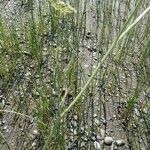
Sium suave
Water-parsley · Water-parsnip · Hemlock water-parsnip · Hemlock waterparsnip · Common Water-parsnip
Description
Source: leafsnapSium suave, the water parsnip or hemlock waterparsnip, is a perennial wildflower in the family Apiaceae. It is native to many areas of both Asia and North America. The common name water parsnip is due to its similarity to parsnip (Pastinaca sativa) and its wetland habitat. The alternate common name hemlock waterparsnip is due to its similarity to the highly poisonous spotted water hemlock (Cicuta maculata).
Care Guide
💧 Water Every 7 days
Hemlock waterparsnip naturally grows in marshy areas and thrives in moisture-rich environments. To prevent waterlogging, it needs weekly watering. As an herbaceous perennial, its growth cycles are closely tied to water availability, so maintaining consistent hydration is crucial during its active growing season.
How should I water my Hemlock waterparsnip plant properly?
To ensure the health of the Hemlock waterparsnip, it is recommended to use filtered water at room temperature. Tap water may contain harmful particles, so using filtered water is preferred. The Hemlock waterparsnip is accustomed to a warmer environment, so it's important to avoid using cold water as it can be a shock to the plant. Additionally, overhead watering should be avoided to prevent issues with the foliage. Instead, it is best to thoroughly soak the soil with filtered room temperature water. This helps to moisten the roots and promote their growth and nutrient absorption.
What should I do if I give my Hemlock waterparsnip too much water or not enough water?
Overwatering is a more common issue for the health of your Hemlock waterparsnip compared to underwatering. If this species receives too much water, its stems and leaves may wilt and turn yellow. Prolonged overwatering can also lead to diseases like root rot, mold, and mildew, which can be fatal for your plant. The Hemlock waterparsnip has decent drought tolerance, so underwatering is less likely. However, if it does occur, you will notice brittle and brown leaves. It is important to recognize the signs of overwatering and take action promptly. Some diseases caused by overwatering, such as root rot, may become irreversible if not addressed early. If you observe early signs of overwatering, reduce your watering schedule and check the soil quality. If the soil drains poorly, replace it with a loose, well-draining potting mix. Conversely, if your Hemlock waterparsnip shows signs of inadequate water, simply increase your watering frequency until the signs disappear.
How often should I water my Hemlock waterparsnip plant?
If your Hemlock waterparsnip is in a pot, you can check if it needs water by sticking your finger into the soil. If the top two to three inches of soil are dry, it's time to give it some water. If you're growing your Hemlock waterparsnip outdoors in the ground, you can use the same method. When the top few inches of soil have dried out, add water. In the spring and early fall, you'll generally need to water this plant about once a week. However, during very hot weather, you may need to water it two or more times per week. It's worth noting that mature, well-established Hemlock waterparsnip plants can tolerate drought well.
How much water does my Hemlock waterparsnip require?
To properly water your Hemlock waterparsnip, it's important to be generous with the amount of water you give. Make sure the top two to three inches of soil are dry before watering, and then give the plant a good, thorough watering until the soil is completely soaked. The water should be enough to cause excess water to flow out of the drainage holes at the bottom of the pot. If you don't see excess water draining, it means you haven't watered enough. However, be careful not to let water accumulate in the soil, as this can be harmful to the plant. If there's no water draining through the pot, it might indicate that the soil doesn't drain well, which isn't good for the plant's health. If the plant is outside, receiving about 1 inch of rain per week should be sufficient.
How should I water my Hemlock waterparsnip when it is growing at different stages?
The water requirements of the Hemlock waterparsnip can change based on its growth stages. In the first few years or after transplantation, it will need more water to support root development and future growth. As the plant matures, it will require less water. Additionally, during the bloom period, it may need more water for optimal flower development.
☀️ Light Full sun
Hemlock waterparsnip does best with abundant light, though it can tolerate some shade. In bright conditions it prospers, promoting healthy growth. Excessive shade can impede its development. Its native habitat provides ample light without being overly intense, a feature reflected in its ideal growing conditions.
What are the sunlight requirements for Hemlock waterparsnip?
Hemlock waterparsnip requires a significant amount of sunlight to thrive, ideally flourishing under conditions of full sun, which corresponds to more than 6 hours of direct sunlight daily. It can also tolerate partial sun, meaning it can grow in about 3-6 hours of sunlight. Observing the movement of sunlight through your garden is crucial for choosing locations that provide an optimal balance of light and shade, essential for the plant's growth and well-being.
How does artificial lighting benefit Hemlock waterparsnip, and what are the guidelines for its use?
Artificial lighting can be crucial for Hemlock waterparsnip’s growth, especially when natural sunlight is insufficient such as during winter or in less sunny indoor spaces. Optimal growth is supported by providing adequate lighting, with LED lights being a popular choice due to their customizability to specific wavelengths needed by plants. For full sun plants, 30-50W per square foot is recommended; partial sun plants need 20-30W per square foot, and full shade plants should get 10-20W per square foot. The light source should be placed 12-36 inches above the plant to mimic natural sunlight, and most plants benefit from 8-12 hours of light per day.
What are the symptoms of light deficiency in Hemlock waterparsnip?
Symptoms of light deficiency in Hemlock waterparsnip can include smaller than usual leaves, leggy or sparse growth due to elongated spaces between leaves or stems, faster leaf drop as the plant conserves resources, slowed or halted new growth indicating the plant's survival mode, lighter-colored new leaves due to a lack of chlorophyll, and various symptoms of overexposure like chlorosis, sunscald, leaf curling, wilting, and leaf scorching. These symptoms highlight the plant's struggle in inadequate lighting conditions.
What solutions are recommended for Hemlock waterparsnip experiencing light deficiency?
To address light deficiency in Hemlock waterparsnip, it’s advisable to gradually expose the plant to more sunlight, aiming for at least 6 hours of direct sunlight daily by using a south-facing window or moving the plant outdoors. Ensuring curtains are open during daylight can also increase exposure. If the plant is large or not easily movable, artificial lighting such as desk lamps or professional grow lights for at least 8 hours a day can supplement light intake. When addressing outdoor plants, moving them to sunnier spots progressively is crucial to avoid shock. Pruning obstacles or transplanting smaller plants to sunnier locations are strategies to reduce shading. Remember, parts of the plant affected by insufficient light may not recover, but new growth should be healthy with improved light conditions.
🌡️ Temperature 5–32.2°C
Hemlock waterparsnip is native to climates with temperatures ranging from 41 to 90°F (5 to 32°C). It prefers cooler conditions during its growth stage and requires adjustment to warmer temperatures as the seasons change.
What is the native climate for Hemlock waterparsnip?
Hemlock waterparsnip, with its botanic name Sium suave, is native to climates that experience temperatures ranging from 41 to 90°F (5 to 32°C). It thrives best in cooler environments during its growth stage but requires gradual adaptation to warmer temperatures as the seasons progress. The plant demonstrates strong cold resistance, making special frost protection measures typically unnecessary. However, if winter temperatures are forecasted to fall below -30°C, it is crucial to provide cold protection by covering the plant with soil or straw and ensuring the soil is moist before the first freeze in autumn to prevent drought and water scarcity during winter and early spring.
How does Hemlock waterparsnip react to low temperatures?
Hemlock waterparsnip is notably cold-tolerant, optimally thriving at temperatures above 5°C. Throughout winter, maintaining temperatures above -25°C is advisable. Exposure to temperatures below -30°C may not immediately show any visible changes, but it can lead to a decreased rate of sprouting or even complete failure to sprout as spring arrives. To address this, any parts of the plant that have failed to sprout in spring should be removed to encourage new growth.
How does Hemlock waterparsnip react to high temperatures?
During the summer months, it is critical for the Hemlock waterparsnip to be situated in environments where temperatures do not exceed 32°C. Should the temperature rise above 35°C, the plant may exhibit signs of stress such as lighter leaf coloration, leaf curling, susceptibility to sunburn, and in extreme cases, wilting and drying of the entire plant. Solutions to mitigate these effects include trimming away the sunburned and dried-out parts of the plant, relocating the plant to a shaded area or providing artificial shade during peak sun hours, and ensuring the soil remains moist through watering in the morning and evening.
💨 Humidity
🪴 Soil
🌱 Fertilizer
Hemlock waterparsnip benefits from balanced NPK fertilization throughout its growing season. Apply the fertilizer monthly during spring and summer, then reduce the frequency in fall and winter. Always follow the product label instructions carefully to prevent nutrient burn, and adjust the application based on the plant's growth patterns. Additionally, be mindful of environmental impacts when fertilizing near bodies of water.
🪴 Pot & Repot
✂️ Pruning
Hemlock water-parsnip has delicate foliage and small white flowers. To control its growth, remove dead stems, and improve air circulation, prune the plant from early to late spring. Proper pruning not only enhances the plant's vigor but also reduces the risk of pests. For additional guidelines, consult reliable sources.
🌿 Propagating
🐛 Diseases & pets
☠️ Toxicity
Characteristics
- Plant Type
- Herb
- Life Cycle
- Perennial
- Genus
- Sium
- Family
- Apiaceae
- Hardiness Zone
- 4-8
- Mature Height
- 0.61 m to 1.22 m
- Mature Spread
- 61 cm to 91 cm
- Leaf Color
- Green
- Leaf Type
- Deciduous
- Flower Color
- White
- Flower Size
- 5.08 cm to 7.62 cm
- Bloom Time
- Summer
- Planting Time
- Spring
- Harvest Time
- Late summer, Early fall, Mid fall
- Native Area
- Russia, Japan, Mongolia, Koppen, South Korea, China