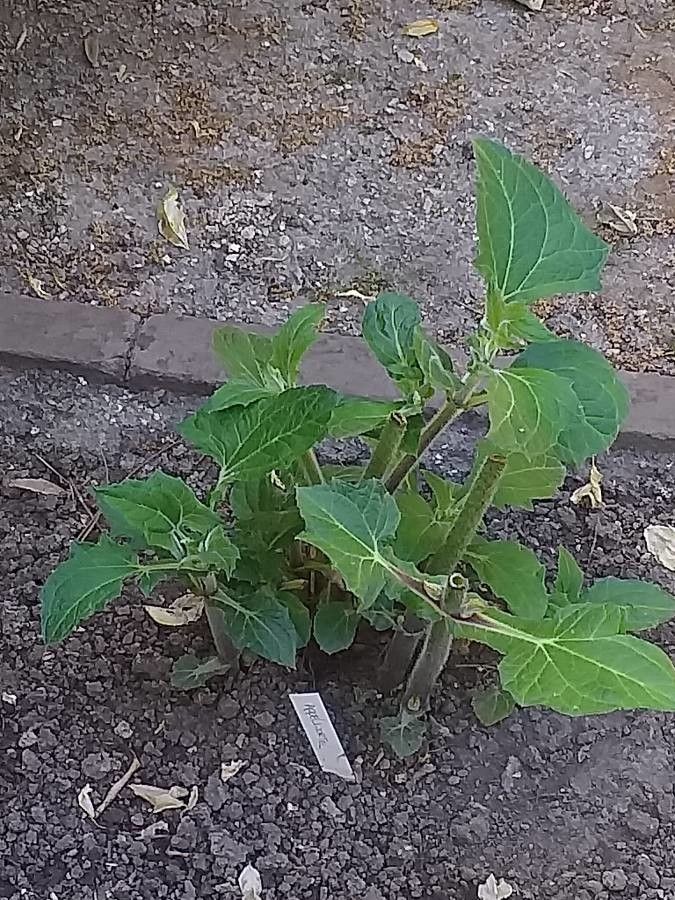
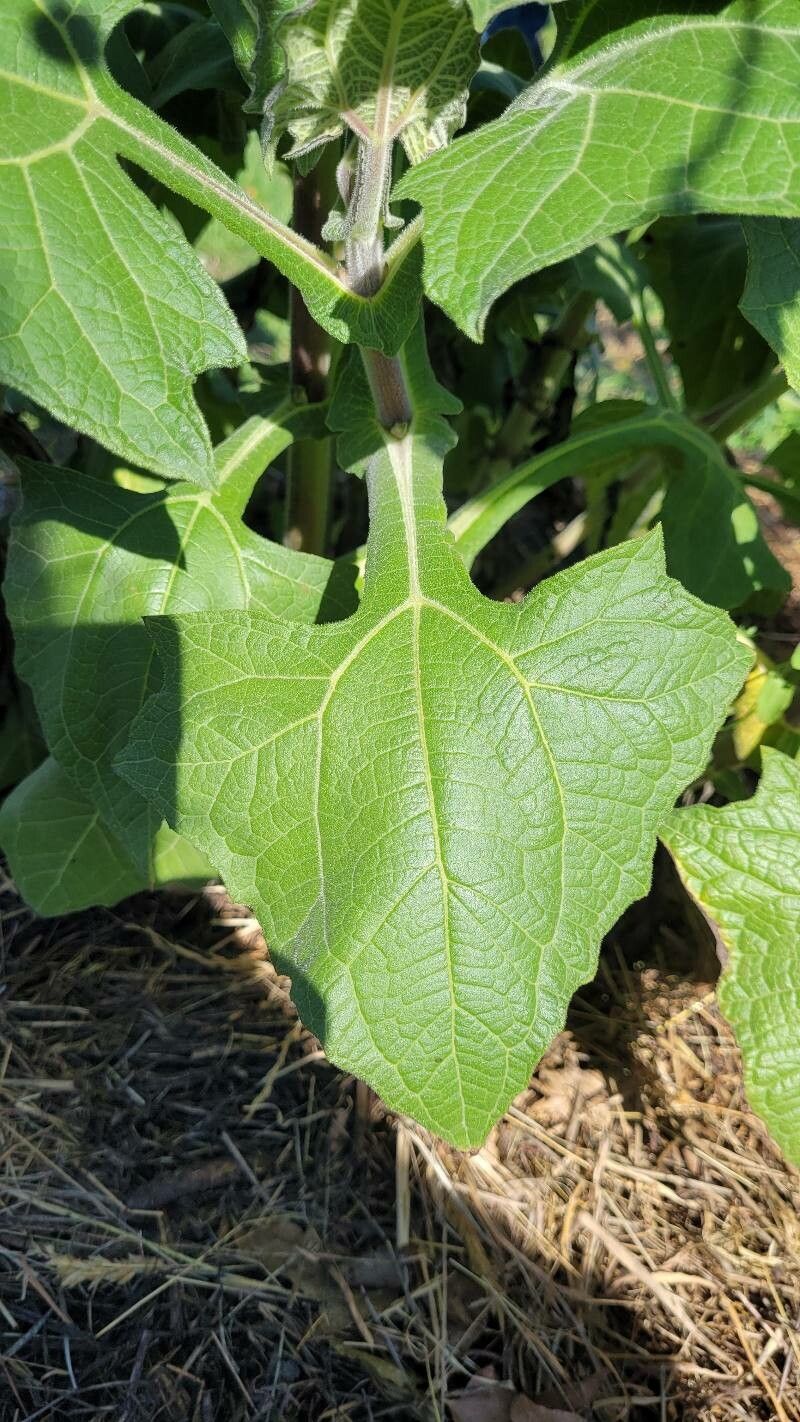
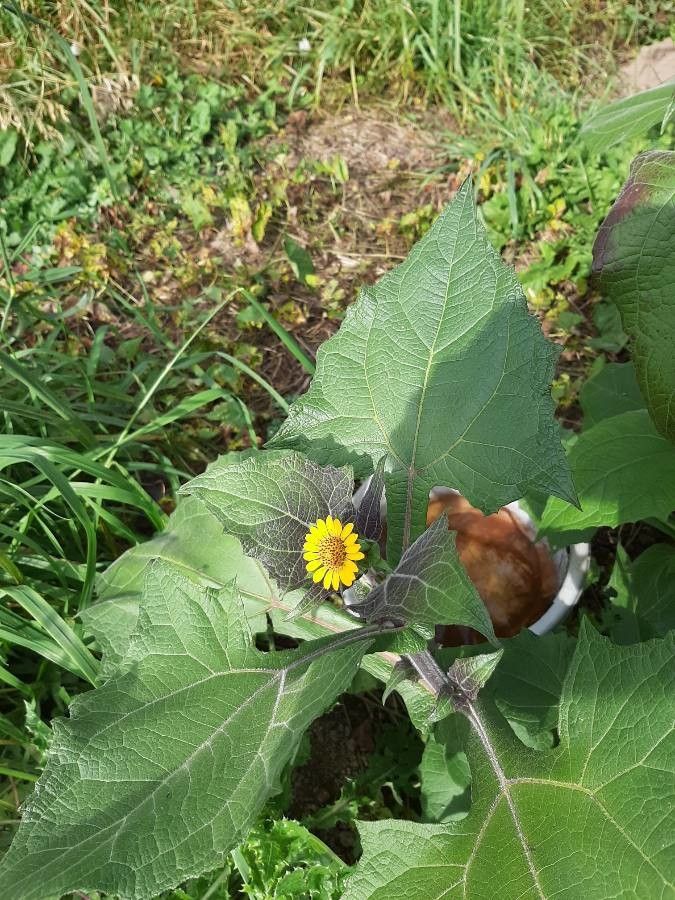
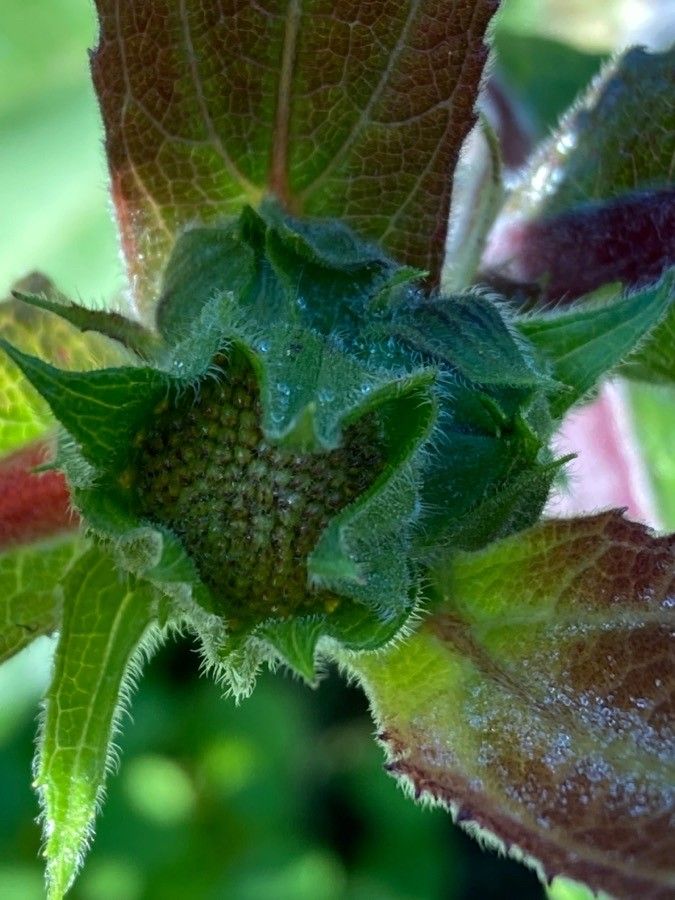
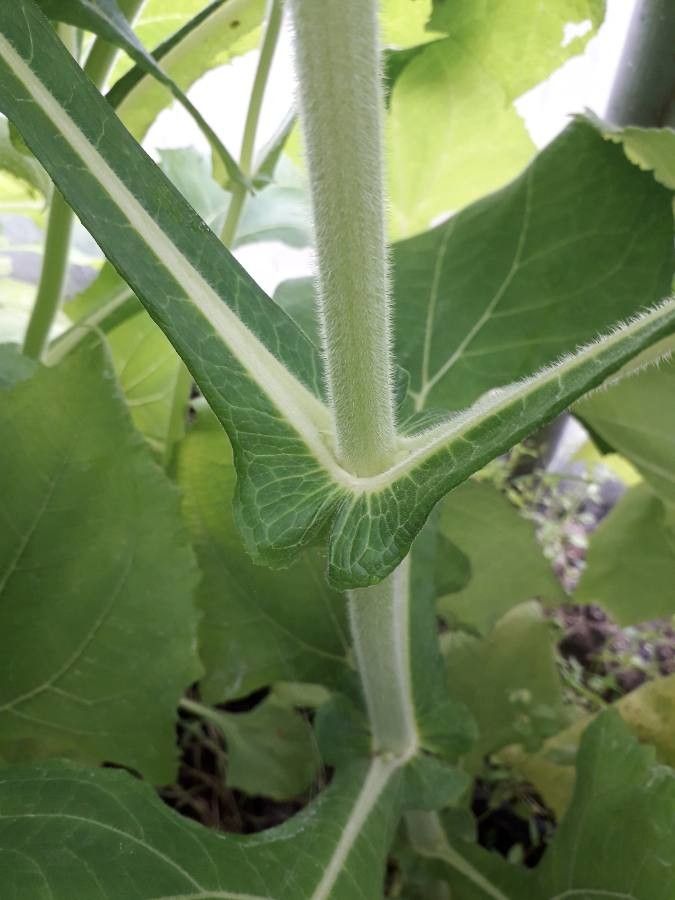
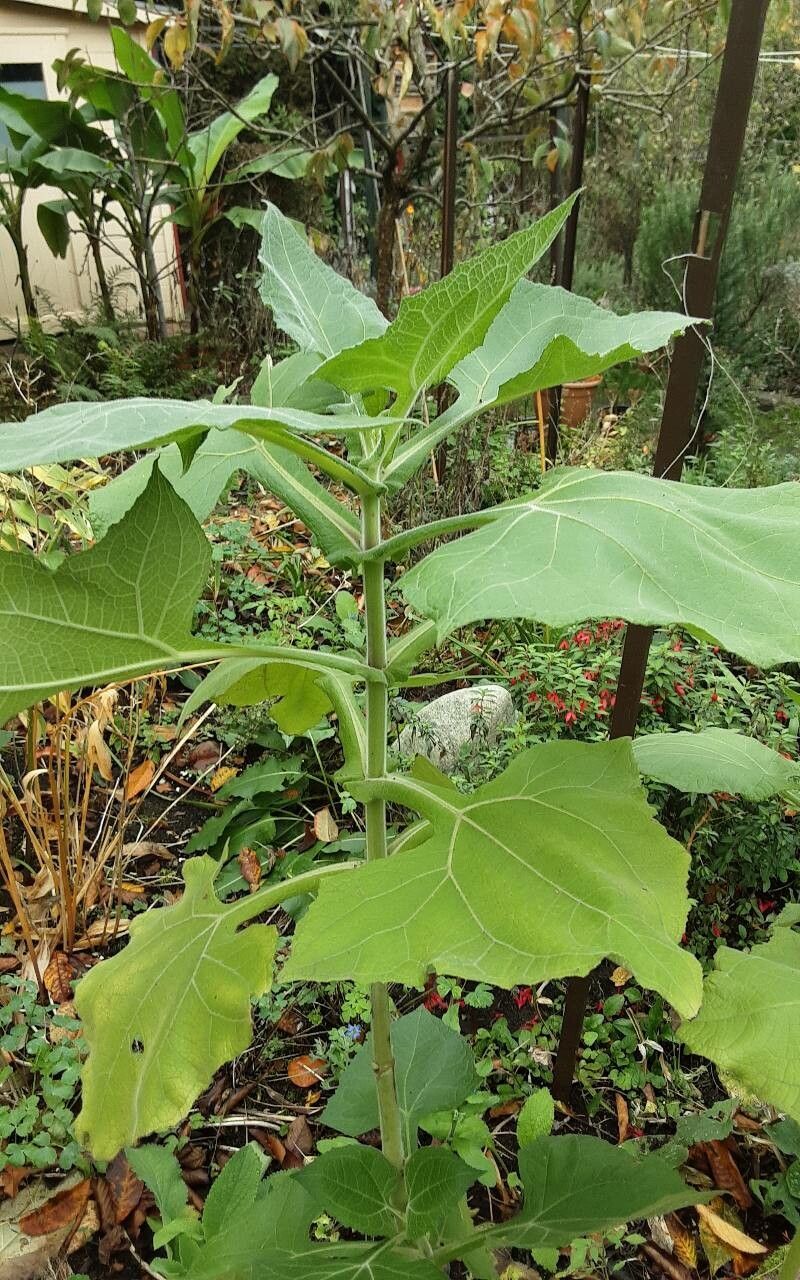
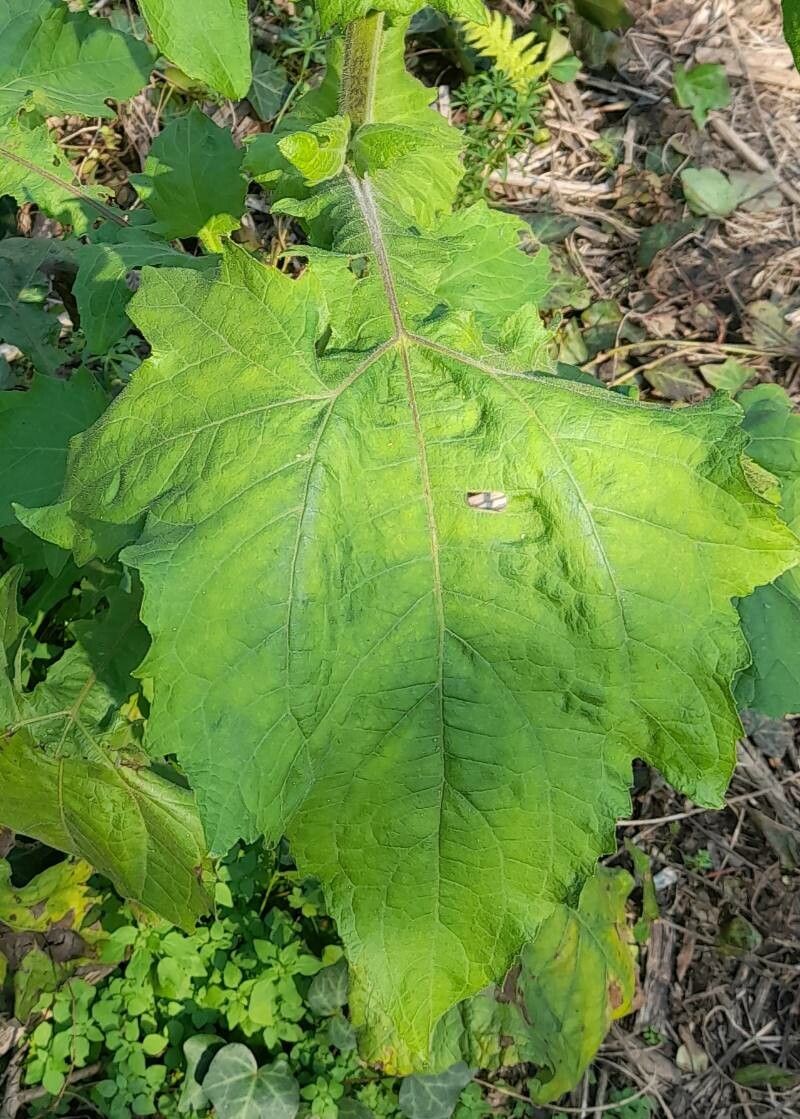
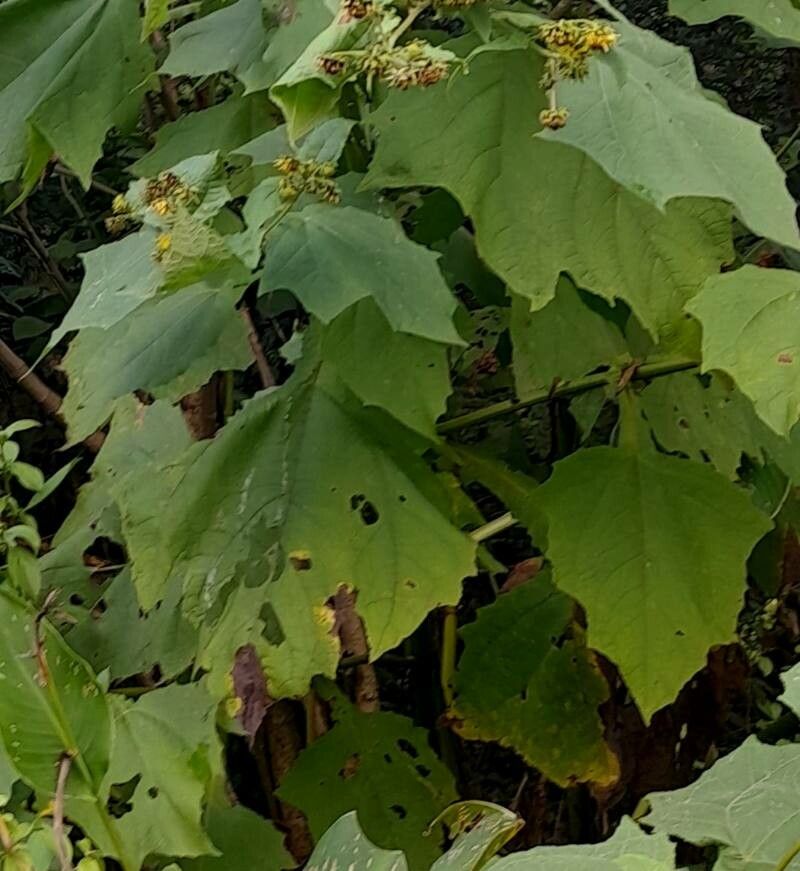
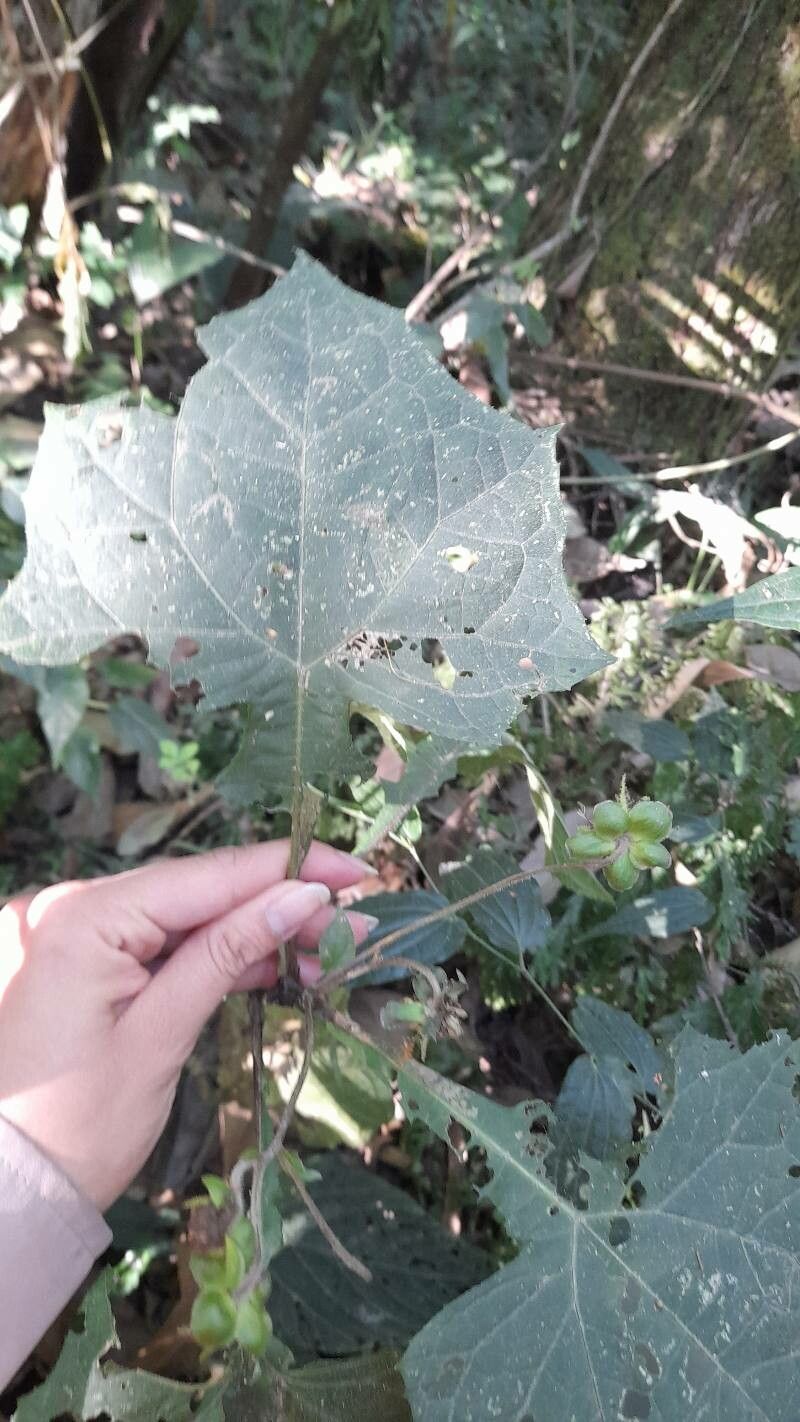
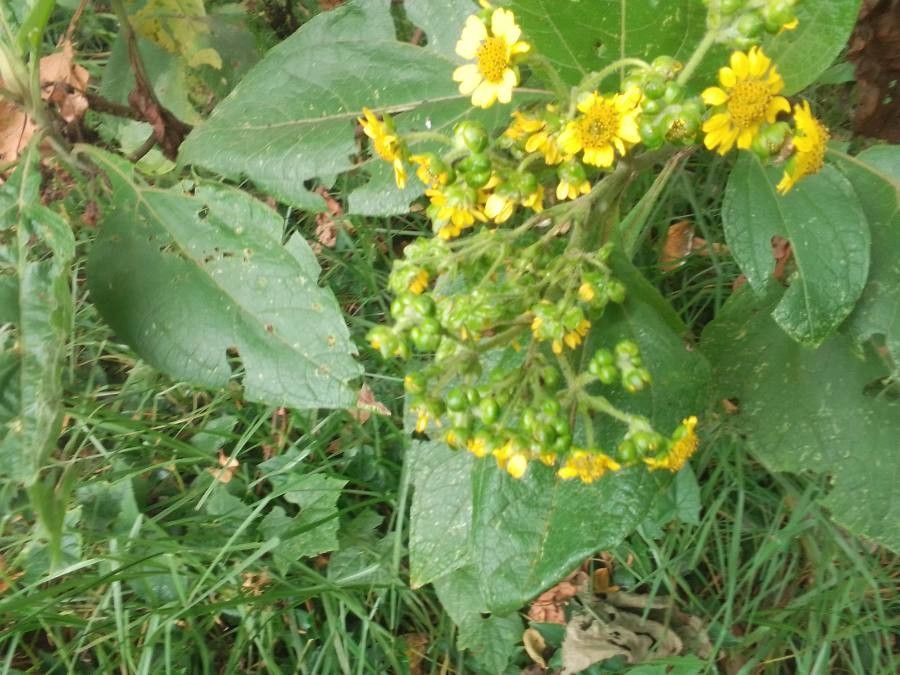
The yacón (Smallanthus sonchifolius) is a species of perennial daisy traditionally grown in the northern and central Andes from Colombia to northern Argentina for its crisp, sweet-tasting, tuberous roots. Their texture and flavour are very similar to jícama, mainly differing in that yacón has some slightly sweet, resinous, and floral (similar to violet) undertones to its flavour, probably due to the presence of inulin, which produces the sweet taste of the roots of elecampane, as well. Another name for yacón is Peruvian ground apple, possibly from the French name of potato, pomme de terre (ground apple). The tuber is composed mostly of water and fructooligosaccharide. Traditionally, yacón roots are grown by farmers at mid-elevations on the eastern slopes of the Andes descending toward the Amazon. It is grown occasionally along field borders where the juicy tubers provide a welcome source of refreshment during field work. Until as recently as the early 2000s, yacón was hardly known outside of its limited native range, and was not available from urban markets. However, press reports of its use in Japan for its purported antihyperglycemic properties made the crop more widely known in Lima and other Peruvian cities.
Yacon shows moderate resistance to disease but can be prone to problems like leaf spot. Its vulnerability to insect pests depends on the variety, though most cultivars are relatively less resistant to pests. For care, Yacon requires regular watering and fertilization, plus frequent removal of yellowing leaves. It is important to manage pests and diseases as they occur and to harvest the plant promptly. Yacon is best suited to people who can commit some time and energy to routine care.
How to keep Smallanthus Sonchifolius.
Light
Yacon thrives best under generous sunlight, which fuels essential functions such as photosynthesis. Its usual habitats are characterized by an abundance of solar energy. Insufficient sun exposure might result in less than ideal growth, while too much sunlight could potentially damage the plant.
Water
Yacon grows best in the highlands of the Andes, where it enjoys consistent moisture without getting waterlogged. To keep the plants well-hydrated, it's important to water them weekly. Yacon is usually cultivated outdoors and benefits from a growing season that aligns with the natural patterns of rainfall, ensuring it receives enough water during key growth stages.
Temperature
Yacon is naturally suited to climates where temperatures fall between 59 and 95 °F (15 to 35 °C). It is comfortable in these moderate settings and can adapt to seasonal variations within this spectrum.
Fertilizer
Species of Yacon can profit from one or two instances of usage of organic, natural fertilizers that contain potassium and phosphorus. Prior to planting, administer fertilizer, making sure it is integrated well and watered comprehensively. A single application is often enough, though one more can be applied once the seedlings have settled in. Be careful not to use an overly generous amount of fertilizer as it could harm the plant.
Pruning
Yacon, which resembles sunflowers, produces edible tubers. Pruning this plant from early to late spring promotes healthy growth, enhances air circulation, and reduces the risk of disease. By directing energy towards tuber development, pruning improves yield and results in a more manageable plant structure. This makes harvesting and maintenance easier.
Botanical profile.
- Plant Type
- Herb
- Life Cycle
- Perennial
- Genus
- Smallanthus
- Family
- Asteraceae
- Hardiness Zone
- 7-10
- Mature Height
- 2.13 m
- Mature Spread
- 76 cm
- Leaf Color
- Green, Orange
- Leaf Type
- Deciduous
- Flower Color
- Yellow, Orange
- Flower Size
- 5.08 cm to 7.62 cm
- Bloom Time
- Late summer, Early fall, Mid fall
- Planting Time
- Spring
- Harvest Time
- Mid fall, Late fall, Early winter
- Native Area
- Colombia, Bolivia, Ecuador, Peru
Other names.
Reader questions.
How should I water my Yacon plant?
The Yacon, while particular about its water requirements, is also concerned with how the water is provided. Failure to use the correct watering technique can potentially harm your tomatoes. The most recommended way to water Yacon is to slowly and gently apply water directly to the soil. It is advised not to pour all the water into the soil at once or use overhead watering. While watering slowly, it is important to ensure the soil supporting the Yacon is sufficiently moist.
Why should I put fertilizer on my Yacon plant?
Yacon grows rapidly and expends a significant amount of energy to produce the root vegetables we love. In addition to sunlight, oxygen, and water, Yacon species rely on nutrients to thrive and yield roots. Normally, garden soil contains these essential nutrients due to the decomposition of organic matter. However, there are situations where the soil may lack sufficient nutrients to support robust Yacon growth. In such cases, fertilizer offers the necessary boost for the Yacon to flourish.
What are the sunlight requirements for Yacon plants?
Yacon plants thrive under full sun conditions, which means they require above 6 hours of sunlight daily to flourish. It's important to observe how sunlight moves through your garden, selecting areas that provide a perfect balance of light and shade. This ensures the plants receive the energy needed for processes like photosynthesis, which is vital for their growth and health. Inadequate sunlight can lead to sub-optimal growth, whereas too much sun can harm the plant.
What are the ideal growing conditions for Yacon (Smallanthus sonchifolius)?
Yacon thrives best in environments with moderate temperatures, ranging from 59 to 95°F (15 to 35°C), adjusting well to seasonal fluctuations within this range. It requires relatively warm temperatures, particularly during winter cultivation, with the minimum temperature being kept above the freezing point to avoid freezing damage to the plant. As the outdoor temperature approaches 25°F (-5°C) during winter, it's advisable to bring Yacon indoors or to provide protection through measures such as a temporary greenhouse or wrapping the plant with plastic film or fabric to shield it from the cold.
What should I do if I give my Yacon plant too much or too little water?
If you notice that you have given too much water to your Yacon plant and are worried about the possibility of disease, take action right away. The best way to handle an overwatered Yacon is to remove it from its current spot and let the roots dry a bit before transplanting it to a new location with well-draining soil. If you grow your plant in pots, consider transferring it to a pot with more or bigger drainage holes. On the other hand, if you have underwatered your plant, simply increase the frequency of watering.
What is the best time to add fertilizer to my Yacon plant?
To prepare your soil for planting, apply natural fertilizer. There's no strict deadline, but make sure to give yourself enough time to incorporate the fertilizer into the soil and thoroughly water it before planting seeds or seedlings. Normally, one application of fertilizer is sufficient to keep Yacon plants thriving all season. However, if desired, you can apply one more round of fertilizer once the seedlings have established themselves to further enhance their yield. Just exercise caution not to overuse fertilizer, as it may harm the plants.
How can artificial lighting support Yacon plant growth indoors?
Indoor Yacon plants require adequate lighting for optimal growth, especially when natural sunlight is insufficient, such as during winter or in less sunny spaces. Artificial lights, like LED lights customized to provide specific wavelengths, are an excellent solution. For instance, full sun plants need 30-50W/sq ft, partial sun plants require 20-30W/sq ft, and shade plants need 10-20W/sq ft of artificial light. The light source should be placed 12-36 inches above the plant to mimic natural sunlight, and most species benefit from 8-12 hours of light per day to promote faster, healthier growth.
How does Yacon react to low temperatures, and what are the remedies?
Yacon has a moderate tolerance to low temperatures, thriving best between 15°C and 35°C. However, during winter, it's essential to keep the plant above -10°C to prevent damage. Exposure to temperatures below -15°C may lead to leaves darkening, and in severe cases, water-soaked necrosis, wilting, and the leaves gradually turning brown could occur. To remedy this, trim away the frost-damaged parts and immediately move the plant to a warmer environment indoors or set up a makeshift greenhouse. Place the plant near a south-facing window for ample sunlight, and if needed, use supplemental lighting.
How frequently do I need to water my Yacon plant?
Yacon has a high water requirement during the growing season. To meet this need, it is recommended to water your Yacon regularly and frequently from spring to summer. In the beginning, you should water it once or twice per week, and as the season progresses, increase the frequency of watering. During summer, you may need to water it twice per day or more, depending on the weather. After the major growth phases, you can reduce watering frequency to about once per week until the end of the growing season.
When is the wrong time to add fertilizer to my Yacon plant?
To ensure effective fertilization, remember to avoid applying fertilizer when the soil is dry. After fertilizing, make sure to water your plants thoroughly as this helps deliver the nutrients properly. If you prioritize the growth of foliage over the root crops, then high-nitrogen fertilizers might be suitable for you. However, take care not to let fertilizer come into contact with the base of the plant, leaves, or stems as it can potentially damage them.
What are some common symptoms of inadequate light in Yacon plants?
Yacon plants may exhibit several symptoms when exposed to inadequate light. These include smaller new leaves compared to older ones, leggy or sparse growth, faster leaf drop, reduced new growth or complete cessation of growth, and lighter-colored new leaves. Excessive sunlight can cause chlorosis (leaves turning yellow due to lack of chlorophyll), sunscald (pale, bleached areas on leaves or stems), leaf curling (leaves twist to reduce sunlight exposure), wilting (loss of turgor pressure in leaves and stems), and leaf scorching (brown, dry edges on leaves).
What should be done if Yacon is exposed to high temperatures?
During summer, it is crucial to ensure that Yacon's temperature stays below 35°C to avoid stunting its growth. Exposure to temperatures above 41°C can result in the plant's leaves becoming lighter and more susceptible to sunburn. In such cases, trim away the sunburned and dried parts, and relocate the plant to a shadier spot, particularly away from the harsh afternoon sun. It is also advisable to water the plant in the morning and evening to maintain soil moisture and help mitigate the effects of high temperatures.