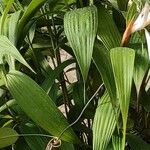
Sobralia macrantha
Orchid · Large-flowered sobraria
Description
Source: leafsnapSobralia macrantha, commonly known as the large-flowered sobralia, is a species of orchid found from north-central and southern Mexico to Central America.
Care Guide
💧 Water Every week
The Sobralia orchid, native to tropical rainforests, thrives in conditions of high humidity and requires regular watering, ideally once a week. Although it can tolerate brief dry spells, it needs consistent moisture to stay healthy. When grown indoors as an epiphytic orchid, misting is beneficial for maintaining the necessary ambient humidity.
How should I water my Sobralia orchid?
The way you water your Sobralia orchid depends on whether it is in a growth phase or not. During active growth, water the soil and occasionally spray water overhead if it's warm. In winter or cool, wet weather, stick to watering the soil. Look for signs that your orchid needs water, like dry roots/leaves or discoloration. Overwatered orchids will appear mushy and limp. Use a well-draining potting mix when growing in a pot. During the growing season, water multiple times per week, ensuring prompt drainage. The pot size affects watering frequency, with larger pots needing less water. Opt for rainwater or distilled water, matching the temperature of the air as closely as possible.
What should I do if I give too much or too little water to my Sobralia orchid?
To prevent killing your Sobralia orchid, avoid letting it sit in overly moist soil for long periods of time. While these plants require frequent watering during active growth, they also need a well-draining growing medium. Overwatering can cause the plant to become mushy and develop root rot. If this happens, remove any rotting roots with sterile pruning shears and repot the orchid in a container with good drainage and fast-draining potting mix. However, Sobralia orchids don't respond well to excessive repotting, so it's important to water them correctly. If you notice your orchid is becoming shriveled and dry to the touch, it may be underwatered. In that case, increase your watering frequency as the soil may be drying out faster than expected.
How frequently should I give water to my Sobralia orchid?
During the active growth stage, which is in the spring and summer, water your Sobralia orchid once or twice per week. Increase watering to three times per week or more if there are long periods of hot and dry weather. In the winter, still water your Sobralia orchid, but not as often. Water two to three times per month to keep it alive during the coldest months. However, if you have your Sobralia orchid indoors during winter, be aware that indoor locations can dry out the soil faster than usual. This means you might need to water it more often. In the fall, gradually reduce watering from multiple times per week down to your reduced winter schedule.
What do I need to think about when I water my Sobralia orchid during different seasons and growth stages?
When planning the watering schedule for your Sobralia orchid, it is important to consider two key growth phases. The first phase is the active growth period, which occurs in spring and summer. During this time, the plant should be watered multiple times per week. The second phase is the rest period, which typically lasts around two to three months in winter. During this period, the orchid requires less water and fertilization. It is sufficient to water the plant about once or twice per month. As fall approaches, gradually decrease the frequency of watering from multiple times per week to the appropriate rate for winter, which is once or twice per month.
How do I need to water my Sobralia orchid if I keep it indoors?
The Sobralia orchid needs a humid environment to thrive, but indoor growing locations often lack the necessary moisture. As a result, the plant and soil dry out faster indoors than they do outdoors. To address this issue, it is advisable to use a humidifier in the room where you grow your Sobralia orchid. You will also need to water it more frequently. However, while humidity is important, the orchid also requires proper air circulation to avoid excessive moisture and potential diseases. Including a fan in the room alongside the humidifier will help ensure optimal air circulation for the plant.
☀️ Light Partial sun
The Sobralia orchid prefers situations where sunlight is filtered, providing some daytime shade. It can also tolerate full exposure to the sun when there are no obstacles blocking the light. However, proper care is required to prevent leaf scorching or stunted growth from too much or too little light.
What are the sunlight requirements for Sobralia orchid?
Sobralia orchid thrives in various light conditions, requiring partial sun, meaning about 3-6 hours of sunlight, or full sun, which refers to more than 6 hours of sunlight per day. It's crucial to monitor the sunlight's movement through your garden to find the optimal spots that offer a balance of light and shade, ensuring the plants' wellbeing. In conditions where natural sunlight is insufficient, especially during winter or in less sunlit areas, introducing artificial lighting can be beneficial. Artificial lights should be chosen carefully to provide the necessary wavelengths for plants' growth, with full sun plants requiring 30-50W/sq ft, partial sun plants needing 20-30W/sq ft, and full shade plants requiring 10-20W/sq ft of artificial light. Adjusting the light source's distance and duration to mimic natural sunlight conditions can help promote healthier growth.
How does insufficient sunlight affect Sobralia orchid?
When a Sobralia orchid is grown indoors without adequate light, it may exhibit symptoms like smaller new leaves, leggy or sparse growth, faster leaf drop, slower or stunted growth, lighter-colored new leaves, chlorosis (leaves turning yellow due to a lack of chlorophyll and essential nutrients), sunscald, leaf curling as a defense mechanism against excessive sunlight, wilting due to increased water loss, and leaf scorching. These symptoms suggest the plant is struggling with the light conditions, leading to poor growth and overall health.
What are the solutions for improving light conditions for Sobralia orchid?
To optimize growth for Sobralia orchid, gradually adapt the plants to changing light conditions by moving them to increasingly sunnier spots each week until they receive the ideal amount of sunlight. For indoor plants that are large or not easily movable, utilizing artificial light sources like desk or ceiling lamps for at least 8 hours a day or investing in professional plant grow lights can provide sufficient light. Outdoors, carefully move the plants to sunlight-rich spots, avoiding sudden changes that might cause sunburn. Reducing obstructions such as pruning branches or relocating smaller plants to sunnier locations can also improve light exposure. Remember, damaged parts from insufficient light may not recover, but new growth will be healthy with adjusted light exposure.
🌡️ Temperature 20–37.8°C
The Sobralia orchid does best in warm conditions. It prefers moderately high temperatures without excessive heat and humidity. Sunlight warms the plant and encourages flowering. However, long periods of direct sun in summer can cause sunburn, so the amount of light it gets should be limited during that season. The plant is generally not tolerant of cold and thus needs proper protection and warmer conditions in winter to avoid freezing.
What is the botanical name of the Sobralia orchid?
The botanical name of the Sobralia orchid is Sobralia macrantha. This species is part of the Sobralia genus, known for its beautiful flowers and diverse species.
💨 Humidity
🪴 Soil 5-6
🌱 Fertilizer
Appropriate fertilization is vital for the Sobralia orchid's health and appearance. Apply fertilizer to the Sobralia orchid in summer, repeating the application monthly throughout summer. Nutrients supply energy for growth and help maintain the plant's parts. Fertilization improves the Sobralia orchid's flower display, ensuring the best blooms.
Why is it necessary to add fertilizer to my Sobralia orchid?
Fertilization plays a crucial role in the growth of the Sobralia orchid and other plants by providing essential nutrients. While the fertilization requirements for the Sobralia orchid are relatively low, it can still benefit from annual fertilization. Without fertilization, the orchid can still survive, but regular fertilization can help it thrive and produce better, longer-lasting flowers. Therefore, those wanting their Sobralia orchid to look its best should prioritize annual fertilization.
When should I fertilize my Sobralia orchid for the best results?
The best time to fertilize a Sobralia orchid is in the late winter to early spring when it is transitioning from dormancy to active growth. Fertilizing at this time will promote healthy growth and help the plant thrive throughout the season. Although fertilizing in the fall is also acceptable, it is not recommended to feed the orchid during the summer and winter.
When is the best time to not fertilize my Sobralia orchid?
To avoid overfertilization and potential complications, it is recommended to only fertilize your Sobralia orchid during late winter and early spring. This plant has low fertilization needs and a single annual feeding should be sufficient. Fertilizing during spring, summer, and fall can easily lead to overfertilization. However, if you skipped fertilizing in spring, it is acceptable to feed the plant during fall. Additionally, there is no need to fertilize the plant during winter when it is in a dormant growth phase and not producing new growth.
Which kind of fertilizer should I use for my Sobralia orchid?
A balanced general-purpose fertilizer is suitable for a Sobralia orchid, but there are certain nutrient blends that can be even better. Many gardeners believe that higher levels of phosphorus can result in stronger roots and more beautiful flowers. Therefore, for a flowering Sobralia orchid, it may be beneficial to use a fertilizer rich in phosphorus. You can choose between granular or liquid fertilizers, as long as they contain sufficient nutrients. In addition to manufactured fertilizers, you can also improve the soil for your Sobralia orchid using organic methods such as compost, manure, and similar materials. These can greatly contribute to creating a healthy growing environment for your Sobralia orchid.
How should I fertilize my Sobralia orchid?
To fertilize a Sobralia orchid, the most common method is to apply granular or pellet fertilizer to the soil around the plant. It is important to fertilize the plant as it transitions from winter dormancy to active growth. In early spring, when the plant starts sprouting shoots, apply the fertilizer. Alternatively, some people prefer using liquid fertilizer. If you choose this option, dilute the fertilizer with water. Regardless of the type of fertilizer, always moisten the soil before, during, and after application.
🪴 Pot & Repot
✂️ Pruning
The Sobralia orchid is known for its large, vibrant flowers and requires minimal pruning. To maintain the health and appearance of the plant, prune in early spring or late winter. Focus on removing dead stems to encourage new growth and trim away old blooms. It's important to avoid heavy pruning because Sobralia orchids have difficulty recovering from extensive cuts. Gentle pruning not only helps shape the plant but also promotes better flowering.
🌿 Propagating
🐛 Diseases & pets
☠️ Toxicity
Characteristics
- Plant Type
- Herb
- Life Cycle
- Perennial
- Genus
- Sobralia
- Family
- Orchidaceae
- Hardiness Zone
- 10-12
- Mature Height
- 0.61 m to 1.22 m
- Mature Spread
- 30 cm to 61 cm
- Leaf Color
- Green, Dark Green
- Leaf Type
- Evergreen
- Flower Color
- Purple, White, Pink, Lavender
- Flower Size
- 10.16 cm to 15.24 cm
- Bloom Time
- Summer, Early fall, Mid fall
- Planting Time
- Spring, Summer, Autumn
- Harvest Time
- Late summer, Fall, Early winter
- Native Area
- Belize, Honduras, Mexico, Guatemala, El Salvador, Nicaragua