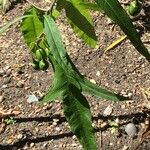
Solanum aviculare
New Zealand Nightshade · Kangaroo-apple · Poroporo
Description
Source: leafsnapSolanum aviculare, commonly called poroporo (New Zealand), bumurra (Dharug), kangaroo apple, pam plum (Australia), or New Zealand nightshade, is a soft-wooded shrub native to New Zealand and the east coast of Australia. Other names used for Solanum aviculare in the Māori language include pōporo, hōreto, and peoi.
Care Guide
💧 Water
Kangaroo apple, which thrives in the diverse climates of Australia and New Zealand, is a drought-tolerant plant that prefers well-drained soil. For optimal growth, water it every 2 to 3 weeks, allowing the soil to dry out between watering. Although it is typically grown outdoors, the kangaroo apple is an evergreen plant that requires careful watering to maintain its lush foliage throughout the growing season.
☀️ Light Full sun
Kangaroo apple does best with plenty of sunlight for healthy growth. Its native habitat, scrub and forest edges, receives ample sun exposure. Excessive sunlight can lead to leaf discoloration, while insufficient light can impede fruiting.
What are the sunlight requirements for Kangaroo Apple?
Kangaroo apple plants thrive in environments that provide an abundance of solar energy. They require full sun, which means above 6 hours of sunlight daily, for healthy development. However, they can also tolerate partial sun, about 3-6 hours of sunlight. It's crucial to observe how sunlight moves through your garden to find spots that offer the right balance of light and shade. This careful placement ensures your plants' growth and happiness. Too much sunlight can cause leaf discoloration, while insufficient sunlight might hinder fruiting. The plant's native habitat, including scrubland and forest margins, typically receives considerable solar exposure.
How can artificial lighting be used for Kangaroo Apple plants indoors?
When natural sunlight is insufficient, especially during winter or in less sunny spaces, artificial lighting becomes essential for Kangaroo apple plants' growth indoors. For optimal growth, indoor plants should receive adequate lighting. LED lights are recommended because they can be customized to provide specific wavelengths needed by plants. Full sun plants need 30-50W/sq ft of artificial light, partial sun plants require 20-30W/sq ft, and full shade plants need 10-20W/sq ft. The light source should be placed 12-36 inches above the plant to mimic natural sunlight, and plants most likely need 8-12 hours of light per day.
What are the symptoms of light deficiency in Kangaroo Apple?
Kangaroo apple plants show various symptoms when they suffer from light deficiency, even though they thrive in full sunlight. Symptoms include smaller new leaves compared to the mature ones, leggy or sparse growth making the plant look weak, faster leaf drop as a conservation measure, slower or halted growth indicating survival mode, lighter-colored new leaves due to lack of chlorophyll, and symptoms of excessive sunlight exposure like chlorosis, sunscald, leaf curling, wilting, and leaf scorching. These signs help indicate whether the plant is receiving suboptimal light.
How can I address light deficiency issues for Kangaroo Apple?
To tackle light deficiency in Kangaroo Apple plants, follow these steps: Indoors, gradually move the plant to a sunnier location each week, ensuring it receives at least 6 hours of direct sunlight daily. Utilize a south-facing window and keep curtains open for maximum exposure. Use artificial lighting such as desk lamps or professional grow lights for at least 8 hours a day if the plant is large or difficult to move. Outdoors, gently transition your plants to sunnier spots over weeks to prevent sunburn. Remove obstacles that block sunlight, such as pruning trees. For small plants, consider transplanting during their dormant period to a brighter location with good drainage. Note that parts of the plant damaged by light deficiency may not recover, but new growth will be healthy post-adjustment.
🌡️ Temperature 15–37.8°C
Kangaroo apple is native to regions where temperatures range from 68 to 100°F (20 to 38℃). It prefers warm conditions and performs best within that temperature interval. Seasonal adjustments may be required, for instance providing extra warmth in cooler months.
What is the ideal climate for kangaroo apple growth?
Kangaroo apple, or Solanum aviculare, thrives in climates where temperatures range between 68 to 100°F (20 to 38°C). This plant prefers warmth and performs best within this temperature range. Seasonal adjustments, such as providing extra warmth during cooler months, may be required to maintain its health. While kangaroo apple has some cold tolerance and generally doesn’t need additional measures when temperatures are above 0°C, precautions such as wrapping the plant in plastic film, fabric, or other materials may be necessary if temperatures are expected to drop below freezing. Once temperatures rise again, these protective measures should be removed promptly.
How does kangaroo apple react to low temperatures?
Kangaroo apple has a moderate tolerance to low temperatures and thrives best when temperatures are above 20°C. It should be kept above 0°C during winter months. If temperatures fall below -10°C, the plant's leaves may start to droop; they can recover in mild cases, but in severe cases, the leaves will wilt and eventually fall off. To protect kangaroo apple from frost damage, trim off the frost-damaged parts. Before facing low temperatures again, wrap the plant with materials like non-woven fabric or cloth, and construct a wind barrier to protect it from cold winds.
What should be done if kangaroo apple is exposed to high temperatures?
During summer, it is crucial to ensure that kangaroo apple is kept below 38°C to prevent heat stress. If the temperature exceeds 43°C, the plant may exhibit stress signs such as lighter leaf color, dry and withered leaf tips, curled leaves, and increased susceptibility to sunburn. In response, trim away sunburned and dried-up parts of the plant. To protect it from excessive heat, move the plant to a shaded location or use a shade cloth, especially during the midday and afternoon sun. Additionally, watering the plant in the morning and evening can help keep the soil moist and reduce heat stress.
💨 Humidity
🪴 Soil 5-6
🌱 Fertilizer
The timing of fertilizing Kangaroo apple is important. Apply fertilizer in early spring and repeat monthly until early summer. Fertilizer promotes attractive blooms and supplies energy during both dormant periods and active growth.
🪴 Pot & Repot
✂️ Pruning
The kangaroo apple boasts lush foliage and distinctive purple flowers. Pruning in early spring encourages healthy growth, enhances its shape, and promotes abundant flowering. By thinning out overcrowded areas, you can improve air circulation, which helps prevent disease. This ensures that the kangaroo apple remains resilient and visually appealing throughout the growing season.
🌿 Propagating
🐛 Diseases & pets
☠️ Toxicity
Characteristics
- Plant Type
- Shrub
- Life Cycle
- Perennial
- Genus
- Solanum
- Family
- Solanaceae
- Hardiness Zone
- 8-11
- Mature Height
- 3.96 m
- Mature Spread
- 1.52 m to 2.44 m
- Leaf Color
- Dark Green, Forest Green
- Leaf Type
- Evergreen
- Flower Color
- Purple, Violet
- Flower Size
- 2.54 cm to 4.06 cm
- Bloom Time
- Late spring, Summer, Early fall
- Planting Time
- Spring, Autumn
- Harvest Time
- Late summer, Fall
- Native Area
- New Zealand