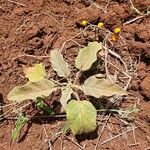
Solanum coagulans
Care Guide
💧 Water
☀️ Light Full sun
Purple african nightshade comes from open habitats, such as sunny meadows and forest edges, which provide abundant light. It thrives in Full Sun but can also tolerate Partial Sun, adapting well to different sunlight conditions.
🌡️ Temperature 20–37.8°C
Purple African nightshade comes from tropical regions, where the climate is typically warm and humid. Consequently, it is well suited to high temperatures and humidity. It is sensitive to sudden temperature shifts and prefers a stable temperature environment, so avoiding temperature fluctuations indoors is important. It generally does not tolerate cold temperatures and requires higher temperatures for growth. If the surrounding temperature drops too low, the plant may stop growing or even die.
💨 Humidity
🪴 Soil 6-8
🌱 Fertilizer
The best time to fertilize a Purple african nightshade is in early spring, as it breaks dormancy. This encourages overall growth and flower development. Fertilization improves foliage, stems, and branches, and fosters large, vivid, long-lasting flowers. It helps transfer nutrients from the roots to the flowers and enhances the plant's health and resistance to disease.
🪴 Pot & Repot
✂️ Pruning
🌿 Propagating
🐛 Diseases & pets
☠️ Toxicity
Characteristics
- Plant Type
- Shrub
- Life Cycle
- Perennial
- Genus
- Solanum
- Family
- Solanaceae
- Hardiness Zone
- 9-11
- Mature Height
- 0.91 m to 3.05 m
- Mature Spread
- 0.91 m to 2.13 m
- Leaf Color
- Green, Silver
- Leaf Type
- Evergreen
- Flower Size
- 2.03 cm to 3.05 cm
- Bloom Time
- Summer, Early fall, Mid fall
- Planting Time
- Spring, Summer
- Harvest Time
- Late summer, Fall, Early winter
- Native Area
- Djibouti, Eritrea, Ethiopia