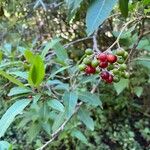
Solanum donianum
Mullein nightshade · Potato tree · Canary nightshade
Description
Source: wikipedia (CC BY-SA)Solanum donianum, often known as the mullein nightshade, is a species of flowering plant in the nightshade, tomato or potato family, the Solanaceae.
Care Guide
💧 Water
☀️ Light Full sun
Mullein nightshade is native to open habitats, such as sunlit meadows and forest margins, where plenty of light is available. It performs best in full sun but can also tolerate partial sun, demonstrating good adaptability to different light conditions.
What are the sunlight requirements for Mullein nightshade (Solanum donianum)?
Mullein nightshade (Solanum donianum) thrives in conditions where it can receive either full or partial sun. Full sun exposure means the plant should receive above 6 hours of direct sunlight daily, while partial sun exposure is about 3-6 hours of sunlight. It's important to observe how sunlight moves through your garden throughout the day. This observation will help you choose the ideal spots that offer the right balance of light and shade, ensuring your Mullein nightshade plants are happy and healthy. Remember to heed the warning to watch the sunlight's movement and to choose locations that accommodate the plant’s light requirements for optimal growth.
🌡️ Temperature 20–37.8°C
Mullein nightshade comes from tropical areas, where the climate is usually warm and humid. Therefore it is well suited to high temperatures and moisture. It does not tolerate sudden temperature changes and prefers a steady thermal environment, so avoiding indoor temperature fluctuations is important. It generally cannot withstand cold and needs higher temperatures to grow. If the surrounding temperature falls too low, the plant may stop growing or even die.
What is Mullein nightshade?
Mullein nightshade, known scientifically as Solanum donianum, is a plant species with specific characteristics. There is no detailed information provided about its essentials or symptoms related to its use or exposure.
💨 Humidity
🪴 Soil 6-7
🌱 Fertilizer
Fertilizing is essential to the care of Mullein nightshade. Regular feeding during the growing season preserves the energy for its showy leaves and aids overall growth. Skipping fertilization can produce unhealthy leaves, lower its ornamental value, and cause stunted or weakened growth that is more likely to break.
🪴 Pot & Repot
✂️ Pruning
Mullein nightshade boasts vibrant purple flowers and grayish-green leaves. To promote healthy growth, improve air circulation, and maintain the plant's shape, prune it in early spring. This practice also involves removing dead branches, encouraging vigor and allowing the plant to recover and thrive during the growing season. Following these horticultural best practices will help ensure a flourishing mullein nightshade.
🌿 Propagating
🐛 Diseases & pets
☠️ Toxicity
Characteristics
- Plant Type
- Shrub
- Life Cycle
- Perennial
- Genus
- Solanum
- Family
- Solanaceae
- Hardiness Zone
- 9-11
- Mature Height
- 0.91 m to 2.13 m
- Mature Spread
- 49 cm to 91 cm
- Leaf Color
- Dark Green
- Leaf Type
- Deciduous
- Flower Color
- White
- Flower Size
- 1.02 cm to 2.03 cm
- Bloom Time
- Late spring, Summer, Early fall
- Planting Time
- Spring
- Harvest Time
- Late summer, Fall
- Native Area
- Bahamas, Mexico, Guatemala, Belize