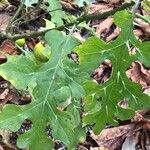
Solanum linnaeanum
Apple of Sodom · Nightshade · Sodom-apple · Apple-of-Sodom · Black-spine nightshade
Description
Source: leafsnapSolanum linnaeanum, commonly known as the apple of Sodom or devil's apple, is a perennial shrub that belongs to the Solanaceae family. Although it is native to South America, it has been introduced and has naturalized in various parts of the world, including Africa and Asia. The plant can grow up to 2 meters tall and features a woody stem with thorns. Its dark green leaves are ovate-shaped with wavy margins, reaching up to 15 cm in length. The flowers, which bloom from summer through fall, are white or pale purple with yellow centers. The fruit of Solanum linnaeanum is round, starting off green and turning yellow as it ripens. It contains numerous small seeds that are dispersed by birds or other animals. In traditional medicine, Solanum linnaeanum has been used to treat various ailments, such as fever, coughs, asthma, and skin diseases, due to its anti-inflammatory properties. However, it is important to note that all parts of this plant contain toxic alkaloids, which can cause severe poisoning if ingested by humans or animals. Overall, Solanum linnaeanum is an intriguing plant due to its unique appearance, but it should be handled with caution because of its toxicity levels.
Care Guide
💧 Water Every 7 days
Bitter apple is a drought-tolerant plant that thrives in arid conditions with minimal watering, usually requiring water only every 2 to 3 weeks. It prefers full sunlight and well-draining soil, making it ideal for outdoor growth. Irrigation needs can be adjusted based on the local rainfall patterns.
How should I water my Bitter apple plant?
You can water your Bitter apple plant using most common watering tools like watering cans, hoses, or cups. It's important to apply the water directly to the soil, making sure that all areas of the soil are evenly moistened to provide water to the entire root system. Using filtered water is recommended as tap water may contain harmful particles. It's also ideal to use water that is at or slightly above room temperature, as very cold or hot water can be a bit shocking to the Bitter apple plant. However, regardless of the water type, the Bitter apple usually responds well to any kind of watering.
What should I do if I give my Bitter apple plant too much water or too little water?
When it comes to outdoor plants, especially newly planted ones or seedlings, they are prone to not getting enough water. It's important to remember to water them regularly for the first few months when they are small or newly planted. Once the roots are established, they can rely on rain for most of their water needs. When you have Bitter apple plants in pots, there is a higher likelihood of overwatering them. If you accidentally overwater your Bitter apple, it's important to act quickly to fix the situation. First, stop watering the plant immediately to minimize the effects of overwatering. Then, remove the Bitter apple from its pot and examine its roots. If there are no signs of root rot, you can return the plant to its container. However, if you do find signs of root rot, trim away the affected roots and consider using a fungicide to prevent further damage. Lastly, repot the Bitter apple in well-draining soil. On the other hand, if your Bitter apple is underwatered, simply water it more frequently. Underwatering is usually an easy problem to fix. If the plant's leaves droop, dry out, and fall off, watering it sufficiently will cause the leaves to quickly regain their fullness. It's important to adjust your watering frequency as soon as you notice underwatering occurring.
How frequently should I water my Bitter apple?
Most outdoor plants can be watered naturally with rainfall. However, if your area doesn't get enough rain, you should water your plants every 2 weeks in spring and fall, and more frequently in summer. In winter, when plants grow slower and need less water, water them less often or not at all. Young or newly planted Bitter apple plants need more frequent watering to establish themselves and become drought tolerant. For potted plants, there are two ways to determine watering frequency for your Bitter apple. The first is to follow a regular schedule, such as once a week or every other week. However, this may not be suitable for the specific conditions your plant is in. The other option is to water based on the moisture in the soil. Wait until the top two to four inches of soil have dried out before watering again.
How much water does my Bitter apple plant need?
To water your Bitter apple effectively, consider the soil's moisture level and adjust the water volume accordingly. If only a few inches of soil have dried since the last watering, give the plant around five to ten ounces of water. Make a note of how many inches of soil have dried out between waterings to determine the appropriate water amount. To ensure the plant receives enough moisture, water all the dry soil layers since the last watering. If over half of the soil is dry, provide extra water until you see excess water draining from the pot's drainage holes. If your Bitter apple is outdoors and receives sufficient rain, additional watering may not be necessary. However, when the plant is young or establishing itself, aim for 1-2 inches of rain per week. As it grows, it can rely on rainwater, only needing extra watering during hot weather or extended periods without rainfall to prevent stress.
How can I know if I'm giving enough water to my Bitter apple plant?
The Bitter apple is often overwatered, which can be easily identified by signs like yellowing and dropping leaves. Overwatering can also shrink the plant's overall structure and lead to root rot. On the other hand, an underwatered Bitter apple will start to wilt and have brown or brittle leaves. If you notice any signs of overwatering or underwatering, you should take action to restore your Bitter apple's health.
☀️ Light Full sun
Bitter apple grows best with abundant sunlight, though it can tolerate moderate amounts of sun. Native to regions where the landscape is intensely sunlit, it thrives in those conditions. Conversely, too little light can impede its growth, while too much exposure can burn its foliage.
What are the sunlight requirements for Bitter Apple (Solanum linnaeanum)?
Bitter Apple (Solanum linnaeanum) requires full sun, meaning it should receive more than 6 hours of sunlight per day. However, it can also tolerate partial sun, defined as about 3-6 hours of sunlight daily. It's important to observe the way sunlight moves through your garden and select locations that provide a proper balance of light and shade to ensure the plants' well-being.
How does inadequate or excessive sunlight affect Bitter Apple?
Inadequate sunlight can hinder the growth of Bitter Apple, causing symptoms such as smaller, paler leaves, leggy or sparse growth, faster leaf drop, and a halt in new leaf production. On the other hand, excessive sun exposure may lead to chlorosis (leaves turning yellow), sunscald, leaf curling, wilting, and leaf scorching. These conditions indicate either a lack of or too much light, affecting the plant's ability to perform photosynthesis and overall health.
What solutions can be implemented for indoor Bitter Apple plants with insufficient sunlight?
For indoor Bitter Apple plants suffering from insufficient sunlight, you can gradually move the plants to sunnier locations each week, aiming for at least 6 hours of direct sunlight daily through a south-facing window. If the plant is large or immovable, considering using artificial light. Keeping a desk or ceiling lamp on for at least 8 hours daily, or investing in professional plant grow lights, can provide the necessary light for optimal growth. It's vital to increase sunlight exposure gradually to avoid stress and ensure healthy new growth.
What are the solutions for outdoor Bitter Apple plants with insufficient sunlight?
For outdoor Bitter Apple plants, gradually moving your plants to sunnier spots each week can help them adapt to the new light conditions without risk of sunburn. It's crucial to make changes in light exposure carefully and gradually. Although parts of the plant that have already been negatively affected by poor light may not recover, new growth will be healthy with proper light adjustments.
How can ground Bitter Apple plants receive more sunlight?
To ensure ground Bitter Apple plants receive sufficient sunlight, begin by reducing obstructions such as overhanging branches by pruning trees that block sunlight. For smaller plants that are overshadowed, transplanting during their dormant period, usually in late winter or early spring, to a location with ample sunlight and good drainage can significantly improve sunlight access and overall plant health.
🌡️ Temperature 20–37.8°C
Bitter apple comes from habitats that have a warm temperate climate and does best in temperatures of 68 to 100.4 °F (20 to 38 ℃). To replicate its natural conditions, keep it in a temperature-controlled space within this range, making seasonal adjustments as necessary.
What is the ideal climate for Bitter apple?
Bitter apple, with its scientific name Solanum linnaeanum, thrives in warm temperate climates. It flourishes best in temperature ranges between 68 to 100.4 °F (20 to 38 °C). To ensure optimal growth, it's crucial to maintain these temperature conditions, adjusting as needed with the seasons. Since Bitter apple is exceptionally heat-loving, exposure to cold can cause significant harm. During autumn, it's advisable to move plants grown outdoors indoors, positioning them near a bright window but away from direct heat sources. Keeping the temperature above 20°C during the winter months promotes the plant’s well-being. However, it is important to know that temperatures nearing or dropping below 0°C can severely damage the plant.
How do low temperatures affect Bitter apple and what are the solutions?
Bitter apple is highly sensitive to cold weather and prefers temperature conditions above 20°C. When temperatures fall below this threshold, including during winter months, maintaining a temperature above 0°C is critical. Exposure to temperatures below -5°C may result in leaves lightening in color, a precursor to frost damage, which manifests as a brown or black discoloration and symptoms of wilting and drooping. To mitigate these issues, trimming the frost-damaged portions is recommended. The plant should then be relocated indoors to a warmer space as a form of cold protection. Placing the plant near a south-facing window ensures it receives ample sunlight, but it's crucial to avoid placing it near heaters or air conditioning vents, as this could lead to excessively dry air conditions.
What should be done when Bitter apple experiences high temperatures?
During the hotter months, it's paramount to ensure that Bitter apple's environment does not exceed 38°C. Temperatures beyond 43°C can lead to a lightening of the leaves' color and increase the plant's susceptibility to sunburn. In the event of such heat stress, the solution includes trimming away the affected, sunburned, or dried-up sections of the plant. Relocating the plant to a shaded area, especially to protect it from the harsh midday and afternoon sun, is advisable. Furthermore, watering the plant in the morning and evening helps maintain soil moisture, aiding in the plant's recovery and continued health under high-temperature conditions.
💨 Humidity
🪴 Soil 5-7
🌱 Fertilizer
Fertilization is essential for Bitter apple care. Regular feeding during the growing season maintains the energy required for its showy leaves and supports overall growth. Skipping fertilization can lead to unhealthy foliage, reduced ornamental value, and stunted or weak growth that is more likely to break.
🪴 Pot & Repot
✂️ Pruning
Bitter apple is a spiny shrub known for its bright yellow-green, globe-shaped fruit. To encourage healthy growth and improve air circulation, prune the shrub in winter by removing dead branches and suckers. Regular pruning also helps control vigorous growth and manage pests. Make sure to disinfect your tools before and after use to prevent contamination.
🌿 Propagating
🐛 Diseases & pets
☠️ Toxicity
Characteristics
- Plant Type
- Shrub
- Life Cycle
- Perennial
- Genus
- Solanum
- Family
- Solanaceae
- Hardiness Zone
- 9-11
- Mature Height
- 0.49 m to 2.13 m
- Mature Spread
- 1.37 m
- Leaf Color
- Dark Green, Olive Drab
- Leaf Type
- Evergreen
- Flower Color
- Lavender, Purple
- Flower Size
- 1.52 cm to 3.56 cm
- Bloom Time
- Late spring, Summer, Early fall
- Planting Time
- Spring
- Harvest Time
- Late summer, Fall
- Native Area
- Libya, Egypt, Tunisia, Italy, Bulgaria, Albania, Algeria, Greece, Croatia, Morocco, France