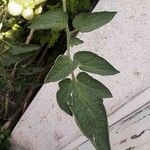
Solanum lycopersicum
گوجه فرنگی · Garden tomato · Cherry Tomato · Tomato · Roma Tomato
Description
Source: leafsnapThe tomato is the edible berry of the plant Solanum lycopersicum, commonly known as the tomato plant. The species originated in western South America, Mexico, and Central America. The Mexican Nahuatl word tomatl gave rise to the Spanish word tomate, from which the English word tomato derived. Its domestication and use as a cultivated food may have originated with the indigenous peoples of Mexico. The Aztecs used tomatoes in their cooking at the time of the Spanish conquest of the Aztec Empire, and after the Spanish encountered the tomato for the first time after their contact with the Aztecs, they brought the plant to Europe, in a widespread transfer of plants known as the Columbian exchange. From there, the tomato was introduced to other parts of the European-colonized world during the 16th century.Tomatoes are a significant source of umami flavor. They are consumed in diverse ways: raw or cooked, and in many dishes, sauces, salads, and drinks. While tomatoes are fruits—botanically classified as berries—they are commonly used culinarily as a vegetable ingredient or side dish.Numerous varieties of the tomato plant are widely grown in temperate climates across the world, with greenhouses allowing for the production of tomatoes throughout all seasons of the year. Tomato plants typically grow to 1–3 meters (3–10 ft) in height. They are vines that have a weak stem that sprawls and typically needs support. Indeterminate tomato plants are perennials in their native habitat, but are cultivated as annuals. (Determinate, or bush, plants are annuals that stop growing at a certain height and produce a crop all at once.) The size of the tomato varies according to the cultivar, with a range of 1–10 cm (1⁄2–4 in) in width.
🌳 Besides improving meals, tomatoes have many surprising uses. Their seeds are an antioxidant powerhouse supported by scientific research and are rich in health-promoting flavonoids and saponins. In addition, oil extracted from tomato seeds, high in unsaturated fats, could fuel a new wave of renewable energy sources. Tomatoes are also used to produce natural dyes, a lesser-known application with significant implications for eco-friendly fashion and textiles.
🎭 Honesty, quiet, good fortune, fertility, ardor, a serene and gentle woman
Care Guide
💧 Water Twice per week
Tomatoes thrive in temperate climates and prefer consistent moisture. While they have moderate drought tolerance, it's important to water them twice a week, especially during the peak growing season in warmer months. This regular watering ensures the soil maintains sufficient moisture, promoting healthy growth and vigorous fruiting.
When Should I Water My Tomato?
Watering your tomato plants appropriately is crucial for their health and productivity. You should water your tomato plants when the soil's moisture level decreases, specifically about 1-2 inches below the surface. Check this by using your finger to feel the soil. The color of the leaves can also indicate the plant's need for water, with healthy plants having vibrant and dark green leaves, while water deficiency may cause the leaves to appear dull, less lush, or yellow. Additionally, tomato plants will exhibit wilting when in need of water, particularly noticeable if the wilting persists beyond the cooler morning hours. The condition of the fruit, such as smaller size, leathery skin, or signs of blossom end rot, can signal irregular or insufficient watering. Be aware that both overwatering and underwatering can be detrimental, leading to root diseases or reduced yield and growth. It's also important to note that different varieties of tomatoes may have varying water needs, influenced by factors like the plant's growth stage, soil type, and weather conditions.
How Should I Water My Tomato?
Proper watering techniques can make a significant difference in the health of your tomato plants. Tomatoes thrive with a steady watering regime, favoring soil that is consistently moist without becoming waterlogged. You can achieve optimal watering using methods like bottom-watering, which allows roots to absorb moisture directly without making foliage too wet and inviting diseases. Using a soaker hose can effectively deliver water over a long period directly to the base of the plant, beneficial during the fruiting phase. For smaller plants, a watering can with a long spout helps direct water to the base without splashing the leaves. Investing in a moisture meter can further assist in precise watering by identifying when the plants require water, thus preventing over or under watering. Remember, the goal is to maintain consistent soil moisture and to water at the base of the plant to avoid wetting the leaves and potentially causing leaf diseases.
How Much Water Does Tomato Really Need?
The amount of water your tomato plants need depends on several factors, including the rate of water loss through the foliage, the size of the root system, and whether the plants are in pots or in the ground. For potted plants, water should be applied until it starts to drain from the bottom, indicating that the root zone is adequately saturated. This may mean about a quart of water for smaller potted tomatoes or up to two gallons for larger plants in garden beds. Properly watered tomatoes should display robust growth and healthy green leaves. Over-watering can lead to issues such as yellowing leaves, spots, or soft fruits, while under-watered plants may show signs of wilting or have dry, curled leaves, particularly at the lower parts of the plant. It's critical to balance watering, as both over and under-watering can result in various problems including root diseases, decreased yield, or even plant death.
What Kind of Water is Best for Tomato?
Tomato plants prefer rainwater, as it is the most natural source for them. However, in the absence of rainwater, both tap water and filtered water are acceptable alternatives. The quality of water is crucial for maintaining the health and productivity of the plants. Poor quality water can lead to stunted growth, disease, or even plant death. Tomatoes are particularly sensitive to contaminants such as chlorine and excessive amounts of fluoride, which can cause leaf burn. Hard water, high in calcium and magnesium salts, can also be problematic by causing a buildup in the soil, potentially obstructing the uptake of essential nutrients. To mitigate the effects of tap water, let it sit uncovered for 24 hours to allow chlorine to dissipate. In regions with hard water, consider using a water softener system or alternate with rainwater or distilled water to avoid mineral salt buildup. Remember, tomatoes prefer mildly warm water for watering, as cold water can shock the plant and affect its growth.
How Do Tomato's Watering Needs Change with the Seasons?
The watering needs of tomato plants vary with the seasons. During spring, the active growth phase, it's essential to maintain consistent soil moisture for healthy growth. In summer, particularly during the fruiting stage, high temperatures and increased sunlight can cause soil to dry out more rapidly. Water deeply and regularly to keep the soil from drying out completely, and consider using mulch to help retain moisture. As temperatures cool in autumn, and the plant may begin to decline or continue fruiting, adjust your watering schedule accordingly and water less frequently, ensuring the soil remains lightly moist. In winter, tomato plants require minimal moisture and enter a dormant period. Water sparingly, allowing the topsoil to dry out between waterings, but prevent the plant from becoming completely dehydrated.
☀️ Light Full sun
Tomato plants do best when given abundant sunlight throughout the day. Insufficient sun can hinder their growth, while too much exposure may scorch the leaves. Different growth stages can exhibit varying tolerances to sunlight. Although they come from regions with plentiful sun, they can also adjust to moderate light conditions.
What are the sunlight requirements for tomatoes?
Tomatoes thrive best under different conditions of sunlight exposure. They require full sun, meaning above 6 hours of sunlight daily, to grow optimally. However, they can also tolerate partial sun, which is about 3-6 hours of sunlight. It's important to watch the movement of sunlight through your garden to find spots that offer a perfect balance of light and shade, ensuring the happiness and health of your tomato plants.
How does sunlight affect tomato growth?
Sunlight significantly influences the growth and development of tomato plants. They perform best when exposed to abundant sunlight throughout the day. Insufficient sunlight can stunt their growth, whereas excessive exposure may lead to leaf scorching. Tomatoes are adaptable and can tolerate varying levels of sunlight, but their growth stages affect their sunlight tolerance. Originating from environments with abundant sunlight, tomatoes can also adapt to moderate light conditions. For indoor plants, artificial lighting is essential when natural sunlight is insufficient, especially during winter or in spaces with less sun. Using the right type of artificial light, like LED lights, and ensuring proper distance and duration of light exposure can promote healthier growth.
What symptoms indicate insufficient sunlight for tomatoes?
When tomatoes don't receive enough sunlight, they may exhibit several symptoms. These include subtle signs that could affect future flowering and fruiting, a tendency to drop older leaves earlier to conserve resources, delayed growth or a complete halt in new leaf production, a leggy or sparse appearance due to longer spaces between leaves or stems, and symptoms of overexposure like chlorosis, sunscald, leaf curling, wilting, and leaf scorching. These symptoms reveal the plant's struggle with adapting to its light conditions, indicating a need for adjustments to ensure optimal growth.
How can you manage sunlight exposure for tomatoes?
To manage sunlight for tomato plants effectively, consider the following strategies: For indoor tomatoes, gradually move them each week towards a sunnier location to reach at least 6 hours of direct sunlight daily. Utilize south-facing windows for maximum sunlight and consider artificial lighting for additional support. For outdoor tomatoes, also move them gradually to avoid sudden changes that could result in sunburn. Ensure there are no obstructions blocking sunlight, and if needed, prune trees that cast shadows on your plants. For tomatoes planted in the ground, consider transplanting them during their dormant period to a location with better sunlight and drainage. Keep in mind that while parts of the plant affected by insufficient light may not recover, new growth should be healthy once light exposure improves.
🌡️ Temperature 0–35°C
Tomatoes originate from relatively temperate areas and perform best in temperatures between 68 and 95°F (20 to 35℃). In cooler conditions, using a heating system is advisable. In very hot weather, a shade cloth can help maintain optimal growth.
What is the native climate for tomatoes?
Tomatoes are native to more temperate regions and thrive best in temperatures ranging from 68 to 95°F (20 to 35°C). They prefer relatively warm temperatures and grow optimally within this temperature range. Maintaining temperatures above 20°C during the winter months is beneficial for their growth.
How should tomatoes be protected in cooler temperatures?
In cooler temperatures, it's suggested to use a heating system to maintain an optimal growing environment for tomatoes. The plant should be kept above the freezing point to prevent damage. If outdoor temperatures approach -5°C (25°F) during winter, tomatoes should be brought indoors or protected by setting up a temporary greenhouse or using materials such as plastic film or fabric to wrap the plant.
What are the signs of low-temperature damage in tomatoes and how can they be treated?
Tomatoes have moderate tolerance to low temperatures and show the best growth between 20°C and 35°C. Symptoms of low-temperature damage include the darkening of leaves and, in severe cases, water-soaked necrosis, wilting, drooping, and gradual browning of leaves when the temperature falls below -40°C. The solution is to trim away the frost-damaged parts and either move the plant indoors to a warm environment or set up a makeshift greenhouse. If indoors, place the plant near a south-facing window for sunlight, and use supplemental lighting if natural light is insufficient.
What effects do high temperatures have on tomatoes and how should they be managed?
During summer, tomato plants should be kept below 35°C. Exceeding 41°C slows down their growth, lightens the color of their leaves, and increases the susceptibility to sunburn. To manage high temperature damage, trim away sunburned and dried-up parts of the plant. Move the plant to a shaded location, especially to avoid afternoon sun, and water it in the morning and evening to keep the soil moist.
💨 Humidity normal (40-60%)
This plant will thrive in moderate humidity, which is probably the level in your home. However, misting it a few times a week can be very beneficial. Make sure the room has good ventilation.
🪴 Soil 6-7
🌱 Fertilizer
To nourish tomato plants, use organic or commercial fertilizer high in nitrogen for leaf development, phosphorus for roots and flowering, and potassium for photosynthesis and maximum fruit yield. Plant in spring, enrich the soil with compost or manure, and fertilize seedlings when they reach a height of 2–4 inches (5.1–10.2 cm). Insufficient macronutrients cause slow growth, wilting, and reduced fruit quality.
Why should I put fertilizer on my tomato plant?
When growing Tomato plants for their fruit, it is important to provide the soil with additional nutrients to ensure a fruitful harvest. Each macronutrient serves a unique purpose in supporting plant growth. Phosphorus, for example, is essential for the development of flowers and fruit. In order for plants to produce flowers and fruit effectively, they must also have a strong root system and healthy leaves to absorb sunlight. Without an adequate supply of macronutrients, plants may lack vitality, grow slowly, and potentially wilt. Since plants need to allocate a significant amount of energy towards flowering and fruiting, deficiencies in these crucial components can adversely affect the quality of the resulting fruits.
When should I put fertilizer on my tomato plant?
To successfully grow tomatoes, it is important to understand the planting and fertilization process. Tomato plants are best suited for the summer months, so it is recommended to plant them in the spring. The specific variety of tomato will determine the ideal planting time. For optimal growth and high-quality produce, tomato plants require nutrient-rich soil. Before planting, it is recommended to incorporate a 2-inch layer of compost or well-rotted manure into the soil. This not only provides essential nutrients for the plants but also improves the soil's drainage. After planting, transplants can be immediately fertilized, while seedlings should reach a height of 2 to 4 inches before receiving their first fertilizer treatment. Established plants should be fertilized every 3 to 4 weeks throughout the growing season until the first frost or the plant stops producing. It is essential to check the specific fertilizer type and tomato variety to ensure a tailored fertilization schedule. When in doubt, it is advisable to apply less fertilizer rather than risking over-fertilization.
When is it not a good time to add fertilizer to my Tomato plant?
To ensure healthy growth of your tomato plants, it is important to avoid using fertilizers high in nitrogen. Excessive nitrogen can result in an abundance of leaves but fewer flowers and fruits. Instead, opt for a fertilizer that has a lower nitrogen content but is rich in other nutrients. Additionally, it is essential to refrain from fertilizing your tomato plants when temperatures are high or conditions are dry. During these times, the fertilizer may wash away without being utilized by the plants. Furthermore, plants have reduced capacity to absorb nutrients in hot weather, which can lead to the fertilizer remaining in the soil and hindering water uptake by the plants. This situation can be particularly harmful during droughts or heatwaves.
What kind of fertilizer should I use for my Tomato?
To determine the right fertilizer for your Tomato, start by assessing your soil's composition. You can do this by conducting a soil test, although some people manage to grow Tomatoes successfully by trial and error. While there are specific fertilizers available for different Tomato varieties, it's not necessary to buy a unique one for each vegetable you grow. By understanding the basic requirements of your plants and the nutrients already present in your soil, you can use the same fertilizer for multiple plants. Many growers prefer high-phosphorus fertilizers to encourage flower and fruit growth. These fertilizers have a high middle number in the NPK ratio, like 8-32-16 or 10-30-10. However, some gardeners prefer a balanced fertilizer, such as 10-10-10, to simplify their gardening process.
How can I make my tomato plant grow better?
Using different types of fertilizer requires following specific instructions, such as dilution or accurate measurement. To prevent over fertilizing your garden, it is important to carefully adhere to these instructions and conduct proper research. When planting tomatoes in a row, the side-dressing method can be employed to ensure the roots receive fertilizer while avoiding direct contact with the plant. This involves integrating the fertilizer into the soil alongside the rows, approximately 3 to 4 inches away from the base of the plant. The nutrients are then carried down to the roots by watering. If the side-dressing method is not feasible for your garden layout, you can apply the fertilizer around the plant, also keeping a distance of 3 to 4 inches. For granular fertilizers, scatter them onto the soil and lightly mix them in to ensure they are properly incorporated. Dry fertilizers should be followed by thorough watering. Liquid fertilizers, on the other hand, can be mixed with water in a watering can and used to both water and fertilize the plants simultaneously. Alternatively, foliar feeding involves spraying the leaves with a specialized fertilizer mix instead of applying nutrients to the soil.
🪴 Pot & Repot Every 12 months
When repotting Tomato, choose a pot that is 1–2 inches (2.5–5.1 cm) larger in diameter and make sure it has good drainage. Use a well-draining potting mix and consider adding perlite for extra drainage. Repot in spring or early summer, then water thoroughly and keep it in a shady spot at first.
✂️ Pruning
Tomatoes grow best when you use effective pruning techniques, which include removing suckers, trimming lower leaves, and pinching the tops of the plants. It's ideal to do this from early to late spring. Proper pruning helps improve air circulation, reduces the risk of disease, and increases fruit production. Remember to sanitize your tools and make cuts close to the main stem to promote effective healing.
🌿 Propagating
🐛 Diseases & pets
☠️ Toxicity
Characteristics
- Plant Type
- Herb
- Life Cycle
- Annual, Perennial
- Genus
- Solanum
- Family
- Solanaceae
- Hardiness Zone
- 2-10
- Mature Height
- 0.91 m to 3.05 m
- Mature Spread
- 1.52 m
- Leaf Color
- Green
- Leaf Type
- Deciduous
- Flower Color
- Yellow
- Flower Size
- 2.03 cm to 2.54 cm
- Bloom Time
- Late spring, Early summer, Mid summer
- Planting Time
- Spring, Summer
- Harvest Time
- Mid summer, Late summer
- Native Area
- Honduras, Mexico, Peru, Nicaragua, Ecuador, Costa Rica, Panama