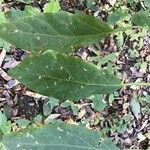
Solanum muricatum
Pepino · Peruvian pepino · Melon-pear · Mataserrano · Melon shrub
Description
Source: leafsnapSolanum muricatum, commonly known as pepino or pepino dulce, is a small perennial plant belonging to the Solanaceae family. Native to the Andean region of South America, it is widely cultivated in countries such as Peru, Chile, and Colombia. This plant has a bushy growth habit and can grow up to 1.5 meters tall. It features large, hairy leaves and produces small purple flowers that develop into oval-shaped fruits with yellow or green skin. The fruit of Solanum muricatum is sweet, with a mild flavor reminiscent of melon or cucumber. It can be eaten raw or used in various culinary applications such as salads, smoothies, jams, and desserts. Besides its culinary uses, Solanum muricatum also boasts medicinal properties due to its high content of antioxidants, including vitamin C and phenolic compounds. Traditionally, it has been used to treat digestive problems like constipation, thanks to its high fiber content. Overall, the Solanum muricatum plant offers numerous nutritional benefits through its fruit while also providing medicinal properties for various ailments, making it an important crop in many countries around the world.
🌳 Pepino is more than a flavorful exotic fruit; it is also being recognized as suitable for people with diabetes because of its low glycemic index. Its adaptability reaches culinary uses, frequently appearing in both sweet and savory recipes. Though not widely known, it has potential for the development of natural sweeteners targeted at the health-conscious market. Moreover, its tasty juice could be used in distinctive beverages, extending its use beyond traditional consumption.
Care Guide
💧 Water Every 7 days
Pepino, a plant native to the arid regions of South America, thrives with minimal moisture and is drought-tolerant. To mimic its natural habitat, water the plant every 2-3 weeks, allowing the soil to dry out between waterings. When grown indoors, use well-draining soil and mist the plant occasionally to meet its humidity needs, helping it stay lush all year round.
How should I water my Pepino plant?
Your Pepino is not too demanding when it comes to watering. You can use any common watering tool, such as watering cans, hoses, or even cups to moisten the soil of this plant. Regardless of which tool you choose, it is important to water the soil directly. Make sure to evenly moisten all areas of the soil to provide water to all parts of the root system. Using filtered water is recommended, as tap water may contain harmful particles for plants. Also, it is best to use water that is at or slightly above room temperature, as colder or hotter water can be too much for the Pepino. However, the plant usually responds well to any type of water it receives.
What do I need to do if I give my Pepino plant too much water or too little water?
It's important to remember to water outdoor plants, especially newly planted ones or seedlings. When trees are small, they need consistent watering for a few months until their roots are established. Once the roots are established, they can rely on rain for most of their needs. Overwatering is more common when Pepino is planted in pots. If you accidentally overwater your Pepino, there are steps you can take to fix the situation. First, stop watering the plant immediately to minimize the impact of overwatering. Then, remove the Pepino from its pot and inspect the roots for any signs of root rot. If no root rot is found, you can return the plant to its pot. However, if there is root rot, trim away the affected roots and apply a fungicide to prevent further damage. Lastly, repot the Pepino in well-draining soil. For underwatered Pepino plants, simply water them more frequently. If you notice that the leaves are drooping, drying out, or falling off, it's a sign of underwatering. Once you water the plant sufficiently, the leaves will quickly return to fullness. So, adjust your watering frequency as soon as you notice underwatering.
How frequently should I give water to my Pepino plant?
Most outdoor plants can grow naturally with rainfall. However, if your area doesn't get much rain, you'll need to water them every 2 weeks in spring and fall, more often in summer, and less in winter when they don't need as much water. If your Pepino plant is young or newly planted, it'll need more frequent watering to help it establish and grow. For potted plants, there are two main ways to determine how often to water your Pepino. One way is to follow a set watering schedule, such as once a week or every other week. However, this may not always be the best approach as it doesn't consider the specific conditions of your plant's environment. Another option is to gauge the soil moisture. Wait until the top two to four inches of soil have dried out completely before watering again. This method allows you to adjust the watering frequency based on the season, as the plant's water needs are higher during summer.
How much water does my Pepino plant need?
When watering your Pepino plant, you may be surprised to learn that it doesn't always require a large amount of water. Instead, if only a few inches of soil have dried since your last watering, you can promote healthy growth by giving it about five to ten ounces of water each time. You can also adjust the amount of water based on the moisture of the soil. Take note of how many inches of soil have dried out in between waterings. To ensure your Pepino receives enough moisture, water thoroughly enough to moisten all the layers of dry soil since the last watering. If more than half of the soil has dried out, consider giving it more water than usual. In such cases, continue adding water until you see water draining from the pot's holes. If your Pepino is planted in a rainy area outdoors, it may not require additional watering. When the Pepino is young or newly planted, make sure it receives 1-2 inches of rain per week. As it grows and becomes established, it can rely solely on rainwater for hydration. Only during periods of intense heat and no rainfall for 2-3 weeks should you consider giving your Pepino a thorough watering to avoid stress.
How can I know if I'm giving enough water to my Pepino plant?
Overwatering is a common issue for the Pepino, and there are signs to watch for. An overwatered Pepino has yellow leaves and may lose some. Overwatering can also make the plant structure shrivel and lead to root rot. On the other hand, an underwatered Pepino will wilt and may have brown or brittle leaves. If you notice signs of overwatering or underwatering, take action to restore your Pepino's health.
☀️ Light Full sun
Pepino favors abundant sunlight and does not tolerate less. It originates from sunny habitats that encourage optimal growth. Too little sun can hinder its development, while too much may be harmful.
What are the sun requirements for Pepino plants?
Pepino plants thrive under conditions of expansive sunlight, requiring more than 6 hours of sunlight daily to ensure optimal growth. These conditions mimic their natural habitat, which is abundant in sunlight. However, it's essential to observe how sunlight moves through your garden to select spots providing the right balance of light and shade, ensuring the plants' happiness. There are also specifics for partial sun, which entails about 3-6 hours of sunlight. A balance is crucial as both inadequate and excessive sunlight can hinder the development or even harm the plant.
How can artificial lighting support Pepino plant growth indoors?
Indoor Pepino plants require adequate lighting, especially when natural sunlight is insufficient, such as during winter or in less sunny spaces. Artificial lighting offers a vital solution, with options including LEDs, which can be customized to provide specific wavelengths necessary for the plant's growth. The requirements vary depending on the plant's native sunlight needs: full sun plants need 30-50W/sq ft, partial sun plants require 20-30W/sq ft, and full shade plants need 10-20W/sq ft of artificial light. The light source should be placed 12-36 inches above the plant for 8-12 hours per day to mimic natural daylight hours effectively.
What are the important symptoms of insufficient or excessive sunlight in Pepino plants?
Pepino plants exhibit several symptoms when faced with suboptimal lighting conditions. Insufficient sunlight can lead to smaller new leaves, leggy or sparse growth, faster leaf drop, slower or no growth, lighter-colored new leaves, indicating a lack of essential nutrients and chlorophyll. On the other hand, excessive sunlight can cause chlorosis (the yellowing of leaves due to chlorophyll breakdown), sunscald (damaged leaves or stems from intense exposure), leaf curling (a defense mechanism to minimize water loss and damage), wilting (loss of turgor pressure leading to drooping leaves and stems), and leaf scorching (brown, dry edges on leaves). Managing the right amount of sunlight is crucial for maintaining plant health.
What solutions are available for Pepino plants experiencing light-related issues?
For indoor Pepino plants, it's advisable to gradually move them to sunnier locations weekly, aiming for at least 6 hours of direct sunlight daily. If moving the plant is not feasible, using artificial light such as a desk or ceiling lamp for at least 8 hours daily, or investing in professional plant grow lights can provide sufficient light. For outdoor plants, the process involves gradually acclimatizing them to sunnier spots to prevent sunburn. If the plant is ground-based and relocation isn't simple, identifying and reducing obstructions like overhanging trees or branches can be beneficial. Pruning or transplanting during the plant's dormant periods ensures better sunlight access and contributes to overall plant health. However, it's important to note that parts of the plant that have suffered from insufficient sunlight may not recover, but new growth should be healthy with improved light exposure.
🌡️ Temperature 15–37.8°C
Pepino originates from areas with a temperate climate. It does best at temperatures between 59 and 100 °F (15 to 38 ℃). In cooler months it may require extra warmth, which can be supplied by a heated greenhouse or an indoor setting.
What is the native climate of Pepino?
Pepino, also known as Solanum muricatum, is native to regions with a temperate climate. It thrives best in temperatures that range from 59 to 100 °F (15 to 38 °C). During cooler months, when temperatures drop, Pepino may require additional warmth. This can be provided through means such as a heated greenhouse or by keeping the plant indoors to ensure it remains within its ideal temperature range.
Does Pepino have cold tolerance?
Pepino does exhibit some degree of cold tolerance. Generally, it does not need any special care when temperatures are above -5°C. However, if temperatures are expected to fall below -5°C, it becomes necessary to implement temporary cold protection measures. These may include wrapping the plant with plastic film, fabric, or other suitable materials to protect it from the cold. Once temperatures become more favorable, these protective measures should be removed to prevent any potential damage to the plant.
How should you care for Pepino in low temperatures?
In low temperatures, Pepino shows a moderate level of tolerance, thriving best above 15°C and needing protection when temperatures drop below -5°C. When exposed to temperatures below -10°C, you may observe the leaves beginning to droop, indicating stress from the cold. In mild cases, the plant can recover with care, but severe exposure may lead to leaves wilting and falling off. To protect your Pepino in anticipation of low temperatures, trim off any frost-damaged parts and wrap the plant with materials like non-woven fabric or cloth. Additionally, constructing a wind barrier can provide extra protection from cold winds.
How does high temperature affect Pepino, and what solutions are recommended?
Pepino should ideally be kept below 38°C during the summer. Temperatures exceeding 43°C can cause noticeable stress to the plant, including lighter leaf color, dry and withered leaf tips, leaf curling, and an increased susceptibility to sunburn. To mitigate damage from high temperatures, trim away any sunburned or dried-up parts of the plant. Relocating the plant to an area with shade during the midday and afternoon sun or using a shade cloth can help prevent further damage. Additionally, maintaining soil moisture through morning and evening watering can also provide some relief to the plant during hot weather.
💨 Humidity high (>60%)
This plant needs special care because it loves high humidity levels of 60-80% or more. The best way to achieve this is by placing a humidifier near the plant. Daily misting is also essential! Make sure the room has good ventilation.
🪴 Soil 5-7
🌱 Fertilizer
The Pepino plant needs adequate nutrients to achieve the best fruit production. Apply fertilizer in early spring to encourage new growth and flower development. Regular feeding keeps the plant healthy, produces tastier fruit, and prevents nutrient deficiency problems such as yellowing leaves and poor fruit yield.
Why do I have to add fertilizer to my Pepino plant?
Plants need a lot of nutrients to grow, especially fast-growing ones. If Pepino wants to stay healthy and produce delicious fruit, it needs regular fertilization to make sure it gets enough nutrients. If plants aren't fertilized for a long time, they can have a lot of problems. They might have issues with their leaves, like turning yellow or developing a weird reddish color. The leaves might also have odd shapes, withered tips, or dieback across large parts of the plant. Some nutrient deficiencies can even affect the bark, growth, shoot development, and fruit production.
What's the ideal time to fertilize my Pepino?
The best time to fertilize Pepinos is in early spring, before the buds appear. During this time, Pepinos are using the energy they stored over winter to grow new leaves. To support the development of blooms, it's recommended to fertilize about 2 to 4 weeks before you expect the plant to bloom. This allows enough time for the nutrients to soak into the soil and be absorbed by the plant. It's also important to avoid fertilizing in autumn, as it can lead to excessive foliage growth late in the season, which can make the leaves vulnerable to damage during winter.
When is it not a good idea to fertilize my Pepino plant?
1. Avoid fertilizing Pepino in the first year of growth. If not necessary, be cautious about providing fertilizer. 2. Don't fertilize if you pruned 20% or more of the plant the previous year. 3. Do not fertilize diseased or damaged plants, as it can do more harm. 4. Before thinking about fertilizing, address the root cause of the issue. 5. Avoid fertilizing after the peak of summer, as it can cause excessive growth before winter. 6. Pepino should not be fertilized during hot and dry times of year, when dry soil can't effectively deliver fertilizer and stimulate unwanted growth. 7. Use fertilizer earlier in the season when temperatures are cooler. 8. Be careful not to inadvertently give nearby plants a double-dose of fertilizer that has been applied to Pepino.
What kind of fertilizer does my Pepino plant need?
Using fertilizer that contains a balance of nitrogen, phosphorus, and potassium can bring many benefits to plants. Nitrogen is important for leaf growth and chlorophyll production. Phosphorus helps support the root system and promotes the development of blossoms, fruits, and seeds. Potassium plays a role in photosynthesis and the movement of water and nutrients throughout the plant. When choosing a fertilizer, you can opt for a commercial one that is specifically designed for a particular type of tree. Alternatively, you can use organic sources of nitrogen such as manure, feather meal, or blood meal. To ensure you apply fertilizer accurately, conducting a soil test can give you a better understanding of the condition of your soil. For commercial fertilizers, if your soil lacks sufficient phosphorus and potassium according to the soil test, you can use a balanced granular fertilizer with a ratio of 10-10-10 or similar. In most cases, nitrogen in the soil is continuously depleted with rainfall. If your soil already has enough phosphorus and potassium, it would be more appropriate to use a high-nitrogen fertilizer with a ratio of 6-2-1 or 10-2-2.
How do I make my Pepino plant grow better with fertilizer?
When using fertilizer for your Pepino plant, it's important to follow specific directions and do some research. Avoid over-fertilizing by determining the correct amount to use, especially for fruit trees. Typically, you can use the age of the tree or the trunk diameter as a guide. A good estimate is to use one-tenth of a pound of fertilizer per year or per inch of trunk, with a maximum of one pound. Keep in mind that you should not fertilize a Pepino plant in its first few years. For granular or organic fertilizers like blood meal, sprinkle the substance around the base of the tree and extend it to the drip line, being careful not to let it touch the trunk. These substances will gradually break down and be absorbed by the roots. After fertilizing, apply a one-inch layer of compost around the base of the tree and water thoroughly.
🪴 Pot & Repot Every 12 months
✂️ Pruning
Pepino is a fruit-bearing shrub that benefits greatly from pruning in the early spring, just before new growth begins. To promote healthier growth and increase fruit production, remove any dead branches and thin out crowded areas to improve air circulation. Pruning at this time supports the shrub's natural growth cycle, leading to optimal productivity.
🌿 Propagating
🐛 Diseases & pets
☠️ Toxicity
Characteristics
- Plant Type
- Shrub
- Life Cycle
- Perennial
- Genus
- Solanum
- Family
- Solanaceae
- Hardiness Zone
- 8-11
- Mature Height
- 1.83 m
- Mature Spread
- 91 cm
- Leaf Color
- Green
- Leaf Type
- Evergreen
- Flower Color
- Lavender, White
- Flower Size
- 2.03 cm to 3.05 cm
- Bloom Time
- All year round
- Planting Time
- Spring, Autumn
- Harvest Time
- All year round
- Native Area
- Colombia, Ecuador, Peru